


Textiles & apparel
Export cotton woven fabrics
Grey and finished cotton fabrics — shirting, sheeting, denim, poplin, voile — for garment and home-textile makers abroad.
- HS code
- 5208 Woven fabrics of cotton: 85% or more cotton, up to 200 g/m² (5208) and over 200 g/m² (5209); blends mainly with man-made fibres (5210, 5211, including denim); other cotton fabrics (5212).
- Export policy
- Free to export Free under ITC(HS) Schedule 2; no licence is needed. Confirm the 8-digit line on the DGFT ITC(HS) search before you ship.
- Registrations
- 3 IEC, GST and those below
- India’s exports, 2025-26
- US$ 2.01 bn to 150 countries
What is exported
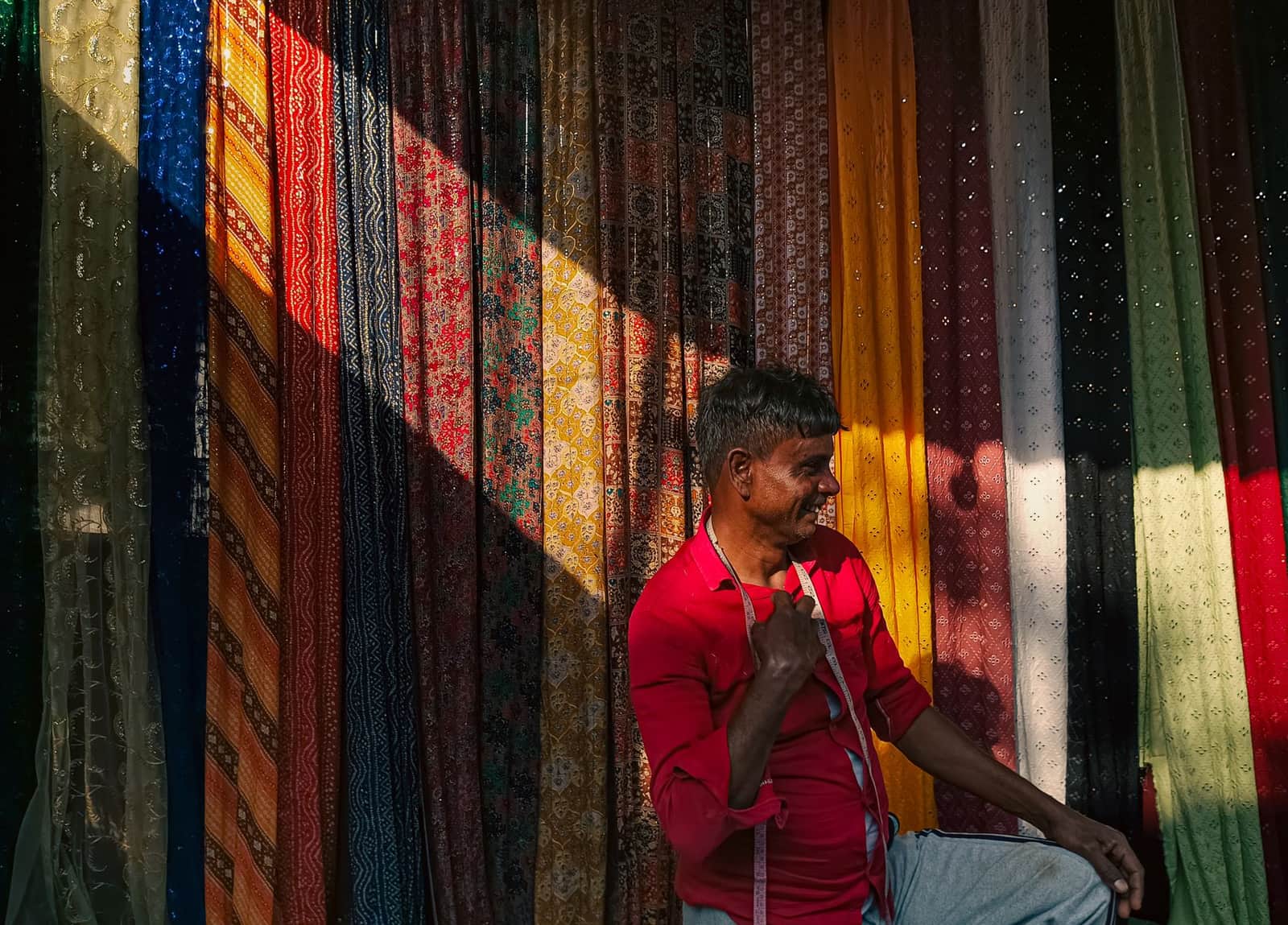
India exports grey (unfinished) and processed cotton fabrics from mills and powerloom clusters in Maharashtra, Gujarat, Tamil Nadu and Punjab. Garment factories in Bangladesh and Sri Lanka buy a large share; the Gulf, Africa and Western markets buy finished fabric and denim. Mills compete with China and Pakistan on price, delivery and compliance.
Varieties, grades and forms
- Grey fabricUnbleached sheeting, poplin, cambric and drill for processors abroad.
- Shirting and voileDyed, yarn-dyed and printed light fabrics.
- Denim (5209 42, 5211 42)Indigo denim from Ahmedabad and other mills.
- Canvas and furnishing fabricsHeavier fabrics for bags, upholstery and curtains.
- Organic and BCI cotton fabricsCertified fabrics for brands with sustainability targets.
Where it is grown or made
- MaharashtraBhiwandi, Ichalkaranji and Malegaon powerlooms; Mumbai processors.
- GujaratAhmedabad (denim and shirting) and Surat processing houses.
- Tamil NaduErode, Salem, Komarapalayam and Coimbatore.
- Punjab and Madhya PradeshLudhiana and the Indore–Burhanpur belt.
The quality buyers ask for
- Construction
- Ends × picks per inch and warp × weft count, e.g. 60×60 / 90×88
- Weight and width
- GSM and cuttable width as ordered (e.g. 58/60 inches)
- Inspection
- Four-point system, usually up to about 20–40 points per 100 square yards for first quality
- Shrinkage
- Typically within about 3–5% after washing, as agreed
- Colour fastness
- Washing, rubbing, light and perspiration, usually grade 3–4 or better (ISO 105 / AATCC methods)
- Restricted substances
- No banned azo dyes; formaldehyde, pH and heavy metals within REACH and buyer limits
Certificates
- RCMCRequiredRegistration with the export promotion council or board for your product (not needed up to ₹3 lakh FOB per consignment since 15 Sep 2026).
- OEKO-TEX STANDARD 100Often askedTests the finished textile for harmful substances; widely asked for by retailers.
- GOTSOften askedGlobal Organic Textile Standard, for goods sold as organic cotton or silk.
- BCI / Kasturi Cotton BharatOften askedTraceable or responsibly grown cotton programmes that brands ask for.
- Social audit (SA8000, BSCI/amfori, SMETA, WRAP)Often askedLabour and workplace audit required by most Western retailers before they place orders.
- ISO 9001Often askedQuality management system; often asked for by industrial buyers.
Shipping, storage and shelf life
Rolls or bales in 20-ft or 40-ft dry containers; a 40-ft typically carries about 15–20 tonnes of fabric depending on roll size.
Sea from Nhava Sheva, Mundra, Chennai and Tuticorin; road to Bangladesh via Petrapole.
Dry, clean warehouse; protect from damp and mildew.
What goes on the pack and carton
- Fabric and yarn: roll or carton ticket with quality, lot/shade or merge number, length or weight, and “Made in India”.
- USA: fibre content by percentage, country of origin and the manufacturer’s name or RN number on a permanent label (FTC Textile Act rules); care label for consumer goods.
- EU: fibre names and percentages under Regulation (EU) 1007/2011, in the language of the selling country; care symbols are commonly expected.
Test at the textile research associations — SITRA (Coimbatore), NITRA (Ghaziabad), BTRA (Mumbai), ATIRA (Ahmedabad) — at Textiles Committee laboratories, or at any NABL-accredited textile lab (search the NABL directory for “textiles” and your city). Retail buyers often name a global test house with labs in India.
Benefits of exporting this product
- RoDTEP: 3.5% of FOB
Tariff item 5208 (all lines) (cotton woven fabrics up to 200 g/m²) earns 3.5% of FOB value, capped at ₹8.5 per square metre, as a duty credit scrip on ICEGATE (Appendix 4R). Heavier fabrics of 5209 and 5211 (including denim, 5211 42 00) earn 3.6%, capped at ₹7.9 per square metre; 5210 and 5212 lines earn 3.5%, capped at ₹8.5. Rates continue to 31 Dec 2026 (DGFT Notification 41/2026-27). Confirm your exact 8-digit line on DGFT before pricing an order.
DGFT — Appendix 4R, RoDTEP schedule for DTA exports w.e.f. 10 Oct 2024 (Notification 32/2024-25) ↗ - Zero duty into the UK (CETA)
The India-UK CETA came into force on 15 July 2026 and gives zero-duty access to nearly 99% of India’s exports; textiles are among the sectors the Commerce Ministry named as gainers. Claim it with a CETA certificate of origin and check your code on the UK Trade Tariff.
PIB — India-UK CETA enters into force (15 Jul 2026): zero-duty access for nearly 99% of India’s exports ↗
Where to register
- TEXPROCILRCMC from the Cotton Textiles Export Promotion Council, which covers raw cotton, cotton yarn, cotton fabrics (including knit fabrics) and cotton made-ups such as towels, bed linen and scarves.texprocil.org ↗
Quality and checks
- Buyer test reports for fibre content, GSM, colour fastness, shrinkage and restricted chemicals (azo dyes, formaldehyde); EU buyers apply REACH limits.
- Fibre-traceability declarations: US Customs can detain cotton goods under the Uyghur Forced Labor Prevention Act unless you can show the cotton’s origin.
- Fabric construction (ends and picks per inch, yarn count), width and four-point inspection for weaving and processing defects.
Source from a mill or processing house in Bhiwandi, Ichalkaranji, Ahmedabad or Erode, offer swatches and lab reports to garment makers in Bangladesh or Sri Lanka, and ship your first lot on LC. Since 15 September 2026, a consignment worth up to ₹3 lakh FOB does not need an RCMC (DGFT Notification 36/2026-27). Registrations that a law requires for the product still apply.
Where new exporters go wrong
- Shade variation between rolls; buyers reject or discount mixed shades.
- Shrinkage beyond the agreed limit after washing.
- No cotton traceability for US-bound fabric, leading to detention under UFLPA.
Documents this product needs
Schemes that apply
Sources (6)
- DGFT — ITC(HS) export policy search (Schedule 2)
- TEXPROCIL — The Cotton Textiles Export Promotion Council
- DGFT — Appendix 4R, RoDTEP schedule for DTA exports w.e.f. 10 Oct 2024 (Notification 32/2024-25)
- US Customs and Border Protection — Uyghur Forced Labor Prevention Act
- European Chemicals Agency — Understanding REACH
- PIB — India-UK CETA enters into force (15 Jul 2026): zero-duty access for nearly 99% of India’s exports
Trade data
Indian cotton woven fabrics exports in numbers
From the Department of Commerce’s TradeStat, country by country. US$, Indian financial years (April–March).
- Exports in 2025-26
- US$ 2.01 bn +4.5% a year on average, 2020-21 to 2025-26
- Change from 2024-25
- ↑ +2.7% US$ 1.96 bn → US$ 2.01 bn
- Buyer countries
- 150
- Average export price
- US$ 0.85 per kg · 2.38 mn tonnes shipped · US$ 0.85 the year before
The price cycle
India’s average export price per kg each year (total value ÷ total quantity). Highest in 2022-23, lowest in 2025-26 — a 23% swing between them. Keep this swing in mind when you quote.
What next: a projection from the trend
The past trend carried forward — not a forecast by any authority. Sudden changes in policy, prices or demand are not in it.
Likely range US$ 1.64 bn to US$ 2.61 bn.
- Trend
- +0.9% a year
- Fit (R²)
- 0.01 — weak, read with care
- Based on
- 6 years of official figures
Method: a straight line through the logarithm of yearly exports (log-linear regression); range = ±1 standard error.
Biggest buyer countries
By value in 2025-26. Change is against 2024-25.
Where demand is rising and falling
Only countries that buy at least US$ 1 million or 1% of India’s exports of this product. Change from 2024-25 to 2025-26.
↑ High demand
- SudanUS$ 5.7 mn → US$ 37.1 mn↑+548.2%
- GambiaUS$ 19 mn → US$ 29.2 mn↑+53.7%
- MoroccoUS$ 25.5 mn → US$ 34.7 mn↑+36.1%
- SenegalUS$ 104 mn → US$ 134 mn↑+29.3%
- ColombiaUS$ 45.1 mn → US$ 57.8 mn↑+28.3%
- TogoUS$ 17.6 mn → US$ 22 mn↑+25.1%
- IndonesiaUS$ 36.5 mn → US$ 44 mn↑+20.7%
- MauritaniaUS$ 19.5 mn → US$ 22.9 mn↑+17.8%
↓ Low demand
- MexicoUS$ 29.6 mn → US$ 17.2 mn↓-42.1%
- TanzaniaUS$ 26.8 mn → US$ 19.9 mn↓-26%
- South KoreaUS$ 55.9 mn → US$ 44.3 mn↓-20.7%
- United States of AmericaUS$ 86.5 mn → US$ 71 mn↓-17.9%
- ThailandUS$ 43.5 mn → US$ 36.6 mn↓-15.8%
- South AfricaUS$ 25.2 mn → US$ 21.5 mn↓-14.9%
- GhanaUS$ 43.8 mn → US$ 37.3 mn↓-14.7%
- VietnamUS$ 24.7 mn → US$ 22.2 mn↓-10.4%
Which forms sell, and at what price
India’s exports by 8-digit tariff line, 2025-26. Average price = total value ÷ total quantity (TradeStat): the average of every shipment on that line, not the price of any one deal.
| Tariff line | Value 2025-26 | Change | Quantity | Average price |
|---|---|---|---|---|
Others-of-cotton fabrics contng >=85% by weight cotnprinted,plain weave weighing >100 g/m25208 52 90 · Fabrics, woven, containing 85% or more by weight of cotton, printed, plain weave, weighing more than… | US$ 391 mn | ↑+13.4% | 586 mn m² | US$ 0.67 per m²was US$ 0.68 |
Fabrics, woven, containing 85% or more by weight of cotton, of yarns of different colours, weighing more… — denim5209 42 00 | US$ 291 mn | ↑+15.9% | 224 mn m² | US$ 1.30 per m²was US$ 1.35 |
Others of plain weave, weighing not more than 100 g/m25208 51 90 · Fabrics, woven, containing 85% or more by weight of cotton, printed, plain weave, weighing not more than… | US$ 148 mn | ↑+19.8% | 181 mn m² | US$ 0.82 per m²was US$ 0.75 |
Denim of yarns of different colour of mxd cotton fabrics weighing>200 gsm5211 42 00 · Fabrics, woven, containing less than 85% by weight of cotton, mixed mainly or solely with man-made fibres… | US$ 131 mn | ↓-13.3% | 115 mn m² | US$ 1.14 per m²was US$ 1.18 |
Others-of-cotton fabrcs contng >=85% by weight of cotnunbleachd plainweave weiging > 100 g/m25208 12 90 · Fabrics, woven, containing 85% or more by weight of cotton, unbleached, plain weave, weighing more than… | US$ 101 mn | ↓-4.9% | 213 mn m² | US$ 0.48 per m²was US$ 0.49 |
Others-of-cotton fabrics contng>=85% by weight of cotndyed,plain weave weighng >=100 g/m25208 32 90 · Fabrics, woven, containing 85% or more by weight of cotton, dyed, plain weave, weighing more than 100g/m2… | US$ 90.4 mn | ↑+13.5% | 99.5 mn m² | US$ 0.91 per m²was US$ 0.95 |
Others-of-cotton fabrcs contng>=85% by weight of cotton,unbleached plain weave weiging <=100 g/m25208 11 90 · Fabrics, woven, containing 85% or more by weight of cotton, unbleached, plain weave, weighing not more than… | US$ 53.8 mn | ↓-19.2% | 146 mn m² | US$ 0.37 per m²was US$ 0.39 |
Others-of-unblchd 3/4 thred twill including cross twillcotton fabrics weiging more than200 gm per sqm5209 12 90 · Fabrics, woven, containing 85% or more by weight of cotton, unbleached, 3-thread or 4-thread twill… | US$ 52.2 mn | ↓-20.2% | 74.1 mn m² | US$ 0.71 per m²was US$ 0.74 |
Others-of-cotton fabrics contng >=85%by weight of cotndyed plain weave weigng<=100 g/m25208 31 90 · Fabrics, woven, containing 85% or more by weight of cotton, dyed, plain weave, weighing not more than 100g/m2 | US$ 51.2 mn | ↑+1.7% | 78.9 mn m² | US$ 0.65 per m²was US$ 0.67 |
Fabrics, woven, containing 85% or more by weight of cotton, printed, of weaves in item no. 5208.5, weighing… — shirting fabrics5208 59 90 | US$ 44.9 mn | ↑+41.4% | 47.1 mn m² | US$ 0.95 per m²was US$ 0.76 |
Others-of-dyed 3/4 thread twill includingdng cross twill cotton fabrics weighing>200 gm per sqm5209 32 90 · Fabrics, woven, containing 85% or more by weight of cotton, dyed, 3-thread or 4-thread twill, including… | US$ 44.8 mn | ↓-11.8% | 23.8 mn m² | US$ 1.88 per m²was US$ 1.77 |
Others-of-cotton fabrics contng >=85% by weight of cotton plain weave, weighing more than 100 gmper sqm of yarn of different colours5208 42 90 · Fabrics, woven, containing 85% or more by weight of cotton, of yarns of different colours, weighing more… | US$ 38.1 mn | ↑+12.8% | 30.2 mn m² | US$ 1.26 per m²was US$ 1.31 |
Others-of-blechd plain weave weigng <=100 g/m25208 21 90 · Fabrics, woven, containing 85% or more by weight of cotton, bleached, plain weave, weighing not more than… | US$ 32.9 mn | ↓-2.1% | 95.3 mn m² | US$ 0.34 per m²was US$ 0.35 |
Fabrics, woven, containing 85% or more by weight of cotton, dyed, plain weave, weighing more than 100g/m2… — shirting fabrics5208 32 30 | US$ 32.3 mn | ↑+12.5% | 28.2 mn m² | US$ 1.15 per m²was US$ 1.16 |
The world market
Each country’s own recorded exports and imports in UN Comtrade, 2023 (the latest year nearly every country has reported).
- World imports
- US$ 12.8 bn 2023
- India among exporters
- #2 of 144 countries
- India’s share of world exports
- 9% US$ 1.89 bn
- Left for others to win
- US$ 19.2 bn exported by other countries
Top exporters — your competitors
- 1ChinaUS$ 9.67 bn 45.8%
- 2IndiaUS$ 1.89 bn 9%
- 3PakistanUS$ 1.88 bn 8.9%
- 4ItalyUS$ 920 mn 4.4%
- 5TürkiyeUS$ 848 mn 4%
- 6GermanyUS$ 534 mn 2.5%
- 7AustriaUS$ 463 mn 2.2%
- 8SpainUS$ 392 mn 1.9%
- 9Viet NamUS$ 350 mn 1.7%
- 10NetherlandsUS$ 327 mn 1.6%
Biggest buyers in the world
- 1Viet NamUS$ 1.22 bn 9.6%
- 2USAUS$ 625 mn 4.9%
- 3ItalyUS$ 624 mn 4.9%
- 4IndonesiaUS$ 590 mn 4.6%
- 5TunisiaUS$ 563 mn 4.4%
- 6CambodiaUS$ 497 mn 3.9%
- 7MoroccoUS$ 465 mn 3.6%
- 8MexicoUS$ 450 mn 3.5%
- 9ChinaUS$ 424 mn 3.3%
- 10TürkiyeUS$ 387 mn 3%
Opportunity: what these countries buy from the world, and from India
Each country’s own recorded imports in UN Comtrade, latest year it has reported. The long light part of each bar is demand other countries are filling today.
TradeStat’s 2023-24 quantities are double-counted, so that year is left out of the price. Sources: TradeStat — Export Import Data Bank, Department of Commerce · UN Comtrade database (United Nations Statistics Division) · Figures taken 29 October 2026.
Step by step
How to export cotton woven fabrics
China is the largest exporter of cotton fabrics, with India and Pakistan close competitors. India’s advantages are its own cotton and yarn base, a huge powerloom sector and flexible order sizes. Demand comes from garment hubs in Bangladesh, Sri Lanka and Vietnam and from Western home-textile and apparel brands. Openings lie in sustainable (organic, BCI, recycled-blend) fabrics, denim and fabrics for the UK under CETA.
- 01Send samples and agree the spec
Send swatches or cones with test reports; fix construction, GSM or count, shade, tolerances, packing and the testing lab in the purchase order.
- 02Book yarn and loom capacity
Lock yarn price and weaving capacity once the order is confirmed.
- 03Weave and process
Weave grey fabric, then bleach, dye, print and finish to the approved lab dip.
- 04Inspect and test
Run four-point inspection and send lot samples to the nominated lab.
- 05Book, stuff and file the shipping bill
Book the container, stuff it at the factory or a CFS, file the shipping bill on ICEGATE with the correct 8-digit code and the RoDTEP/RoSCTL declaration, and get the bill of lading.
- 06Get paid and close the file
Send the original documents through your bank (or to the buyer if paid in advance). Once the money arrives, get the e-BRC and claim RoDTEP, RoSCTL or drawback where they apply.
Meet buyers
Trade fairs
- Next: 31 March–3 April 2027Bharat TexNew Delhibharat-tex.com ↗
- Twice a year — check datesTexworld Evolution ParisParistexworld-paris.fr.messefrankfurt.com ↗
- Twice a year — check datesTexworld New York CityNew Yorktexworld-usa.us.messefrankfurt.com ↗
- Usually March and August/SeptemberIntertextile Shanghai Apparel FabricsShanghaiintertextile-shanghai-apparel.hk.messefrankfurt.com ↗
- January (next: 12–15 January 2027) — check datesHeimtextilFrankfurtheimtextil.messefrankfurt.com ↗
Questions
Questions about exporting cotton woven fabrics
Grey or finished fabric — which is easier?
Which council issues the RCMC?
What is four-point inspection?
Does the UK CETA help?
What RoDTEP applies?
Sources (7)
- TEXPROCIL — The Cotton Textiles Export Promotion Council
- DGFT — Appendix 4R, RoDTEP schedule for DTA exports w.e.f. 10 Oct 2024 (Notification 32/2024-25)
- OEKO-TEX — STANDARD 100
- Global Organic Textile Standard (GOTS)
- US FTC — Labeling requirements under the Textile and Wool Acts
- European Commission — Textile labelling (Regulation (EU) 1007/2011)
- PIB — India-UK CETA enters into force (15 Jul 2026): zero-duty access for nearly 99% of India’s exports
Who buys Indian cotton woven fabrics
All countries → SAFTABDTDhakaBangladeshBig neighbour market for cotton, yarn, food and machinery. Mostly LC-based; land and sea routes.From India 2025-26US$ 10.6 bn
 ISFTALKRSri Jayawardenepura Kotte (Colombo is the commercial capital)Sri LankaClose island market with India's oldest FTA. Buys food, medicines, vehicles, yarn and building materials.From India 2025-26US$ 5.52 bn
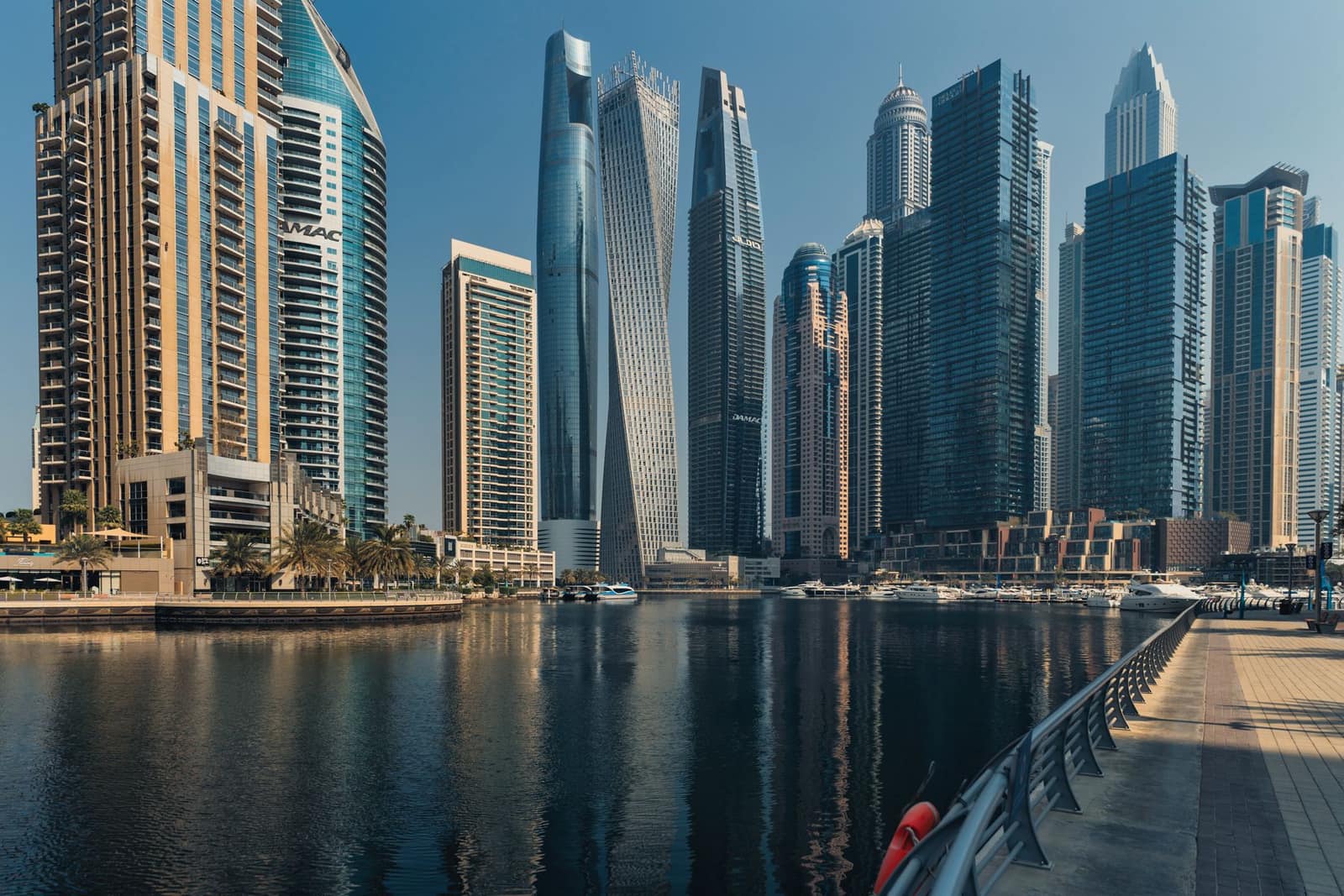 CEPAAEDAbu DhabiUnited Arab EmiratesIndia's biggest Gulf buyer and a re-export hub for the Middle East and Africa. CEPA in force since 2022.From India 2025-26US$ 37.4 bn
 USDWashington, D.C.United States of AmericaIndia's largest single-country export market. Strict FDA rules for food; extra 10% US duty on most goods since July 2026.From India 2025-26US$ 87.3 bn
 EGPCairoEgyptLarge North African market. Every shipment must be pre-registered on Egypt's ACI system before loading.From India 2025-26US$ 3.87 bn
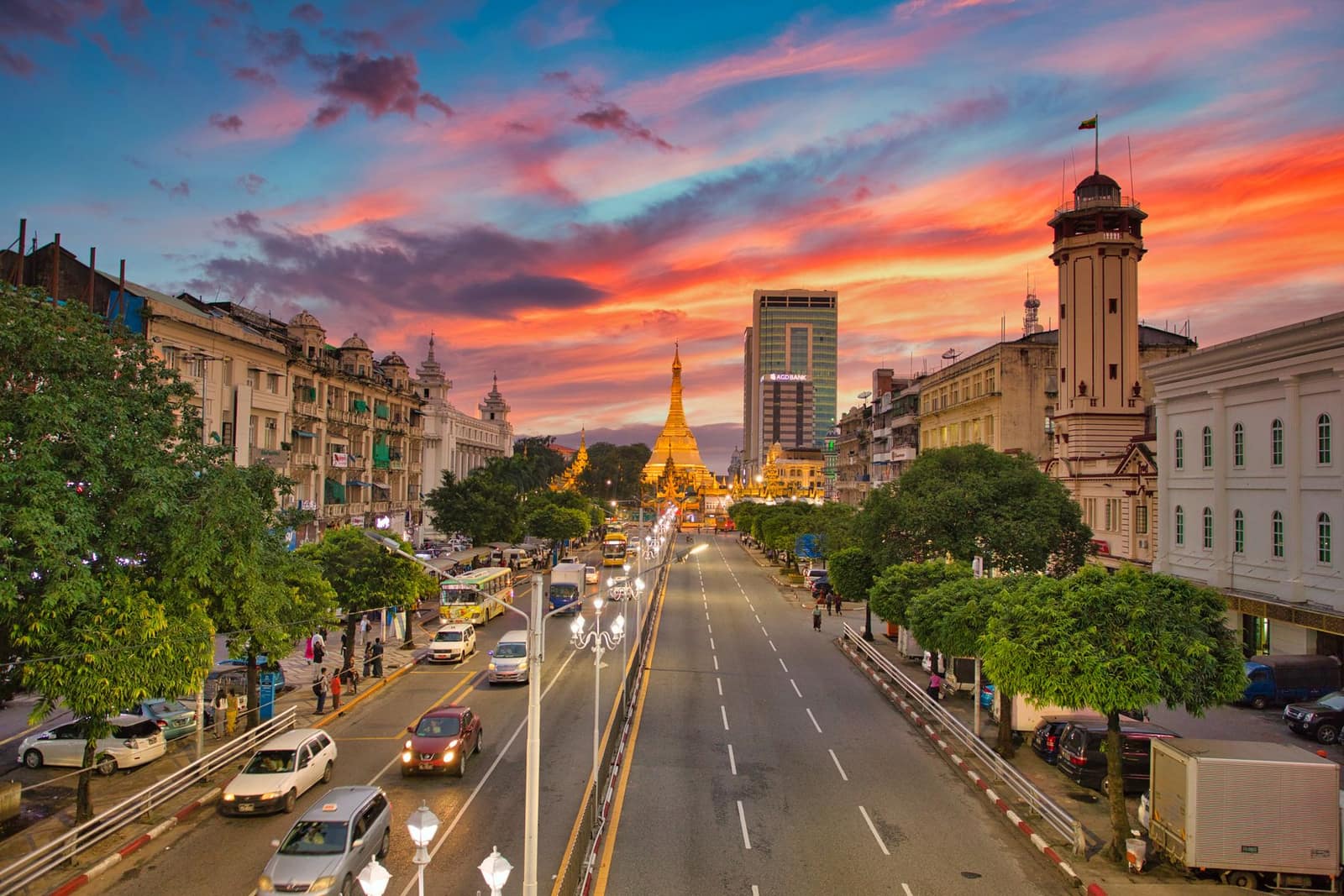 AITIGAMMKNaypyitawMyanmarNeighbour reached by sea and through land borders in Manipur and Mizoram. Buys Indian medicines, sugar and steel; import licences apply.From India 2025-26US$ 808 mn
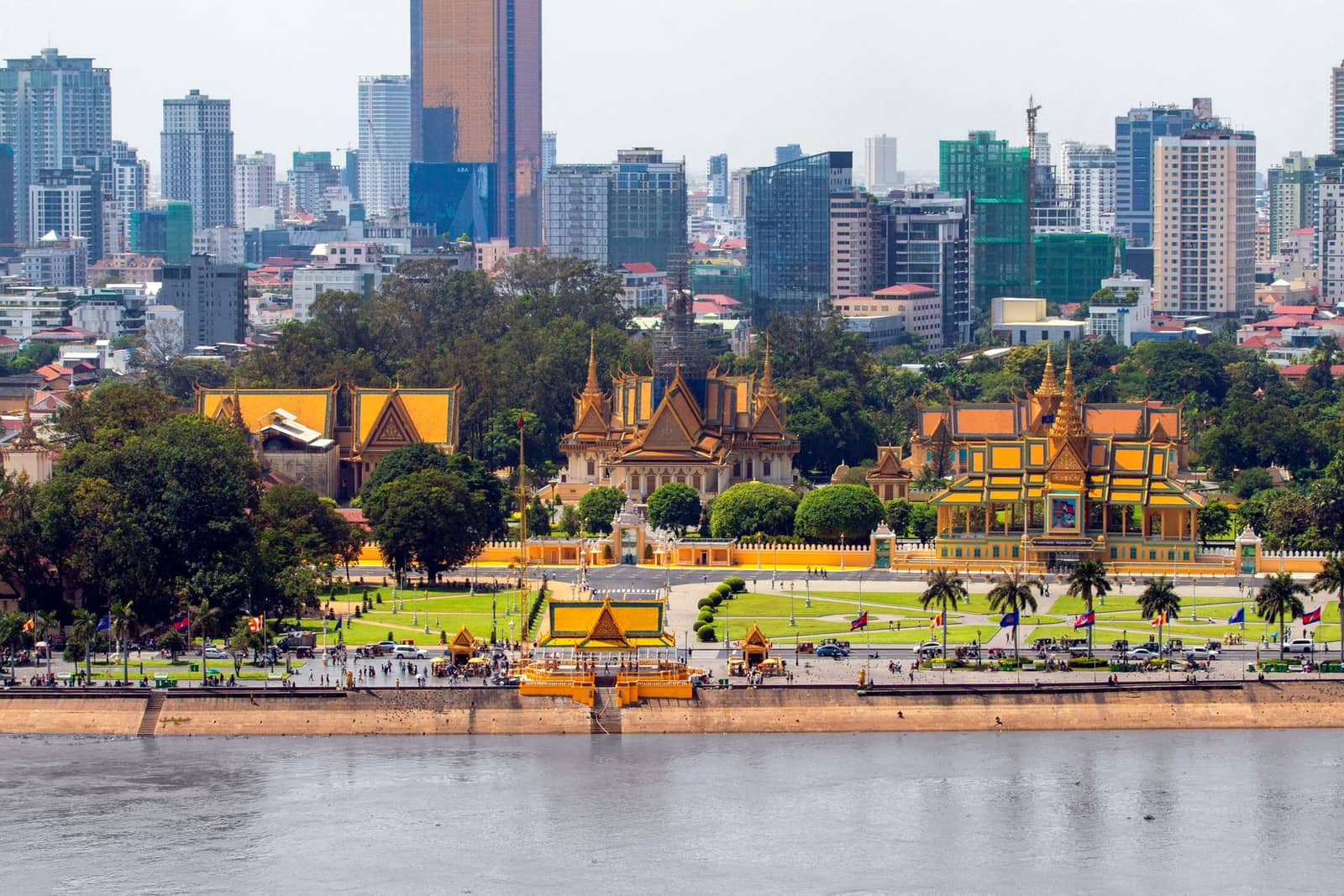 AITIGAKHRPhnom PenhCambodiaSmall, dollar-using market. Buys Indian medicines, vehicles, meat and garment inputs for its clothing factories.From India 2025-26US$ 280 mn
 EURLisbonPortugalAtlantic EU market with links to Portuguese-speaking Africa and Brazil. Buys Indian textiles, chemicals, vehicles and food.From India 2025-26US$ 948 mn
More in textiles & apparel
All products → Free to exportTextiles & apparelCotton yarnBulk cotton yarn sold to weaving and knitting mills abroad; Bangladesh is by far the largest buyer.HS5205Exports 2025-26US$ 3.22 bn ↓4.1%
 Free to exportTextiles & apparelReadymade garmentsKnitted and woven clothing for brands and retailers; the USA, UK, UAE and the EU are the big buyers.HS6109.10Exports 2025-26US$ 15.8 bn ↓1.2%
 Free to exportTextiles & apparelHome textiles (bed, bath and kitchen linen)Bedsheets, towels and kitchen linen for retailers; the USA buys more than half of India's exports.HS6302Exports 2025-26US$ 2.01 bn ↓5.7%
 Free to exportTextiles & apparelHandloom productsHand-woven fabrics, stoles and furnishings; buyers pay for craft, story and certified handloom origin.HS6304Exports 2025-26US$ 1.75 bn ↓8.6%