


Farm produce
Export non-basmati rice
High-volume staple sold mainly to Africa and Bangladesh. Export reopened in 2024–25, but contracts must now be registered with APEDA.
- HS code
- 1006.30 Milled rice other than basmati (1006 30 11, 1006 30 19, 1006 30 91, 1006 30 99); husked rice is 1006 20 00 and broken rice 1006 40 00.
- Export policy
- Free, with conditions Policy has changed many times since 2022. As confirmed: broken rice (1006 40 00) moved from Prohibited to Free on 7 Mar 2025 (DGFT Notification 61/2024-25). Since 24 Sep 2025, non-basmati rice is Free but only after the contract is registered with APEDA (DGFT Notification 33/2025-26). EU/UK/EFTA shipments need an EIC Certificate of Inspection. Policy here can change overnight — confirm on DGFT before signing.
- Registrations
- 5 IEC, GST and those below
- India’s exports, 2025-26
- US$ 5.86 bn to 147 countries
What is exported
Non-basmati covers Sona Masuri, Ponni, IR-64, Kolam, parboiled and other varieties. India exported 15.01 million tonnes worth US$ 5.82 billion in 2025-26. Benin, Bangladesh, Guinea, Togo and Côte d’Ivoire were the top buyers. Margins are thin and prices move with government policy, so this is a volume trade.


Varieties, grades and forms
- IR-64 and Swarna (parboiled)Bulk parboiled rice for West Africa and Bangladesh; sold by broken percentage (5%, 25%).
- Sona MasuriLight, medium-grain rice from the south; popular with South Indian shoppers in the USA and Gulf.
- Ponni and KolamRegional table rices sold in retail packs to diaspora grocers.
- GI aromatic rices (Kalanamak, Gobindobhog, Joha)Small-grain aromatic rices with GI tags; niche premium lots.
- Broken rice (1006 40 00)For feed, brewing and food processing; its own HS line and policy history.
Where it is grown or made
- Andhra Pradesh and TelanganaGodavari and Krishna delta mills; Kakinada port handles much of the bulk rice.
- West BengalBardhaman belt (Gobindobhog GI); mills supplying Bangladesh by land.
- Chhattisgarh and OdishaLarge parboiling mills supplying African buyers.
- Uttar PradeshEastern UP, home of Kalanamak rice (GI).
- Kerala and AssamPalakkadan Matta (Kerala) and Joha rice (Assam) — GI specialities.
The quality buyers ask for
- Moisture
- 15% maximum under the Codex rice standard (CXS 198-1995); buyers often ask for 14% or less
- Broken percentage
- The grade name itself: 5%, 10%, 15% or 25% broken, and 100% broken
- Type and process
- Raw white, parboiled (sella), steam; long-grain (IR 64 type) or short/medium (Sona Masoori, Ponni)
- Defects
- Limits on chalky, damaged, discoloured and red-streaked grains, paddy grains and foreign matter, stated in the contract
- Milling degree and polish
- Well milled, double polished or sortexed, as agreed
- Grade standards
- AGMARK grade rules for rice and the Non-Basmati Aromatic Rice Grading and Marking Rules, 2024 (DMI)
Certificates
- APEDA contract registrationRequiredSince 24 Sep 2025, each non-basmati export contract must be registered with APEDA (DGFT Notification 33/2025-26). Confirm current status on APEDA.
- APEDA RCMCRequiredRegistration with APEDA, issued as an RCMC on the DGFT portal. Since 15 Sep 2026, a consignment up to ₹3 lakh FOB can go without it.
- Phytosanitary certificateRequiredIssued by Plant Quarantine (DPPQS) for each consignment of plant produce, after inspection. Apply on PQMS.
- EIC Certificate of Inspection (Europe)RequiredFor rice to the EU, the UK, Iceland, Liechtenstein, Norway and Switzerland.
- FSSAI licenceRequiredCentral licence from FSSAI for the premises where the food is packed or stored for export. Apply on FoSCoS.
- ISO 22000 / FSSC 22000Often askedFood-safety management system certification. FSSC 22000 is recognised by GFSI, which large retailers and brand owners look for.
- HalalOften askedAsked for by many buyers in the Gulf, Malaysia and Indonesia, especially for processed and animal-origin foods. Use a body the destination recognises.
Shipping, storage and shelf life
A 20-ft container typically carries about 25–26 tonnes in 25 or 50 kg bags. Large African and Asian contracts also go as break-bulk in ships’ holds.
Sea freight. Kakinada and Visakhapatnam handle much bulk rice; Mundra, Kandla and Chennai ship containers.
Dry godown on dunnage; fumigate against weevils; keep away from damp walls. Parboiled rice must be dried properly before bagging.
About a year in good storage; insect attack is the main risk.
What goes on the pack and carton
- Bulk bags and cartons: product and grade, crop year, lot number, net and gross weight, “Product of India”, exporter name and the buyer’s shipping marks, matching the invoice and packing list exactly.
- Gulf countries: Arabic text (Arabic plus English is normal), production and expiry dates, net weight, country of origin and the importer’s details. Confirm the current rules with your importer.
- EU retail packs (Regulation 1169/2011): name of the food, ingredients with allergens highlighted, net quantity, best-before date, storage conditions, the EU importer’s name and address, and origin where required — in the language of the country of sale.
- Lot or batch number on every pack and bag — FSSAI’s Labelling and Display Regulations, 2020 require it, and every importing country uses it to trace and recall.
Use a laboratory on APEDA’s list of recognised laboratories (apeda.gov.in → Quality → Recognised Organisations). For any other test, search the NABL directory (nabl-india.org) for a lab accredited for that test, or use an FSSAI-notified lab. Ask the buyer which lab reports they accept before you send samples.
Benefits of exporting this product
- RoDTEP refund (check the new line)
In Appendix 4R w.e.f. 10 Oct 2024, parboiled rice, other milled rice, husked (brown) rice and broken rice each carried 0.9% of FOB with no cap. Milled-rice lines were renumbered from 1 May 2025 (Notification 10/2025-26); confirm your new 8-digit line on dgft.gov.in.
DGFT — Appendix 4R, RoDTEP schedule for DTA exports w.e.f. 10 Oct 2024 (Notification No. 32, 30 Sep 2024) ↗ - GI aromatic rices
APEDA’s GI catalogue lists Kalanamak (UP), Gobindobhog (West Bengal), Joha (Assam), Palakkadan Matta, Wayanad Jeerakasala and Gandhakasala (Kerala) among registered rice GIs — useful for premium, origin-labelled packs.
APEDA — Catalogue on Agri and Food GI Products (APEDA scheduled) ↗ - APEDA support (Bharat Krishi Niryat Yojana)
APEDA’s financial assistance scheme for 2026-27 to 2030-31 helps registered exporters, FPOs and processors with packhouses, cold chain and treatment plants, lab testing and quality systems, and market development (trade fairs, trial shipments, brand registration, retail listing fees). Read the component conditions before you spend.
APEDA — Bharat Krishi Niryat Yojana 2026-27 to 2030-31, operational guidelines (6 Oct 2026) ↗
Where to register
- APEDARegistration-cum-Membership Certificate (RCMC) for APEDA-scheduled products. Apply on the DGFT portal after you have your IEC.dgft.gov.in ↗
- APEDA (RCAC)Registration of each non-basmati export contract and a Registration-cum-Allocation Certificate (RCAC) before shipment.apeda.gov.in ↗
- Plant Quarantine (DPPQS)Phytosanitary certificate for each consignment of plant produce, applied for online on PQMS. Some markets also need the farm, packhouse or mill to be registered with Plant Quarantine.pqms.cgg.gov.in ↗
Quality and checks
- Indonesia: pre-shipment testing at a laboratory approved by the Indonesian Agriculture Quarantine Agency, and the importer needs a quota-based import permit.
- Russia: pre-shipment quality certificate from an APEDA-authorised laboratory. Iran: pre-shipment inspection.
- Saudi Arabia, USA and China: rice only from SFDA-registered or DPPQS-registered mills respectively.
- Broken percentage, moisture and foreign matter as per contract, checked by a surveyor (often SGS or a similar agency named by the buyer).
Start with Bangladesh or Nepal, where land routes keep lots small. Exports through non-EDI land customs stations on the Bangladesh and Nepal borders need the quantity registered with the DGFT regional office (Kolkata or Patna). Buy from a mill with a clean testing record and take payment by LC. Since 15 September 2026, a consignment worth up to ₹3 lakh FOB does not need an RCMC (DGFT Notification 36/2026-27). Registrations that a law requires for the product still apply.
Where new exporters go wrong
- Signing a long forward contract — a sudden ban, duty or minimum export price can make it impossible to deliver.
- Shipping before the contract is registered with APEDA; the shipping bill will not clear.
- Accepting open-account terms from new West African buyers. Use LC or confirmed advance payment.
Documents this product needs
Schemes that apply
Sources (6)
- APEDA — Non-Basmati Rice profile (exports and destinations 2025-26)
- DGFT Notification 33/2025-26 (24 Sep 2025) — APEDA contract registration for non-basmati rice
- DGFT Notification 61/2024-25 (7 Mar 2025) — broken rice made Free
- DGFT Notification 07/2026-27 (10 Apr 2026) — EIC inspection condition for rice to Europe
- APEDA — Requirements for export of rice
- DGFT Notification 36/2026-27 (15 Sep 2026) — no RCMC needed for consignments up to ₹3 lakh FOB
Trade data
Indian non-basmati rice exports in numbers
From the Department of Commerce’s TradeStat, country by country. US$, Indian financial years (April–March).
- Exports in 2025-26
- US$ 5.86 bn +4% a year on average, 2020-21 to 2025-26
- Change from 2024-25
- ↓ -10.2% US$ 6.53 bn → US$ 5.86 bn
- Buyer countries
- 147
- Average export price
- —
What next: a projection from the trend
The past trend carried forward — not a forecast by any authority. Sudden changes in policy, prices or demand are not in it.
Likely range US$ 4.94 bn to US$ 8.06 bn.
- Trend
- +2.5% a year
- Fit (R²)
- 0.09 — weak, read with care
- Based on
- 6 years of official figures
Method: a straight line through the logarithm of yearly exports (log-linear regression); range = ±1 standard error.
Biggest buyer countries
By value in 2025-26. Change is against 2024-25.
Where demand is rising and falling
Only countries that buy at least US$ 1 million or 1% of India’s exports of this product. Change from 2024-25 to 2025-26.
↑ High demand
- MadagascarUS$ 38.2 mn → US$ 105 mn↑+173.6%
- KenyaUS$ 105 mn → US$ 237 mn↑+124.6%
- United Arab EmiratesUS$ 142 mn → US$ 237 mn↑+67.3%
- BangladeshUS$ 359 mn → US$ 545 mn↑+51.9%
- DjiboutiUS$ 75.8 mn → US$ 113 mn↑+49.4%
- ChinaUS$ 79.4 mn → US$ 104 mn↑+30.8%
- NepalUS$ 182 mn → US$ 217 mn↑+19.5%
- MozambiqueUS$ 132 mn → US$ 149 mn↑+13.2%
↓ Low demand
- IndonesiaUS$ 102 mn → US$ 13.9 mn↓-86.3%
- Sri LankaUS$ 88.1 mn → US$ 33.9 mn↓-61.5%
- Sierra LeoneUS$ 196 mn → US$ 88.7 mn↓-54.7%
- AngolaUS$ 129 mn → US$ 78.4 mn↓-39.4%
- Côte d’IvoireUS$ 520 mn → US$ 316 mn↓-39.2%
- BeninUS$ 1.03 bn → US$ 672 mn↓-34.4%
- GuineaUS$ 536 mn → US$ 388 mn↓-27.7%
- RussiaUS$ 63.3 mn → US$ 45.8 mn↓-27.7%
Which forms sell, and at what price
India’s exports by 8-digit tariff line, 2025-26. Average price = total value ÷ total quantity (TradeStat): the average of every shipment on that line, not the price of any one deal.
| Tariff line | Value 2025-26 | Change | Quantity | Average price |
|---|---|---|---|---|
Cereals, rice, semi-milled or wholly milled, whether or not polished or glazed — parboiled other1006 30 19 | US$ 3.55 bn | — | 9.06 mn tonnes | US$ 0.39 per kg |
Others-of-semi/wholly miled rice whether or not polished/glazed1006 30 99 · Cereals, rice, semi-milled or wholly milled, whether or not polished or glazed | US$ 1.65 bn | — | 4.18 mn tonnes | US$ 0.39 per kg |
Cereals, rice, broken — broken rice1006 40 00 | US$ 370 mn | ↑+16.5% | 1.16 mn tonnes | US$ 0.32 per kgwas US$ 0.40 |
Cereals, rice in the husk — other rice in husk1006 10 90 | US$ 125 mn | ↓-3.4% | 4,85,343 tonnes | US$ 0.26 per kgwas US$ 0.26 |
Cereals, rice in the husk — rice in husk of seed qlty1006 10 10 | US$ 57.8 mn | ↑+98.3% | 21,386 tonnes | US$ 2.70 per kgwas US$ 2.63 |
Parboiled rice , gi recognised1006 30 11 · Cereals, rice, semi-milled or wholly milled, whether or not polished or glazed | US$ 49.3 mn | — | 67,026 tonnes | US$ 0.74 per kg |
Cereals, rice, semi-milled or wholly milled, whether or not polished or glazed — rice, gi recognised1006 30 91 | US$ 47.3 mn | — | 51,403 tonnes | US$ 0.92 per kg |
Cereals, husked rice — husked (brown) rice1006 20 00 | US$ 10.6 mn | ↓-91% | 20,724 tonnes | US$ 0.51 per kgwas US$ 0.45 |
Cereals, rice, semi-milled or wholly milled, whether or not polished or glazed — rice parboiled1006 30 10 | US$ 0 | ↓-100% | — | — |
Rice excptg parboiled (excluding basmati rice)1006 30 90 · Cereals, rice, semi-milled or wholly milled, whether or not polished or glazed | US$ 0 | ↓-100% | — | — |
The world market
Each country’s own recorded exports and imports in UN Comtrade, 2023 (the latest year nearly every country has reported).
- World imports
- US$ 31.2 bn 2023
- India among exporters
- #1 of 146 countries
- India’s share of world exports
- 31% US$ 10.5 bn
- Left for others to win
- US$ 23.2 bn exported by other countries
Top exporters — your competitors
- 1IndiaUS$ 10.5 bn 31%
- 2ThailandUS$ 5.15 bn 15.3%
- 3Viet NamUS$ 4.37 bn 13%
- 4PakistanUS$ 2.86 bn 8.5%
- 5USAUS$ 2.02 bn 6%
- 6ChinaUS$ 984 mn 2.9%
- 7ItalyUS$ 947 mn 2.8%
- 8CambodiaUS$ 815 mn 2.4%
- 9MyanmarUS$ 744 mn 2.2%
- 10BrazilUS$ 621 mn 1.8%
Biggest buyers in the world
- 1IndonesiaUS$ 1.79 bn 5.7%
- 2Saudi ArabiaUS$ 1.68 bn 5.4%
- 3PhilippinesUS$ 1.64 bn 5.2%
- 4USAUS$ 1.42 bn 4.6%
- 5ChinaUS$ 1.41 bn 4.5%
- 6IranUS$ 1.38 bn 4.4%
- 7Viet NamUS$ 888 mn 2.8%
- 8MalaysiaUS$ 819 mn 2.6%
- 9United KingdomUS$ 750 mn 2.4%
- 10JapanUS$ 744 mn 2.4%
Opportunity: what these countries buy from the world, and from India
Each country’s own recorded imports in UN Comtrade, latest year it has reported. The long light part of each bar is demand other countries are filling today.
All rice (HS 1006) minus basmati lines. TradeStat’s 2023-24 quantities are double-counted, so that year is left out of the price. Sources: TradeStat — Export Import Data Bank, Department of Commerce · UN Comtrade database (United Nations Statistics Division) · Figures taken 29 October 2026.
Step by step
How to export non-basmati rice
APEDA describes India as a key player in world rice, and India ships more non-basmati rice than any single rival; Thailand, Vietnam, Pakistan and the USA are the other big origins. Price decides most deals, so the trade moves fast when India changes its export rules. Buyers are governments and large importers in Africa and Asia who need a staple at a steady price, plus ethnic grocery packers. Openings for small exporters lie in speciality rice — Sona Masoori, Ponni, GI rices, red and black rice — and in parboiled rice for West Africa.
- 01Check the current policy
Rice rules have changed often since 2022. Read the latest DGFT notifications on APEDA’s page before quoting a price.
- 02Fix the variety and broken grade
Agree variety, raw or parboiled, broken percentage, moisture, polish and bag type with the buyer, against a sealed sample.
- 03Register the contract
Register the contract with APEDA as the current notification requires, before shipment.
- 04Buy from a sortexed mill
Contract a mill with colour sorters and grading; check its FSSAI licence and, for the USA or China, its DPPQS registration.
- 05Pre-shipment inspection
Most buyers appoint a surveyor to check quality and weight at loading; Europe also needs EIC inspection.
- 06Fumigate, ship and certify
Fumigate, stuff, file the shipping bill, and collect the phytosanitary, fumigation and origin certificates.
- 07Get paid and close the file
Send the original documents through your bank (or to the buyer if paid in advance). Once the money arrives, get the e-BRC and claim RoDTEP and drawback where they apply.
Questions
Questions about exporting non-basmati rice
Is non-basmati rice free to export now?
What does “IR 64, 5% broken” mean?
Which markets suit a small exporter?
Why is my parboiled rice turning yellow or smelly?
Do I need EIC inspection for Africa?
Sources (6)
- APEDA — Non-Basmati Rice profile
- DGFT Notification 33/2025-26 (24 Sep 2025) — APEDA contract registration for non-basmati rice
- DGFT Notification 07/2026-27 (10 Apr 2026) — EIC inspection for rice to Europe
- Codex Alimentarius — list of standards
- Directorate of Marketing & Inspection — AGMARK grade standards (commodity-wise rules)
- APEDA — Recognised organisations (list of recognised laboratories, FSMS bodies)
Who buys Indian non-basmati rice
All countries →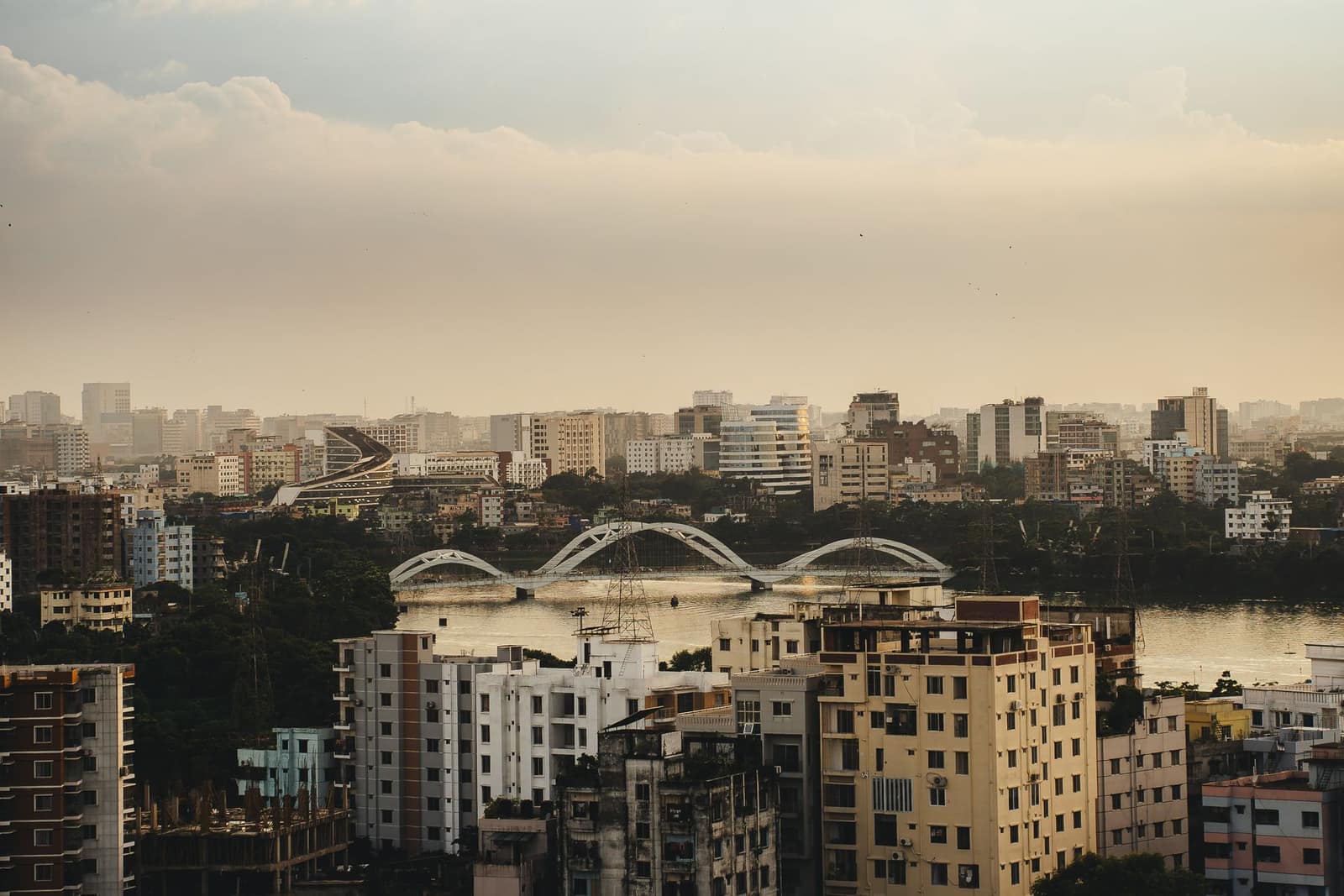 SAFTABDTDhakaBangladeshBig neighbour market for cotton, yarn, food and machinery. Mostly LC-based; land and sea routes.From India 2025-26US$ 10.6 bn
 CEPAAEDAbu DhabiUnited Arab EmiratesIndia's biggest Gulf buyer and a re-export hub for the Middle East and Africa. CEPA in force since 2022.From India 2025-26US$ 37.4 bn
 SAFTANPRKathmanduNepalOpen land border, rupee payments and a market that relies on Indian goods — an easy first market by road.From India 2025-26US$ 7.45 bn
 ISFTALKRSri Jayawardenepura Kotte (Colombo is the commercial capital)Sri LankaClose island market with India's oldest FTA. Buys food, medicines, vehicles, yarn and building materials.From India 2025-26US$ 5.52 bn
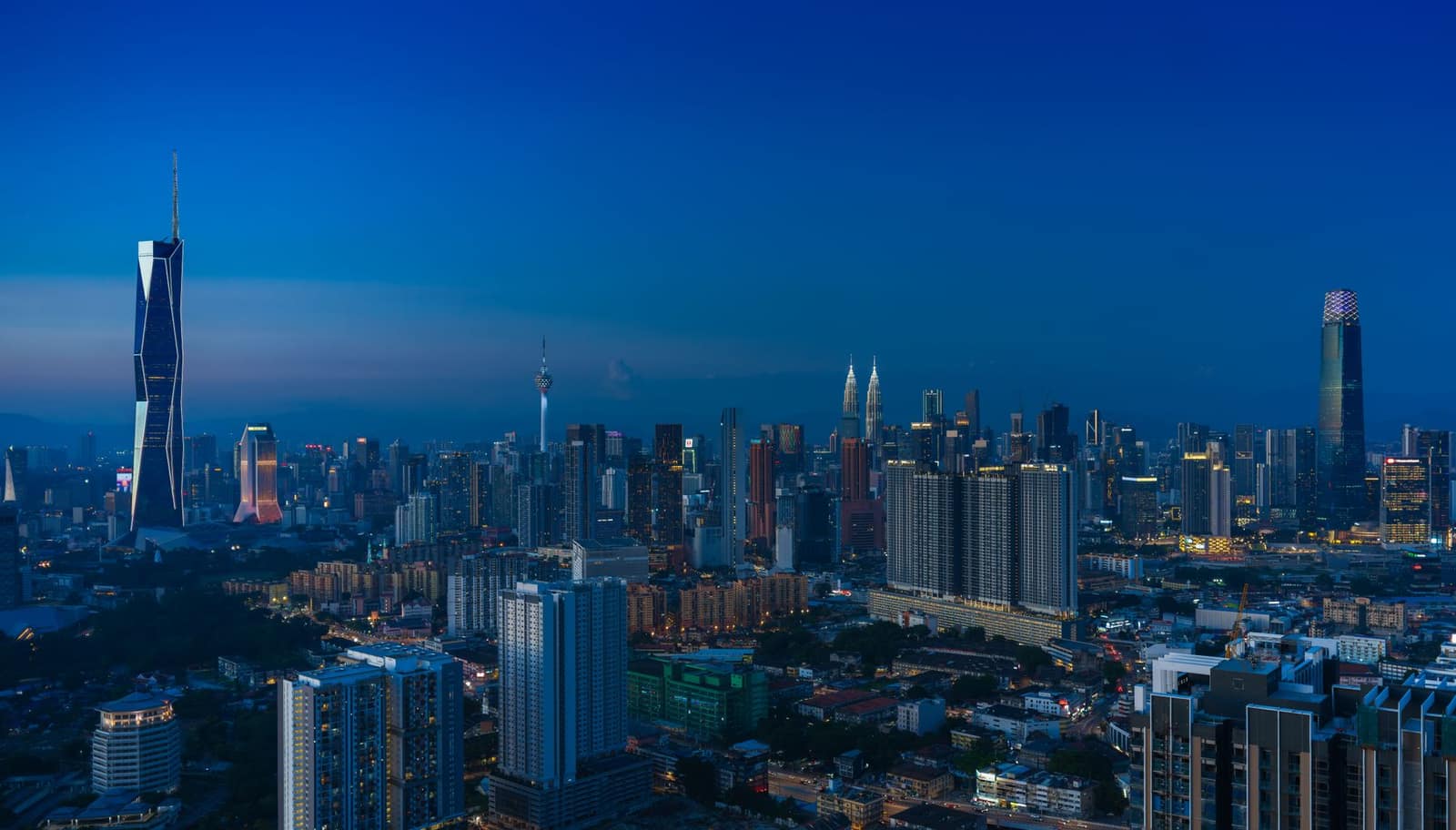 CECAMYRKuala LumpurMalaysiaMulti-ethnic market with a large Indian-origin community. Halal expectations for food; CECA and AITIGA both apply.From India 2025-26US$ 6.83 bn
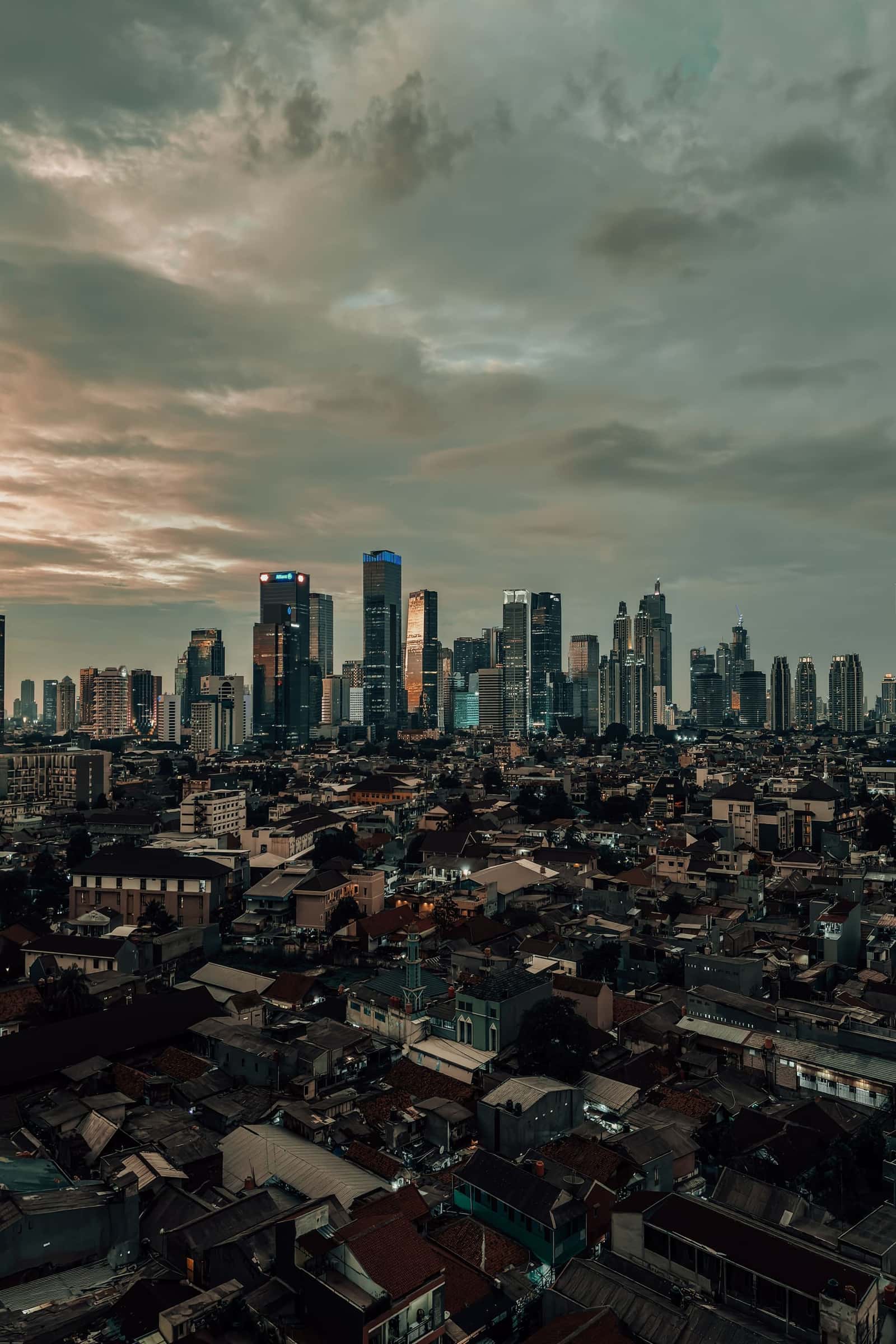 AITIGAIDRJakartaIndonesiaWorld's fourth most populous country. Buys Indian vehicles, steel, chemicals, groundnuts and meat; halal and BPOM rules for food.From India 2025-26US$ 4.49 bn
 KESNairobiKenyaEast Africa's trade gateway via Mombasa. Buys medicines, vehicles, steel and rice; KEBS pre-shipment checks apply.From India 2025-26US$ 4.02 bn
 ZARPretoria (executive capital)South AfricaAfrica's most industrial economy. Buys vehicles, medicines, rice and chemicals; NRCS approval for regulated goods.From India 2025-26US$ 7.01 bn
More in farm produce
All products → Free, with conditionsFarm produceBasmati riceIndia’s top agri export by value. Free to export, but every contract must be registered with APEDA first.HS1006.30Exports 2025-26US$ 5.67 bn ↓4.6%
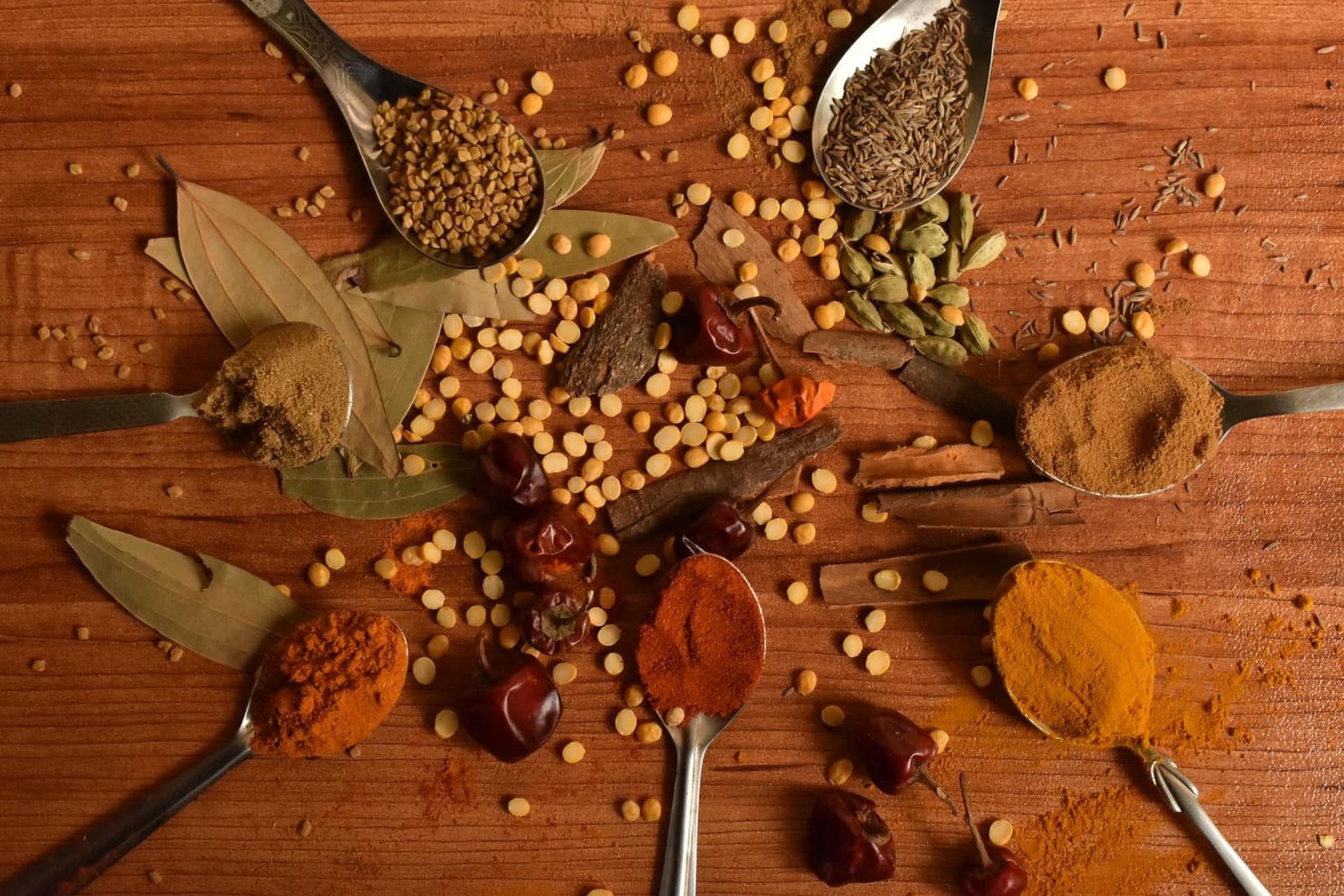 Free to exportFarm produceSpicesWhole, ground and blended spices. Spices Board registration (CRES) is compulsory; residue and ethylene oxide tests keep buyers.HS0904–0910Exports 2025-26US$ 3.12 bn ↓5.1%
 Free to exportFarm produceChilliIndia’s largest spice export by volume. Dried red chilli goes to China, Thailand and Bangladesh; aflatoxin is the key test.HS0904.21Exports 2025-26US$ 1.1 bn ↓12.9%
 Free to exportFarm produceTurmericFingers and powder for food and health markets. Lead, residues and Salmonella are the main test points.HS0910.30Exports 2025-26US$ 327 mn ↓4.2%