


Textiles & apparel
Export cotton yarn
Bulk cotton yarn sold to weaving and knitting mills abroad; Bangladesh is by far the largest buyer.
- HS code
- 5205 Cotton yarn with 85% or more cotton by weight, not put up for retail sale (spun yarn in cones for weaving and knitting mills).
- Export policy
- Free to export Free to export under ITC(HS) Schedule 2. Confirm the exact 8-digit line on the DGFT ITC(HS) search before shipping.
- Registrations
- 3 IEC, GST and those below
- India’s exports, 2025-26
- US$ 3.22 bn to 97 countries
What is exported
India exports combed and carded cotton yarn, mostly in counts used by garment and fabric mills. It is a mill-to-mill trade: buyers order by count, twist and quality parameters, often container by container. In 2025-26 India exported about US$ 3.2 billion of HS 5205 yarn; Bangladesh took the largest share, followed by China, Egypt, Peru and Vietnam (Commerce Department data).


Varieties, grades and forms
- Carded yarn, coarse and medium counts (Ne 10s–30s)The bulk of the trade; used for denim, towels and basic knits. Bangladesh and China buy it by the container.
- Combed yarn (Ne 30s–60s)Smoother and stronger; used for knitted T-shirts and shirting. Fetches a higher price per kg.
- Compact and fine counts (Ne 60s and above)Made on compact spinning for premium shirting and fine fabrics; fewer mills, tighter quality checks.
- Open-end (rotor) yarnLow counts spun from comber noil and waste; used for denim, towels and industrial fabrics.
- Grey, dyed and core-spun (with elastane) yarnMost exports are grey (undyed). Dyed and core-spun stretch yarn are smaller niches with their own drawback lines.
Where it is grown or made
- Tamil NaduCoimbatore, Tiruppur, Dindigul, Virudhunagar (Rajapalayam) — the largest spinning belt
- GujaratAhmedabad and the Saurashtra spinning mills near the cotton fields
- PunjabLudhiana and Bathinda
- Andhra Pradesh and TelanganaGuntur and the mills around Hyderabad
- Maharashtra and Madhya PradeshMills in the Vidarbha and Malwa cotton belts
The quality buyers ask for
- Count
- English count (Ne) with a tolerance agreed in the contract; tested by the skein method (ASTM D1907 or ISO 7211-5)
- Strength
- CSP (count-strength product, skein test ASTM D1578) or single-yarn tenacity in RKM / cN per tex (ISO 2062)
- Evenness and imperfections
- U% or CV% with thin places, thick places and neps per kilometre, usually benchmarked against Uster Statistics levels the buyer names
- Twist and hairiness
- Twists per inch (TPI) for weaving or knitting use; hairiness index
- Type and process
- Carded, combed, compact or open-end; ring-spun or rotor; grey, dyed or core-spun
- Contamination
- Limit on foreign fibres and polypropylene contamination, as written in the buyer's specification
- Package
- Cone weight and winding (paper cones, splice-free or with air splices)
Certificates
- Mill test reportRequiredLab report for each lot showing count, CSP/RKM and evenness. Every buyer asks for it.
- OEKO-TEX STANDARD 100Often askedIndependent test that the yarn is free of listed harmful substances. Asked for by brands' supply chains.
- GOTS / OCS (organic)Often askedFor organic cotton yarn: Global Organic Textile Standard or the Organic Content Standard, with transaction certificates per shipment.
- Better Cotton / Kasturi Cotton BharatOften askedProgrammes that trace cotton from farm to yarn; Kasturi Cotton Bharat is the Indian brand promoted by the Ministry of Textiles and TEXPROCIL.
- ISO 9001Often askedQuality management system for the mill. Large buyers prefer certified mills.
- Cotton origin proof (for US-bound goods)Often askedDocuments tracing the cotton to its farm or ginning region, so the buyer's garments are not held under the US Uyghur Forced Labor Prevention Act.
Shipping, storage and shelf life
Sea freight in full containers. A 20-ft container has about 33 cubic metres of space and a 40-ft about 67; yarn fills the space before it reaches the weight limit, so many shippers use 40-ft or 40-ft high-cube boxes for long routes. Ask the line for its payload limit.
Sea for overseas buyers; road through land ports for Bangladesh and Nepal where allowed.
Keep cartons dry and off the floor. Cotton absorbs moisture; too much raises weight claims and mildew, too little makes yarn brittle.
What goes on the pack and carton
- Each carton or bag: count, type (carded/combed), lot number, net and gross weight, number of cones, mill name and 'Made in India'.
- Shipping marks matching the invoice and packing list (buyer name, port, carton number).
- Organic or certified yarn: the certification scope number and label as the standard requires.
Test yarn at textile research associations that work with mills: SITRA (Coimbatore), NITRA (Ghaziabad), BTRA (Mumbai) and ATIRA (Ahmedabad), or at any NABL-accredited textile lab (search the NABL directory by 'textiles' and your city). The Textiles Committee of the Ministry of Textiles also runs testing labs. Use the same lab for every lot so results stay comparable.
Benefits of exporting this product
- RoDTEP: 3.4% of FOB
Tariff item 5205 23 10 (grey cotton yarn, 85% or more cotton) earns 3.4% of FOB value, capped at ₹10 per kg, as a duty credit scrip on ICEGATE. All HS 5205 lines carry the same 3.4% rate and ₹10/kg cap. These rates continue to 31 Dec 2026 (DGFT Notification 41/2026-27). Confirm your exact 8-digit line on the DGFT RoDTEP page before you price an order.
DGFT — Appendix 4R, RoDTEP schedule for DTA exports w.e.f. 10.10.2024 (Notification 32/2024-25); rates continued to 31.12.2026 by Notification 41/2026-27 ↗ - Duty drawback: 2.0% of FOB
Drawback item 520501 (grey cotton yarn below 50 counts) has an All Industry Rate of 2.0% of FOB, capped at ₹9.4 per kg, paid into your bank account. It is not available on exports under Advance Authorisation or from EOU/SEZ units. Dyed yarn below 50 counts (520504) gets 2.3%, capped at ₹15.2/kg. Check the current schedule on the CBIC drawback page before shipping.
Gazette of India — Notification 77/2023-Customs (N.T.) dated 20.10.2023: All Industry Rates of duty drawback, in force from 30.10.2023 ↗ - Zero duty into the UK (CETA)
The India-UK CETA came into force on 15 July 2026 and gives zero-duty access to nearly 99% of India's exports; the Commerce Ministry named textiles among the sectors that gain. Claim it with a CETA certificate of origin and check the line for your code on the UK Trade Tariff.
PIB — India-UK CETA enters into force (15 Jul 2026): zero-duty access for nearly 99% of India's exports ↗
Where to register
- TEXPROCIL (Cotton Textiles Export Promotion Council)RCMC for cotton yarn, fabrics and cotton made-ups. Needed to claim export benefits and to join council trade fairs.texprocil.org ↗
Quality and checks
- A mill test report for each lot: count, count variation (CV%), strength (CSP or RKM), unevenness and hairiness. Buyers compare it with their own lab tests.
- Pre-shipment inspection by an agency the buyer names, if the contract asks for it.
- Cotton origin proof for buyers who sell into the USA: US Customs can hold goods suspected of containing cotton from Xinjiang under the Uyghur Forced Labor Prevention Act.
A trader without a mill can start as a merchant exporter: tie up with one spinning mill, take its test reports, and offer one or two counts to a buyer in Bangladesh or Sri Lanka, where a sight letter of credit is common. Get a TEXPROCIL RCMC, ship one container against an LC, and repeat with the same buyer before adding counts.
Where new exporters go wrong
- Quality claims after arrival: the buyer's test shows a weaker count or higher CV% than your report. Keep retained samples of every lot and agree in the contract which lab decides a dispute.
- Raw cotton prices move fast. Quoting a fixed price for months ahead without a price clause can wipe out the margin.
- Neighbouring-country import rules (land ports, documents) change at short notice. Check TEXPROCIL circulars before you book a truck or container to Bangladesh.
Documents this product needs
Schemes that apply
Sources (6)
- Department of Commerce, Export Import Data Bank — India's exports of HS 5205 by country, 2025-26
- DGFT — Appendix 2T: Export Promotion Councils and the products under each
- DGFT — ITC(HS) export policy search (Schedule 2)
- DGFT — RoDTEP scheme page and Appendix 4R rates
- US Customs and Border Protection — Uyghur Forced Labor Prevention Act
- TEXPROCIL — official site
Trade data
Indian cotton yarn exports in numbers
From the Department of Commerce’s TradeStat, country by country. US$, Indian financial years (April–March).
- Exports in 2025-26
- US$ 3.22 bn +3.5% a year on average, 2020-21 to 2025-26
- Change from 2024-25
- ↓ -4.1% US$ 3.35 bn → US$ 3.22 bn
- Buyer countries
- 97
- Average export price
- US$ 2.88 per kg · 1.12 mn tonnes shipped · US$ 3.11 the year before
The price cycle
India’s average export price per kg each year (total value ÷ total quantity). Highest in 2022-23, lowest in 2020-21 — a 53% swing between them. Keep this swing in mind when you quote.
What next: a projection from the trend
The past trend carried forward — not a forecast by any authority. Sudden changes in policy, prices or demand are not in it.
Likely range US$ 2.14 bn to US$ 5.06 bn.
- Trend
- -0.4% a year
- Fit (R²)
- 0 — weak, read with care
- Based on
- 6 years of official figures
Method: a straight line through the logarithm of yearly exports (log-linear regression); range = ±1 standard error.
Biggest buyer countries
By value in 2025-26. Change is against 2024-25.
Where demand is rising and falling
Only countries that buy at least US$ 1 million or 1% of India’s exports of this product. Change from 2024-25 to 2025-26.
↑ High demand
↓ Low demand
- MauritiusUS$ 40.3 mn → US$ 20.8 mn↓-48.4%
- ThailandUS$ 36.5 mn → US$ 25.9 mn↓-29.1%
- ItalyUS$ 64 mn → US$ 47.9 mn↓-25.1%
- TürkiyeUS$ 51 mn → US$ 38.9 mn↓-23.8%
- VietnamUS$ 157 mn → US$ 123 mn↓-21.2%
- ColombiaUS$ 78.6 mn → US$ 64.9 mn↓-17.4%
- BangladeshUS$ 1.68 bn → US$ 1.39 bn↓-17.1%
- Sri LankaUS$ 74 mn → US$ 63.3 mn↓-14.5%
Which forms sell, and at what price
India’s exports by 8-digit tariff line, 2025-26. Average price = total value ÷ total quantity (TradeStat): the average of every shipment on that line, not the price of any one deal.
| Tariff line | Value 2025-26 | Change | Quantity | Average price |
|---|---|---|---|---|
Cotton yarn,, single, of combed fibres, 85% or more by weight of cotton, less than 232.56 but not less than… — grey5205 23 10 | US$ 949 mn | ↓-10.1% | 3,38,857 tonnes | US$ 2.80 per kgwas US$ 3.02 |
Cotton yarn,, single, of combed fibres, 85% or more by weight of cotton, less than 192.31 but not less than… — grey24015205 24 10 | US$ 613 mn | ↑+2.1% | 2,01,213 tonnes | US$ 3.05 per kgwas US$ 3.31 |
Cotton yarn,, single, of combed fibres, 85% or more by weight of cotton, less than 714.29 but not less than… — grey5205 22 10 | US$ 452 mn | ↓-2.8% | 1,70,050 tonnes | US$ 2.66 per kgwas US$ 2.88 |
Cotton yarn,, single, of uncombed fibres, 85% or more by weight of cotton, less than 714.29 but not less… — grey5205 12 10 | US$ 339 mn | ↑+10.7% | 1,52,171 tonnes | US$ 2.23 per kgwas US$ 2.37 |
Cotton yarn,, single, of uncombed fibres, 85% or more by weight of cotton, less than 232.56 but not less… — grey5205 13 10 | US$ 124 mn | ↓-19.5% | 44,951 tonnes | US$ 2.76 per kgwas US$ 2.81 |
Cotton yarn,, multiple or cabled, of uncombed fibres, 85% or more by weight of cotton, 714.28 to 232.56… — grey5205 32 10 | US$ 95.3 mn | ↑+6.8% | 36,203 tonnes | US$ 2.63 per kgwas US$ 2.83 |
Cotton yarn,, single, of uncombed fibres, 85% or more by weight of cotton, less than 192.31 but not less… — grey5205 14 10 | US$ 80.5 mn | ↑+66.7% | 27,870 tonnes | US$ 2.89 per kgwas US$ 3.08 |
Cotton yarn,, single, of combed fibres, 85% or more by weight of cotton, less than 106.38 but not less than… — other5205 27 90 | US$ 71.5 mn | ↓-12.1% | 13,991 tonnes | US$ 5.11 per kgwas US$ 5.25 |
Cotton yarn,, multiple or cabled, of combed fibres, 85% or more by weight of cotton, 192.30 to 125 decitex… — grey5205 44 10 | US$ 57.2 mn | ↑+7.5% | 16,092 tonnes | US$ 3.56 per kgwas US$ 3.77 |
Others-of-sngl yrn of combd fbrs msrng betwn 106.38 and 125.00 dctx and 80 to 94 mtrc no.5205 26 90 · Cotton yarn,, single, of combed fibres, 85% or more by weight of cotton, less than 125 but not less than… | US$ 55 mn | ↓-9.2% | 14,840 tonnes | US$ 3.70 per kgwas US$ 3.92 |
Cotton yarn,, multiple or cabled, of combed fibres, 85% or more by weight of cotton, less than 83.33… — grey5205 48 10 | US$ 47.4 mn | ↓-11.1% | 4,529 tonnes | US$ 10.45 per kgwas US$ 10.97 |
Cotton yarn,, single, of combed fibres, 85% or more by weight of cotton, measuring less than 83.33 decitex… — other5205 28 90 | US$ 47.1 mn | ↑+2% | 9,539 tonnes | US$ 4.94 per kgwas US$ 5.40 |
Cotton yarn,, single, of uncombed fibres, 85% or more by weight of cotton, measuring 714.29 decitex or… — grey5205 11 10 | US$ 34.5 mn | ↓-37.2% | 18,636 tonnes | US$ 1.85 per kgwas US$ 2.08 |
Cotton yarn,, multiple or cabled, of combed fibres, 85% or more by weight of cotton, 714.28 to 232.56… — grey5205 42 10 | US$ 29.9 mn | ↓-13% | 9,293 tonnes | US$ 3.21 per kgwas US$ 3.49 |
The world market
Each country’s own recorded exports and imports in UN Comtrade, 2023 (the latest year nearly every country has reported).
- World imports
- US$ 8.7 bn 2023
- India among exporters
- #1 of 103 countries
- India’s share of world exports
- 29.7% US$ 3.5 bn
- Left for others to win
- US$ 8.29 bn exported by other countries
Top exporters — your competitors
- 1IndiaUS$ 3.5 bn 29.7%
- 2Viet NamUS$ 2.24 bn 19%
- 3UzbekistanUS$ 1.43 bn 12.1%
- 4PakistanUS$ 1.03 bn 8.7%
- 5USAUS$ 917 mn 7.8%
- 6ChinaUS$ 611 mn 5.2%
- 7TürkiyeUS$ 451 mn 3.8%
- 8IndonesiaUS$ 268 mn 2.3%
- 9MalaysiaUS$ 202 mn 1.7%
- 10ItalyUS$ 169 mn 1.4%
Biggest buyers in the world
- 1ChinaUS$ 4.07 bn 46.7%
- 2TürkiyeUS$ 638 mn 7.3%
- 3PortugalUS$ 308 mn 3.5%
- 4ItalyUS$ 305 mn 3.5%
- 5Rep. of KoreaUS$ 279 mn 3.2%
- 6EgyptUS$ 235 mn 2.7%
- 7Viet NamUS$ 218 mn 2.5%
- 8JapanUS$ 165 mn 1.9%
- 9PeruUS$ 155 mn 1.8%
- 10GermanyUS$ 150 mn 1.7%
Opportunity: what these countries buy from the world, and from India
Each country’s own recorded imports in UN Comtrade, latest year it has reported. The long light part of each bar is demand other countries are filling today.
TradeStat’s 2023-24 quantities are double-counted, so that year is left out of the price. Sources: TradeStat — Export Import Data Bank, Department of Commerce · UN Comtrade database (United Nations Statistics Division) · Figures taken 29 October 2026.
Step by step
How to export cotton yarn
India is one of the world's largest cotton growers and spinners, and one of the biggest exporters of cotton yarn. Its main rivals in the yarn trade are Pakistan, Vietnam, Uzbekistan and China, which is also a large buyer. Demand comes from garment and fabric mills in countries that weave and knit but do not spin enough yarn themselves, above all Bangladesh. Prices follow raw cotton closely, so the trade is cyclical. Openings for a small exporter lie in steady supply of a few counts to mid-sized mills in South Asia, and in traceable and organic yarn for brands that must prove where their cotton came from.
- 01Pick counts and a mill
Choose one or two counts you can supply every month. Agree price, test parameters and lead time with a spinning mill, or use your own mill.
- 02Send samples and test report
Courier sample cones with the mill test report. The buyer tests them in its own lab and approves a standard.
- 03Sign the contract
Write count tolerance, CSP or RKM minimum, CV% limit, packing, Incoterm, payment (often a sight LC) and which lab settles disputes.
- 04Produce and test each lot
Spin the lot, test it, keep retained samples, and arrange pre-shipment inspection if the buyer asks.
- 05Pack, book and clear customs
Pack by lot, book the container, file the shipping bill under the right HS 5205 line and claim RoDTEP and drawback in it.
- 06Present documents under the LC
Submit invoice, packing list, bill of lading, certificate of origin and test report to your bank exactly as the LC states.
- 07Collect payment and close the file
Get paid, receive the e-BRC, and keep lot samples until the buyer has used the yarn without complaint.
Meet buyers
Trade fairs
- Next: 31 March–3 April 2027Bharat TexNew Delhi, Indiabharat-tex.com ↗
- Twice a year (winter and summer editions) — check datesTexworld Evolution ParisParis, Francetexworld-paris.fr.messefrankfurt.com ↗
- January (next: 12–15 January 2027) — check datesHeimtextilFrankfurt, Germanyheimtextil.messefrankfurt.com ↗
Questions
Questions about exporting cotton yarn
What is CSP and why do buyers ask for it?
Can I export yarn without owning a mill?
Is OEKO-TEX compulsory for yarn?
How do I avoid weight claims?
Which payment term is usual?
Who buys Indian cotton yarn
All countries →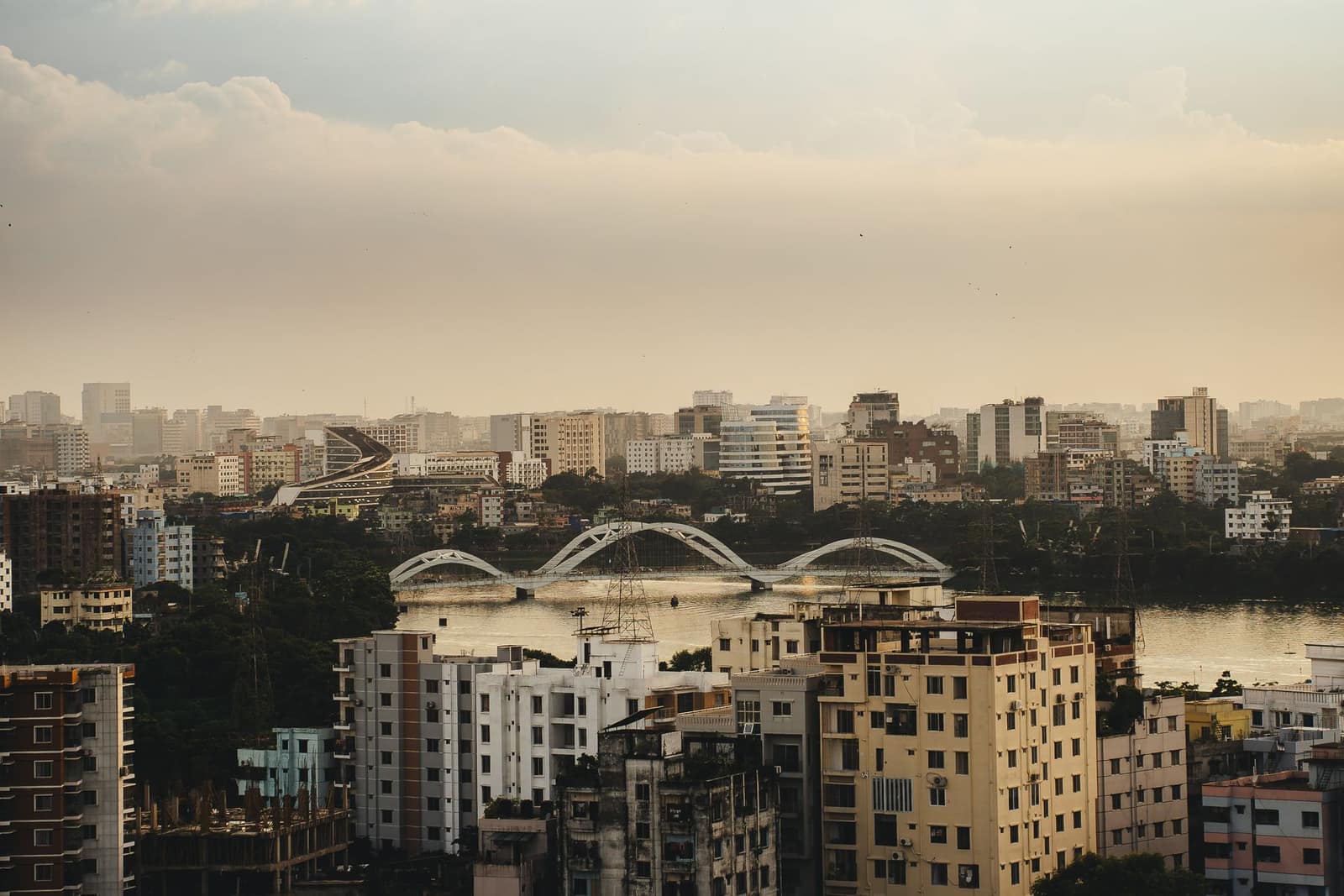 SAFTABDTDhakaBangladeshBig neighbour market for cotton, yarn, food and machinery. Mostly LC-based; land and sea routes.From India 2025-26US$ 10.6 bn
 APTACNYBeijingChinaHuge market, but mostly for raw materials. Food plants must be registered with GACC; fresh produce needs a protocol.From India 2025-26US$ 19.5 bn
 EGPCairoEgyptLarge North African market. Every shipment must be pre-registered on Egypt's ACI system before loading.From India 2025-26US$ 3.87 bn
 AITIGAVNDHanoiVietnamFast-growing manufacturing economy buying raw materials, yarn, steel, chemicals and feed ingredients from India.From India 2025-26US$ 6.67 bn
 CEPAKRWSeoulSouth KoreaIndustrial buyer of Indian naphtha, metals, chemicals and yarn. Food plants must register with MFDS first.From India 2025-26US$ 6.01 bn
 ISFTALKRSri Jayawardenepura Kotte (Colombo is the commercial capital)Sri LankaClose island market with India's oldest FTA. Buys food, medicines, vehicles, yarn and building materials.From India 2025-26US$ 5.52 bn
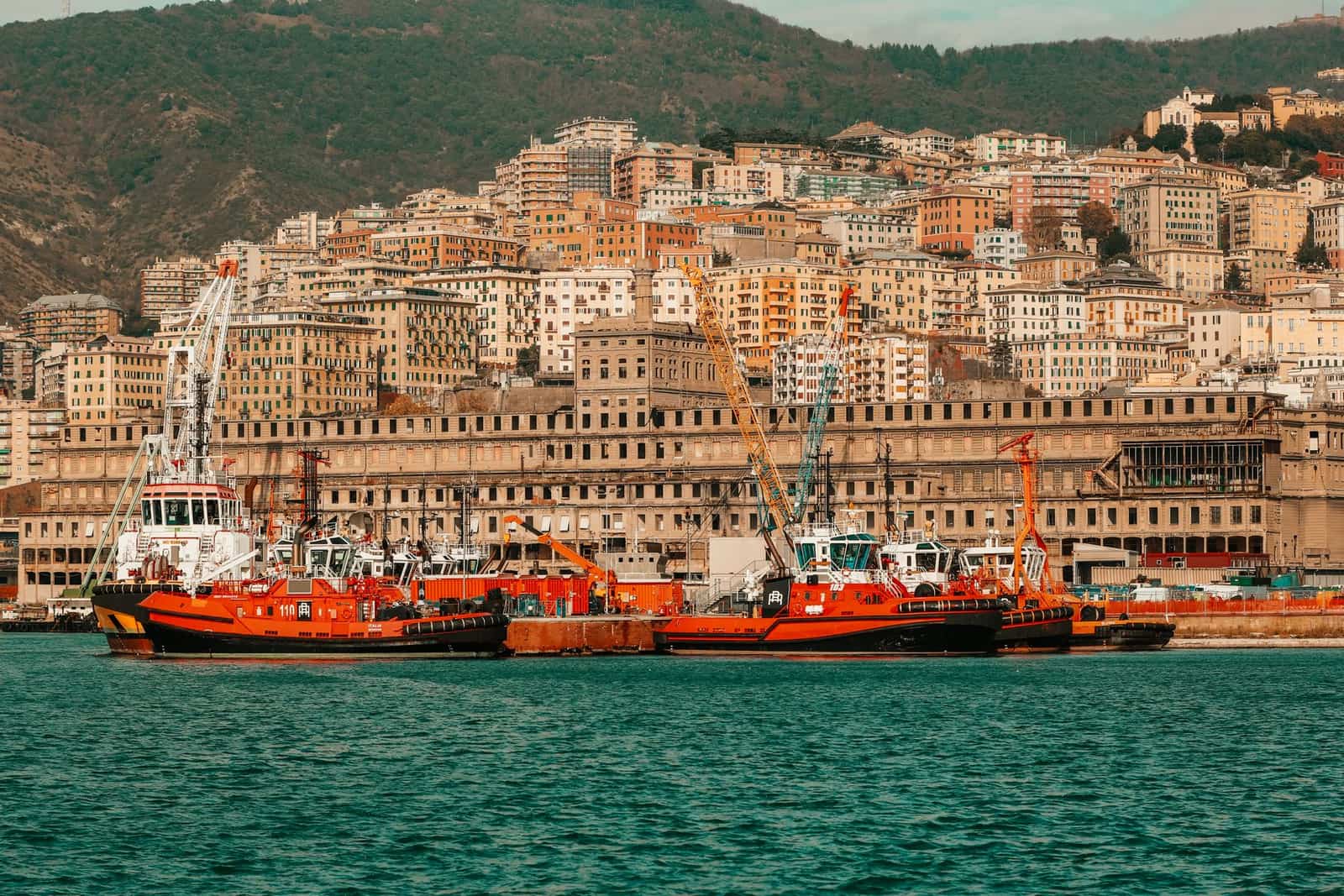 EURRomeItalyManufacturing buyer of Indian leather, yarn, castings, chemicals and seafood. EU rules apply.From India 2025-26US$ 7.79 bn
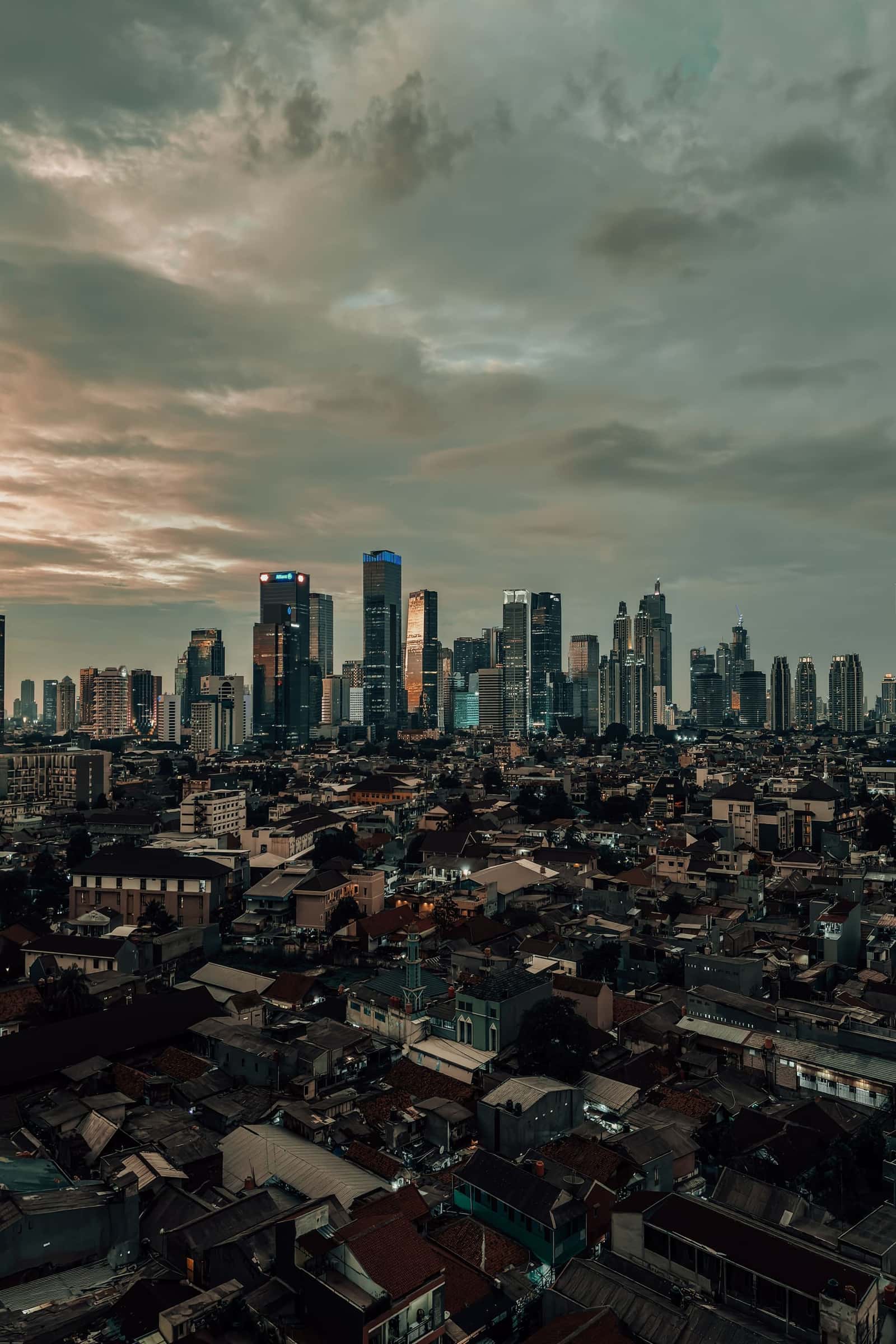 AITIGAIDRJakartaIndonesiaWorld's fourth most populous country. Buys Indian vehicles, steel, chemicals, groundnuts and meat; halal and BPOM rules for food.From India 2025-26US$ 4.49 bn
More in textiles & apparel
All products → Free to exportTextiles & apparelReadymade garmentsKnitted and woven clothing for brands and retailers; the USA, UK, UAE and the EU are the big buyers.HS6109.10Exports 2025-26US$ 15.8 bn ↓1.2%
 Free to exportTextiles & apparelHome textiles (bed, bath and kitchen linen)Bedsheets, towels and kitchen linen for retailers; the USA buys more than half of India's exports.HS6302Exports 2025-26US$ 2.01 bn ↓5.7%
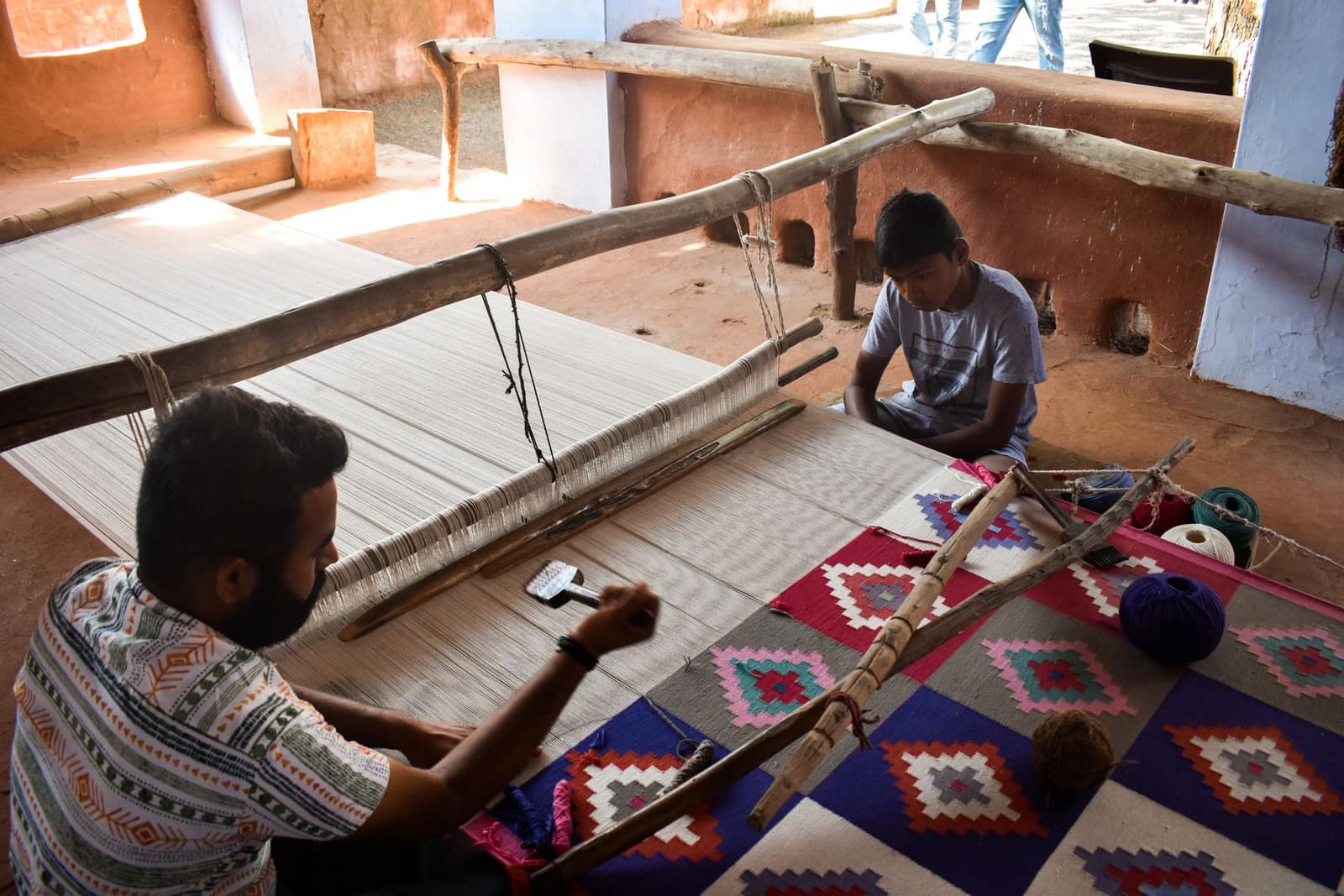 Free to exportTextiles & apparelHandloom productsHand-woven fabrics, stoles and furnishings; buyers pay for craft, story and certified handloom origin.HS6304Exports 2025-26US$ 1.75 bn ↓8.6%
 Free to exportTextiles & apparelCarpets and rugsHand-knotted, tufted and flat-woven rugs from Bhadohi, Jaipur and Panipat; the USA buys over half.HS5701Exports 2025-26US$ 1.97 bn ↓5.9%