

Engineering goods
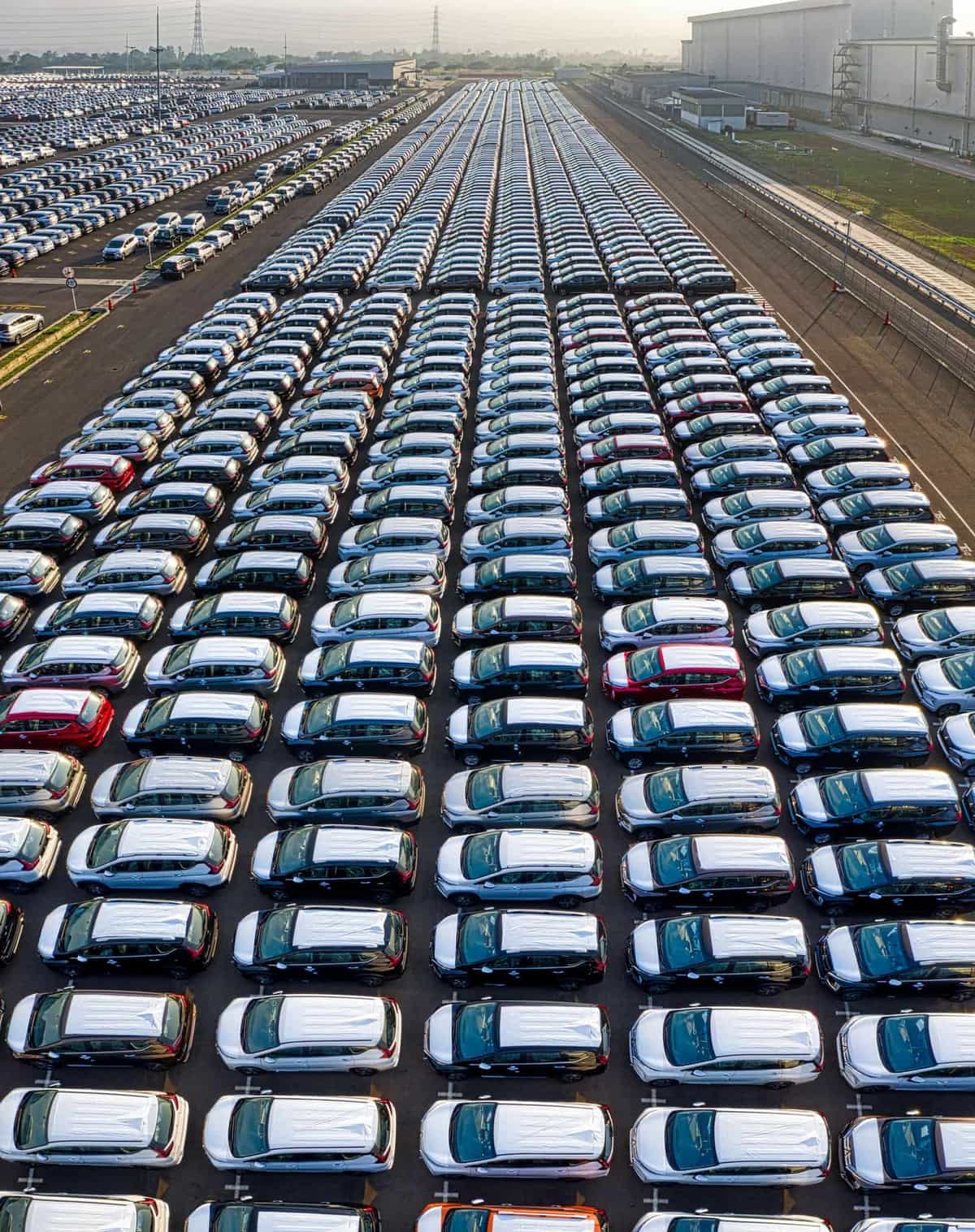
Export passenger cars
Small cars and SUVs built in India for Africa, the Gulf, Latin America and Japan.
- HS code
- 8703 Motor cars and other vehicles principally designed to carry people, including SUVs, electric cars and three-wheeled passenger vehicles (HS 8703).
- Export policy
- Free to export New cars are free to export under ITC(HS) Schedule 2. Used cars face restrictions in many buying countries; check DGFT and the destination's rules.
- Registrations
- 3 IEC, GST and those below
- India’s exports, 2025-26
- US$ 9.04 bn to 147 countries
What is exported
Car makers in Gujarat, Tamil Nadu, Haryana, Maharashtra and Karnataka export hatchbacks, sedans and SUVs, many in left-hand-drive versions. In 2025-26 India exported about US$ 9 billion under HS 8703; South Africa, Saudi Arabia, Mexico, Japan and the UAE were the largest buyers (Commerce Department data).
Varieties, grades and forms
- Small and compact petrol carsHatchbacks and compact sedans of 1,000–1,500 cc — the core of Indian car exports.
- SUVs and utility vehiclesCompact and mid-size SUVs, petrol and diesel, a fast-growing export line.
- Left-hand-drive export modelsBuilt for Latin America, the Gulf and Africa, which drive on the right.
- Electric and hybrid carsA small but new line (8703 40, 8703 80).
- Three-wheeled passenger vehiclesAuto-rickshaws (8703 21 20 and similar lines) for Africa, South Asia and Latin America.
Where it is grown or made
- GujaratHansalpur and Sanand (Ahmedabad district)
- Tamil NaduChennai (Sriperumbudur, Oragadam)
- HaryanaGurugram, Manesar and Kharkhoda
- MaharashtraPune (Chakan, Talegaon) and Nashik
- Karnataka and Andhra PradeshBidadi and Anantapur
The quality buyers ask for
- Type approval
- UNECE regulations under the 1958 Agreement (WP.29) are accepted in Europe, Japan, South Africa and many others; the USA uses FMVSS self-certification; the Gulf uses GSO standards
- Emissions
- Euro 6 or equivalent in Europe; Euro 4/5 levels in many export markets — check the importing country
- Drive side and climate
- Left-hand drive for the Gulf, Latin America and most of Africa; hot-climate cooling packs for the Gulf
- Safety
- Airbags, ABS, ESC and crash-test ratings demanded by the market (for example Euro NCAP, Latin NCAP)
Certificates
- Destination type approval / homologationRequiredEach model must be approved in the buying country before it can be registered.
- GSO / G-Mark (Gulf)Often askedGulf Standardization Organization conformity for vehicles sold in GCC countries.
- IATF 16949Often askedQuality system required of vehicle plants and their component suppliers.
- Pre-shipment inspection (some markets)Often askedSome African importing countries require inspection under their conformity programmes before shipment.
Shipping, storage and shelf life
Ro-Ro car carriers for volume; a 40-ft high-cube container with racks typically holds about 3–4 small cars (trade practice).
Sea from Mundra, Pipavav, Chennai, Kamarajar (Ennore) and Mumbai.
Port car parks; batteries on transport mode, paint protected by film.
What goes on the pack and carton
- VIN on the chassis and a certification label as the market requires.
- Owner's manual, warranty booklet and tyre and fuel labels in the market language.
- Country of origin ('Made in India') on the product or its packing, as the buyer's customs require.
ARAI (Pune), ICAT (Manesar) and GARC (Chennai) test vehicles and can test to UNECE requirements; ask the importer which technical service their approval authority accepts.
Benefits of exporting this product
- RoDTEP: 1.3% of FOB
Tariff item 8703 22 91 (motor cars with spark-ignition engines of 1,000–1,500 cc) earns 1.3% of FOB value, capped at ₹8,500 per unit, as a duty credit scrip on ICEGATE. Petrol cars of 1,500–3,000 cc (8703 23 91) get 1.3%, capped at ₹13,600; diesel cars of 1,500–2,500 cc (8703 32 91) get 0.9%; cars under 1,000 cc (8703 21 91) get 0.8%, capped at ₹6,900. These rates continue to 31 Dec 2026 (DGFT Notification 41/2026-27). Confirm your exact 8-digit line on the DGFT RoDTEP page before you price an order.
DGFT — Appendix 4R, RoDTEP schedule for DTA exports w.e.f. 10.10.2024 (Notification 32/2024-25); rates continued to 31.12.2026 by Notification 41/2026-27 ↗ - Duty drawback: 3% of FOB
Drawback item 870305 (motor cars above 1,200 cc and below 1,500 cc with manual or automated manual transmission) has an All Industry Rate of 3% of FOB, paid into your bank account. It is not available on exports under Advance Authorisation or from EOU/SEZ units. Drawback rises with engine size and automatic gearboxes: from 2.1% (below 1,000 cc, manual) to 4.7% (1,500 cc and above, automatic). Check the current schedule on the CBIC drawback page before shipping.
Gazette of India — Notification 77/2023-Customs (N.T.) dated 20.10.2023: All Industry Rates of duty drawback ↗
Where to register
- EEPC India (Engineering Export Promotion Council)RCMC — motor vehicles are under EEPC (DGFT Appendix 2T).eepcindia.org ↗
Quality and checks
- Type approval in the buying country: UNECE regulations (WP.29), US FMVSS, Gulf GSO standards or national rules.
- Emission level, drive side (left or right) and safety features must match the market.
- Some African countries need pre-shipment inspection under their conformity programmes.
Car exports are run by manufacturers through their own networks. An MSME joins the chain by supplying components to Indian car plants or by exporting aftermarket parts and accessories — see the auto-parts guide.
Where new exporters go wrong
- Buying cars from dealers for export without the maker's support — homologation and warranty fail abroad.
- Wrong drive side or emission level for the market.
- Transit damage when cars are not protected for Ro-Ro handling.
Documents this product needs
Schemes that apply
- RoDTEP Remission of Duties and Taxes on Exported Products
- Drawback Duty Drawback (All Industry Rates)
- Advance Authorisation Advance Authorisation
- EPCG Export Promotion Capital Goods Scheme
- ECGC ECGC export credit insurance for small exporters
- LUT Letter of Undertaking for zero-rated exports under GST
- MAI / MAS Market Access Initiative (now Market Access Support under EPM)
- CGSE Credit Guarantee Scheme for Exporters
Sources (5)
- Department of Commerce, Export Import Data Bank — India's exports of HS 8703 by country, 2025-26
- DGFT — Appendix 2T: Export Promotion Councils and the products under each
- DGFT — ITC(HS) export policy search (Schedule 2)
- UNECE — World Forum for Harmonization of Vehicle Regulations (WP.29)
- NHTSA — Importation and certification of motor vehicles and equipment
Trade data
Indian passenger cars exports in numbers
From the Department of Commerce’s TradeStat, country by country. US$, Indian financial years (April–March).
- Exports in 2025-26
- US$ 9.04 bn +16% a year on average, 2020-21 to 2025-26
- Change from 2024-25
- ↑ +24.9% US$ 7.24 bn → US$ 9.04 bn
- Buyer countries
- 147
- Average export price
- US$ 6827.23 per kg · 1,324 tonnes shipped · US$ 7032.97 the year before
The price cycle
India’s average export price per kg each year (total value ÷ total quantity). Highest in 2024-25, lowest in 2021-22 — a 32% swing between them. Keep this swing in mind when you quote.
What next: a projection from the trend
The past trend carried forward — not a forecast by any authority. Sudden changes in policy, prices or demand are not in it.
Likely range US$ 9.75 bn to US$ 13 bn.
- Trend
- +13.1% a year
- Fit (R²)
- 0.88
- Based on
- 6 years of official figures
Method: a straight line through the logarithm of yearly exports (log-linear regression); range = ±1 standard error.
Biggest buyer countries
By value in 2025-26. Change is against 2024-25.
Where demand is rising and falling
Only countries that buy at least US$ 1 million or 1% of India’s exports of this product. Change from 2024-25 to 2025-26.
↑ High demand
- SpainUS$ 450k → US$ 270 mn↑+59,993.3%
- United KingdomUS$ 1.9 mn → US$ 170 mn↑+8,668.6%
- Sri LankaUS$ 3.5 mn → US$ 213 mn↑+5,980.6%
- AngolaUS$ 45.6 mn → US$ 114 mn↑+150.1%
- MoroccoUS$ 38.7 mn → US$ 91.4 mn↑+136.4%
- NigeriaUS$ 61.5 mn → US$ 137 mn↑+122.8%
- ColombiaUS$ 75.1 mn → US$ 150 mn↑+99.9%
- PeruUS$ 160 mn → US$ 251 mn↑+56.9%
↓ Low demand
- IndonesiaUS$ 142 mn → US$ 61.5 mn↓-56.8%
Which forms sell, and at what price
India’s exports by 8-digit tariff line, 2025-26. Average price = total value ÷ total quantity (TradeStat): the average of every shipment on that line, not the price of any one deal.
| Tariff line | Value 2025-26 | Change | Quantity | Average price |
|---|---|---|---|---|
Motor car with cylndr cpcty>=1000cc but < 1500cc with sprk-igntn8703 22 91 · Vehicles, with only spark-ignition internal combustion piston engine, cylinder capacity over 1000 but not… | US$ 5.5 bn | ↑+7.9% | 632k pieces | US$ 8700.26 per piecewas US$ 8807.88 |
Motor car with cylndr cpcty<=1000 with sprk-igntn8703 21 91 · Vehicles, with only spark-ignition internal combustion piston engine, cylinder capacity not over 1000cc | US$ 1.56 bn | ↑+53.9% | 202k pieces | US$ 7708.19 per piecewas US$ 7619.22 |
Vehicles, with only electric motor for propulsion — motor cars8703 80 30 | US$ 702 mn | ↑+800.1% | 29k pieces | US$ 24082.22 per piecewas US$ 17253.82 |
Three-wheeled vehicles with cylndr cpcty<=1000 with sprk-igntn8703 21 20 · Vehicles, with only spark-ignition internal combustion piston engine, cylinder capacity not over 1000cc | US$ 614 mn | ↑+54.2% | 396k pieces | US$ 1551.16 per piecewas US$ 1581.33 |
Motor car with cylndr cpcty>=1500cc but <3000cc with sprk-igntn8703 23 91 · Vehicles, with only spark-ignition internal combustion reciprocating piston engine, cylinder capacity over… | US$ 375 mn | ↓-22.7% | 31k pieces | US$ 12050.94 per piecewas US$ 11501.64 |
Motor car cylndr cpcty>1500 cc bt<=2500 ccwth cmprsn igntn8703 32 91 · Vehicles, with only compression-ignition internal combustion piston engine, cylinder capacity over 1500 but… | US$ 88.6 mn | ↑+13.2% | 5k pieces | US$ 19000.21 per piecewas US$ 22208.97 |
Other vehicles with cylndr cpcty>=1000cc but <1500cc with sprk-igntn8703 22 99 · Vehicles, with only spark-ignition internal combustion piston engine, cylinder capacity over 1000 but not… | US$ 60.1 mn | ↑+1,134.9% | 8k pieces | US$ 7918.37 per piecewas US$ 11995.07 |
Motor cars with cmprsn igntn with cylndr cpcty <1500cc8703 31 91 · Vehicles, with only compression-ignition internal combustion piston engine, cylinder capacity not over 1500cc | US$ 42 mn | ↑+25.5% | 3k pieces | US$ 14595.35 per piecewas US$ 14120.62 |
Vehicles, with both spark-ignition internal combustion piston engine and electric motor for propulsion… — motor cars8703 40 30 | US$ 24.8 mn | ↑+482.6% | 2k pieces | US$ 16300.20 per piecewas US$ 18398.27 |
Other vehicles with sprk-igntn intrnl cmbstn rcprctng piston engne of cylindr capacity<1000cc8703 21 99 · Vehicles, with only spark-ignition internal combustion piston engine, cylinder capacity not over 1000cc | US$ 21.1 mn | ↑+22.4% | 7k pieces | US$ 2964.79 per piecewas US$ 2651.05 |
Motor car with cylndr cpcty>2500 cc with cmprsn igntn8703 33 91 · Vehicles, with only compression-ignition internal combustion piston engine, cylinder capacity over 2500cc | US$ 20.8 mn | ↑+521.6% | 788 pieces | US$ 26345.18 per piecewas US$ 25692.31 |
Other vehicles,with cmprsn igntn intrnl cmbstn piston engine(diesel/semi-disesel), of a cylinder capacity<=1500 cc8703 31 99 · Vehicles, with only compression-ignition internal combustion piston engine, cylinder capacity not over 1500cc | US$ 10.5 mn | ↑+58.3% | 6k pieces | US$ 1857.17 per piecewas US$ 2151.45 |
Motor car with cylndr cpcty>=3000cc with sprk-igntn8703 24 91 · Vehicles, with only spark-ignition internal combustion reciprocating piston engine, cylinder capacity over… | US$ 7.1 mn | ↑+56.7% | 31 pieces | US$ 230000.00 per piecewas US$ 74590.16 |
Vehicles, with only electric motor for propulsion — three-wheeled vehicles8703 80 40 | US$ 4.7 mn | ↑+263.8% | 2k pieces | US$ 2281.72 per piecewas US$ 1610.90 |
The world market
Each country’s own recorded exports and imports in UN Comtrade, 2023 (the latest year nearly every country has reported).
- World imports
- US$ 957.8 bn 2023
- India among exporters
- #23 of 160 countries
- India’s share of world exports
- 0.7% US$ 6.72 bn
- Left for others to win
- US$ 953.4 bn exported by other countries
Top exporters — your competitors
- 1GermanyUS$ 179.2 bn 18.7%
- 2JapanUS$ 110.1 bn 11.5%
- 3ChinaUS$ 77.6 bn 8.1%
- 4Rep. of KoreaUS$ 68.3 bn 7.1%
- 5USAUS$ 63 bn 6.6%
- 6MexicoUS$ 57.4 bn 6%
- 7SpainUS$ 40.6 bn 4.2%
- 8CanadaUS$ 37.8 bn 3.9%
- 9United KingdomUS$ 37 bn 3.8%
- 10SlovakiaUS$ 33.1 bn 3.4%
Biggest buyers in the world
- 1USAUS$ 210.3 bn 22%
- 2GermanyUS$ 80 bn 8.4%
- 3United KingdomUS$ 56.5 bn 5.9%
- 4FranceUS$ 46.5 bn 4.9%
- 5ChinaUS$ 45.9 bn 4.8%
- 6CanadaUS$ 38.6 bn 4%
- 7ItalyUS$ 36.5 bn 3.8%
- 8BelgiumUS$ 31.9 bn 3.3%
- 9United Arab EmiratesUS$ 25.5 bn 2.7%
- 10AustraliaUS$ 25 bn 2.6%
Opportunity: what these countries buy from the world, and from India
Each country’s own recorded imports in UN Comtrade, latest year it has reported. The long light part of each bar is demand other countries are filling today.
TradeStat’s 2023-24 quantities are double-counted, so that year is left out of the price. Sources: TradeStat — Export Import Data Bank, Department of Commerce · UN Comtrade database (United Nations Statistics Division) · Figures taken 29 October 2026.
Step by step
How to export passenger cars
India is one of the world's largest car markets and a growing exporter of small cars and SUVs, built by Japanese, Korean and Indian makers. Competitors are China, which has become the largest car exporter, and Thailand, Mexico and Turkey. In 2025-26 South Africa, Saudi Arabia, Mexico, Japan and the UAE were the largest buyers of Indian cars (Commerce Department data). Car exports are run by manufacturers through their global networks, so a new exporter's real entry points are components, accessories and after-sales parts. Openings for makers are in compact SUVs for Africa, Latin America and the Gulf, and in electric vehicles.
- 01Know who exports
Cars are exported by the maker; dealers and traders cannot usually buy new cars in India for export without the maker's consent.
- 02Register with EEPC India
Motor vehicles are under EEPC.
- 03Homologate the model
Get type approval for each market; adapt drive side, emissions and safety.
- 04Appoint distributors
Set up dealers, parts stock and service in the buying country.
- 05Book Ro-Ro space
Car carriers sail on fixed schedules; plan production to the vessel.
- 06Ship and claim benefits
File the shipping bill on ICEGATE with the correct 8-digit HS code, declare RoDTEP and drawback, and keep the mill or test certificates with the export file.
- 07Get paid safely
Use an LC or documents against payment with new buyers, take ECGC cover for open-account sales, and close the export with an e-BRC once the money arrives.
Meet buyers
Trade fairs
- Early in the year — check dates on the organiser's siteBharat Mobility Global ExpoNew Delhi, Indiabharat-mobility.com ↗
- September, every two years — check datesAutomechanika FrankfurtFrankfurt, Germanyautomechanika.messefrankfurt.com ↗
- Usually November — check datesAutomechanika DubaiDubai, UAEautomechanika-dubai.ae.messefrankfurt.com ↗
Questions
Questions about exporting passenger cars
Can I buy cars in India and export them?
What incentives apply to cars?
Why do markets need left-hand drive?
Can I export used cars?
How can an MSME join the car export chain?
Sources (8)
- EEPC India (Engineering Export Promotion Council) — official site
- UNECE — World Forum for Harmonization of Vehicle Regulations (WP.29)
- NHTSA — Importation and certification of motor vehicles and equipment
- ARAI (Automotive Research Association of India), Pune — testing and homologation
- ICAT (International Centre for Automotive Technology), Manesar
- DGFT — Appendix 4R, RoDTEP schedule for DTA exports w.e.f. 10.10.2024 (Notification 32/2024-25); rates continued to 31.12.2026 by Notification 41/2026-27
- Gazette of India — Notification 77/2023-Customs (N.T.) dated 20.10.2023: All Industry Rates of duty drawback
- Department of Commerce, Export Import Data Bank — India's exports of HS 8703 by country, 2025-26
Who buys Indian passenger cars
All countries →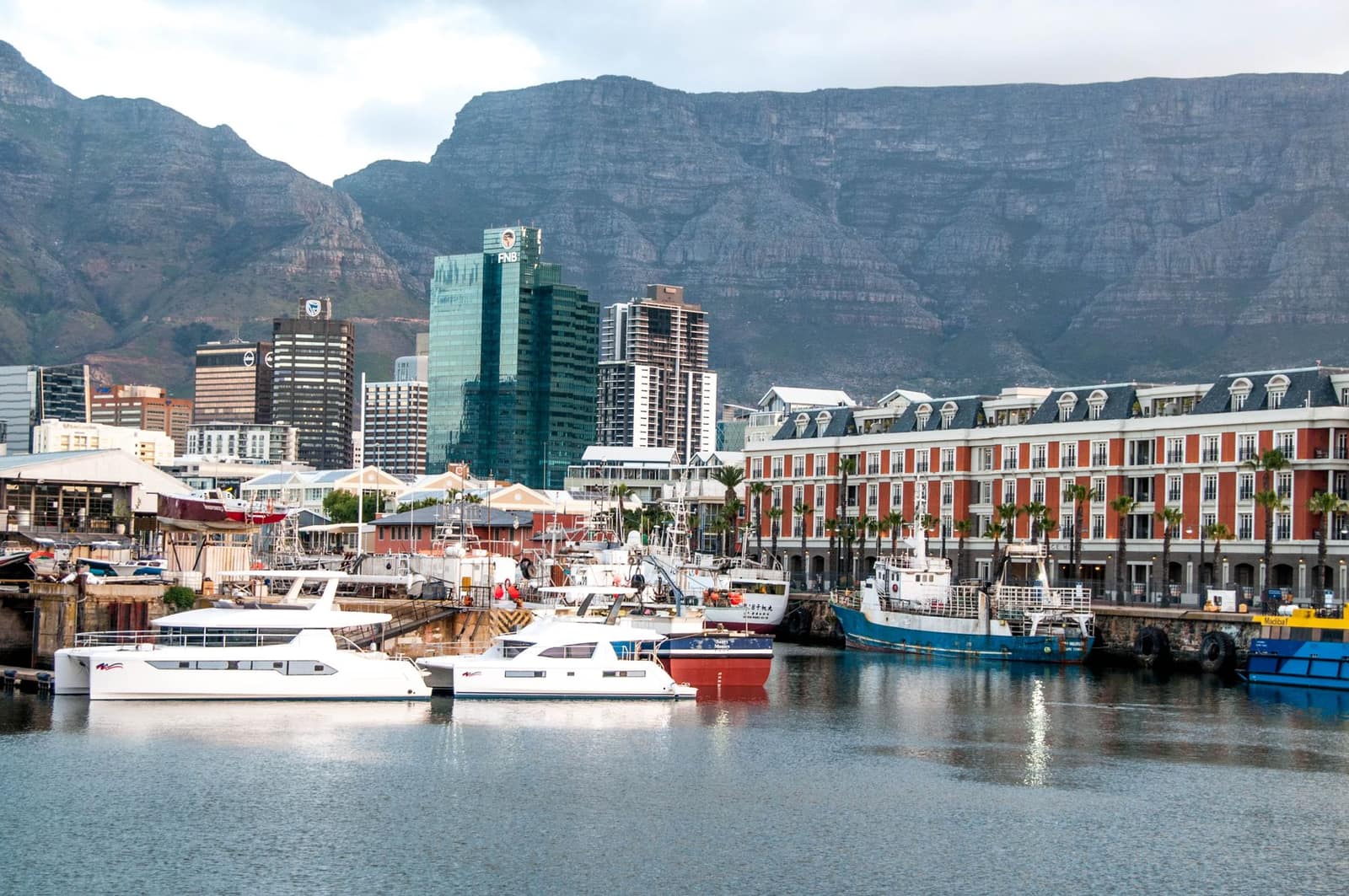 ZARPretoria (executive capital)South AfricaAfrica's most industrial economy. Buys vehicles, medicines, rice and chemicals; NRCS approval for regulated goods.From India 2025-26US$ 7.01 bn
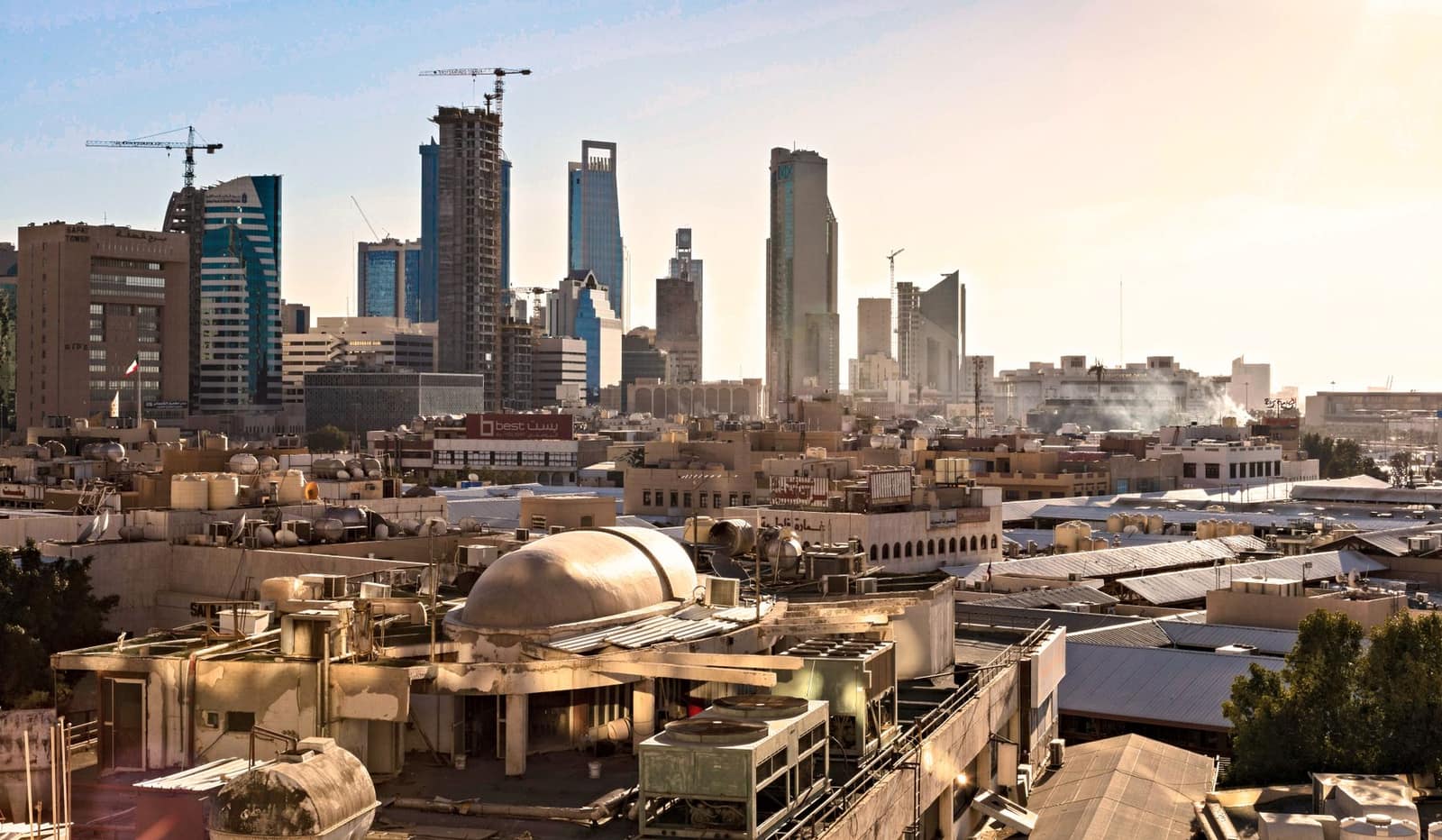 SARRiyadhSaudi ArabiaLarge Gulf market for rice, food and engineering goods. Strict SFDA food rules and SABER certification for regulated goods.From India 2025-26US$ 10.3 bn
 CEPAJPYTokyoJapanHigh-value, quality-obsessed market. Buys shrimp, chemicals, auto parts and garments; strict food-sanitation checks.From India 2025-26US$ 6.04 bn
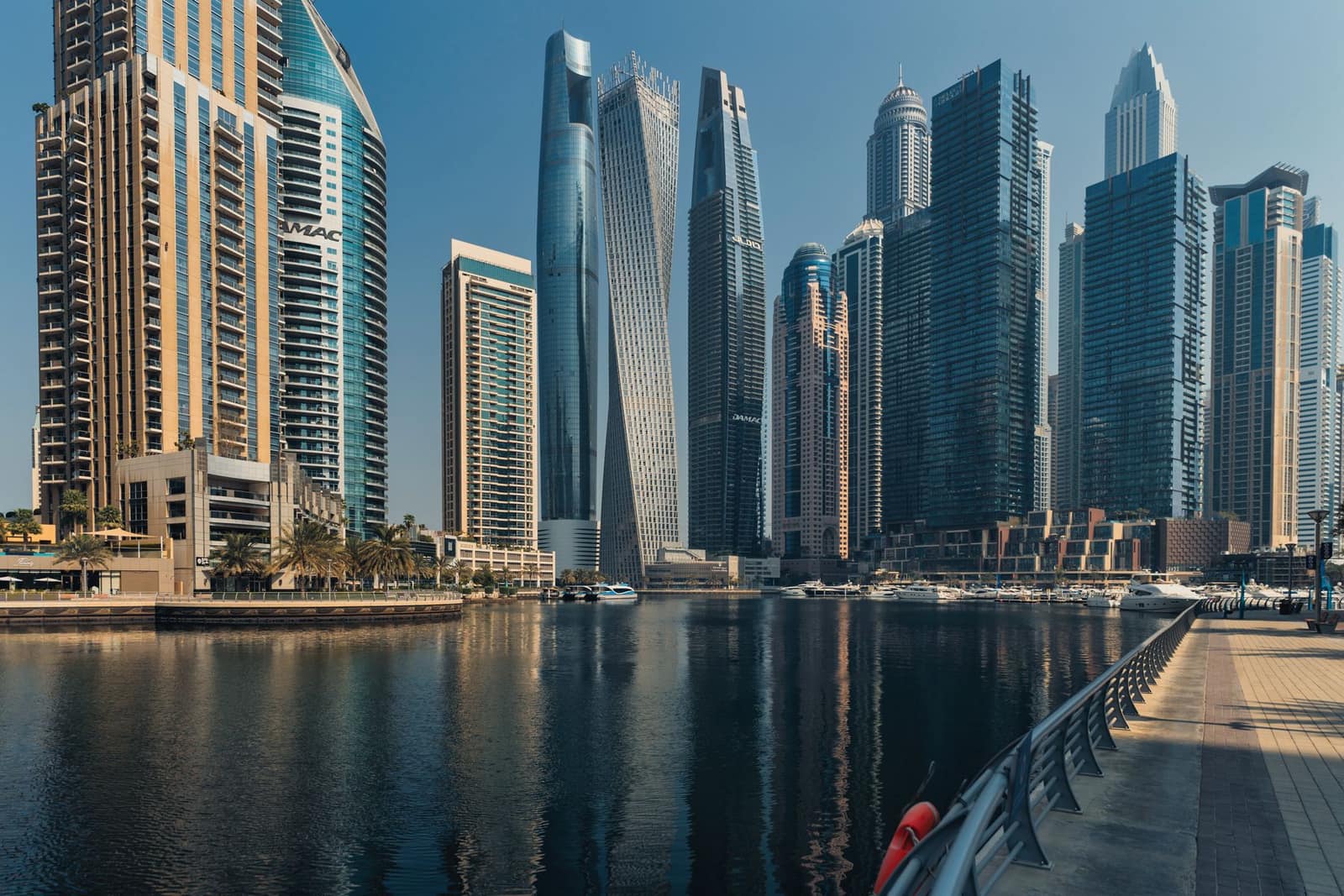 CEPAAEDAbu DhabiUnited Arab EmiratesIndia's biggest Gulf buyer and a re-export hub for the Middle East and Africa. CEPA in force since 2022.From India 2025-26US$ 37.4 bn
 EURMadridSpainGrowing EU buyer of Indian garments, seafood, chemicals and auto parts; Valencia and Algeciras are key ports.From India 2025-26US$ 6.96 bn
 ISFTALKRSri Jayawardenepura Kotte (Colombo is the commercial capital)Sri LankaClose island market with India's oldest FTA. Buys food, medicines, vehicles, yarn and building materials.From India 2025-26US$ 5.52 bn
 CETAGBPLondonUnited KingdomNew CETA in force since July 2026 — most Indian goods now enter duty-free. Strong market for garments, food and engineering.From India 2025-26US$ 13.4 bn
 ECTAAUDCanberraAustraliaZero duty on all Indian goods since Jan 2026 — but some of the world's strictest biosecurity rules.From India 2025-26US$ 7.28 bn
More in engineering goods
All products → Free to exportEngineering goodsAuto parts and componentsOEM and aftermarket vehicle parts; the USA, Germany and Italy buy most, with strong demand in Latin America.HS8708Exports 2025-26US$ 7.64 bn ↑1.8%
 Free to exportEngineering goodsIron and steel castingsGrey and ductile iron and steel castings from Kolhapur, Rajkot, Coimbatore and Howrah; the USA leads.HS7325Exports 2025-26US$ 1.25 bn ↑3.2%
 Free to exportEngineering goodsHand toolsHammers, wrenches, pliers and garden tools from Jalandhar and Ludhiana; the USA buys most.HS8205Exports 2025-26US$ 161 mn ↓7%
 Free to exportEngineering goodsPumpsAgricultural, domestic and industrial pumps from Coimbatore, Rajkot and Ahmedabad; the USA leads.HS8413Exports 2025-26US$ 1.6 bn ↑5.2%