


Engineering goods
Export batteries
Mostly lead-acid and lithium-ion storage batteries; the UAE, USA and Turkey lead. All are dangerous goods in transport.
- HS code
- 8506 Primary cells and batteries — zinc-carbon, alkaline, lithium button cells (8506); rechargeable accumulators — lead-acid, lithium-ion, nickel types (8507).
- Export policy
- Free to export Free to export under ITC(HS) Schedule 2 as checked in November 2026. New batteries are free; used batteries and lead scrap fall under hazardous-waste rules and separate entries. Confirm your exact 8-digit line on the DGFT ITC(HS) search before you ship.
- Registrations
- 4 IEC, GST and those below
- India’s exports, 2025-26
- US$ 728 mn to 139 countries
What is exported
India exports automotive and industrial lead-acid batteries, inverter batteries and a growing volume of lithium-ion packs; dry cells (8506) are a small line, about US$ 14 million in 2025-26. Rechargeable accumulators (8507) were about US$ 714 million in 2025-26; the UAE led, followed by the USA, Turkey, Nigeria and Nepal. Big plants are in Andhra Pradesh (Tirupati–Chittoor), West Bengal, Haryana, Maharashtra and Gujarat, and new cell factories are coming up under the PLI scheme for Advanced Chemistry Cells.
Varieties, grades and forms
- Automotive lead-acid batteriesStarter batteries for cars, trucks and two-wheelers.
- Inverter and industrial batteriesTubular, VRLA and traction batteries for backup and forklifts.
- Lithium-ion packsFor e-rickshaws, two-wheelers, solar storage and electronics.
- Dry cellsZinc-carbon and alkaline primary cells (8506).
Where it is grown or made
- Andhra PradeshTirupati–Chittoor
- West BengalKolkata and Haldia
- Haryana and UttarakhandBawal, Gurugram; Haridwar
- Maharashtra, Gujarat and KarnatakaPune, Ahmedabad and Bengaluru — lithium-ion assembly
The quality buyers ask for
- Capacity and voltage
- Ah rating at a stated discharge rate (C20 for lead-acid); nominal voltage
- Cold cranking (automotive)
- CCA per EN 50342 or SAE J537
- Cycle life
- Number of cycles at a stated depth of discharge (for inverter, solar and lithium batteries)
- Lithium safety
- UN 38.3 transport tests; IEC 62619 (industrial) or IEC 62133 (portable); BMS protections
- Dimensions and terminals
- Case size group (for example DIN or JIS) and terminal layout to fit the vehicle
Certificates
- UN 38.3 test summary (lithium)RequiredMandatory for transporting lithium cells and batteries.
- Dangerous Goods DeclarationRequiredRequired for every DG battery shipment by sea or air.
- CE marking under EU Batteries Regulation 2023/1542Often askedRequired for batteries placed on the EU market, with producer registration.
- IEC 62619 / IEC 62133 certificateOften askedSafety certification asked for by buyers of lithium batteries.
- ISO 9001 / IATF 16949Often askedQuality systems for distributors and automotive OEMs.
Shipping, storage and shelf life
Lead-acid batteries are heavy: a 20-ft container typically reaches its weight limit first. Lithium packs ship as Class 9 DG.
Sea freight under IMDG rules; lithium by air only within IATA limits.
Cool, dry storage; recharge lead-acid stock as the maker advises.
Charged lead-acid batteries lose charge in storage; follow the maker's refresh-charge interval.
What goes on the pack and carton
- Voltage, capacity, chemistry, polarity, maker and date of manufacture on each battery.
- Crossed-out wheelie-bin symbol and chemical symbols (Pb, Cd, Hg) under EU rules.
- UN number, Class 8 or Class 9 hazard labels and lithium battery mark on outer packs.
NABL-accredited battery labs carry out UN 38.3, IEC 62133 and IEC 62619 tests (search 'battery' in the NABL directory). CPRI and BIS-recognised labs test lead-acid batteries.
Benefits of exporting this product
- RoDTEP: 1.9% of FOB
Tariff item 8507 60 00 (lithium-ion accumulators) earns 1.9% of FOB value, capped at ₹10 per unit, as a duty credit scrip on ICEGATE. Lead-acid starter batteries (8507 10 00) and dry cells under 8506 carry 0.7%. These rates continue to 31 Dec 2026 (DGFT Notification 41/2026-27). Confirm your exact 8-digit line on the DGFT RoDTEP page before you price an order.
DGFT — Appendix 4R, RoDTEP schedule for DTA exports w.e.f. 10.10.2024 (Notification 32/2024-25); rates continued to 31.12.2026 by Notification 41/2026-27 ↗ - Duty drawback: 1.7% of FOB
Drawback item 8507 (electric accumulators including separators) has an All Industry Rate of 1.7% of FOB, paid into your bank account. It is not available on exports under Advance Authorisation or from EOU/SEZ units. Primary cells and batteries (8506) also have 1.7%. Check the current schedule on the CBIC drawback page before shipping.
Gazette of India — Notification 77/2023-Customs (N.T.) dated 20.10.2023: All Industry Rates of duty drawback ↗ - PLI scheme for manufacturers
The PLI scheme for Advanced Chemistry Cell (ACC) batteries is one of the 14 Production Linked Incentive schemes listed by the Government (PIB, December 2024). The incentive goes only to approved manufacturers on their eligible sales, not to traders, but it is why new export-grade capacity is coming up — a useful source of supply for a merchant exporter. Check the scheme guidelines and current status on the ministry's site.
PIB — Scaling New Heights: How the PLI Scheme is Reshaping Industries (21 Dec 2024), list of the 14 PLI sectors ↗
Where to register
- EEPC IndiaElectrical goods and miscellaneous engineering products are listed under EEPC in Appendix 2T; take your RCMC from EEPC.eepcindia.org ↗
- MEDEPCLithium-ion batteries for mobile phones and other accumulators for electronic uses are listed under MEDEPC in Appendix 2T.medepc.org ↗
Quality and checks
- Dangerous goods: lead-acid batteries (UN2794, Class 8) and lithium-ion batteries (UN3480/UN3481, Class 9) need DG declarations, approved packing and labels; lithium cells need a UN 38.3 test summary.
- EU: Batteries Regulation (EU) 2023/1542 — CE marking, labelling, producer registration and, in phases, carbon-footprint declarations and a battery passport for EV and industrial batteries.
- Performance and safety standards: IEC 60095 (starter lead-acid), IEC 62619 / IEC 62133 (lithium).
Automotive and inverter lead-acid batteries for Gulf, African and South Asian distributors are the usual start. Buy from a maker that can pack and document dangerous goods, ship filled batteries by sea in full containers, and agree warranty terms in writing.
Where new exporters go wrong
- Undeclared batteries — shipping lines and airlines fine or offload undeclared dangerous goods.
- Charged lead-acid batteries going flat on long voyages; plan the charge state and dispatch date.
- Ignoring the EU battery registration and take-back duties.
Documents this product needs
Schemes that apply
- RoDTEP Remission of Duties and Taxes on Exported Products
- Drawback Duty Drawback (All Industry Rates)
- Advance Authorisation Advance Authorisation
- EPCG Export Promotion Capital Goods Scheme
- ECGC ECGC export credit insurance for small exporters
- LUT Letter of Undertaking for zero-rated exports under GST
- Status Holder Status Holder certificate (One to Five Star Export House)
Sources (6)
- Department of Commerce, Export Import Data Bank — India's exports of HS 8506 by country, 2025-26
- DGFT — Appendix 2T: Export Promotion Councils and the products under each
- DGFT — ITC(HS) export policy search (Schedule 2) and SCOMET list (Appendix 3)
- European Commission — Batteries: Regulation (EU) 2023/1542
- IATA — Lithium batteries: Dangerous Goods Regulations guidance
- PIB — Scaling New Heights: How the PLI Scheme is Reshaping Industries (21 Dec 2024), list of the 14 PLI sectors
Trade data
Indian batteries exports in numbers
From the Department of Commerce’s TradeStat, country by country. US$, Indian financial years (April–March).
- Exports in 2025-26
- US$ 728 mn +12.3% a year on average, 2020-21 to 2025-26
- Change from 2024-25
- ↓ -13.6% US$ 842 mn → US$ 728 mn
- Buyer countries
- 139
- Average export price
- US$ 11.52 per kg · 63,209 tonnes shipped · US$ 13.79 the year before
The price cycle
India’s average export price per kg each year (total value ÷ total quantity). Highest in 2022-23, lowest in 2020-21 — a 138% swing between them. Keep this swing in mind when you quote.
What next: a projection from the trend
The past trend carried forward — not a forecast by any authority. Sudden changes in policy, prices or demand are not in it.
Likely range US$ 799 mn to US$ 1.55 bn.
- Trend
- +11.1% a year
- Fit (R²)
- 0.51
- Based on
- 6 years of official figures
Method: a straight line through the logarithm of yearly exports (log-linear regression); range = ±1 standard error.
Biggest buyer countries
By value in 2025-26. Change is against 2024-25.
Where demand is rising and falling
Only countries that buy at least US$ 1 million or 1% of India’s exports of this product. Change from 2024-25 to 2025-26.
↑ High demand
- AlgeriaUS$ 40k → US$ 9.6 mn↑+23,850%
- ChinaUS$ 1.9 mn → US$ 10.9 mn↑+488.1%
- JapanUS$ 12.8 mn → US$ 27 mn↑+110%
- ItalyUS$ 5.8 mn → US$ 9 mn↑+54%
- United States of AmericaUS$ 40.8 mn → US$ 60.9 mn↑+49.3%
- JordanUS$ 17.2 mn → US$ 22.3 mn↑+29.4%
- TürkiyeUS$ 48.5 mn → US$ 56.8 mn↑+17.2%
- SingaporeUS$ 14.3 mn → US$ 16.2 mn↑+13.6%
↓ Low demand
- GermanyUS$ 52.3 mn → US$ 7.5 mn↓-85.7%
- IraqUS$ 30.5 mn → US$ 10.4 mn↓-65.8%
- NigeriaUS$ 71.8 mn → US$ 29.2 mn↓-59.3%
- IndonesiaUS$ 29.7 mn → US$ 12.6 mn↓-57.6%
- TanzaniaUS$ 10.1 mn → US$ 4.8 mn↓-52.5%
- ThailandUS$ 27.8 mn → US$ 14.9 mn↓-46.3%
- RussiaUS$ 10.9 mn → US$ 6.5 mn↓-40.6%
- LebanonUS$ 12.3 mn → US$ 7.8 mn↓-36.3%
Which forms sell, and at what price
India’s exports by 8-digit tariff line, 2025-26. Average price = total value ÷ total quantity (TradeStat): the average of every shipment on that line, not the price of any one deal.
| Tariff line | Value 2025-26 | Change | Quantity | Average price |
|---|---|---|---|---|
Other lead-acid accumulators8507 20 00 · Electric accumulators, lead-acid,, including separators, whether or not rectangular | US$ 286 mn | ↓-29.4% | 3.1 mn pieces | US$ 91.30 per piecewas US$ 93.41 |
Lead acid accumulators of a kind used for starting piston engines8507 10 00 · Electric accumulators, lead-acid, of a kind used for starting piston engines, including separators, whether… | US$ 252 mn | ↓-5.3% | 6.2 mn pieces | US$ 40.67 per piecewas US$ 38.73 |
Electric accumulators, lithium-ion, including separators, whether or not rectangular — lithium-ion8507 60 00 | US$ 80.1 mn | ↑+4.8% | 7.5 mn pieces | US$ 10.66 per piecewas US$ 33.68 |
Nickel-cadmium accumulators8507 30 00 · Electric accumulators, nickel-cadmium, including separators, whether or not rectangular | US$ 40.7 mn | ↑+11.9% | 109k pieces | US$ 373.30 per piecewas US$ 585.89 |
Other parts: other than accumulator cases made of hard rubber/battery separators8507 90 90 · Electric accumulators, parts in heading no. 8507 | US$ 31.2 mn | ↑+44.6% | 4,729 tonnes | US$ 6.60 per kgwas US$ 5.29 |
Accumulator cases made of hard rubber8507 90 10 · Electric accumulators, parts in heading no. 8507 | US$ 17.3 mn | ↑+56.1% | 3,433 tonnes | US$ 5.05 per kgwas US$ 4.89 |
Cells and batteries, primary, lithium — lithium8506 50 00 | US$ 6.5 mn | ↑+20.6% | 56k pieces | US$ 115.63 per piecewas US$ 15.19 |
Electric accumulators, other than lead-acid, nickel-cadmium, nickel-metal hydride and lithium-ion… — other accumulators8507 80 00 | US$ 6.1 mn | ↓-23.6% | 369k pieces | US$ 16.42 per piecewas US$ 12.13 |
Others-of-other primary cells and primary batteries:8506 80 90 · Cells and batteries, primary, | US$ 4.7 mn | ↓-46.8% | 373k pieces | US$ 12.64 per piecewas US$ 23.55 |
Primary cells and primary batteries of manganese dioxide of an extrnl volume <= 300cc8506 10 00 · Cells and batteries, primary, manganese dioxide | US$ 2.5 mn | ↓-6.7% | 36.2 mn pieces | US$ 0.07 per piecewas US$ 0.07 |
Pars of primary cells and primary batteries8506 90 00 · Cells and batteries, primary, parts thereof | US$ 750k | ↓-10.7% | 101 tonnes | US$ 7.41 per kgwas US$ 4.33 |
Electric accumulators, nickel-metal hydride, including separators, whether or not rectangular — nickel-metal hydride8507 50 00 | US$ 370k | ↑+184.6% | 895k pieces | US$ 0.41 per piecewas US$ 54.39 |
Button cell for quartz watch,clcultrs etc..8506 80 10 · Cells and batteries, primary, | US$ 30k | ↓-80% | 129k pieces | US$ 0.23 per piecewas US$ 0.07 |
Cells and batteries, primary, air-zinc — air zinc8506 60 00 | US$ 10k | ↓-83.3% | 3k pieces | US$ 3.34 per piecewas US$ 92.59 |
The world market
Each country’s own recorded exports and imports in UN Comtrade, 2023 (the latest year nearly every country has reported).
- World imports
- US$ 167.7 bn 2023
- India among exporters
- #21 of 162 countries
- India’s share of world exports
- 0.5% US$ 774 mn
- Left for others to win
- US$ 163 bn exported by other countries
Top exporters — your competitors
- 1ChinaUS$ 72.5 bn 44.3%
- 2PolandUS$ 12.9 bn 7.9%
- 3HungaryUS$ 10.5 bn 6.4%
- 4Rep. of KoreaUS$ 10 bn 6.1%
- 5GermanyUS$ 9.69 bn 5.9%
- 6USAUS$ 6.34 bn 3.9%
- 7JapanUS$ 5.22 bn 3.2%
- 8CzechiaUS$ 4.63 bn 2.8%
- 9China, Hong Kong SARUS$ 3.91 bn 2.4%
- 10MexicoUS$ 2.64 bn 1.6%
Biggest buyers in the world
- 1USAUS$ 31 bn 18.5%
- 2GermanyUS$ 31 bn 18.5%
- 3Rep. of KoreaUS$ 8.99 bn 5.4%
- 4CzechiaUS$ 6.02 bn 3.6%
- 5MexicoUS$ 5.14 bn 3.1%
- 6ItalyUS$ 4.83 bn 2.9%
- 7FranceUS$ 4.73 bn 2.8%
- 8United KingdomUS$ 4.72 bn 2.8%
- 9BelgiumUS$ 4.32 bn 2.6%
- 10Viet NamUS$ 4.29 bn 2.6%
Opportunity: what these countries buy from the world, and from India
Each country’s own recorded imports in UN Comtrade, latest year it has reported. The long light part of each bar is demand other countries are filling today.
TradeStat’s 2023-24 quantities are double-counted, so that year is left out of the price. Sources: TradeStat — Export Import Data Bank, Department of Commerce · UN Comtrade database (United Nations Statistics Division) · Figures taken 29 October 2026.
Step by step
How to export batteries
India is a strong maker of lead-acid batteries for vehicles and inverters and is now building lithium-ion cell plants under the PLI scheme for Advanced Chemistry Cells. China dominates lithium-ion cells and packs; Korea and Japan are strong in high-end cells, and many countries make lead-acid batteries locally. Demand comes from vehicles, power backup, telecom towers, solar storage and electric two- and three-wheelers. Openings are in lead-acid batteries for the Gulf, Africa and South Asia and, increasingly, lithium packs for e-mobility and storage.
- 01Choose chemistry and market
Lead-acid for vehicles and inverters; lithium for e-mobility and storage.
- 02Certify
UN 38.3, IEC and destination certificates; EU producer registration.
- 03Find distributors
Battery dealers with charging and warranty capability.
- 04Pack as DG
UN packaging, labels and declarations with a trained DG packer.
- 05Book DG freight
Declare to the shipping line; some lines limit DG space.
- 06Claim benefits
RoDTEP and drawback on the shipping bill.
- 07Payment
LC or advance; agree how warranty claims are settled.
Meet buyers
Trade fairs
- Usually June — check datesThe Battery Show EuropeStuttgart, Germanythebatteryshow.eu ↗
- Usually May or June — check datesThe smarter E Europe / Intersolar Europe / ees EuropeMunich, Germanyintersolar.de ↗
- Usually April — check datesMiddle East EnergyDubai, UAEmiddleeast-energy.com ↗
- September, every two years — check the next editionAutomechanika FrankfurtFrankfurt, Germanyautomechanika.messefrankfurt.com ↗
Questions
Questions about exporting batteries
Can I send lithium batteries by courier?
What RoDTEP applies?
What does the EU Batteries Regulation require?
Can I export used batteries?
Which council?
Sources (6)
- European Commission — Batteries: Regulation (EU) 2023/1542
- IATA — Lithium batteries: Dangerous Goods Regulations guidance
- NABL — search for accredited testing laboratories
- Central Power Research Institute (CPRI), Bengaluru
- DGFT — Appendix 4R, RoDTEP schedule for DTA exports w.e.f. 10.10.2024 (Notification 32/2024-25); rates continued to 31.12.2026 by Notification 41/2026-27
- PIB — Scaling New Heights: How the PLI Scheme is Reshaping Industries (21 Dec 2024), list of the 14 PLI sectors
Who buys Indian batteries
All countries →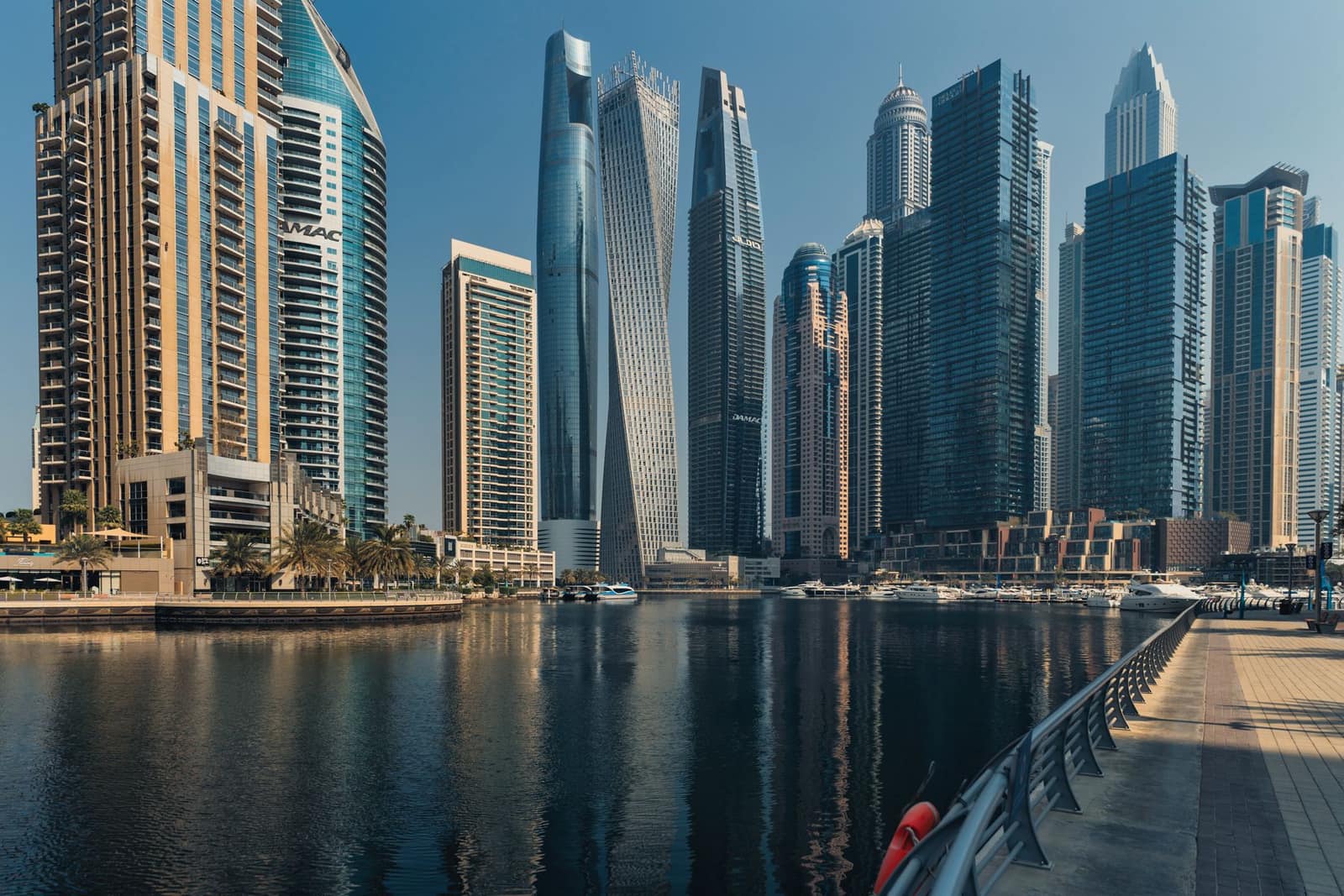 CEPAAEDAbu DhabiUnited Arab EmiratesIndia's biggest Gulf buyer and a re-export hub for the Middle East and Africa. CEPA in force since 2022.From India 2025-26US$ 37.4 bn
 USDWashington, D.C.United States of AmericaIndia's largest single-country export market. Strict FDA rules for food; extra 10% US duty on most goods since July 2026.From India 2025-26US$ 87.3 bn
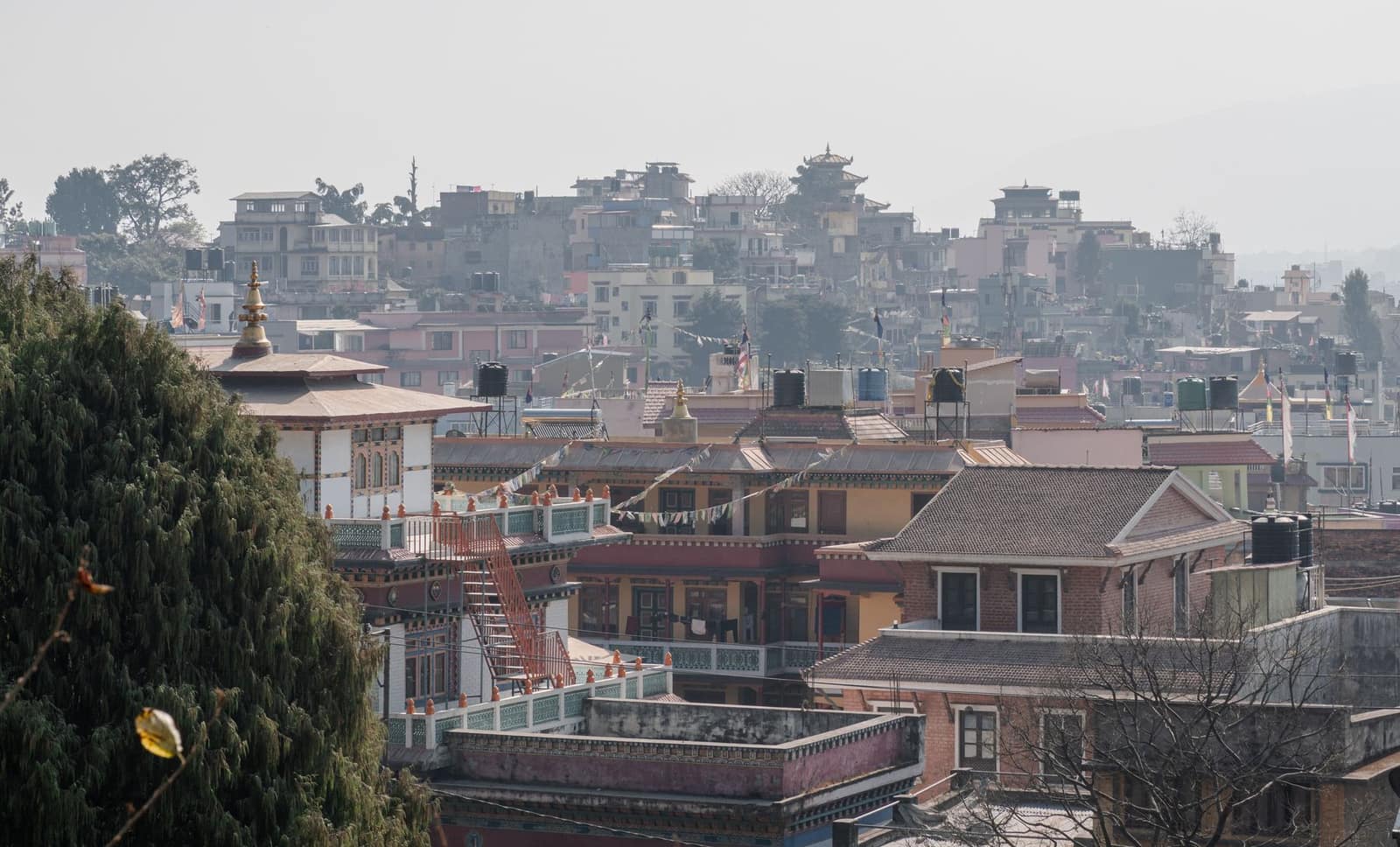 SAFTANPRKathmanduNepalOpen land border, rupee payments and a market that relies on Indian goods — an easy first market by road.From India 2025-26US$ 7.45 bn
 CEPAJPYTokyoJapanHigh-value, quality-obsessed market. Buys shrimp, chemicals, auto parts and garments; strict food-sanitation checks.From India 2025-26US$ 6.04 bn
 CECAMYRKuala LumpurMalaysiaMulti-ethnic market with a large Indian-origin community. Halal expectations for food; CECA and AITIGA both apply.From India 2025-26US$ 6.83 bn
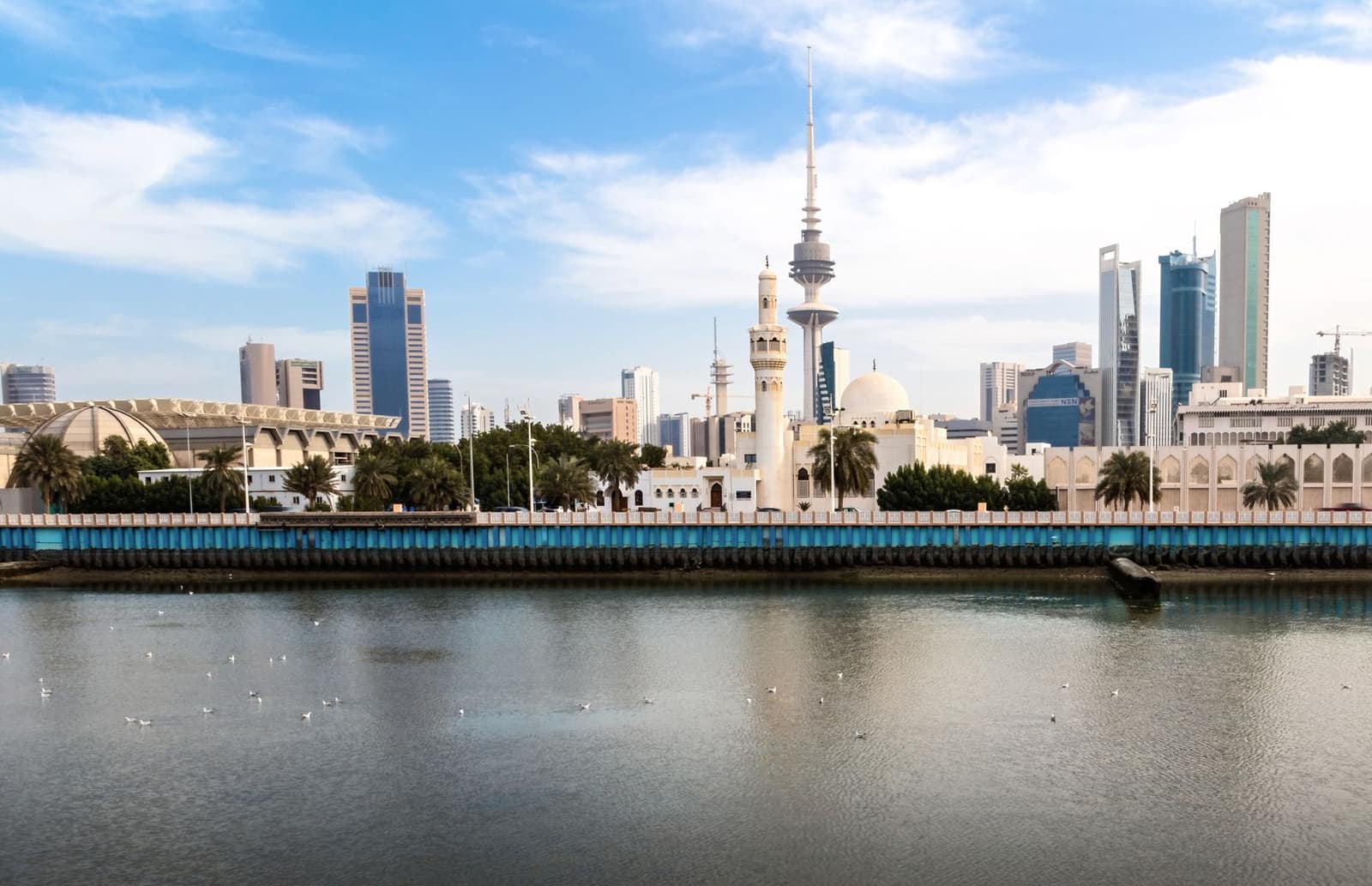 KWDKuwait CityKuwaitRich Gulf market with a large Indian community. Buys rice, food, garments and engineering goods.From India 2025-26US$ 1.65 bn
 CEPAOMRMuscatOmanNew CEPA in force since June 2026 — almost all Indian goods now enter duty-free. Short sea route from Gujarat.From India 2025-26US$ 4.02 bn
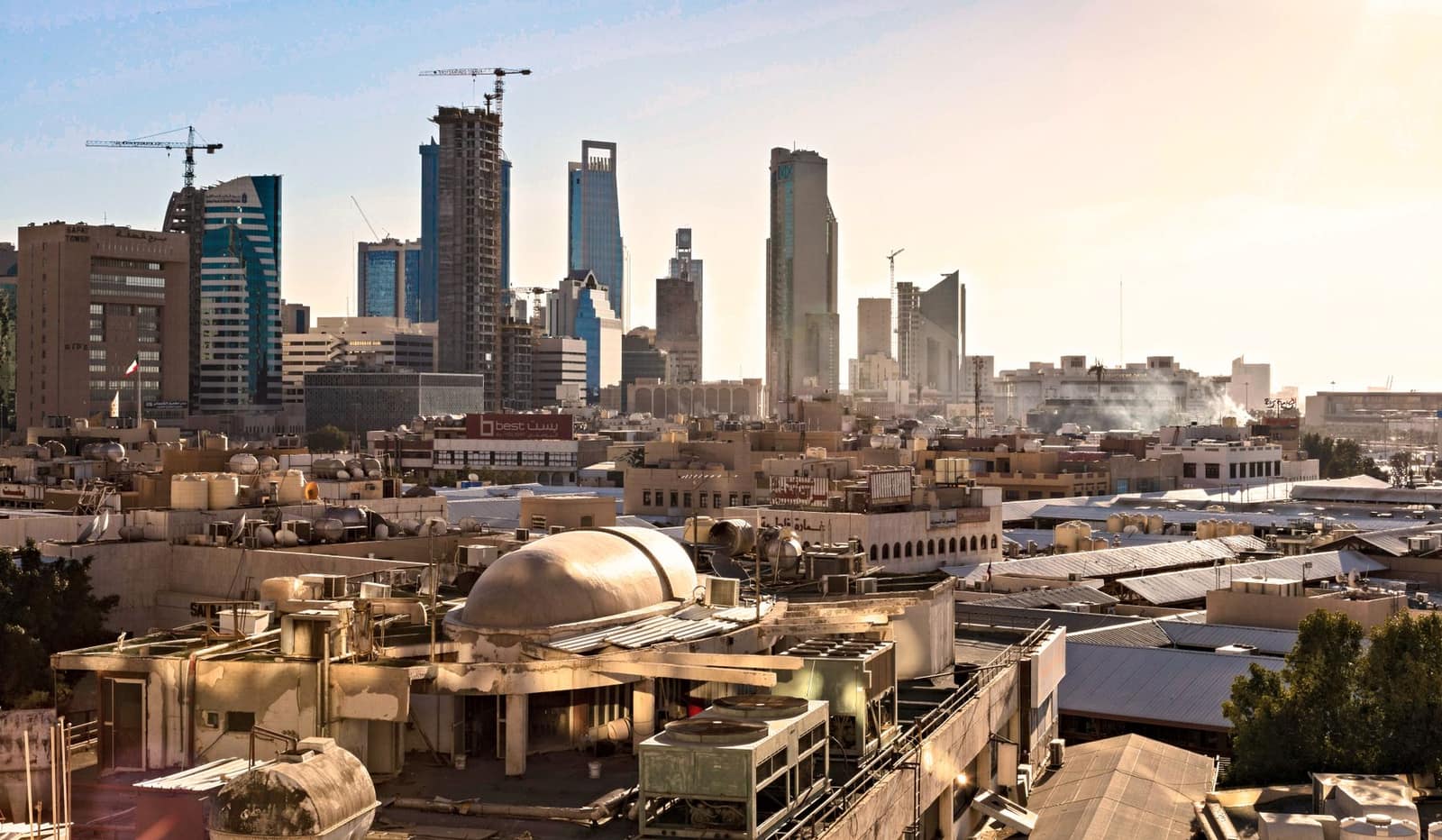 SARRiyadhSaudi ArabiaLarge Gulf market for rice, food and engineering goods. Strict SFDA food rules and SABER certification for regulated goods.From India 2025-26US$ 10.3 bn
More in engineering goods
All products → Free to exportEngineering goodsAuto parts and componentsOEM and aftermarket vehicle parts; the USA, Germany and Italy buy most, with strong demand in Latin America.HS8708Exports 2025-26US$ 7.64 bn ↑1.8%
 Free to exportEngineering goodsIron and steel castingsGrey and ductile iron and steel castings from Kolhapur, Rajkot, Coimbatore and Howrah; the USA leads.HS7325Exports 2025-26US$ 1.25 bn ↑3.2%
 Free to exportEngineering goodsHand toolsHammers, wrenches, pliers and garden tools from Jalandhar and Ludhiana; the USA buys most.HS8205Exports 2025-26US$ 161 mn ↓7%
 Free to exportEngineering goodsPumpsAgricultural, domestic and industrial pumps from Coimbatore, Rajkot and Ahmedabad; the USA leads.HS8413Exports 2025-26US$ 1.6 bn ↑5.2%