

Other goods
Export sanitaryware
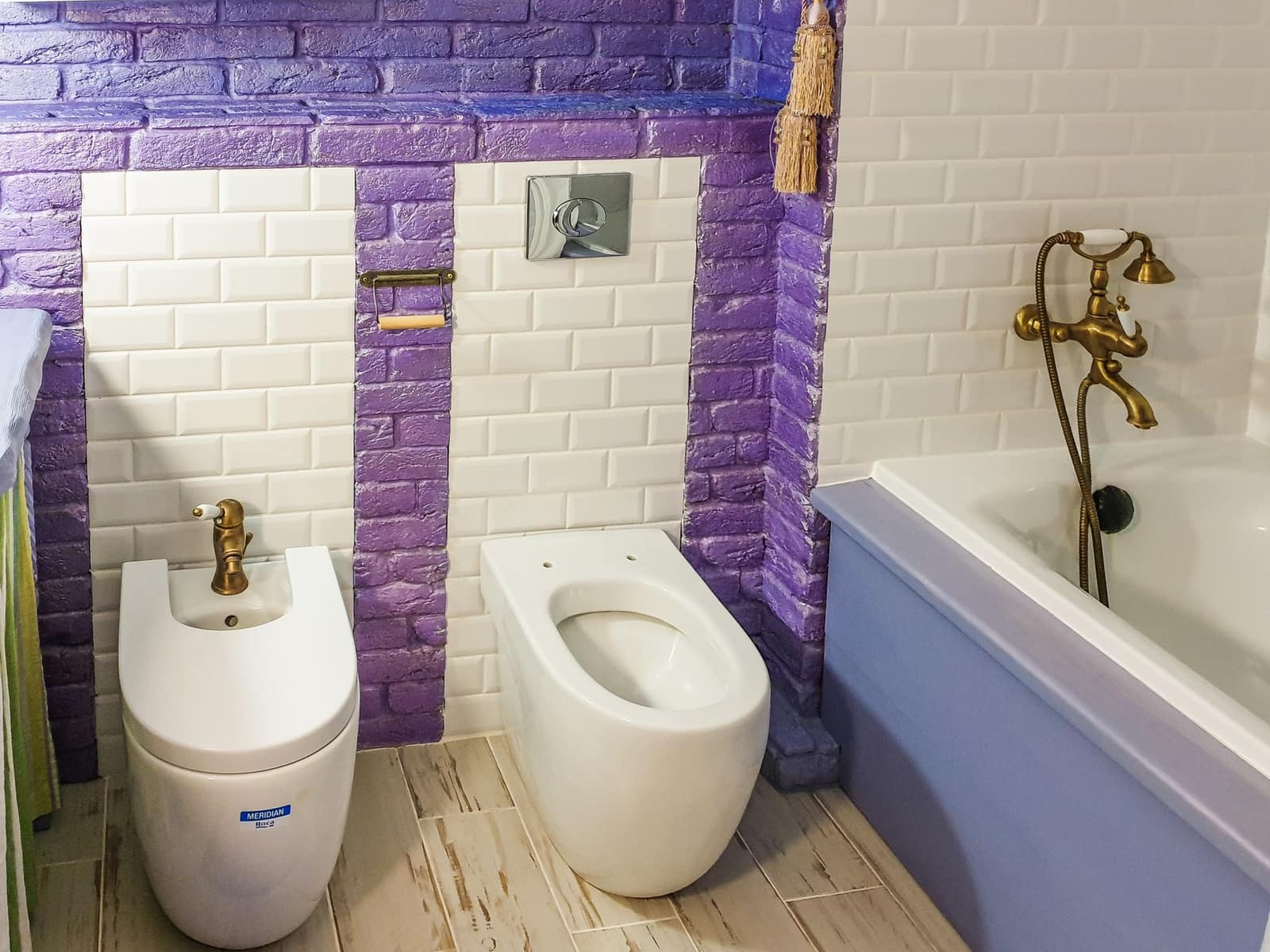
Vitreous china WCs and basins from Thangadh and Morbi; Africa, the Gulf, the USA and Nepal buy.
- HS code
- 6910 Ceramic sinks, wash basins, pedestals, baths, bidets, WC pans, flushing cisterns, urinals and similar fixtures.
- Export policy
- Free to export Free to export under ITC(HS) Schedule 2 (no condition listed). Confirm the current entry on the DGFT ITC(HS) search before you sign a contract.
- Registrations
- 3 IEC, GST and those below
- India’s exports, 2025-26
- US$ 178 mn to 144 countries
What is exported
Most Indian sanitaryware is made in Gujarat (Thangadh and Morbi): one-piece and two-piece WCs, wall-hung toilets, basins, pedestals and urinals. Buyers are building-material distributors, project contractors and private-label bathroom brands. In 2025-26 India exported about US$ 178 million under HS 6910; the USA, UAE, Nepal, Japan and Germany led, with large volumes to Tanzania, Saudi Arabia and West Africa.
Varieties, grades and forms
- Water closetsOne-piece, two-piece, wall-hung and Indian-style pans with matching cisterns.
- Wash basins and pedestalsWall-hung, counter-top, table-top and pedestal basins.
- Urinals and commercial fixturesFor offices, malls and public projects.
Where it is grown or made
- GujaratThangadh (Surendranagar) and Morbi — the main sanitaryware clusters
- Gujarat and RajasthanLarge branded plants near Kadi, Halol and Bhiwadi
The quality buyers ask for
- Material
- Vitreous china with low water absorption (commonly 0.5% or less) and a crack-free glaze
- Flush performance
- Flush volume (for example 6/3 litres or 4.8/3 litres) and waste-removal tests to EN 997 or ASME A112.19.2
- Outlet and rough-in
- S-trap or P-trap, and rough-in distance (for example 300 mm in Europe, 12 inches in the USA)
- Load bearing
- Static load tests for wall-hung WCs and basins
Certificates
- CE marking with DoP (EU)RequiredFor WC pans and urinals under harmonised EN standards and the Construction Products Regulation.
- ASME/CSA certification (USA, Canada)RequiredListing by an accredited certifier is expected by buyers and plumbing codes.
- WaterMark and WELS (Australia)RequiredMandatory for toilets and many plumbing products in Australia.
- EPA WaterSense (USA)Often askedOptional label for high-efficiency toilets; many retailers prefer it.
- SASO/SABER (Saudi Arabia)RequiredProduct conformity registration through the importer.
Shipping, storage and shelf life
Sanitaryware fills a container by volume; a 40-ft high-cube typically carries a few hundred WC sets, depending on models and carton sizes.
Sea from Mundra or Pipavav (close to Thangadh and Morbi); road to Nepal.
Store cartons upright on pallets; do not stack beyond the carton's rating.
What goes on the pack and carton
- Permanent mark on the product: maker or brand, model and, where required, certification marks (CE, WaterMark, etc.).
- Australia: WELS star-rating label; EU: CE mark with DoP reference.
- Carton marks: model, colour, quantity, weight and "Made in India".
CSIR-CGCRI has ceramic testing centres (including at Naroda and Khurja). For EN, ASME or WaterMark tests, use NABL-accredited labs or the certifier's own lab; CAPEXIL can guide members.
Benefits of exporting this product
- RoDTEP: 0.9% of FOB
Tariff item 6910 10 00 (sinks, basins, WCs and similar fixtures of porcelain or china) earns 0.9% of FOB value, with no rupee cap, as a duty credit scrip on ICEGATE. Other ceramic sanitary fixtures (6910 90 00) also carry 0.9%. These rates continue to 31 Dec 2026 (DGFT Notification 41/2026-27). Confirm your exact 8-digit line on the DGFT RoDTEP page before you price an order.
DGFT — Appendix 4R, RoDTEP schedule for DTA exports w.e.f. 10.10.2024 (Notification 32/2024-25); rates continued to 31.12.2026 by Notification 41/2026-27 ↗ - Duty drawback: 1.4% of FOB
Drawback item 6910 (ceramic sinks, basins, WC pans, cisterns and similar fixtures) has an All Industry Rate of 1.4% of FOB, paid into your bank account. It is not available on exports under Advance Authorisation or from EOU/SEZ units. Check the current schedule on the CBIC drawback page before shipping.
Gazette of India — Notification 77/2023-Customs (N.T.) dated 20.10.2023: All Industry Rates of duty drawback ↗
Where to register
- CAPEXILCeramics are listed under CAPEXIL in Appendix 2T; take your RCMC there.capexil.org ↗
Quality and checks
- EU: WC pans and urinals with integral traps are construction products (EN 997, EN 13407) and need CE marking with a declaration of performance; basins are tested to EN 14688.
- USA and Canada: ASME A112.19.2/CSA B45.1 certification is expected by buyers; many also ask for EPA WaterSense for low-flush toilets.
- Australia: toilets need WaterMark certification and a WELS water-rating label.
- Gulf: conformity registration (for example Saudi SABER) through the importer.
Source from a Thangadh or Morbi factory that already exports, pick a short range (two-piece WC, wash basin with pedestal, urinal) and start with African or Gulf distributors, where certification demands are lighter than in the EU, USA or Australia. Ship a mixed container against advance or LC.
Where new exporters go wrong
- Breakage from loose loading — every piece needs its own carton and the container must be packed tight.
- Drain outlet and rough-in sizes that do not match local plumbing — confirm "S-trap" or "P-trap" and distances with the buyer.
- Glaze defects and colour mismatch between WC and cistern — inspect before loading.
Documents this product needs
Schemes that apply
- RoDTEP Remission of Duties and Taxes on Exported Products
- Drawback Duty Drawback (All Industry Rates)
- EPCG Export Promotion Capital Goods Scheme
- ECGC ECGC export credit insurance for small exporters
- LUT Letter of Undertaking for zero-rated exports under GST
- Districts as Export Hubs Districts as Export Hubs
Sources (7)
- Department of Commerce, Export Import Data Bank — India's exports of HS 6910 by country, 2025-26
- DGFT — Appendix 2T: Export Promotion Councils and the products under each
- DGFT — ITC(HS) export policy search (Schedule 2)
- CAPEXIL — official site
- European Commission — Construction Products Regulation (CPR)
- Australian Building Codes Board — WaterMark Certification Scheme
- Australian Government — Water Efficiency Labelling and Standards (WELS) scheme
Trade data
Indian sanitaryware exports in numbers
From the Department of Commerce’s TradeStat, country by country. US$, Indian financial years (April–March).
- Exports in 2025-26
- US$ 178 mn +4.8% a year on average, 2020-21 to 2025-26
- Change from 2024-25
- ↑ +8.4% US$ 164 mn → US$ 178 mn
- Buyer countries
- 144
- Average export price
- US$ 0.61 per kg · 2,90,691 tonnes shipped · US$ 0.63 the year before
The price cycle
India’s average export price per kg each year (total value ÷ total quantity). Highest in 2020-21, lowest in 2025-26 — a 24% swing between them. Keep this swing in mind when you quote.
What next: a projection from the trend
The past trend carried forward — not a forecast by any authority. Sudden changes in policy, prices or demand are not in it.
Likely range US$ 165 mn to US$ 207 mn.
- Trend
- +2.8% a year
- Fit (R²)
- 0.37 — weak, read with care
- Based on
- 6 years of official figures
Method: a straight line through the logarithm of yearly exports (log-linear regression); range = ±1 standard error.
Biggest buyer countries
By value in 2025-26. Change is against 2024-25.
Where demand is rising and falling
Only countries that buy at least US$ 1 million or 1% of India’s exports of this product. Change from 2024-25 to 2025-26.
↑ High demand
- JapanUS$ 5 mn → US$ 9.1 mn↑+83.6%
- AngolaUS$ 1.4 mn → US$ 2.5 mn↑+81.3%
- Sri LankaUS$ 1.7 mn → US$ 3 mn↑+80.4%
- Côte d’IvoireUS$ 3.2 mn → US$ 5 mn↑+55.5%
- TaiwanUS$ 1.8 mn → US$ 2.6 mn↑+43.5%
- GuineaUS$ 2.3 mn → US$ 3.3 mn↑+43%
- MozambiqueUS$ 1.9 mn → US$ 2.7 mn↑+39.7%
- BrazilUS$ 1.4 mn → US$ 1.8 mn↑+35.6%
↓ Low demand
- IraqUS$ 2.9 mn → US$ 1.6 mn↓-44.6%
- United States of AmericaUS$ 20.4 mn → US$ 15.2 mn↓-25.6%
- LibyaUS$ 6.8 mn → US$ 5.5 mn↓-18.6%
- Saudi ArabiaUS$ 8.7 mn → US$ 7.2 mn↓-17.5%
- CameroonUS$ 3.5 mn → US$ 3.1 mn↓-11.9%
- NetherlandsUS$ 1.9 mn → US$ 1.6 mn↓-11.4%
Which forms sell, and at what price
India’s exports by 8-digit tariff line, 2025-26. Average price = total value ÷ total quantity (TradeStat): the average of every shipment on that line, not the price of any one deal.
| Tariff line | Value 2025-26 | Change | Quantity | Average price |
|---|---|---|---|---|
Sanitary fixtures of porcelain/china6910 10 00 · Ceramic sinks, wash basins, wash basin pedestals, baths, bidets, water closet pans, flushing cisterns… | US$ 153 mn | ↑+9.1% | 2,56,997 tonnes | US$ 0.60 per kgwas US$ 0.60 |
Other sanitary fixtures(excluding of porcelain)6910 90 00 · Ceramic sinks, wash basins, wash basin pedestals, baths, bidets, water closet pans, flushing cisterns… | US$ 25 mn | ↑+4.7% | 33,694 tonnes | US$ 0.74 per kgwas US$ 0.81 |
The world market
Each country’s own recorded exports and imports in UN Comtrade, 2023 (the latest year nearly every country has reported).
- World imports
- US$ 6.51 bn 2023
- India among exporters
- #8 of 136 countries
- India’s share of world exports
- 1.7% US$ 165 mn
- Left for others to win
- US$ 9.75 bn exported by other countries
Top exporters — your competitors
- 1ChinaUS$ 5.89 bn 59.4%
- 2MexicoUS$ 578 mn 5.8%
- 3GermanyUS$ 510 mn 5.1%
- 4TürkiyeUS$ 315 mn 3.2%
- 5ItalyUS$ 220 mn 2.2%
- 6PolandUS$ 218 mn 2.2%
- 7ThailandUS$ 181 mn 1.8%
- 8IndiaUS$ 165 mn 1.7%
- 9PortugalUS$ 164 mn 1.7%
- 10Viet NamUS$ 163 mn 1.6%
Biggest buyers in the world
- 1USAUS$ 1.46 bn 22.5%
- 2GermanyUS$ 424 mn 6.5%
- 3FranceUS$ 338 mn 5.2%
- 4United KingdomUS$ 284 mn 4.4%
- 5CanadaUS$ 224 mn 3.4%
- 6SpainUS$ 222 mn 3.4%
- 7ItalyUS$ 169 mn 2.6%
- 8AustraliaUS$ 127 mn 2%
- 9JapanUS$ 126 mn 1.9%
- 10PolandUS$ 119 mn 1.8%
Opportunity: what these countries buy from the world, and from India
Each country’s own recorded imports in UN Comtrade, latest year it has reported. The long light part of each bar is demand other countries are filling today.
TradeStat’s 2023-24 quantities are double-counted, so that year is left out of the price. Sources: TradeStat — Export Import Data Bank, Department of Commerce · UN Comtrade database (United Nations Statistics Division) · Figures taken 29 October 2026.
Step by step
How to export sanitaryware
China is the largest exporter of ceramic sanitaryware, followed by Mexico, Vietnam, Turkey, Thailand and several EU countries. India, mainly through the Gujarat cluster, has grown as a cost-competitive supplier for Africa, the Gulf, South Asia and increasingly the USA and Europe. Demand follows housing and hotel construction and replacement of old fittings with water-saving models. Strict product standards in the EU, North America and Australia limit who can sell there. Openings are in African and Gulf distribution, private-label supply for bathroom brands, and certified water-saving models for developed markets.
- 01Pick models for the market
Match outlet type, rough-in and flush volume to local plumbing rules.
- 02Certify
Get the certification the market needs (CE, ASME/CSA, WaterMark) before quoting.
- 03Register
IEC, GST LUT and RCMC from CAPEXIL.
- 04Produce and inspect
Check glaze, shape, flush and colour match; allow buyer inspection.
- 05Pack and load
Individual cartons, tight stowage, heavy items at the bottom.
- 06Ship and claim
File the shipping bill, claim RoDTEP (0.9%) and drawback (1.4%).
Meet buyers
Trade fairs
- March, every two years — check datesISH (bathroom, heating and water)Frankfurt, Germanyish.messefrankfurt.com ↗
- Usually February — check datesKBIS — Kitchen & Bath Industry ShowUSA (city changes)kbis.com ↗
- November, every year — check datesBig 5 GlobalDubai, UAEbig5global.com ↗
- Late September — check datesCersaie (ceramic tiles and bathroom furnishings)Bologna, Italycersaie.it ↗
Questions
Questions about exporting sanitaryware
Which markets are easiest for a first shipment?
Is CE marking needed for wash basins?
What is WaterMark?
What incentives apply?
How do I cut breakage claims?
Sources (9)
- CAPEXIL — official site
- European Commission — Construction Products Regulation (CPR)
- European Commission — CE marking
- Australian Building Codes Board — WaterMark Certification Scheme
- Australian Government — Water Efficiency Labelling and Standards (WELS) scheme
- CSIR-Central Glass and Ceramic Research Institute (CGCRI)
- NABL — search for accredited testing laboratories
- DGFT — Appendix 4R, RoDTEP schedule for DTA exports w.e.f. 10.10.2024 (Notification 32/2024-25); rates continued to 31.12.2026 by Notification 41/2026-27
- Gazette of India — Notification 77/2023-Customs (N.T.) dated 20.10.2023: All Industry Rates of duty drawback
Who buys Indian sanitaryware
All countries → USDWashington, D.C.United States of AmericaIndia's largest single-country export market. Strict FDA rules for food; extra 10% US duty on most goods since July 2026.From India 2025-26US$ 87.3 bn
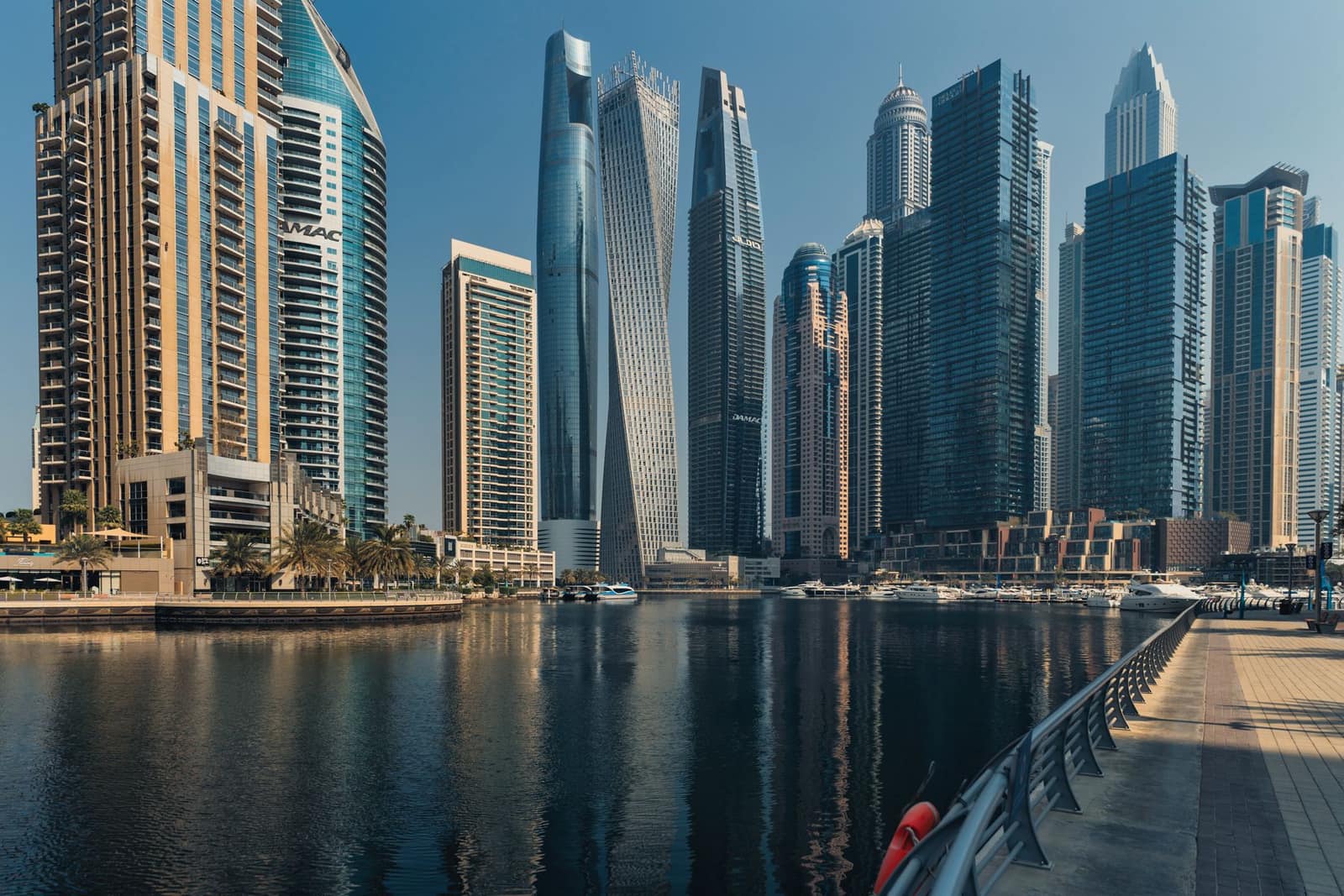 CEPAAEDAbu DhabiUnited Arab EmiratesIndia's biggest Gulf buyer and a re-export hub for the Middle East and Africa. CEPA in force since 2022.From India 2025-26US$ 37.4 bn
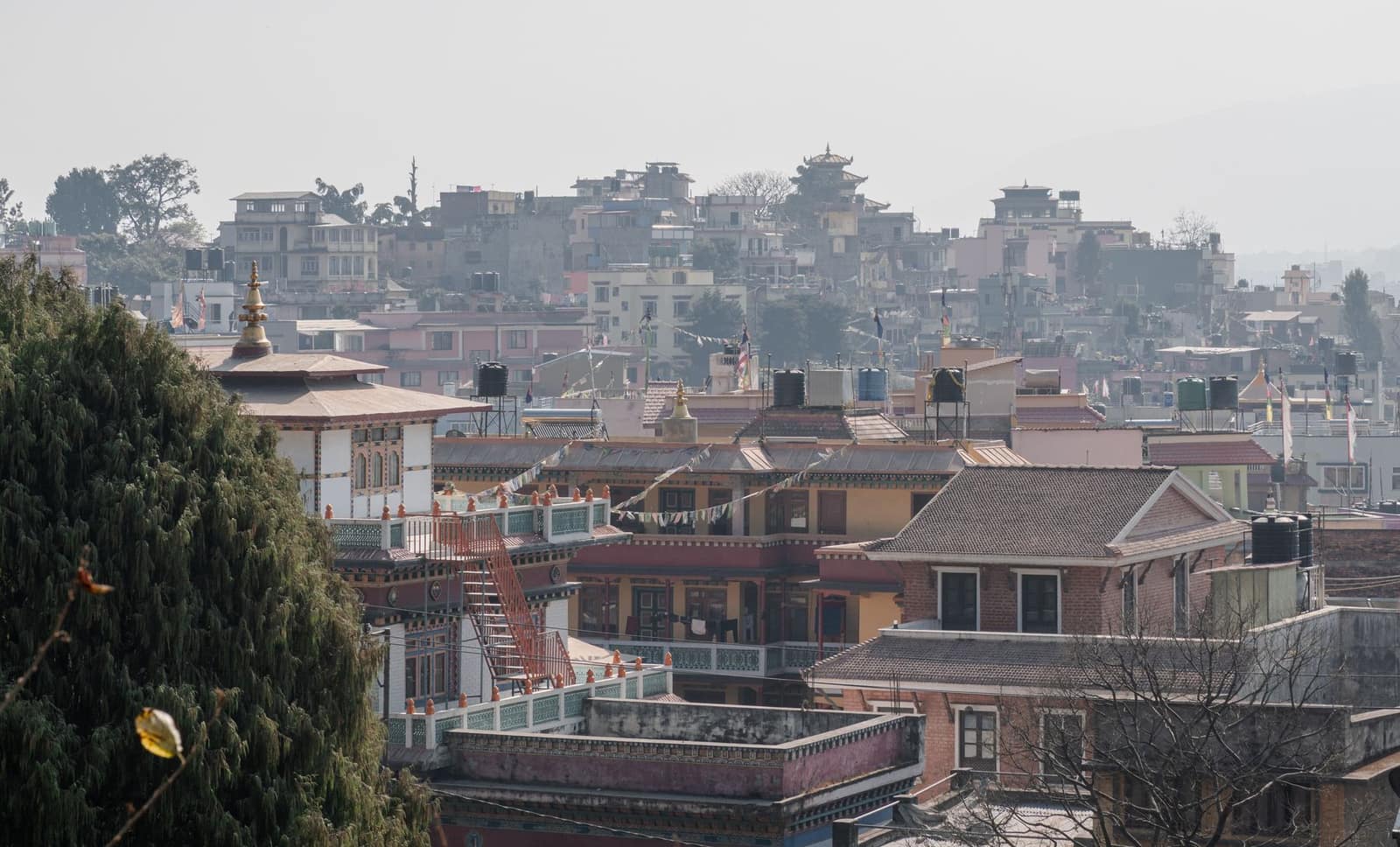 SAFTANPRKathmanduNepalOpen land border, rupee payments and a market that relies on Indian goods — an easy first market by road.From India 2025-26US$ 7.45 bn
 CEPAJPYTokyoJapanHigh-value, quality-obsessed market. Buys shrimp, chemicals, auto parts and garments; strict food-sanitation checks.From India 2025-26US$ 6.04 bn
 EURBerlinGermanyEurope's largest economy and India's biggest EU partner. Values quality, certificates and supply-chain transparency.From India 2025-26US$ 11.5 bn
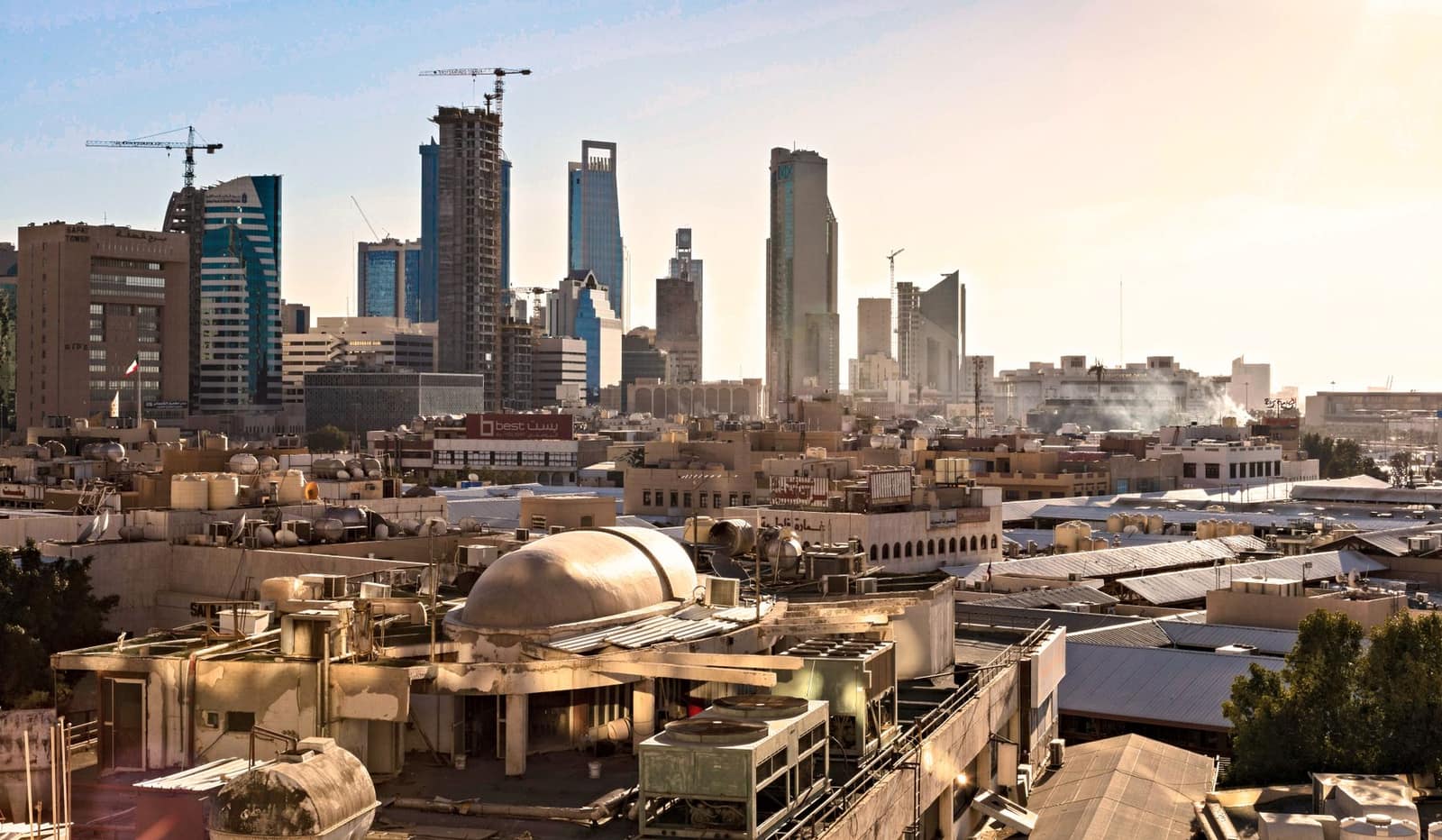 SARRiyadhSaudi ArabiaLarge Gulf market for rice, food and engineering goods. Strict SFDA food rules and SABER certification for regulated goods.From India 2025-26US$ 10.3 bn
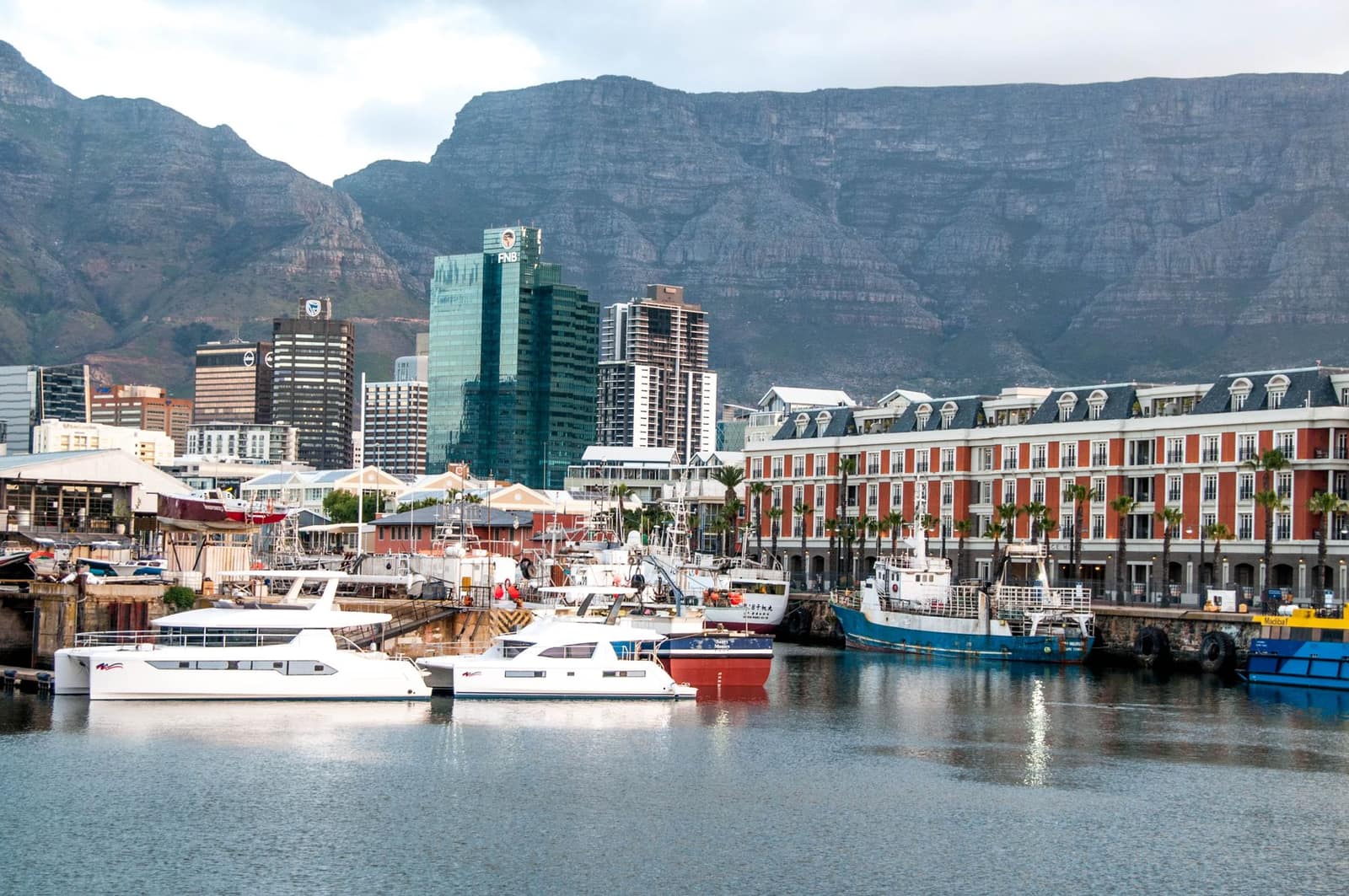 ZARPretoria (executive capital)South AfricaAfrica's most industrial economy. Buys vehicles, medicines, rice and chemicals; NRCS approval for regulated goods.From India 2025-26US$ 7.01 bn
 KESNairobiKenyaEast Africa's trade gateway via Mombasa. Buys medicines, vehicles, steel and rice; KEBS pre-shipment checks apply.From India 2025-26US$ 4.02 bn
More in other goods
All products → Free to exportOther goodsCeramic and vitrified tilesMorbi-made wall, floor and vitrified tiles shipped by container; the UAE, Russia, USA and UK lead.HS6907Exports 2025-26US$ 2.12 bn ↓0.5%
 Free to exportOther goodsGranite and natural stonePolished granite slabs, monuments and sandstone from South India and Rajasthan; the USA leads.HS6802Exports 2025-26US$ 1.17 bn ↑0.7%
 Free to exportOther goodsToysWooden, plastic and board-game toys; child-safety testing decides access to the USA and EU.HS9503Exports 2025-26US$ 201 mn ↑18.5%
 Free to exportOther goodsPaper and paperboard packagingPaper bags, cartons and food packaging as plastic is phased out; the USA leads, then the UK and UAE.HS4819Exports 2025-26US$ 353 mn ↑6.1%