

Processed food
Export dairy products
Ghee, milk powder, paneer and butter, mostly to the Gulf and the USA. EIC-approved plants and buyer-country health certificates are needed.
- HS code
- 0401–0406 Milk and cream (0401–0402), yoghurt and buttermilk (0403), whey (0404), butter and ghee (0405) and cheese and paneer (0406).
- Export policy
- Free to export Free under ITC(HS). Milk and milk products are notified for export inspection by EIC (notifications of 9 Nov 2020): the plant must be approved, and consignments certified where the importing country requires it. Confirm the current list of markets on EIC.
- Registrations
- 5 IEC, GST and those below
- India’s exports, 2025-26
- US$ 407 mn to 82 countries
What is exported
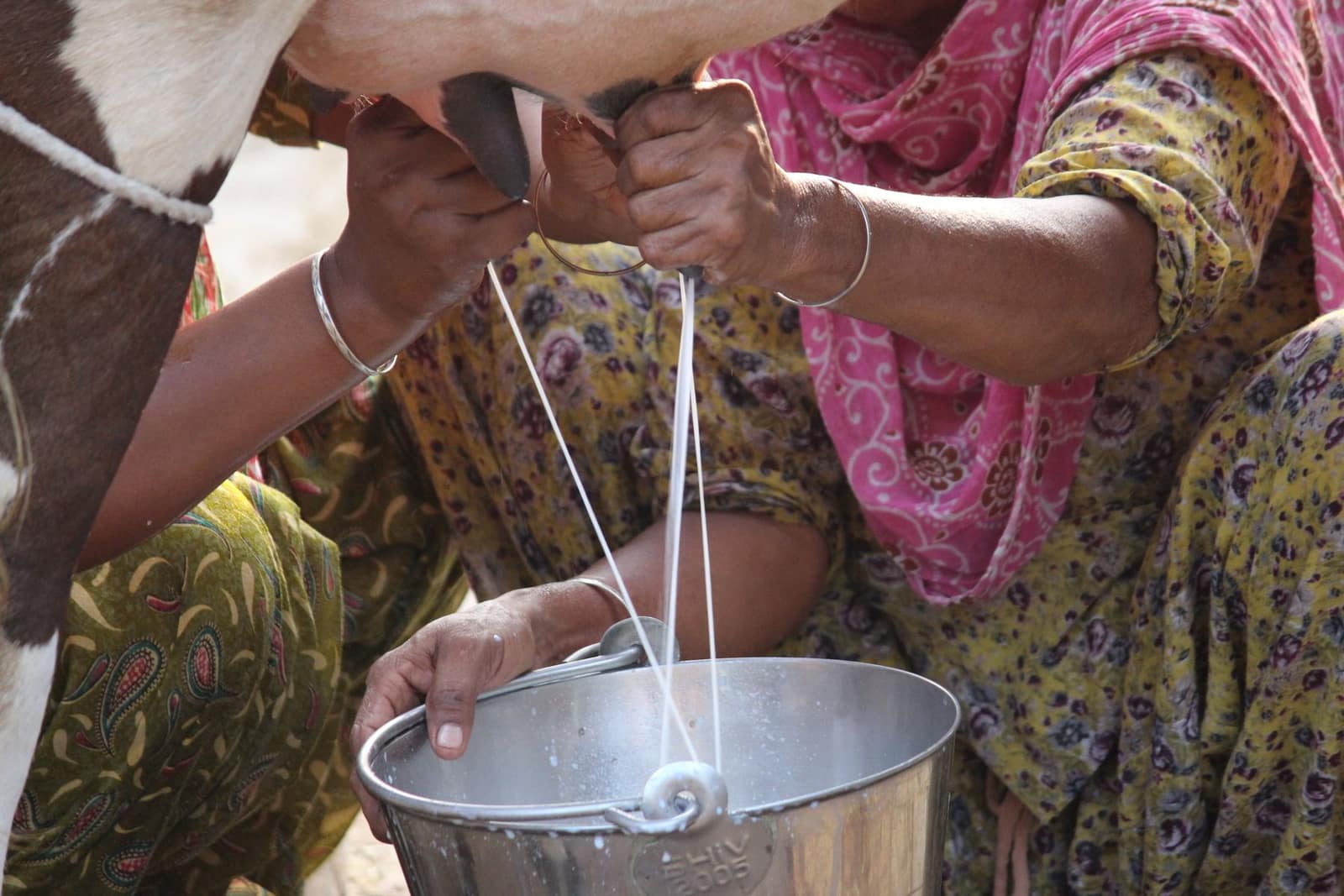
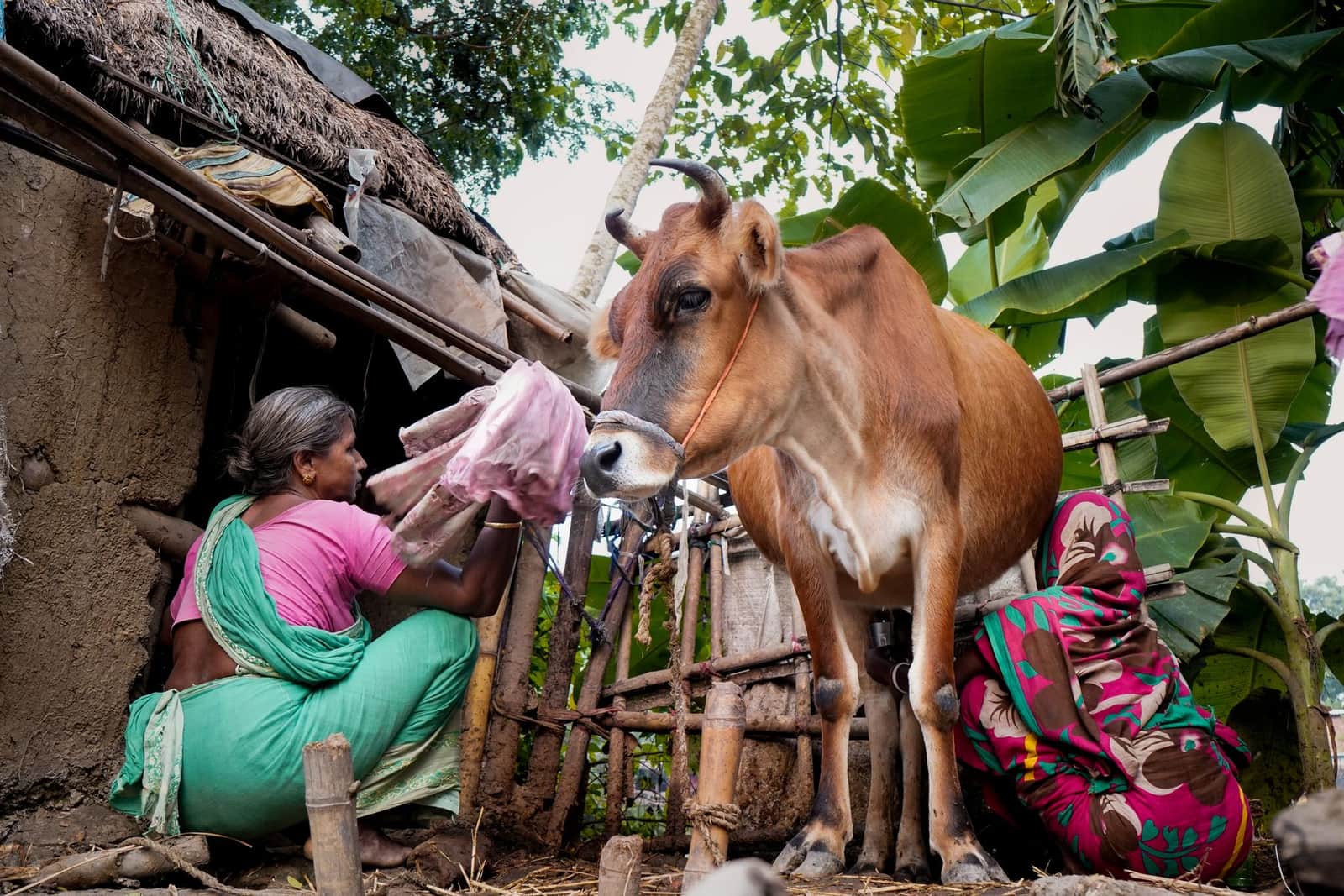
India is the world’s largest milk producer, with 247.87 million tonnes in 2024-25. Dairy exports in 2025-26 were 97,525 tonnes worth US$ 407 million, mainly to the UAE, Saudi Arabia, the USA, Bhutan and Bahrain. Ghee, skimmed milk powder and butter are the main lines.
Varieties, grades and forms
- Ghee (0405 90 20)Cow and buffalo ghee in tins and jars — the main dairy export for diaspora markets.
- Skimmed milk powder (SMP)Bulk ingredient sold on price; volumes swing with world prices.
- Butter and butter oilFor food-service and industry.
- Paneer and cheese (0406)Frozen paneer for diaspora stores; processed cheese.
Where it is grown or made
- GujaratAnand and the cooperative dairy network.
- Uttar PradeshLargest milk producer (15.66%).
- Rajasthan and Madhya PradeshRajasthan 14.82%, MP 9.12% of milk output.
- Maharashtra and PunjabPrivate and cooperative plants making ghee and powders.
The quality buyers ask for
- Ghee
- Milk fat, moisture, Reichert-Meissl value and other purity tests per FSSAI and the AGMARK Ghee Grading and Marking Rules, 2024; Codex milkfat products (CXS 280-1973)
- Milk powders
- Codex CXS 207-1999: whole milk powder 26–42% fat, skimmed milk powder 1.5% fat maximum, moisture 5% maximum, protein at least 34% of milk solids-not-fat
- Butter
- Codex CXS 279-1971: at least 80% milk fat; AGMARK creamery butter grades
- Residues and contaminants
- Antibiotic and pesticide residues, aflatoxin M1 and melamine within the destination’s limits
- Microbiology
- Plate count, coliforms, Salmonella and Listeria tested per the buyer and veterinary certificate
Certificates
- EIC plant approval and health certificateRequiredMilk and milk products are notified for EIC export inspection: the plant must be approved, and consignments certified where the importing country requires it.
- APEDA RCMCRequiredRegistration with APEDA, issued as an RCMC on the DGFT portal. Since 15 Sep 2026, a consignment up to ₹3 lakh FOB can go without it.
- FSSAI licenceRequiredCentral licence from FSSAI for the premises where the food is packed or stored for export. Apply on FoSCoS.
- ISO 22000 / FSSC 22000Often askedFood-safety management system certification. FSSC 22000 is recognised by GFSI, which large retailers and brand owners look for.
- HalalOften askedAsked for by many buyers in the Gulf, Malaysia and Indonesia, especially for processed and animal-origin foods. Use a body the destination recognises.
- HACCPOften askedA food-safety plan that identifies hazards at each processing step and controls them. Most importers ask for it from the processing unit.
Shipping, storage and shelf life
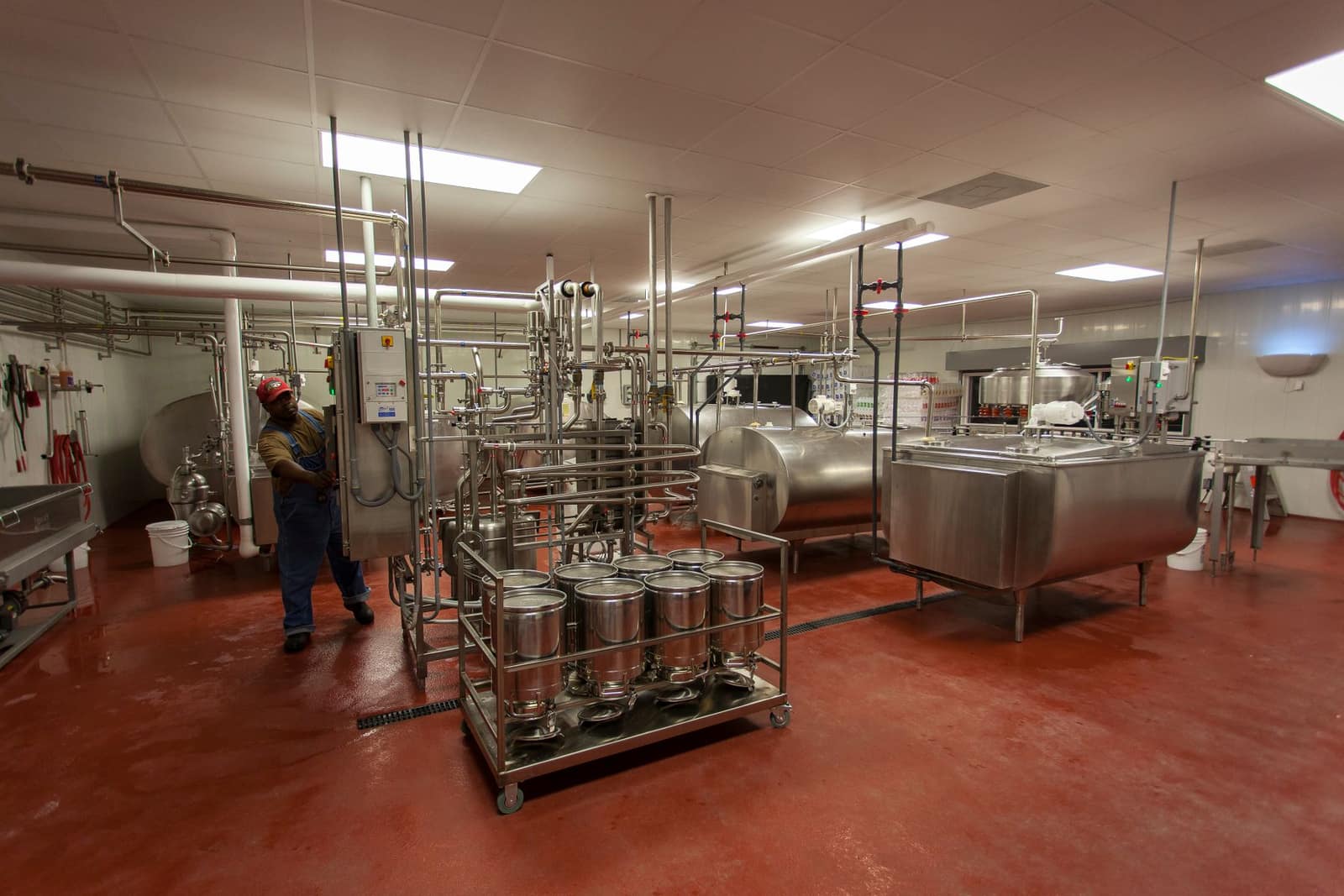
Ghee in tins or jars in cartons, and milk powder in 25 kg multi-wall bags, go in dry containers (a 20-ft typically about 16–20 tonnes of powder). Butter and cheese need reefers.
Sea freight from Mundra, Nhava Sheva and Chennai; land routes to Bangladesh, Bhutan and Nepal.
Cool and dry for ghee and powder; frozen (typically –18 °C) for butter; chilled for cheese.
Ghee and milk powder typically 12–24 months in sealed packs, depending on pack and storage.
What goes on the pack and carton
- EU retail packs (Regulation 1169/2011): name of the food, ingredients with allergens highlighted, net quantity, best-before date, storage conditions, the EU importer’s name and address, and origin where required — in the language of the country of sale.
- USA (21 CFR 101): product name, net quantity in both US and metric units, ingredients, allergens, name and place of business of the packer or distributor, Nutrition Facts unless exempt; and “Product of India” marking (19 CFR 134).
- Gulf countries: Arabic text (Arabic plus English is normal), production and expiry dates, net weight, country of origin and the importer’s details. Confirm the current rules with your importer.
- Many markets require the approved plant number on each pack, matching the veterinary or health certificate.
- Lot or batch number on every pack and bag — FSSAI’s Labelling and Display Regulations, 2020 require it, and every importing country uses it to trace and recall.
EIC/EIA laboratories and EIC-approved labs test milk products for export certification (eicindia.gov.in). The NDDB’s CALF laboratory at Anand and other NABL-accredited labs (search nabl-india.org) test residues, aflatoxin M1 and purity.
Benefits of exporting this product
- RoDTEP refund on this line
Milk, cream and milk powders (0401, 0402), butter, ghee and butter oil (0405) and cheese (0406): 0.5% of FOB, no value cap. Rate as listed in Appendix 4R (w.e.f. 10 Oct 2024); DGFT Notification 41/2026-27 keeps the rates in force on 30 Sep 2026 unchanged until 31 Dec 2026. Check your exact 8-digit line on dgft.gov.in before you price.
DGFT — Appendix 4R, RoDTEP schedule for DTA exports w.e.f. 10 Oct 2024 (Notification No. 32, 30 Sep 2024) ↗ - APEDA support (Bharat Krishi Niryat Yojana)
APEDA’s financial assistance scheme for 2026-27 to 2030-31 helps registered exporters, FPOs and processors with packhouses, cold chain and treatment plants, lab testing and quality systems, and market development (trade fairs, trial shipments, brand registration, retail listing fees). Read the component conditions before you spend.
APEDA — Bharat Krishi Niryat Yojana 2026-27 to 2030-31, operational guidelines (6 Oct 2026) ↗
Where to register
- APEDARegistration-cum-Membership Certificate (RCMC) for APEDA-scheduled products. Apply on the DGFT portal after you have your IEC.dgft.gov.in ↗
- FSSAIFood business licence. FSSAI rules put food exporters under the Central licence; apply on FoSCoS and keep it valid for the premises you pack from.foscos.fssai.gov.in ↗
- Export Inspection Council (EIC)Approval of the dairy plant by the Export Inspection Agency and an export/health certificate per consignment where required.eicindia.gov.in ↗
Quality and checks
- Microbiology, antibiotic and veterinary drug residues, aflatoxin M1 and melamine as required by the buyer.
- Country listing: some markets accept dairy only from listed establishments; Russia has its own advisory (APEDA, 7 Aug 2026).
- Halal certification is often asked for in Gulf markets.
Do not start with fresh milk products. Begin with ghee in tins or jars from an EIC-approved, FSSAI-licensed dairy, shipped LCL to a Gulf distributor, and check the importer’s registration needs first.
Where new exporters go wrong
- Buying ghee from a plant that is not EIC-approved — the health certificate cannot be issued.
- Assuming every market accepts Indian dairy; several large markets limit or close access. Check before quoting.
Documents this product needs
Schemes that apply
Trade data
Indian dairy products exports in numbers
From the Department of Commerce’s TradeStat, country by country. US$, Indian financial years (April–March).
- Exports in 2025-26
- US$ 407 mn +15.1% a year on average, 2020-21 to 2025-26
- Change from 2024-25
- ↓ -17.4% US$ 493 mn → US$ 407 mn
- Buyer countries
- 82
- Average export price
- US$ 4.18 per kg · 97,527 tonnes shipped · US$ 4.35 the year before
The price cycle
India’s average export price per kg each year (total value ÷ total quantity). Highest in 2024-25, lowest in 2021-22 — a 21% swing between them. Keep this swing in mind when you quote.
What next: a projection from the trend
The past trend carried forward — not a forecast by any authority. Sudden changes in policy, prices or demand are not in it.
Likely range US$ 372 mn to US$ 841 mn.
- Trend
- +12.6% a year
- Fit (R²)
- 0.46 — weak, read with care
- Based on
- 6 years of official figures
Method: a straight line through the logarithm of yearly exports (log-linear regression); range = ±1 standard error.
Biggest buyer countries
By value in 2025-26. Change is against 2024-25.
Where demand is rising and falling
Only countries that buy at least US$ 1 million or 1% of India’s exports of this product. Change from 2024-25 to 2025-26.
↑ High demand
↓ Low demand
- GeorgiaUS$ 5.9 mn → US$ 0↓-100%
- BahrainUS$ 60.8 mn → US$ 23.9 mn↓-60.7%
- BangladeshUS$ 18.3 mn → US$ 9.2 mn↓-49.8%
- EgyptUS$ 28 mn → US$ 14.2 mn↓-49.5%
- OmanUS$ 15.3 mn → US$ 8.5 mn↓-44.8%
- RussiaUS$ 7.5 mn → US$ 5 mn↓-33.7%
- MoroccoUS$ 17.1 mn → US$ 12.1 mn↓-29%
- Saudi ArabiaUS$ 76.4 mn → US$ 57.2 mn↓-25.1%
Which forms sell, and at what price
India’s exports by 8-digit tariff line, 2025-26. Average price = total value ÷ total quantity (TradeStat): the average of every shipment on that line, not the price of any one deal.
| Tariff line | Value 2025-26 | Change | Quantity | Average price |
|---|---|---|---|---|
Dairy produce, fats and oils derived from milk — melted butter (ghee)0405 90 20 | US$ 110 mn | ↓-6.5% | 14,834 tonnes | US$ 7.40 per kgwas US$ 7.15 |
Dairy produce, derived from milk, butter — butter0405 10 00 | US$ 97.2 mn | ↓-47.2% | 18,467 tonnes | US$ 5.26 per kgwas US$ 4.84 |
Other fats and oils dervtvd from milk0405 90 90 · Dairy produce, fats and oils derived from milk | US$ 54.9 mn | ↓-16.4% | 8,496 tonnes | US$ 6.46 per kgwas US$ 5.98 |
Dairy produce, cheese in heading no. 0406 — other cheese0406 90 00 | US$ 29.4 mn | ↓-4.8% | 6,587 tonnes | US$ 4.46 per kgwas US$ 4.58 |
Dairy produce, fats and oils derived from milk — butter oil0405 90 10 | US$ 24 mn | ↑+90% | 3,866 tonnes | US$ 6.21 per kgwas US$ 5.80 |
Processed cheese not grated/powdered0406 30 00 · Dairy produce, cheese, processed | US$ 19.9 mn | ↑+4.9% | 2,872 tonnes | US$ 6.92 per kgwas US$ 7.52 |
Dairy produce, milk and cream, concentrated or containing added sugar or other sweetening matter, in… — skimmed milk0402 10 10 | US$ 15.9 mn | ↓-12.6% | 5,449 tonnes | US$ 2.91 per kgwas US$ 2.65 |
Mlk and crm contng fat>1% but<=6% by weight0401 20 00 · Dairy produce, milk and cream, not concentrated, not containing added sugar or other sweetening matter, of… | US$ 14.7 mn | ↑+16.1% | 19,935 tonnes | US$ 0.74 per kgwas US$ 0.76 |
Others-of-frsh chese(including whey chse)not frmntd and curd0406 10 90 · Dairy produce, fresh cheese, not fermented, and curd | US$ 6.4 mn | ↑+14.2% | 1,687 tonnes | US$ 3.76 per kgwas US$ 3.93 |
Milk, cream etc.. of a fat content, by weight, exceeding 10%0401 50 00 · Dairy produce, milk and cream, not concentrated, not containing added sugar or other sweetening matter, of… | US$ 5.1 mn | ↑+47.6% | 3,291 tonnes | US$ 1.56 per kgwas US$ 1.16 |
Dairy produce, milk and cream, containing added sugar or other sweetening matter, other than in powder… — other milk and crem0402 99 90 | US$ 4.6 mn | ↑+82% | 1,698 tonnes | US$ 2.68 per kgwas US$ 3.37 |
Dairy produce, fresh cheese, not fermented, and curd — mozzarella cheese0406 10 10 | US$ 4.5 mn | ↑+96.1% | 1,036 tonnes | US$ 4.33 per kgwas US$ 4.04 |
Dairy produce, milk and cream, containing added sugar or other sweetening matter, in powder, granules or… — othersn(e.g.milk cream)0402 29 90 | US$ 4.3 mn | ↓-1.6% | 853 tonnes | US$ 5.01 per kgwas US$ 5.43 |
Others(crold mlk,crm,kihir etc.)0403 90 90 · Dairy produce, buttermilk, curdled milk or cream, kephir, fermented or acidified milk or cream, whether or… | US$ 3.8 mn | ↑+29.3% | 2,428 tonnes | US$ 1.58 per kgwas US$ 1.80 |
The world market
Each country’s own recorded exports and imports in UN Comtrade, 2023 (the latest year nearly every country has reported).
- World imports
- US$ 97.5 bn 2023
- India among exporters
- #45 of 155 countries
- India’s share of world exports
- 0.2% US$ 230 mn
- Left for others to win
- US$ 98.3 bn exported by other countries
Top exporters — your competitors
- 1GermanyUS$ 12.6 bn 12.8%
- 2New ZealandUS$ 11.9 bn 12.1%
- 3NetherlandsUS$ 10.8 bn 10.9%
- 4FranceUS$ 8.26 bn 8.4%
- 5USAUS$ 5.93 bn 6%
- 6ItalyUS$ 5.88 bn 6%
- 7BelgiumUS$ 4.75 bn 4.8%
- 8IrelandUS$ 4.31 bn 4.4%
- 9PolandUS$ 3.16 bn 3.2%
- 10DenmarkUS$ 3.15 bn 3.2%
Biggest buyers in the world
- 1GermanyUS$ 9.86 bn 10.1%
- 2ChinaUS$ 7.25 bn 7.4%
- 3FranceUS$ 5.9 bn 6.1%
- 4NetherlandsUS$ 5.2 bn 5.3%
- 5ItalyUS$ 5.17 bn 5.3%
- 6BelgiumUS$ 4.6 bn 4.7%
- 7United KingdomUS$ 3.95 bn 4.1%
- 8USAUS$ 3.22 bn 3.3%
- 9SpainUS$ 3.02 bn 3.1%
- 10MexicoUS$ 2.53 bn 2.6%
Opportunity: what these countries buy from the world, and from India
Each country’s own recorded imports in UN Comtrade, latest year it has reported. The long light part of each bar is demand other countries are filling today.
TradeStat’s 2023-24 quantities are double-counted, so that year is left out of the price. Sources: TradeStat — Export Import Data Bank, Department of Commerce · UN Comtrade database (United Nations Statistics Division) · Figures taken 29 October 2026.
Step by step
How to export dairy products
India is the world’s largest milk producer (APEDA), but most of its milk is consumed at home, so its dairy exports are small next to New Zealand, the EU, the USA and Australia. Exports rise when India has surplus milk powder and butter, and fall when home prices rise. Ghee is India’s distinctive dairy export, bought by Gulf and diaspora markets; neighbours such as Bangladesh, Bhutan and Nepal buy milk powder and other products. The openings are ghee, paneer and Indian sweets for diaspora retail, and markets opened through veterinary certification.
- 01Check market access
Dairy needs the importing country to accept Indian veterinary certificates. Check APEDA and EIC for open markets and advisories.
- 02Use an approved plant
Make or buy from a plant approved by EIC and, where needed, listed by the importing country.
- 03Agree specs
Fix fat, moisture, pack, shelf life and the certificates the buyer needs.
- 04Test each batch
Test residues, aflatoxin M1, microbes and purity.
- 05Certify and ship
Get the EIC health certificate, file the shipping bill and ship in the right container.
- 06Get paid and close the file
Send the original documents through your bank (or to the buyer if paid in advance). Once the money arrives, get the e-BRC and claim RoDTEP and drawback where they apply.
Meet buyers
Trade fairs
- Usually late January or FebruaryGulfoodDubaigulfood.com ↗
- October, in even-numbered years (next: 2028)SIAL ParisParissialparis.com ↗
- October, in odd-numbered years (next: 2027)AnugaCologneanuga.com ↗
- Usually SeptemberWorld Food IndiaNew Delhiworldfoodindia.gov.in ↗
- March (2026 edition: 10–14 March)AAHAR — International Food & Hospitality Fair (ITPO)New Delhiitpo.gov.in ↗
Questions
Questions about exporting dairy products
Can I export ghee from a small dairy?
Why can’t I sell Indian dairy everywhere?
Is milk powder export allowed?
What tests prove ghee is pure?
Which dairy products travel best?
Sources (6)
- APEDA — Dairy Products profile
- EIC — Executive instructions for export of milk and milk products
- APEDA — Animal Products (advisories for dairy exports)
- Codex Alimentarius — list of standards
- Directorate of Marketing & Inspection — AGMARK grade standards (commodity-wise rules)
- NABL — National Accreditation Board for Testing and Calibration Laboratories (laboratory search)
Who buys Indian dairy products
All countries → CEPAAEDAbu DhabiUnited Arab EmiratesIndia's biggest Gulf buyer and a re-export hub for the Middle East and Africa. CEPA in force since 2022.From India 2025-26US$ 37.4 bn
 SARRiyadhSaudi ArabiaLarge Gulf market for rice, food and engineering goods. Strict SFDA food rules and SABER certification for regulated goods.From India 2025-26US$ 10.3 bn
 USDWashington, D.C.United States of AmericaIndia's largest single-country export market. Strict FDA rules for food; extra 10% US duty on most goods since July 2026.From India 2025-26US$ 87.3 bn
 SAFTABTNThimphuBhutanDuty-free, rupee-based neighbour market reached by road from West Bengal and Assam.From India 2025-26US$ 1.25 bn
 SAFTAMVRMaléMaldivesIsland neighbour that imports almost all its food and building material. India supplies essentials under special annual quotas.From India 2025-26US$ 459 mn
More in processed food
All products → Free to exportProcessed foodTeaAssam, Darjeeling, Nilgiri and CTC tea. You need a Tea Board exporter licence; residues and GI rules matter.HS0902Exports 2025-26US$ 899 mn ↑8%
 Free to exportProcessed foodCoffeeArabica and Robusta green beans, monsooned and instant coffee. Coffee Board registration and an export permit for every shipment.HS0901.11Exports 2025-26US$ 1.41 bn ↑13%
 Free, with conditionsProcessed foodNatural honeyMustard, multiflora and other honeys, mostly to the USA. A minimum export price of US$ 1,400/tonne applies till 31 Dec 2026.HS0409.00Exports 2025-26US$ 208 mn ↑0.7%
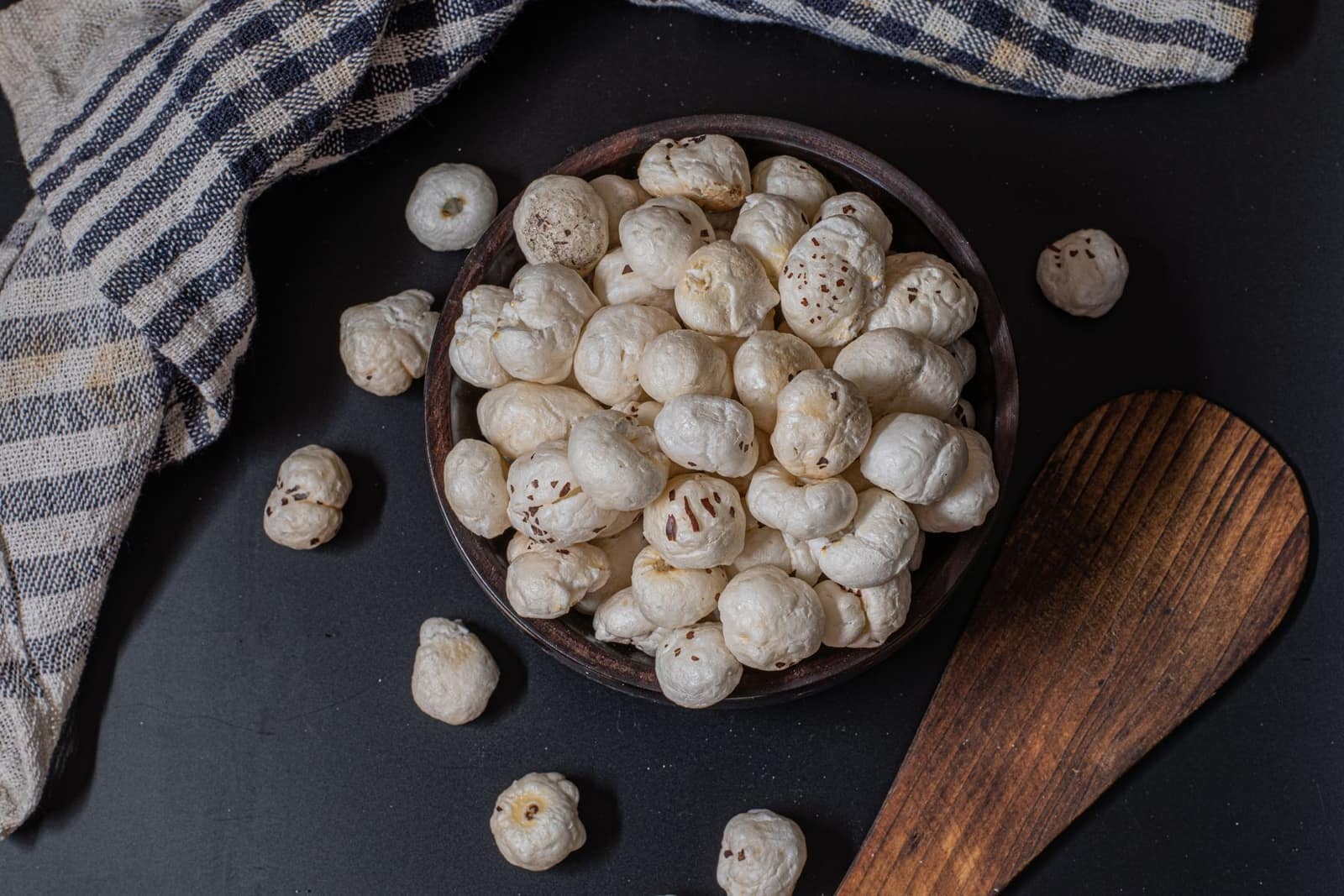 Free to exportProcessed foodMakhana (fox nut)Popped and flavoured makhana from Bihar for health-snack shelves in the USA, UK and Middle East. Small volumes, strong packaging needs.HS2008.19Exports 2025-26US$ 21.8 mn