

Pharma & chemicals
Export vaccines and blood products
Vaccines from Pune and Hyderabad supplied to UN agencies and health ministries; WHO prequalification is the key.
- HS code
- 3002 Vaccines for human and veterinary use, antisera, immunological products and blood fractions (3002).
- Export policy
- Free to export Free to export under ITC(HS) Schedule 2 as checked in November 2026. Vaccines must come from a CDSCO-licensed maker. Vaccines themselves are generally outside SCOMET, but pathogens, toxins and some biological equipment are controlled under SCOMET Category 2. Confirm your exact 8-digit line on the DGFT ITC(HS) search before you ship.
- Registrations
- 4 IEC, GST and those below
- India’s exports, 2025-26
- US$ 2.25 bn to 186 countries
What is exported
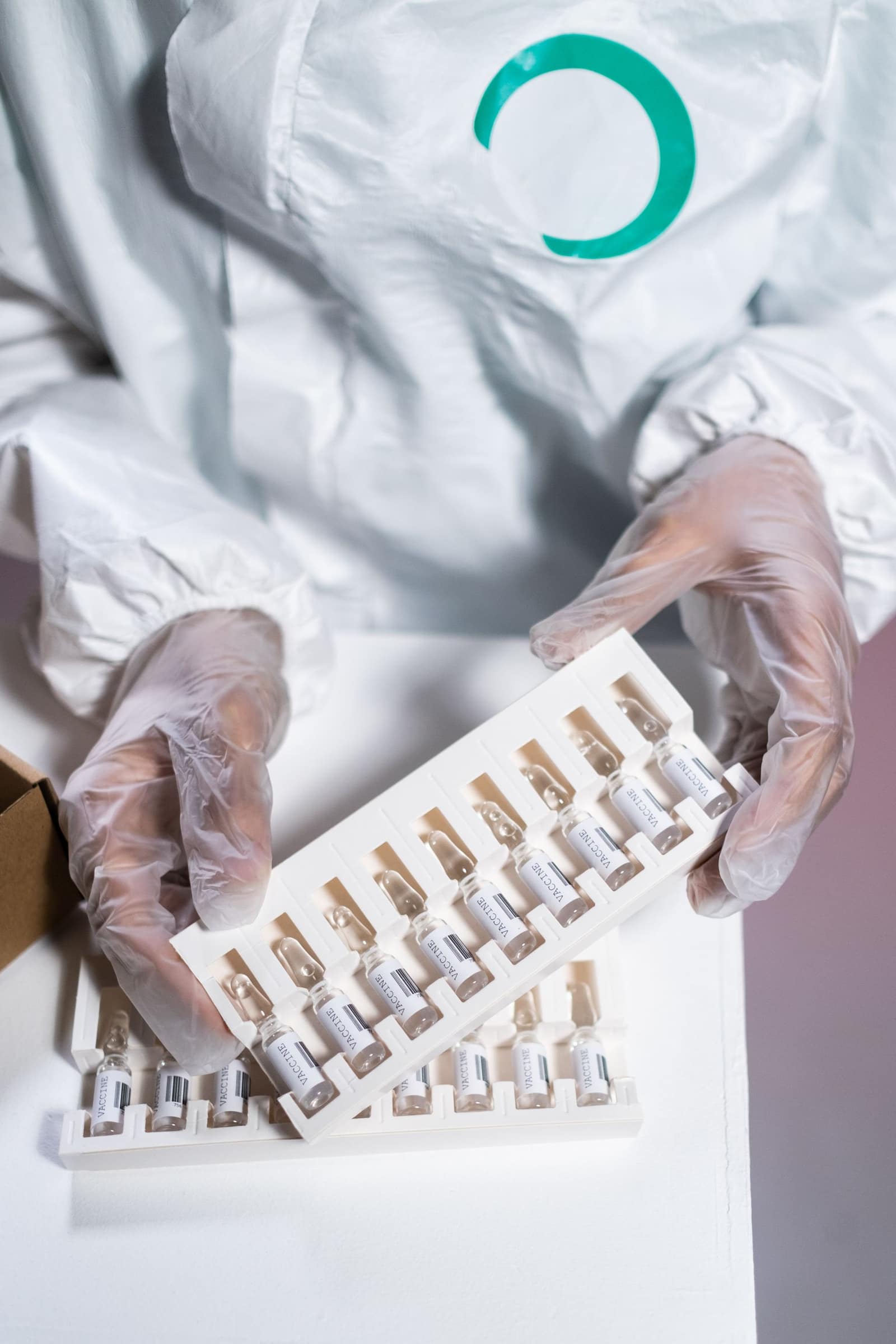
India is one of the world's largest vaccine suppliers by volume, with major makers in Pune and Hyderabad (Genome Valley) supplying UNICEF, PAHO, GAVI-funded programmes and health ministries. In 2025-26 India exported about US$ 2.2 billion under HS 3002; Nigeria led, followed by the USA, Indonesia, DR Congo, Mexico and Bangladesh. This is a manufacturer-led trade with strict cold-chain and regulatory rules.
Varieties, grades and forms
- Childhood vaccinesDPT, measles–rubella, BCG, polio, pentavalent and rotavirus vaccines for immunisation programmes.
- Adult and travel vaccinesTyphoid, hepatitis, rabies and influenza vaccines.
- Antisera and immunoglobulinsAnti-snake venom, anti-rabies and tetanus sera.
- Veterinary vaccinesFoot-and-mouth, poultry and other livestock vaccines.
Where it is grown or made
- MaharashtraPune
- TelanganaHyderabad — Genome Valley
- OtherTamil Nadu (Chennai, Coonoor), Gujarat (Ahmedabad), Himachal Pradesh (Kasauli)
The quality buyers ask for
- Potency and safety
- Potency, sterility, endotoxin and identity tests per WHO recommendations and the pharmacopoeia
- Presentation
- Single- or multi-dose vials or prefilled syringes as the tender asks
- Vaccine vial monitor
- VVM type matched to the vaccine's heat stability (WHO PQS)
- Cold chain
- 2–8 °C (or frozen) storage and transport; freeze-sensitive products must not freeze
- Remaining shelf life
- Minimum remaining shelf life on delivery as set in the contract
Certificates
- CDSCO manufacturing licence and marketing authorisationRequiredRequired to make and export vaccines from India.
- Lot release (Central Drugs Laboratory, Kasauli)RequiredNational control laboratory release of each lot.
- WHO prequalificationOften askedRequired for UN procurement (UNICEF, PAHO).
- Registration in the importing countryRequiredEach country's regulator must license the vaccine, though many rely on WHO prequalification.
- COPPOften askedCertificate of Pharmaceutical Product issued through CDSCO for registration abroad.
Shipping, storage and shelf life
Insulated passive shippers on air pallets, or temperature-controlled (reefer) containers for large sea shipments.
Mostly air freight with temperature-controlled handling at both airports.
2–8 °C cold rooms with continuous monitoring and backup power.
Set by the licence, commonly one to three years.
What goes on the pack and carton
- Name, strength, dose, route, batch, expiry, storage conditions and maker, as approved in the registration.
- Outer cartons: "Keep refrigerated 2–8 °C", "Do not freeze" and shipping indicators.
- Language and format as the UN agency or importing regulator requires.
The Central Drugs Laboratory, Kasauli, is the national control laboratory for vaccines and sera. NABL-accredited biological labs support quality-control testing.
Benefits of exporting this product
- RoDTEP: 0.7% of FOB
Tariff item 3002 41 19 (other vaccines for human medicine) earns 0.7% of FOB value, with no rupee cap, as a duty credit scrip on ICEGATE. Veterinary vaccines (3002 42 00) also carry 0.7%; antisera such as anti-rabies serum (3002 12 30) carry 0.5%. These rates continue to 31 Dec 2026 (DGFT Notification 41/2026-27). Confirm your exact 8-digit line on the DGFT RoDTEP page before you price an order.
DGFT — Appendix 4R, RoDTEP schedule for DTA exports w.e.f. 10.10.2024 (Notification 32/2024-25); rates continued to 31.12.2026 by Notification 41/2026-27 ↗ - No duty drawback (All Industry Rate: Nil)
Heading 3002 is listed with a Nil All Industry Rate in Notification 77/2023-Customs (N.T.). Makers with high imported inputs can apply for a brand rate or use Advance Authorisation instead.
Gazette of India — Notification 77/2023-Customs (N.T.) dated 20.10.2023: All Industry Rates of duty drawback ↗
Where to register
- PharmexcilBiotech and biological products are listed under Pharmexcil in Appendix 2T.pharmexcil.com ↗
- CDSCOManufacturing licence and marketing authorisation; lots are tested and released through the Central Drugs Laboratory, Kasauli; CDSCO issues the COPP that importing regulators ask for.cdsco.gov.in ↗
Quality and checks
- WHO prequalification is required for supply to UNICEF and other UN procurement; regulated markets need their own licence (US FDA BLA, EU marketing authorisation).
- Lot release certificate from the national control laboratory and the importing country's own lot release where required.
- Cold chain of 2–8 °C (or frozen for some products) with vaccine vial monitors, data loggers and validated shippers.
Vaccines are not a trader's first product. A newcomer can work with a licensed maker on veterinary vaccines or as an agent for government tenders in Africa and Asia, where the maker holds the registration and ships directly.
Where new exporters go wrong
- Cold-chain breaks at airports; book temperature-controlled handling end to end.
- Tendering without WHO prequalification where the buyer requires it.
- Short remaining shelf life on arrival; most tenders demand a minimum shelf life.
Documents this product needs
Schemes that apply
- RoDTEP Remission of Duties and Taxes on Exported Products
- Drawback Duty Drawback (All Industry Rates)
- Advance Authorisation Advance Authorisation
- EPCG Export Promotion Capital Goods Scheme
- ECGC ECGC export credit insurance for small exporters
- LUT Letter of Undertaking for zero-rated exports under GST
- Status Holder Status Holder certificate (One to Five Star Export House)
- MAI / MAS Market Access Initiative (now Market Access Support under EPM)
Sources (7)
- Department of Commerce, Export Import Data Bank — India's exports of HS 3002 by country, 2025-26
- DGFT — Appendix 2T: Export Promotion Councils and the products under each
- DGFT — ITC(HS) export policy search (Schedule 2) and SCOMET list (Appendix 3)
- CDSCO — Central Drugs Standard Control Organisation
- Central Drugs Laboratory, Kasauli (vaccines and sera testing)
- WHO — Prequalification of medical products (vaccines, medicines, diagnostics)
- Pharmexcil — official site
Trade data
Indian vaccines and blood products exports in numbers
From the Department of Commerce’s TradeStat, country by country. US$, Indian financial years (April–March).
- Exports in 2025-26
- US$ 2.25 bn +12.8% a year on average, 2020-21 to 2025-26
- Change from 2024-25
- ↑ +26.4% US$ 1.78 bn → US$ 2.25 bn
- Buyer countries
- 186
- Average export price
- US$ 280.30 per kg · 8,015 tonnes shipped · US$ 257.50 the year before
The price cycle
India’s average export price per kg each year (total value ÷ total quantity). Highest in 2020-21, lowest in 2021-22 — a 146% swing between them. Keep this swing in mind when you quote.
What next: a projection from the trend
The past trend carried forward — not a forecast by any authority. Sudden changes in policy, prices or demand are not in it.
Likely range US$ 2.39 bn to US$ 2.86 bn.
- Trend
- +11.3% a year
- Fit (R²)
- 0.94
- Based on
- 6 years of official figures
Method: a straight line through the logarithm of yearly exports (log-linear regression); range = ±1 standard error.
Biggest buyer countries
By value in 2025-26. Change is against 2024-25.
Where demand is rising and falling
Only countries that buy at least US$ 1 million or 1% of India’s exports of this product. Change from 2024-25 to 2025-26.
↑ High demand
- MexicoUS$ 5.7 mn → US$ 93.6 mn↑+1,533.3%
- NigerUS$ 14.6 mn → US$ 55.5 mn↑+281.2%
- NigeriaUS$ 66.7 mn → US$ 172 mn↑+157.4%
- IranUS$ 22.8 mn → US$ 56.4 mn↑+148%
- SudanUS$ 17.3 mn → US$ 37.8 mn↑+118.7%
- IndonesiaUS$ 45.3 mn → US$ 97.9 mn↑+116.3%
- RussiaUS$ 23.8 mn → US$ 49.9 mn↑+109.7%
- Sri LankaUS$ 19 mn → US$ 38.6 mn↑+102.7%
↓ Low demand
New buyers: Countries that bought nothing from India in 2024-25 and did in 2025-26.
- Malta · US$ 4.8 mn
Which forms sell, and at what price
India’s exports by 8-digit tariff line, 2025-26. Average price = total value ÷ total quantity (TradeStat): the average of every shipment on that line, not the price of any one deal.
| Tariff line | Value 2025-26 | Change | Quantity | Average price |
|---|---|---|---|---|
Others-of-vaccines for human medicine3002 41 29 · Vaccines, toxins, cultures of micro-organisms and similar products, for human medicine | US$ 628 mn | ↑+61.7% | 1,836 tonnes | US$ 341.81 per kgwas US$ 279.76 |
Immunological products, put up in measured doses or in forms or packings for retail sale3002 15 00 · Blood, human or animal, antisera, other blood fractions and immunological products, immunological products… | US$ 397 mn | ↑+30% | 521 tonnes | US$ 762.60 per kgwas US$ 714.74 |
Others-of-vaccines for human medicine3002 41 19 · Vaccines, toxins, cultures of micro-organisms and similar products, for human medicine | US$ 351 mn | ↑+4.2% | 1,352 tonnes | US$ 259.49 per kgwas US$ 207.76 |
Measles, mumps and rubella (mmr)3002 41 23 · Vaccines, toxins, cultures of micro-organisms and similar products, for human medicine | US$ 173 mn | ↓-5.3% | 488 tonnes | US$ 354.70 per kgwas US$ 421.08 |
Others-of-antisera and other blood fractions:3002 12 90 · Blood, human or animal, antisera, other blood fractions and immunological products, antisera and other… | US$ 132 mn | ↑+20.7% | 591 tonnes | US$ 223.13 per kgwas US$ 354.11 |
Polio (single vaccines for)3002 41 14 · Vaccines, toxins, cultures of micro-organisms and similar products, for human medicine | US$ 125 mn | ↑+24.1% | 496 tonnes | US$ 252.53 per kgwas US$ 218.77 |
Rabies (single vaccines for)3002 41 16 · Vaccines, toxins, cultures of micro-organisms and similar products, for human medicine | US$ 79.4 mn | ↑+43.2% | 346 tonnes | US$ 229.22 per kgwas US$ 197.16 |
Cholera and typhoid (single vaccines for)3002 41 11 · Vaccines, toxins, cultures of micro-organisms and similar products, for human medicine | US$ 74.4 mn | ↑+10.2% | 117 tonnes | US$ 636.04 per kgwas US$ 567.81 |
Cultures of micro-organisms (excludinguding yeast)3002 49 10 · Toxins, cultures of micro-organisms and similar products in item 3002.3 | US$ 37.3 mn | ↑+3.8% | 432 tonnes | US$ 86.29 per kgwas US$ 82.59 |
Tuberculosis (single vaccines for)3002 41 15 · Vaccines, toxins, cultures of micro-organisms and similar products, for human medicine | US$ 37 mn | ↑+37.2% | 129 tonnes | US$ 286.30 per kgwas US$ 245.24 |
Immunological products, mixed, not put up in measured doses or in forms or packings for retail sale:3002 14 00 · Blood, human or animal, antisera, other blood fractions and immunological products, immunological products… | US$ 36.9 mn | ↑+24.1% | 16 tonnes | US$ 2346.88 per kgwas US$ 34783.63 |
Others-of-others-of-humn,anml,bld for mdcnl use; mdfd imunlgcl prdt w/n_bitech prcs;vccns,txns,cltr_mcrgnsm,ether smlr p; cell3002 90 90 · Toxins, cultures of micro-organisms and similar products | US$ 29 mn | ↑+23.6% | 545 tonnes | US$ 53.19 per kgwas US$ 83.13 |
Diphtheria and tetatus (dt)3002 41 22 · Vaccines, toxins, cultures of micro-organisms and similar products, for human medicine | US$ 25.6 mn | ↑+19.5% | 329 tonnes | US$ 77.94 per kgwas US$ 79.10 |
Immunological products, unmixed, not put up in measured doses or in forms or packings for retail sale3002 13 00 · Blood, human or animal, antisera, other blood fractions and immunological products, immunological products… | US$ 24.5 mn | ↑+57.3% | 1.3 tonnes | US$ 19292.45 per kgwas US$ 8360.13 |
The world market
Each country’s own recorded exports and imports in UN Comtrade, 2023 (the latest year nearly every country has reported).
- World imports
- US$ 320.4 bn 2023
- India among exporters
- #19 of 140 countries
- India’s share of world exports
- 0.5% US$ 1.68 bn
- Left for others to win
- US$ 315 bn exported by other countries
Top exporters — your competitors
- 1SwitzerlandUS$ 52.4 bn 16.6%
- 2USAUS$ 49.9 bn 15.8%
- 3GermanyUS$ 46.9 bn 14.8%
- 4IrelandUS$ 44.4 bn 14%
- 5BelgiumUS$ 31.2 bn 9.8%
- 6ItalyUS$ 11.8 bn 3.7%
- 7AustriaUS$ 10.2 bn 3.2%
- 8FranceUS$ 9.55 bn 3%
- 9NetherlandsUS$ 8.18 bn 2.6%
- 10SpainUS$ 7.39 bn 2.3%
Biggest buyers in the world
- 1USAUS$ 82 bn 25.6%
- 2GermanyUS$ 36.8 bn 11.5%
- 3BelgiumUS$ 22.4 bn 7%
- 4SwitzerlandUS$ 17.5 bn 5.5%
- 5ChinaUS$ 16.9 bn 5.3%
- 6FranceUS$ 15.9 bn 5%
- 7JapanUS$ 14.1 bn 4.4%
- 8ItalyUS$ 11.1 bn 3.5%
- 9United KingdomUS$ 9.28 bn 2.9%
- 10IrelandUS$ 7.26 bn 2.3%
Opportunity: what these countries buy from the world, and from India
Each country’s own recorded imports in UN Comtrade, latest year it has reported. The long light part of each bar is demand other countries are filling today.
TradeStat’s 2023-24 quantities are double-counted, so that year is left out of the price. Sources: TradeStat — Export Import Data Bank, Department of Commerce · UN Comtrade database (United Nations Statistics Division) · Figures taken 29 October 2026.
Step by step
How to export vaccines and blood products
India is one of the largest vaccine producers in the world by doses and a major supplier to UNICEF and national immunisation programmes, especially for childhood vaccines. Competitors include large European and US vaccine companies at the high end and makers in China, Indonesia and Brazil in public-sector markets. Demand is driven by national immunisation programmes, donor funding through GAVI, and outbreak response. Openings are mainly for licensed makers with WHO prequalification; traders can work on veterinary vaccines and as agents in tenders.
- 01Licence and prequalify
CDSCO licence; WHO prequalification for UN tenders.
- 02Register abroad
File dossiers or use WHO collaborative registration where available.
- 03Bid or contract
UN long-term agreements, ministry tenders or private importers.
- 04Release lots
CDL Kasauli lot release and importing-country release.
- 05Plan the cold chain
Validated shippers, data loggers and booked cold space at both ends.
- 06Ship and claim
File the shipping bill; claim RoDTEP (no drawback AIR on 3002).
- 07Payment
UN agencies pay on agreed terms after delivery; for private buyers use advance or LC.
Meet buyers
Trade fairs
- Usually June — check datesBIO International ConventionUSA (city changes)bio.org ↗
- Usually April — check datesWorld Vaccine Congress WashingtonWashington DC, USAterrapinn.com ↗
- October–November — check datesCPHI Worldwide (Europe)Europe (city changes)cphi.com ↗
- Usually late January to February — check datesWHX Dubai (formerly Arab Health)Dubai, UAEwhx.com ↗
Questions
Questions about exporting vaccines and blood products
Can a trader export vaccines?
What is WHO prequalification?
Is there duty drawback on vaccines?
Which council?
Are vaccines SCOMET items?
Sources (6)
- CDSCO — Central Drugs Standard Control Organisation
- Central Drugs Laboratory, Kasauli (vaccines and sera testing)
- WHO — Prequalification of medical products (vaccines, medicines, diagnostics)
- Pharmexcil — official site
- DGFT — Appendix 4R, RoDTEP schedule for DTA exports w.e.f. 10.10.2024 (Notification 32/2024-25); rates continued to 31.12.2026 by Notification 41/2026-27
- Gazette of India — Notification 77/2023-Customs (N.T.) dated 20.10.2023: All Industry Rates of duty drawback
Who buys Indian vaccines and blood products
All countries → USDWashington, D.C.United States of AmericaIndia's largest single-country export market. Strict FDA rules for food; extra 10% US duty on most goods since July 2026.From India 2025-26US$ 87.3 bn
 AITIGAIDRJakartaIndonesiaWorld's fourth most populous country. Buys Indian vehicles, steel, chemicals, groundnuts and meat; halal and BPOM rules for food.From India 2025-26US$ 4.49 bn
 SAFTABDTDhakaBangladeshBig neighbour market for cotton, yarn, food and machinery. Mostly LC-based; land and sea routes.From India 2025-26US$ 10.6 bn
 EURAmsterdamNetherlandsEurope's main gateway: Rotterdam handles goods for the whole EU. EU food-safety and residue rules apply.From India 2025-26US$ 17.5 bn
 KESNairobiKenyaEast Africa's trade gateway via Mombasa. Buys medicines, vehicles, steel and rice; KEBS pre-shipment checks apply.From India 2025-26US$ 4.02 bn
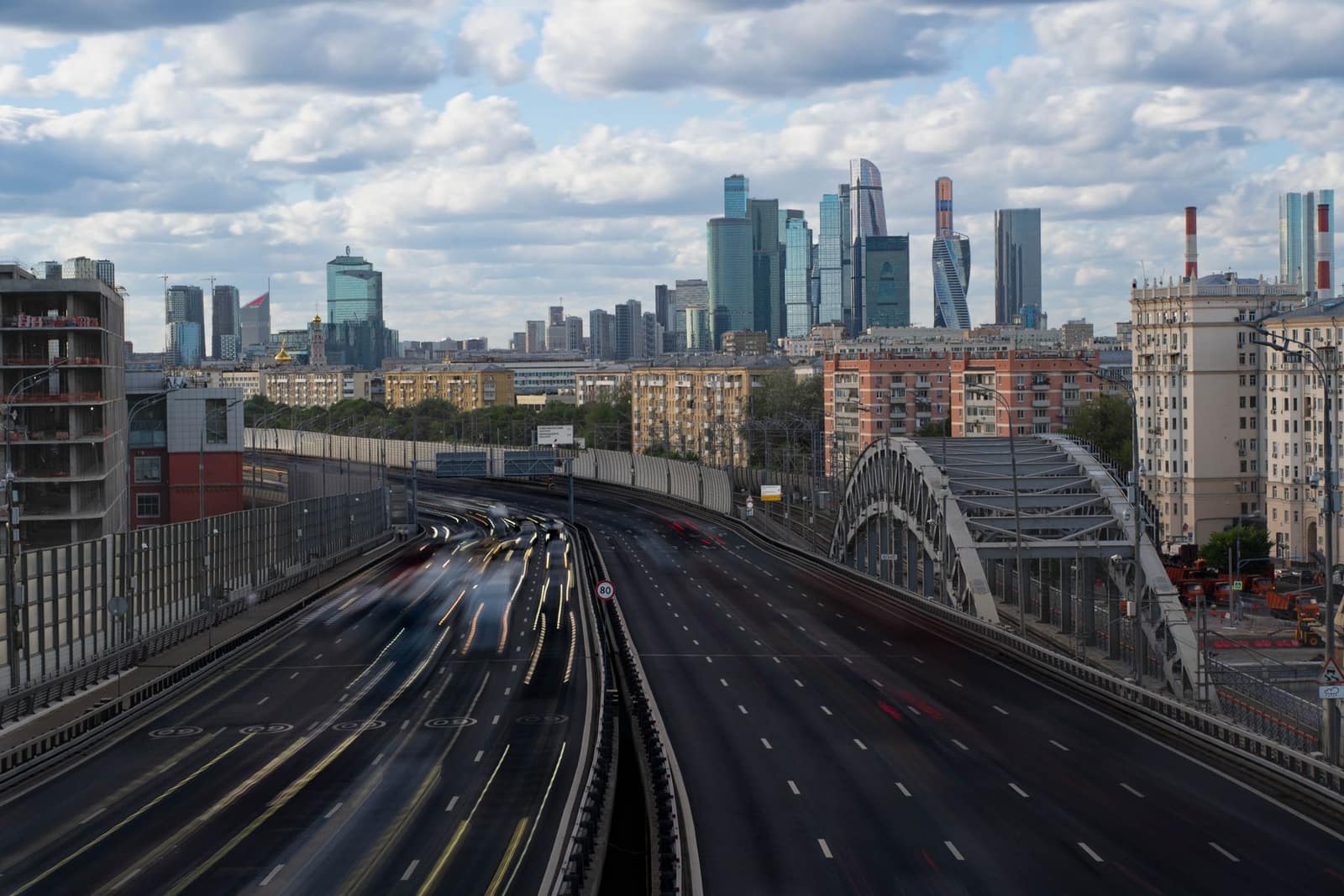 RUBMoscowRussiaGrowing buyer of Indian food, medicines and machinery. Payments need care because of sanctions; EAC certification applies.From India 2025-26US$ 4.49 bn
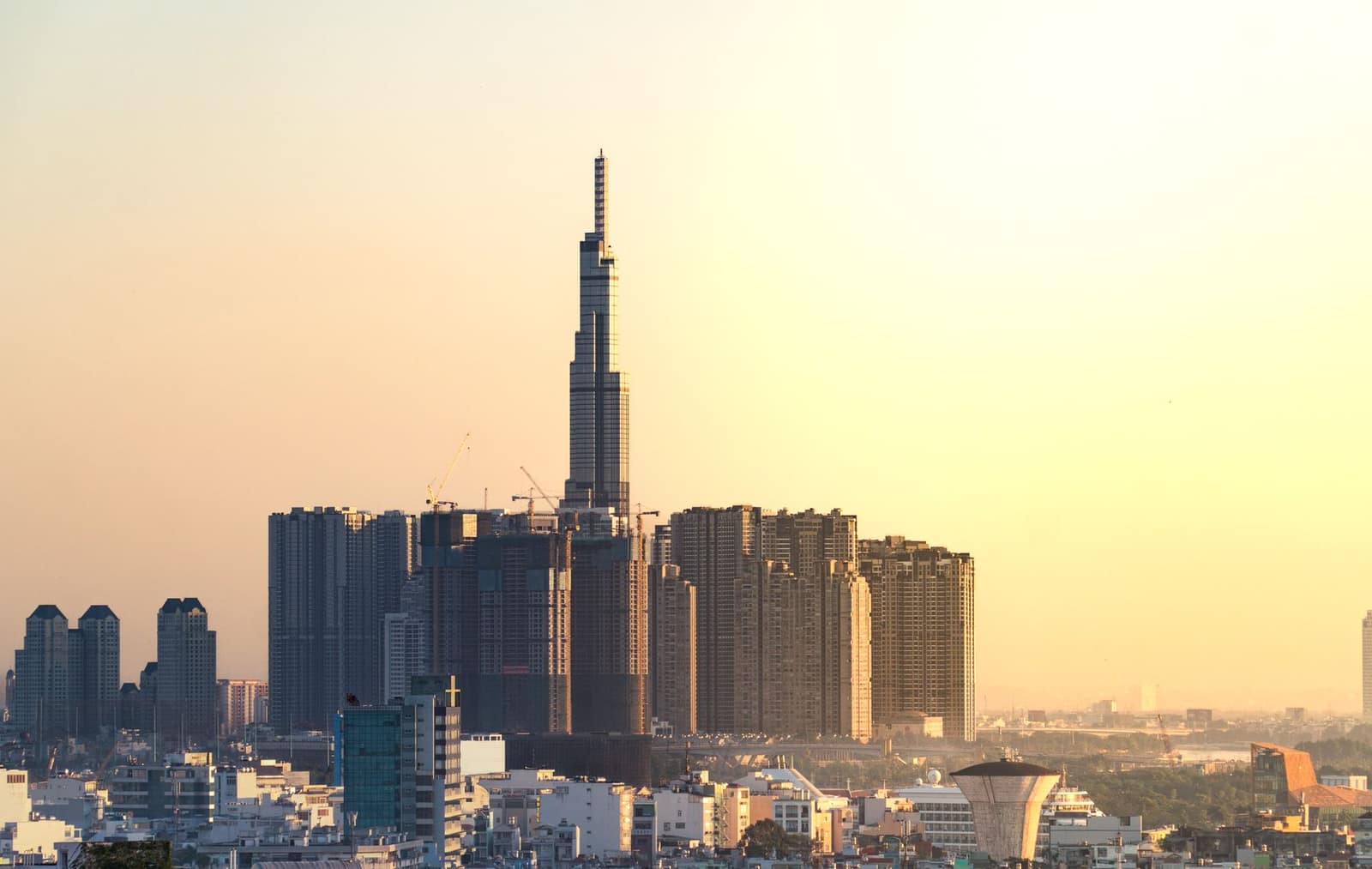 AITIGAVNDHanoiVietnamFast-growing manufacturing economy buying raw materials, yarn, steel, chemicals and feed ingredients from India.From India 2025-26US$ 6.67 bn
 ISFTALKRSri Jayawardenepura Kotte (Colombo is the commercial capital)Sri LankaClose island market with India's oldest FTA. Buys food, medicines, vehicles, yarn and building materials.From India 2025-26US$ 5.52 bn
More in pharma & chemicals
All products →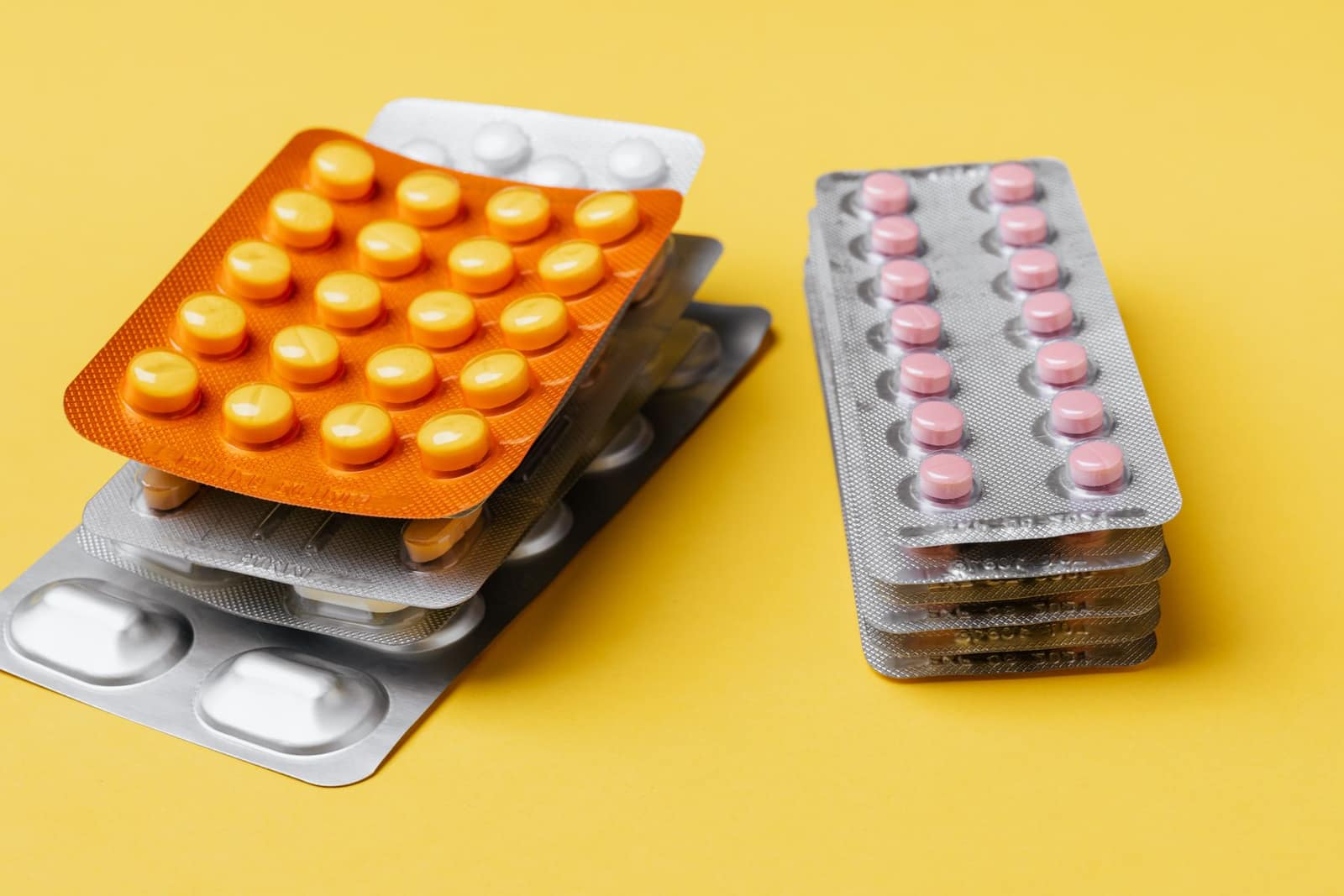 Free to exportPharma & chemicalsGeneric medicines (formulations)Tablets, capsules and injectables; every market needs product registration. The USA buys the most.HS3004Exports 2025-26US$ 21.9 bn ↓0.7%
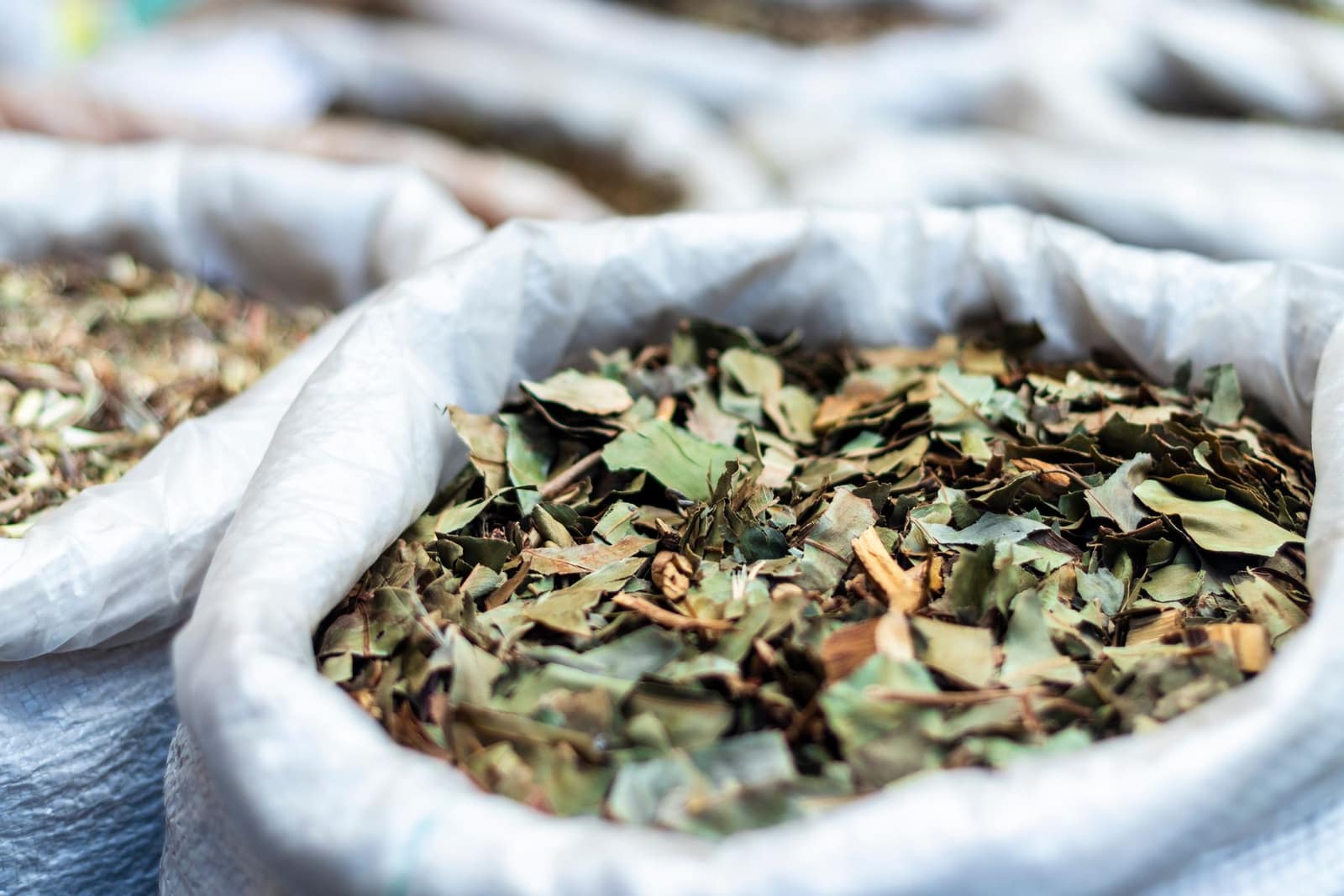 Free, with conditionsPharma & chemicalsAyurvedic and herbal productsAyurvedic medicines, supplements and herbal cosmetics; register with AYUSHEXCIL and the buyer's regulator.HS3004.90Exports 2025-26US$ 176 mn ↑7.1%
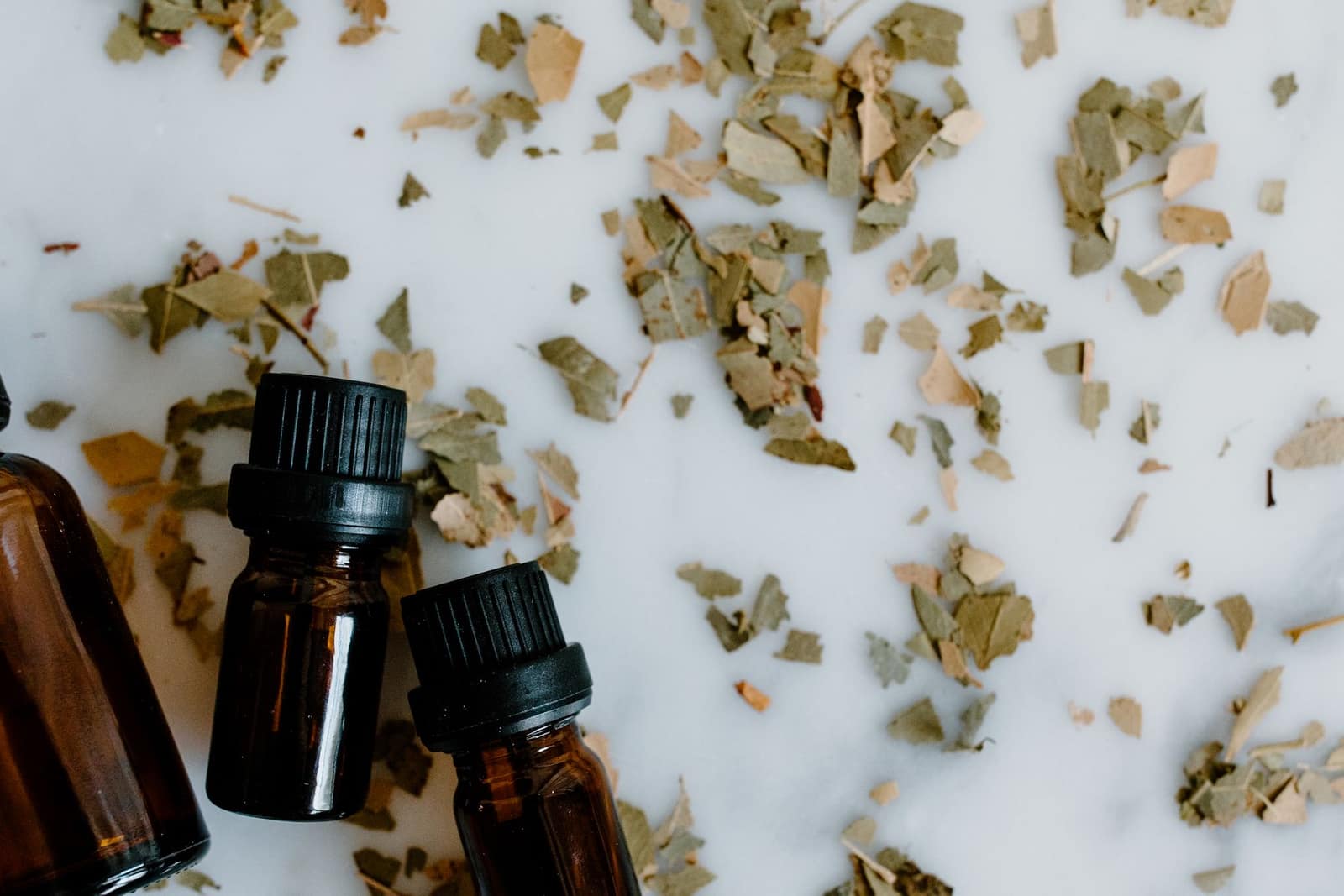 Free, with conditionsPharma & chemicalsEssential oilsMint, lemongrass, vetiver and other oils for flavour, fragrance and aromatherapy buyers; the USA leads.HS3301Exports 2025-26US$ 899 mn ↓3.3%
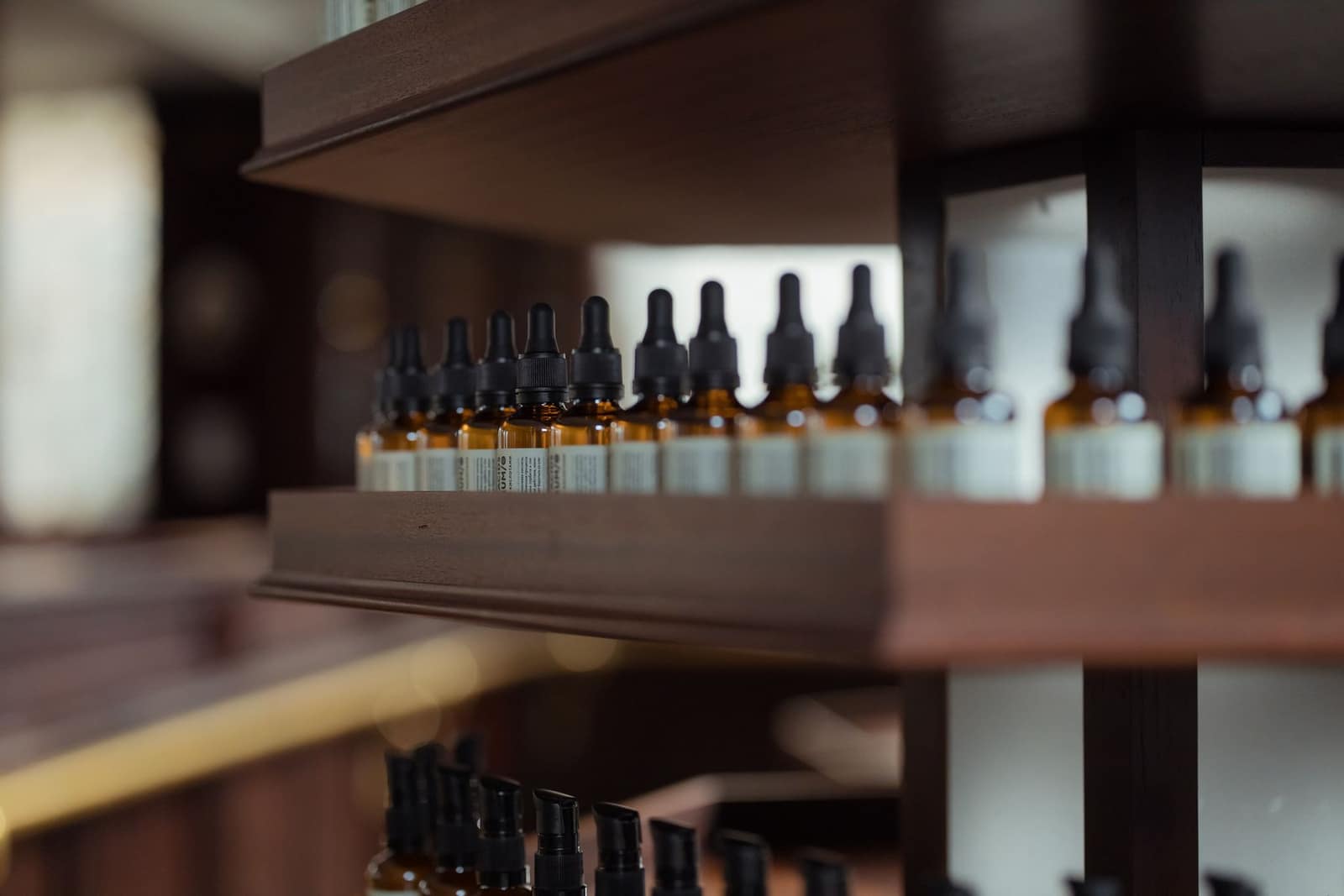 Free to exportPharma & chemicalsSpice oils and oleoresinsConcentrated flavour and colour extracts for food, nutraceutical and pharma makers. India is the world leader; the USA is the biggest buyer.HS3301.90Exports 2025-26US$ 543 mn ↓1.4%