

Pharma & chemicals
Export essential oils
Mint, lemongrass, vetiver and other oils for flavour, fragrance and aromatherapy buyers; the USA leads.
- HS code
- 3301 Essential oils, resinoids and concentrates — mint, lemongrass, citronella, eucalyptus, palmarosa, vetiver and others.
- Export policy
- Free, with conditions Most essential oils are free to export, but sandalwood oil has carried DGFT conditions in the past. Check the 8-digit line in Schedule 2 before exporting sandalwood or other forest-based oils.
- Registrations
- 4 IEC, GST and those below
- India’s exports, 2025-26
- US$ 899 mn to 133 countries
What is exported
India produces mint oils (Uttar Pradesh), lemongrass, palmarosa, vetiver, eucalyptus and spice oils. Buyers are flavour and fragrance houses, cosmetic makers and aromatherapy brands that test every lot. In 2025-26 India exported about US$ 899 million under HS 3301; the USA led, followed by China, France, Germany, the Netherlands and the UK.
Varieties, grades and forms
- Mint oils and mentholPeppermint, spearmint and dementholised mint oil — India is a leading supplier.
- Spice oils and oleoresinsPepper, ginger, turmeric, capsicum and cardamom extracts for food and flavour makers.
- Lemongrass, citronella, palmarosa and eucalyptus oilsAromatic grass and tree oils for soap, cosmetic and aromatherapy buyers.
- Sandalwood, rose and floral oils; attarsHigh-value oils and traditional attars in a sandalwood-oil base.
Where it is grown or made
- Uttar PradeshBarabanki, Sambhal, Rampur and Badaun (mint); Kannauj (attar and floral oils)
- KeralaKochi and Ernakulam — spice oils and oleoresins
- KarnatakaMysuru and Bengaluru — sandalwood oil and extracts
- Tamil NaduNilgiris and Madurai — eucalyptus and floral extracts
- GujaratVapi and Ahmedabad — aroma chemicals and blends
The quality buyers ask for
- Composition (GC / GC-MS)
- Gas chromatography profile with key constituents in range (for example menthol in mint oil, citral in lemongrass oil)
- Physical constants
- Relative density, refractive index and optical rotation within the range of the ISO standard for that oil (ISO has standards for many oils, for example ISO 3518 sandalwood oil)
- Purity
- No adulteration with synthetics or cheaper oils; buyers may run chiral or isotope analysis
- Allergens
- Declared fragrance allergens (EU cosmetics rules) and IFRA restrictions for the end use
- Contaminants
- Pesticide residues for organic and food-grade oils; heavy metals for pharmaceutical grade
- Flash point
- Needed to classify the oil as dangerous goods for transport
Certificates
- Certificate of analysis and SDSRequiredA batch COA and a safety data sheet in the buyer's format; every buyer asks for them, and the SDS is legally required for hazardous substances in the EU.
- REACH registration (EU)Often askedEssential oils are substances under REACH; the EU importer (or your only representative) must register them if imports reach 1 tonne a year.
- Organic (NPOP / NOP / EU organic)Often askedFor oils sold as organic; covers farm and distillation unit.
- IFRA conformity / allergen statementOften askedStatement for perfumery use showing IFRA compliance and allergen levels.
- FSSAI licenceOften askedNeeded if you make food-grade oils or flavours in India.
- Halal / KosherOften askedAsked for by flavour buyers.
Shipping, storage and shelf life
Bulk oils in lacquered steel or HDPE drums (often 180–200 kg), nitrogen-flushed; smaller lots in aluminium bottles. Drums on pallets, LCL or 20-ft containers. Many oils are dangerous goods (flammable or environmentally hazardous), so the forwarder needs a DG declaration.
Sea for drums; air for samples and small lots, following IATA dangerous goods rules.
Cool, dark, full and sealed containers; oxygen and heat degrade oils (citrus oils fastest).
Typically about 1–3 years from distillation if sealed and stored cool, depending on the oil; state a retest date on the COA.
What goes on the pack and carton
- Drum labels: product name, botanical name, batch, net weight, dates, and origin.
- GHS/CLP hazard labels (pictograms, signal word, hazard statements) and UN number for dangerous goods.
- Retail aromatherapy bottles in the EU: CLP label, child-resistant closure and tactile warning where the classification requires it.
The Fragrance and Flavour Development Centre (FFDC), Kannauj (Ministry of MSME), tests essential oils by GC and trains distillers. CSIR-CIMAP, Lucknow, works on aromatic crops and oil quality. For export reports, search the NABL directory for labs accredited for essential-oil GC analysis and pesticide residues.
Benefits of exporting this product
- RoDTEP: 1.3% of FOB
Tariff item 3301 24 00 (essential oil of peppermint (Mentha piperita)) earns 1.3% of FOB value, with no rupee cap, as a duty credit scrip on ICEGATE. Other mint oils (3301 25 90) get 1.6% capped at ₹22.9/kg; most other essential oils (3301 29) get 0.8%; turmeric and capsicum oleoresins get 1.4%. These rates continue to 31 Dec 2026 (DGFT Notification 41/2026-27). Confirm your exact 8-digit line on the DGFT RoDTEP page before you price an order.
DGFT — Appendix 4R, RoDTEP schedule for DTA exports w.e.f. 10.10.2024 (Notification 32/2024-25); rates continued to 31.12.2026 by Notification 41/2026-27 ↗ - Duty drawback: 1.3% of FOB
Drawback item 330101 (peppermint oil) has an All Industry Rate of 1.3% of FOB, paid into your bank account. It is not available on exports under Advance Authorisation or from EOU/SEZ units. Spearmint oil and dementholised oil also get 1.3%; other essential oils (330199) get only 0.15%. Check the current schedule on the CBIC drawback page before shipping.
Gazette of India — Notification 77/2023-Customs (N.T.) dated 20.10.2023: All Industry Rates of duty drawback, in force from 30.10.2023 ↗ - Registered GI tags
Kannauj Perfume (Uttar Pradesh) and Mysore Sandalwood Oil (Karnataka) are registered Geographical Indications. Only registered producers and authorised users may sell under these names, which helps genuine makers stand out and fetch a better price.
IP India (Geographical Indications Registry) — Registration details of Geographical Indications ↗ - Zero duty into the UK (CETA)
The India-UK CETA came into force on 15 July 2026 and gives zero-duty access to nearly 99% of India's exports; the Commerce Ministry named chemicals among the sectors that gain. Claim it with a CETA certificate of origin and check the line for your code on the UK Trade Tariff.
PIB — India-UK CETA enters into force (15 Jul 2026): zero-duty access for nearly 99% of India's exports ↗
Where to register
- CHEMEXCILEssential oils and perfumery compounds are listed under CHEMEXCIL in Appendix 2T; take the RCMC there.chemexcil.in ↗
- Spices Board (for spice oils and oleoresins)Oils and oleoresins made from spices are handled by the Spices Board, which issues its own exporter registration.indianspices.com ↗
Quality and checks
- Certificate of analysis for each lot: GC profile, specific gravity, optical rotation, refractive index; buyers match it with their own tests.
- EU: REACH registration by the EU importer (or your Only Representative) above one tonne a year, and CLP hazard labelling; a safety data sheet with every shipment.
- Dangerous-goods rules: many essential oils are flammable liquids, so packing, labels and declarations must follow IMDG (sea) or IATA (air) rules.
Start with one oil from a region you know (for example mint or lemongrass), buy from distillers who keep lot-wise test reports, and get an independent GC report. Join CHEMEXCIL and offer small drums to aromatherapy and natural-cosmetic brands before approaching large fragrance houses.
Where new exporters go wrong
- Adulterated or blended oil sold as pure — GC tests expose it and buyers blacklist the supplier.
- Shipping flammable oils as general cargo — the line or airline can refuse or fine the shipment.
- Price swings with crop size (for example mint); keep quotes short-dated.
Documents this product needs
Schemes that apply
Sources (6)
- Department of Commerce, Export Import Data Bank — India's exports of HS 3301 by country, 2025-26
- DGFT — Appendix 2T: Export Promotion Councils and the products under each
- DGFT — ITC(HS) export policy search (Schedule 2)
- European Chemicals Agency — Understanding REACH
- CHEMEXCIL — official site
- Spices Board India
Trade data
Indian essential oils exports in numbers
From the Department of Commerce’s TradeStat, country by country. US$, Indian financial years (April–March).
- Exports in 2025-26
- US$ 899 mn +0.5% a year on average, 2020-21 to 2025-26
- Change from 2024-25
- ↓ -3.3% US$ 930 mn → US$ 899 mn
- Buyer countries
- 133
- Average export price
- US$ 23.53 per kg · 38,204 tonnes shipped · US$ 23.63 the year before
The price cycle
India’s average export price per kg each year (total value ÷ total quantity). Highest in 2022-23, lowest in 2025-26 — a 17% swing between them. Keep this swing in mind when you quote.
What next: a projection from the trend
The past trend carried forward — not a forecast by any authority. Sudden changes in policy, prices or demand are not in it.
Likely range US$ 824 mn to US$ 999 mn.
- Trend
- -0.6% a year
- Fit (R²)
- 0.03 — weak, read with care
- Based on
- 6 years of official figures
Method: a straight line through the logarithm of yearly exports (log-linear regression); range = ±1 standard error.
Biggest buyer countries
By value in 2025-26. Change is against 2024-25.
Where demand is rising and falling
Only countries that buy at least US$ 1 million or 1% of India’s exports of this product. Change from 2024-25 to 2025-26.
↑ High demand
- AustraliaUS$ 8.8 mn → US$ 12.4 mn↑+40.7%
- CanadaUS$ 14.4 mn → US$ 19.8 mn↑+37.7%
- NetherlandsUS$ 30 mn → US$ 38.5 mn↑+28.3%
- ItalyUS$ 8 mn → US$ 10.2 mn↑+27.5%
- MexicoUS$ 11.5 mn → US$ 13.9 mn↑+21%
- SwitzerlandUS$ 7.7 mn → US$ 9.1 mn↑+18.6%
- JapanUS$ 15.8 mn → US$ 18.1 mn↑+14.8%
- FranceUS$ 55.3 mn → US$ 63 mn↑+13.9%
↓ Low demand
- United Arab EmiratesUS$ 23 mn → US$ 13.7 mn↓-40.3%
- SingaporeUS$ 17 mn → US$ 13.6 mn↓-20.3%
- South AfricaUS$ 12.9 mn → US$ 10.6 mn↓-17.7%
- ChinaUS$ 87.3 mn → US$ 74 mn↓-15.3%
- SpainUS$ 24.8 mn → US$ 21.2 mn↓-14.5%
- IndonesiaUS$ 26.2 mn → US$ 22.8 mn↓-12.9%
- United States of AmericaUS$ 314 mn → US$ 280 mn↓-10.7%
Which forms sell, and at what price
India’s exports by 8-digit tariff line, 2025-26. Average price = total value ÷ total quantity (TradeStat): the average of every shipment on that line, not the price of any one deal.
| Tariff line | Value 2025-26 | Change | Quantity | Average price |
|---|---|---|---|---|
Oils, essential, concentrates in fats, fixed oils, waxes and the like, terpenic by-products, aqueous… — capsicum oleoresines3301 90 22 | US$ 131 mn | ↓-13.8% | 6,619 tonnes | US$ 19.82 per kgwas US$ 25.29 |
Others-of-essential oils of other mints3301 25 90 · Oils, essential, of mints, terpeneless or not, including concretes and absolutes | US$ 112 mn | ↓-20.1% | 9,129 tonnes | US$ 12.23 per kgwas US$ 13.33 |
Oils, essential, concentrates in fats, fixed oils, waxes and the like, terpenic by-products, aqueous… — turmeric oleoresins3301 90 14 | US$ 110 mn | ↓-3.7% | 2,146 tonnes | US$ 51.18 per kgwas US$ 53.58 |
Oleoresines of spices n.e.s.,3301 90 29 · Oils, essential, concentrates in fats, fixed oils, waxes and the like, terpenic by-products, aqueous… | US$ 95.1 mn | ↓-15.5% | 5,380 tonnes | US$ 17.68 per kgwas US$ 18.67 |
Oils, essential, concentrates in fats, fixed oils, waxes and the like, terpenic by-products, aqueous… — pepper oleoresins3301 90 13 | US$ 94.7 mn | ↑+50.6% | 1,797 tonnes | US$ 52.70 per kgwas US$ 36.62 |
Others-of-other essential oils other than those of citrus fruit3301 29 90 · Oils, essential in heading no. 3301, including concretes and absolutes | US$ 76.2 mn | ↑+23.1% | 1,458 tonnes | US$ 52.25 per kgwas US$ 54.80 |
Essntl oil of peppermint(mentha piperita)3301 24 00 · Oils, essential, of peppermint, terpeneless or not, including concretes and absolutes | US$ 49.9 mn | ↓-25.1% | 2,127 tonnes | US$ 23.47 per kgwas US$ 25.21 |
Other conc of esnl oils in fats/fixd/wax like trpnc byprdcts of deterpenation of esnl oils aqus distlts/soltn esnl ol3301 90 90 · Oils, essential, concentrates in fats, fixed oils, waxes and the like, terpenic by-products, aqueous… | US$ 43.8 mn | ↑+28.6% | 1,975 tonnes | US$ 22.19 per kgwas US$ 21.22 |
Essence 0f ambrett0lide (ambrette seed 0il essence)3301 90 33 · Oils, essential, concentrates in fats, fixed oils, waxes and the like, terpenic by-products, aqueous… | US$ 19.7 mn | ↑+0.2% | 99 tonnes | US$ 198.47 per kgwas US$ 167.87 |
Spearmint oil (ex-mentha spicata)3301 25 10 · Oils, essential, of mints, terpeneless or not, including concretes and absolutes | US$ 18.3 mn | ↓-6.8% | 664 tonnes | US$ 27.49 per kgwas US$ 24.77 |
Oils, essential in heading no. 3301, including concretes and absolutes — spices oil,n.e.s.3301 29 50 | US$ 16.1 mn | ↑+6.7% | 398 tonnes | US$ 40.39 per kgwas US$ 44.68 |
Others-of-essential oils of other citrus fruits3301 19 90 · Oils, essential, of citrus fruits in heading no. 3301, including concretes and absolutes | US$ 12.2 mn | ↑+11.9% | 520 tonnes | US$ 23.41 per kgwas US$ 27.11 |
Oils, essential, concentrates in fats, fixed oils, waxes and the like, terpenic by-products, aqueous… — ginger oleoresins3301 90 12 | US$ 10.2 mn | ↑+9.9% | 271 tonnes | US$ 37.85 per kgwas US$ 39.82 |
Oils, essential in heading no. 3301, including concretes and absolutes — pepper oil3301 29 35 | US$ 9.1 mn | ↑+20.9% | 199 tonnes | US$ 45.86 per kgwas US$ 39.71 |
The world market
Each country’s own recorded exports and imports in UN Comtrade, 2023 (the latest year nearly every country has reported).
- World imports
- US$ 5.68 bn 2023
- India among exporters
- #1 of 143 countries
- India’s share of world exports
- 15.9% US$ 909 mn
- Left for others to win
- US$ 4.79 bn exported by other countries
Top exporters — your competitors
- 1IndiaUS$ 909 mn 15.9%
- 2USAUS$ 746 mn 13.1%
- 3BrazilUS$ 477 mn 8.4%
- 4FranceUS$ 462 mn 8.1%
- 5GermanyUS$ 270 mn 4.7%
- 6MexicoUS$ 263 mn 4.6%
- 7ChinaUS$ 260 mn 4.6%
- 8ItalyUS$ 241 mn 4.2%
- 9United KingdomUS$ 213 mn 3.7%
- 10IndonesiaUS$ 175 mn 3.1%
Biggest buyers in the world
- 1USAUS$ 1.12 bn 19.7%
- 2FranceUS$ 454 mn 8%
- 3GermanyUS$ 428 mn 7.5%
- 4IndiaUS$ 420 mn 7.4%
- 5IrelandUS$ 362 mn 6.4%
- 6ChinaUS$ 298 mn 5.2%
- 7United KingdomUS$ 264 mn 4.6%
- 8NetherlandsUS$ 169 mn 3%
- 9SwitzerlandUS$ 167 mn 2.9%
- 10JapanUS$ 159 mn 2.8%
Opportunity: what these countries buy from the world, and from India
Each country’s own recorded imports in UN Comtrade, latest year it has reported. The long light part of each bar is demand other countries are filling today.
TradeStat’s 2023-24 quantities are double-counted, so that year is left out of the price. Sources: TradeStat — Export Import Data Bank, Department of Commerce · UN Comtrade database (United Nations Statistics Division) · Figures taken 29 October 2026.
Step by step
How to export essential oils
India is a large producer and exporter of essential oils, especially mint oils and menthol, where it is the world leader, along with lemongrass, palmarosa, vetiver, citronella and spice oils. Competitors include China (mint and other oils), Brazil and the USA (citrus oils), Indonesia (patchouli and clove), and Bulgaria and Turkey (rose). Demand comes from flavour and fragrance houses, aromatherapy brands, cosmetics and pharmaceutical makers. Openings are in certified organic oils, traceable oils for natural-cosmetics brands, and small-batch premium oils such as vetiver and attar from Kannauj.
- 01Secure raw material
Contract farmers or buy herb at harvest; record origin for traceability.
- 02Distil and filter
Steam-distil, separate water, dry and filter the oil.
- 03Test and grade
Run GC and physical tests; compare with the ISO standard and buyer specification.
- 04Sample approval
Send a sample with COA and SDS; get approval before bulk.
- 05Pack as dangerous goods
Use UN-approved drums where required, label, and prepare the DG declaration.
- 06Ship and claim
File the shipping bill under HS 3301, claim RoDTEP and drawback where applicable.
- 07Payment
Advance or documents against payment; prices move with harvests, so fix price validity.
Meet buyers
Trade fairs
- April (next: 6–8 April 2027)in-cosmetics GlobalEurope (city changes)in-cosmetics.com ↗
- February (next: 16–19 February 2027)BIOFACH (organic products)Nuremberg, Germanybiofach.de ↗
- May (next: 18–20 May 2027)Vitafoods EuropeBarcelona, Spainvitafoods.eu.com ↗
- Usually September–October — check datesIFEAT annual conferenceCity changes each yearifeat.org ↗
Questions
Questions about exporting essential oils
Are essential oils dangerous goods?
Do I need REACH registration?
How do buyers detect adulteration?
Which council covers essential oils?
Can I ship oil samples by courier?
Who buys Indian essential oils
All countries → USDWashington, D.C.United States of AmericaIndia's largest single-country export market. Strict FDA rules for food; extra 10% US duty on most goods since July 2026.From India 2025-26US$ 87.3 bn
 APTACNYBeijingChinaHuge market, but mostly for raw materials. Food plants must be registered with GACC; fresh produce needs a protocol.From India 2025-26US$ 19.5 bn
 EURParisFranceFashion, food and design market. EU rules plus French-language labels; SIAL Paris is a key food fair.From India 2025-26US$ 7.1 bn
 EURBerlinGermanyEurope's largest economy and India's biggest EU partner. Values quality, certificates and supply-chain transparency.From India 2025-26US$ 11.5 bn
 EURAmsterdamNetherlandsEurope's main gateway: Rotterdam handles goods for the whole EU. EU food-safety and residue rules apply.From India 2025-26US$ 17.5 bn
 CETAGBPLondonUnited KingdomNew CETA in force since July 2026 — most Indian goods now enter duty-free. Strong market for garments, food and engineering.From India 2025-26US$ 13.4 bn
 CEPAKRWSeoulSouth KoreaIndustrial buyer of Indian naphtha, metals, chemicals and yarn. Food plants must register with MFDS first.From India 2025-26US$ 6.01 bn
 CEPAJPYTokyoJapanHigh-value, quality-obsessed market. Buys shrimp, chemicals, auto parts and garments; strict food-sanitation checks.From India 2025-26US$ 6.04 bn
More in pharma & chemicals
All products → Free to exportPharma & chemicalsGeneric medicines (formulations)Tablets, capsules and injectables; every market needs product registration. The USA buys the most.HS3004Exports 2025-26US$ 21.9 bn ↓0.7%
 Free, with conditionsPharma & chemicalsAyurvedic and herbal productsAyurvedic medicines, supplements and herbal cosmetics; register with AYUSHEXCIL and the buyer's regulator.HS3004.90Exports 2025-26US$ 176 mn ↑7.1%
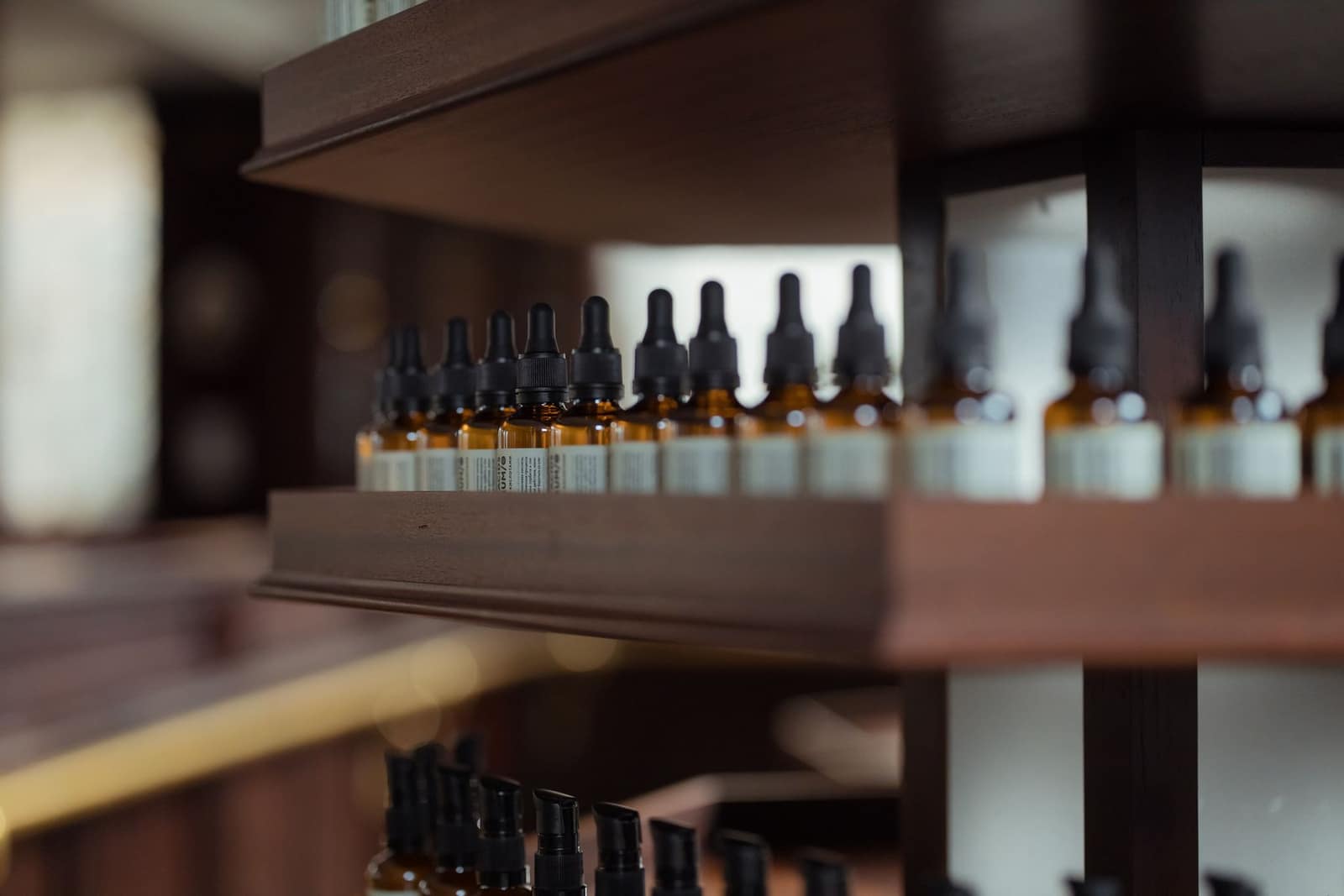 Free to exportPharma & chemicalsSpice oils and oleoresinsConcentrated flavour and colour extracts for food, nutraceutical and pharma makers. India is the world leader; the USA is the biggest buyer.HS3301.90Exports 2025-26US$ 543 mn ↓1.4%
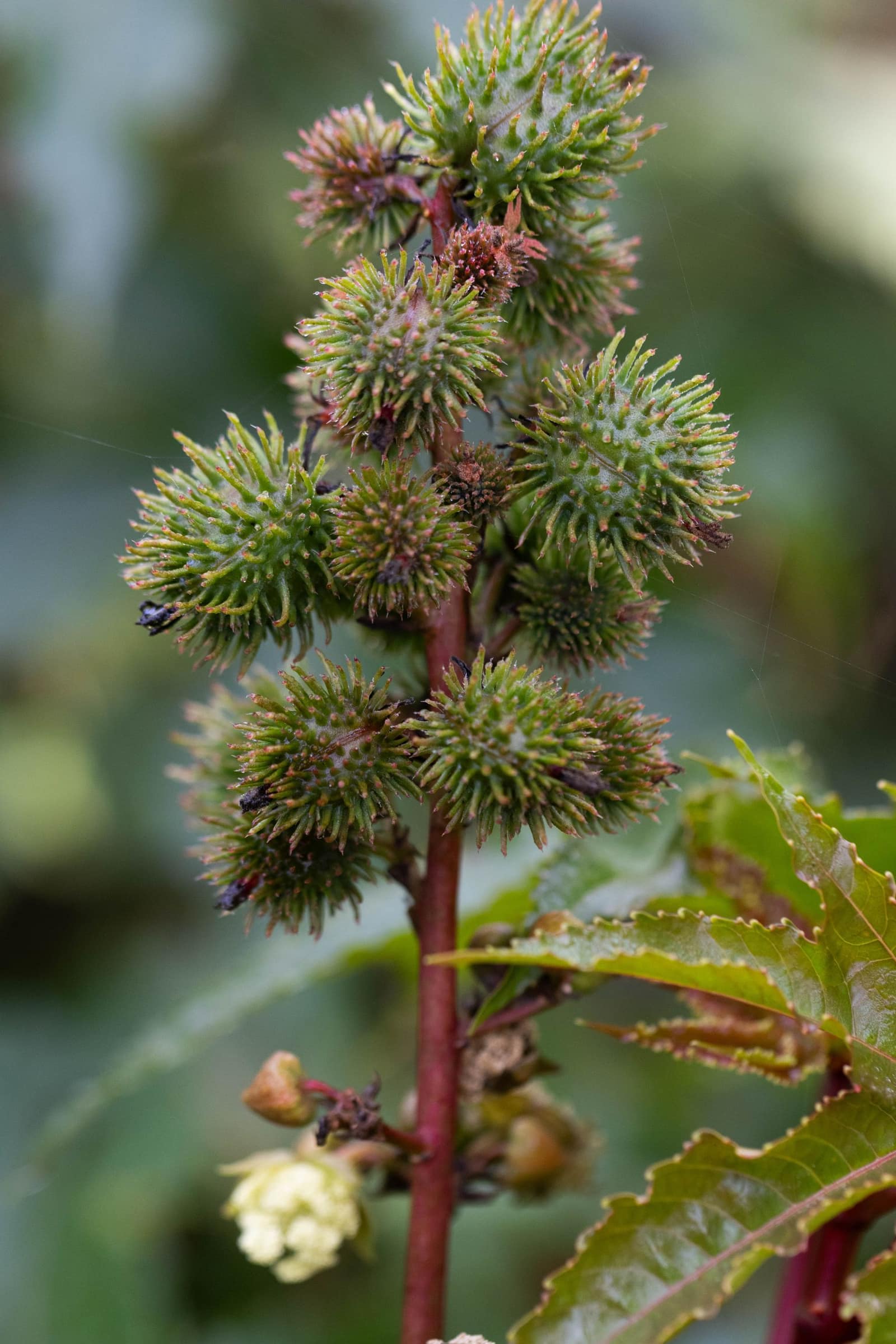 Free to exportPharma & chemicalsCastor oilIndia supplies most of the world’s castor oil. China is the biggest buyer; Europe, the USA and Japan follow.HS1515.30Exports 2025-26US$ 1.06 bn ↓0.2%