


Marine
Export squid, cuttlefish and octopus
Frozen squid, cuttlefish and octopus from the west and south coasts. Needs MPEDA registration, an EIC plant and an EU catch certificate.
- HS code
- 0307 Molluscs, live, fresh, chilled, frozen, dried or salted. Squid and cuttlefish are under 0307 42–49 (frozen squid tubes, whole squid, cuttlefish) and octopus under 0307 51–59.
- Export policy
- Free, with conditions Free in Schedule 2, subject to pre-shipment quality inspection notified by the Government (EIC). Species in the Schedules of the Wild Life (Protection) Act, 1972 are prohibited, and CITES-listed species need CITES papers. MPEDA registration is compulsory. Confirm the line on DGFT.
- Registrations
- 4 IEC, GST and those below
- India’s exports, 2025-26
- US$ 930 mn to 64 countries
What is exported
Squid and cuttlefish are among India’s largest wild-caught seafood exports after shrimp and fish, landed mostly by trawlers in Gujarat, Maharashtra, Karnataka, Kerala and Tamil Nadu. They are exported frozen — whole, cleaned, as tubes and rings — and some squid is dried. Octopus is a smaller line. China, South-East Asia, the EU (Spain and Italy above all) and Japan are the main buyers in MPEDA’s market data.

Varieties, grades and forms
- Indian squid (Uroteuthis/Loligo duvaucelii)The main squid landed on both coasts; sold whole, as tubes, rings and tentacles.
- Pharaoh cuttlefish (Sepia pharaonis)Whole cleaned cuttlefish and fillets, popular in the EU and East Asia.
- OctopusWhole frozen, cleaned or boiled; a smaller line for Southern Europe and Asia.
- Dried squidSun-dried or machine-dried for East and South-East Asian markets.
Where it is grown or made
- GujaratVeraval, Porbandar and Mangrol — large trawler landings and processing plants.
- Maharashtra and GoaRatnagiri, Raigad, Mumbai (Sassoon Dock) and Goa.
- Karnataka and KeralaMangaluru and Malpe; Kochi and Kollam (Neendakara).
- Tamil NaduThoothukudi, Rameswaram and Chennai.
The quality buyers ask for
- Form
- Whole round, whole cleaned, tubes, rings, tentacles, fillets; IQF or block
- Size grade
- Pieces per kg (e.g. 10/20, 20/40, 40/60) or by tube length in cm, as the buyer specifies
- Glaze
- Declared glaze percentage; net weight stated without glaze
- Temperature
- Core –18 °C or colder through storage and transport
- Contaminants
- Cadmium and other heavy metals within EU/buyer limits; additives only as permitted
Certificates
- MPEDA registrationRequiredEvery seafood exporter must be registered with MPEDA (MPEDA Act, 1972).
- EIC-approved plant and health certificateRequiredProcessing in an EIC-approved plant, with EIC health certificates for the EU, China and other markets that need them.
- EU catch certificateOften askedRequired for wild-caught fishery products entering the EU under the IUU Regulation.
- US FDA food facility registrationOften askedRequired for any plant that makes, packs or holds food for the USA.
- BRCGSOften askedRetailer food-safety standard, common for UK and EU private label.
Shipping, storage and shelf life
40-ft reefers at –18 °C or colder, typically about 24–27 tonnes of master cartons depending on pack.
Sea freight from Pipavav, Mundra, Nhava Sheva, Mangaluru, Kochi and Thoothukudi.
Cold store at –18 °C or colder; avoid temperature swings that cause freezer burn.
Typically 18–24 months frozen.
What goes on the pack and carton
- Species (common and scientific name), “caught at sea”, FAO fishing area, fishing gear category, net weight without glaze, and the EIC plant approval number on EU packs.
- EU food and feed: product name, ingredients, net quantity, lot, best-before, business operator in the EU and country of origin, in the language of the selling country.
- USA: statement of identity, net quantity (US and metric units), ingredients, allergens, manufacturer or distributor and “Product of India”.
- Every carton or bag: product, grade, lot or batch number, net and gross weight, exporter name and “Made in India” / “Product of India”, matching the invoice and packing list.
EIC/EIA laboratories and EIC-approved labs test seafood and fishmeal for export certification (eicindia.gov.in); MPEDA runs quality-control labs; NABL-accredited private labs are also used (nabl-india.org).
Benefits of exporting this product
- RoDTEP: 3% of FOB
Tariff item 0307 42 10 to 0307 49 90 (squid and cuttlefish) and 0307 51 00 to 0307 59 00 (octopus) (frozen, fresh, dried squid, cuttlefish and octopus) earns 3% of FOB value, capped at ₹24 per kg, as a duty credit scrip on ICEGATE (Appendix 4R). Rates continue to 31 Dec 2026 (DGFT Notification 41/2026-27). Confirm your exact 8-digit line on DGFT before pricing an order.
DGFT — Appendix 4R, RoDTEP schedule for DTA exports w.e.f. 10 Oct 2024 (Notification 32/2024-25) ↗ - Zero duty into the UK (CETA)
The India-UK CETA came into force on 15 July 2026 and gives zero-duty access to nearly 99% of India’s exports; marine products are among the sectors the Commerce Ministry named as gainers. Claim it with a CETA certificate of origin and check your code on the UK Trade Tariff.
PIB — India-UK CETA enters into force (15 Jul 2026): zero-duty access for nearly 99% of India’s exports ↗
Where to register
- MPEDAExporter registration (manufacturer or merchant exporter) and RCMC under the MPEDA Act, 1972. Every exporter of marine products must be registered.e-mpeda.nic.in ↗
- Export Inspection Council (EIC)Approval of the processing plant and a health certificate (Certificate for Export) for each consignment to markets that require it, such as the EU and China.eicindia.gov.in ↗
Quality and checks
- EU catch certificate under the EU IUU Regulation for every wild-caught consignment, validated through the Indian authority, with the vessel and landing details.
- Microbiology, cadmium and other heavy metals (cephalopods are tested for cadmium), and sulphite or phosphate use within the buyer’s limits.
- Glaze and net weight declared correctly; cold chain at –18 °C or colder from plant to ship.
Register with MPEDA as a merchant exporter and work with an EIC-approved plant in Veraval, Ratnagiri, Mangaluru or Kochi that processes cephalopods. Start with one container of frozen squid tubes or whole cuttlefish to a South-East Asian or Gulf buyer on LC. Since 15 September 2026, a consignment worth up to ₹3 lakh FOB does not need an RCMC (DGFT Notification 36/2026-27). Registrations that a law requires for the product still apply.
Where new exporters go wrong
- Shipping to the EU without a valid catch certificate — the consignment is refused at the border.
- Over-glazing or water-soaking to add weight; buyers deglaze and claim the short weight.
- Buying during the monsoon fishing ban, when supply is thin and old stock is passed off as fresh.
Documents this product needs
Schemes that apply
- RoDTEP Remission of Duties and Taxes on Exported Products
- Drawback Duty Drawback (All Industry Rates)
- LUT Letter of Undertaking for zero-rated exports under GST
- ECGC ECGC export credit insurance for small exporters
- Districts as Export Hubs Districts as Export Hubs
- CGSE Credit Guarantee Scheme for Exporters
Trade data
Indian squid, cuttlefish and octopus exports in numbers
From the Department of Commerce’s TradeStat, country by country. US$, Indian financial years (April–March).
- Exports in 2025-26
- US$ 930 mn +11% a year on average, 2020-21 to 2025-26
- Change from 2024-25
- ↑ +30.3% US$ 714 mn → US$ 930 mn
- Buyer countries
- 64
- Average export price
- US$ 4.73 per kg · 1,96,736 tonnes shipped · US$ 4.17 the year before
The price cycle
India’s average export price per kg each year (total value ÷ total quantity). Highest in 2022-23, lowest in 2020-21 — a 27% swing between them. Keep this swing in mind when you quote.
What next: a projection from the trend
The past trend carried forward — not a forecast by any authority. Sudden changes in policy, prices or demand are not in it.
Likely range US$ 807 mn to US$ 1.25 bn.
- Trend
- +6.9% a year
- Fit (R²)
- 0.49 — weak, read with care
- Based on
- 6 years of official figures
Method: a straight line through the logarithm of yearly exports (log-linear regression); range = ±1 standard error.
Biggest buyer countries
By value in 2025-26. Change is against 2024-25.
Where demand is rising and falling
Only countries that buy at least US$ 1 million or 1% of India’s exports of this product. Change from 2024-25 to 2025-26.
↑ High demand
- VietnamUS$ 45.2 mn → US$ 78.4 mn↑+73.5%
- ChinaUS$ 47.5 mn → US$ 79.7 mn↑+67.8%
- MalaysiaUS$ 32.3 mn → US$ 48.9 mn↑+51.2%
- ThailandUS$ 111 mn → US$ 160 mn↑+43.9%
- PortugalUS$ 28.5 mn → US$ 39.9 mn↑+40%
- BelgiumUS$ 7.8 mn → US$ 10.7 mn↑+35.8%
- GreeceUS$ 31.7 mn → US$ 42.2 mn↑+33.1%
- ItalyUS$ 117 mn → US$ 153 mn↑+30.5%
↓ Low demand
- United States of AmericaUS$ 50.5 mn → US$ 32.9 mn↓-34.9%
Which forms sell, and at what price
India’s exports by 8-digit tariff line, 2025-26. Average price = total value ÷ total quantity (TradeStat): the average of every shipment on that line, not the price of any one deal.
| Tariff line | Value 2025-26 | Change | Quantity | Average price |
|---|---|---|---|---|
Molluscs, cuttle fish and squid, whether in shell or not, frozen — whole squids frozen0307 43 20 | US$ 470 mn | ↑+38.9% | 96,013 tonnes | US$ 4.90 per kgwas US$ 3.96 |
Molluscs, cuttle fish and squid, whether in shell or not, frozen — cuttle fish frozen0307 43 10 | US$ 328 mn | ↑+16.8% | 67,278 tonnes | US$ 4.88 per kgwas US$ 4.75 |
Molluscs, octopus, frozen — octopus frozen0307 52 00 | US$ 66.1 mn | ↑+30.7% | 16,765 tonnes | US$ 3.94 per kgwas US$ 3.67 |
Molluscs, cuttle fish and squid, whether in shell or not, frozen — squid tubes frozen0307 43 30 | US$ 21.3 mn | ↑+60.1% | 3,539 tonnes | US$ 6.00 per kgwas US$ 5.85 |
Others-of-other cuttle fish and squid other thn live, fresh or chilled and frozen0307 49 90 · Molluscs, cuttle fish and squid, whether in shell or not, dried, salted, in brine, or smoked, cooked or not… | US$ 11.1 mn | ↑+12.9% | 2,382 tonnes | US$ 4.66 per kgwas US$ 4.13 |
Calms-calm meat(bivlvs-victoriia spp etc.)0307 39 10 · Molluscs, mussels, whether in shell or not, dried, salted, in brine, or smoked, cooked or not before or… | US$ 10 mn | ↑+119.2% | 3,867 tonnes | US$ 2.57 per kgwas US$ 2.02 |
Squid tubes other thn live, fresh or chilled and frozen0307 49 30 · Molluscs, cuttle fish and squid, whether in shell or not, dried, salted, in brine, or smoked, cooked or not… | US$ 4.2 mn | ↑+1,881% | 365 tonnes | US$ 11.38 per kgwas US$ 6.75 |
Octopus other than live frsh/chlld and frozen0307 59 00 · Molluscs, octopus, dried, salted, in brine, or smoked, cooked or not before or during the smoking process | US$ 3.6 mn | ↑+23.1% | 840 tonnes | US$ 4.32 per kgwas US$ 3.72 |
Others-of-mussels other than live fresh or chlld0307 39 90 · Molluscs, mussels, whether in shell or not, dried, salted, in brine, or smoked, cooked or not before or… | US$ 3.5 mn | ↓-9.3% | 1,449 tonnes | US$ 2.42 per kgwas US$ 2.51 |
Others-of-cuttle fish and squid frozen0307 43 90 · Molluscs, cuttle fish and squid, whether in shell or not, frozen | US$ 2.5 mn | ↓-2.3% | 653 tonnes | US$ 3.87 per kgwas US$ 4.40 |
Other including flours, meals and pellets fir for human consumption frozen0307 92 00 · Molluscs in heading 0307, whether in shell or not, frozen | US$ 2.4 mn | ↓-3.6% | 915 tonnes | US$ 2.60 per kgwas US$ 2.59 |
Squid live, fresh or chilled0307 42 20 · Molluscs, cuttle fish and squid, whether in shell or not, live, fresh or chilled | US$ 1.8 mn | ↑+177.3% | 373 tonnes | US$ 4.90 per kgwas US$ 4.07 |
Others-of-other molluscs excluding live frsh/chld0307 99 00 · Molluscs in heading 0307, whether in shell or not, dried, salted, in brine, or smoked, cooked or not before… | US$ 1.6 mn | ↑+1,200% | 594 tonnes | US$ 2.63 per kgwas US$ 2.43 |
Snails other than sea snails0307 60 00 · Molluscs, snails, other than sea snails, whether in shell or not, live, fresh, chilled, frozen, dried… | US$ 1.3 mn | ↓-14.5% | 889 tonnes | US$ 1.46 per kgwas US$ 1.41 |
The world market
Each country’s own recorded exports and imports in UN Comtrade, 2023 (the latest year nearly every country has reported).
- World imports
- US$ 14.4 bn 2023
- India among exporters
- #5 of 118 countries
- India’s share of world exports
- 5.5% US$ 764 mn
- Left for others to win
- US$ 13.2 bn exported by other countries
Top exporters — your competitors
- 1ChinaUS$ 2.53 bn 18%
- 2SpainUS$ 1.26 bn 9%
- 3MoroccoUS$ 1.11 bn 7.9%
- 4IndonesiaUS$ 765 mn 5.5%
- 5IndiaUS$ 764 mn 5.5%
- 6PeruUS$ 683 mn 4.9%
- 7Viet NamUS$ 625 mn 4.5%
- 8JapanUS$ 551 mn 3.9%
- 9CanadaUS$ 481 mn 3.4%
- 10FranceUS$ 466 mn 3.3%
Biggest buyers in the world
- 1SpainUS$ 2.26 bn 15.7%
- 2ChinaUS$ 1.98 bn 13.7%
- 3ItalyUS$ 1.57 bn 10.9%
- 4USAUS$ 1.19 bn 8.3%
- 5JapanUS$ 1.13 bn 7.9%
- 6Rep. of KoreaUS$ 1.06 bn 7.3%
- 7ThailandUS$ 648 mn 4.5%
- 8FranceUS$ 578 mn 4%
- 9China, Hong Kong SARUS$ 550 mn 3.8%
- 10PortugalUS$ 341 mn 2.4%
Opportunity: what these countries buy from the world, and from India
Each country’s own recorded imports in UN Comtrade, latest year it has reported. The long light part of each bar is demand other countries are filling today.
TradeStat’s 2023-24 quantities are double-counted, so that year is left out of the price. Sources: TradeStat — Export Import Data Bank, Department of Commerce · UN Comtrade database (United Nations Statistics Division) · Figures taken 29 October 2026.
Step by step
How to export squid, cuttlefish and octopus
India is a significant supplier of frozen cephalopods, competing with China, Vietnam, Thailand, Morocco and Latin American countries such as Peru and Argentina. Supply depends on wild catch, which varies with season and fishing effort, so exporters cannot simply scale up. Demand is steady from Southern Europe, East Asia and the Gulf. Openings lie in cleaned, value-added packs (rings, tubes, skewers, ready-to-cook) and in fully traceable supply that satisfies EU catch-certificate rules.
- 01Register with MPEDA
Register as an exporter after IEC; merchant exporters must work with an EIC-approved plant.
- 02Fix the spec with the buyer
Agree species, form, size grade, glaze, pack, price basis and the documents (health and catch certificates).
- 03Buy traceable raw material
Buy from landing centres with vessel and landing records so the catch certificate can be issued.
- 04Process, freeze and pack
Clean, grade, freeze, glaze and pack at the plant under its HACCP plan.
- 05Test and certify
Test microbiology and heavy metals; obtain the EIC health certificate and catch certificate.
- 06Ship in reefers
Load pre-cooled reefers, record temperatures and file the shipping bill.
- 07Get paid and close the file
Send the original documents through your bank (or to the buyer if paid in advance). Once the money arrives, get the e-BRC and claim RoDTEP, RoSCTL or drawback where they apply.
Meet buyers
Trade fairs
- April or MaySeafood Expo GlobalBarcelonaseafoodexpo.com ↗
- Usually October or NovemberChina Fisheries & Seafood ExpoQingdaochinaseafoodexpo.com ↗
- About every two years; MPEDA announces datesIndia International Seafood Show (MPEDA and SEAI)India (venue changes)mpeda.gov.in ↗
- MarchSeafood Expo North AmericaBostonseafoodexpo.com ↗
- Usually late January or FebruaryGulfoodDubaigulfood.com ↗
Questions
Questions about exporting squid, cuttlefish and octopus
Do I need my own plant?
What is a catch certificate?
When is the best buying season?
Which form sells best?
Is there any export incentive?
Sources (5)
Who buys Indian squid, cuttlefish and octopus
All countries →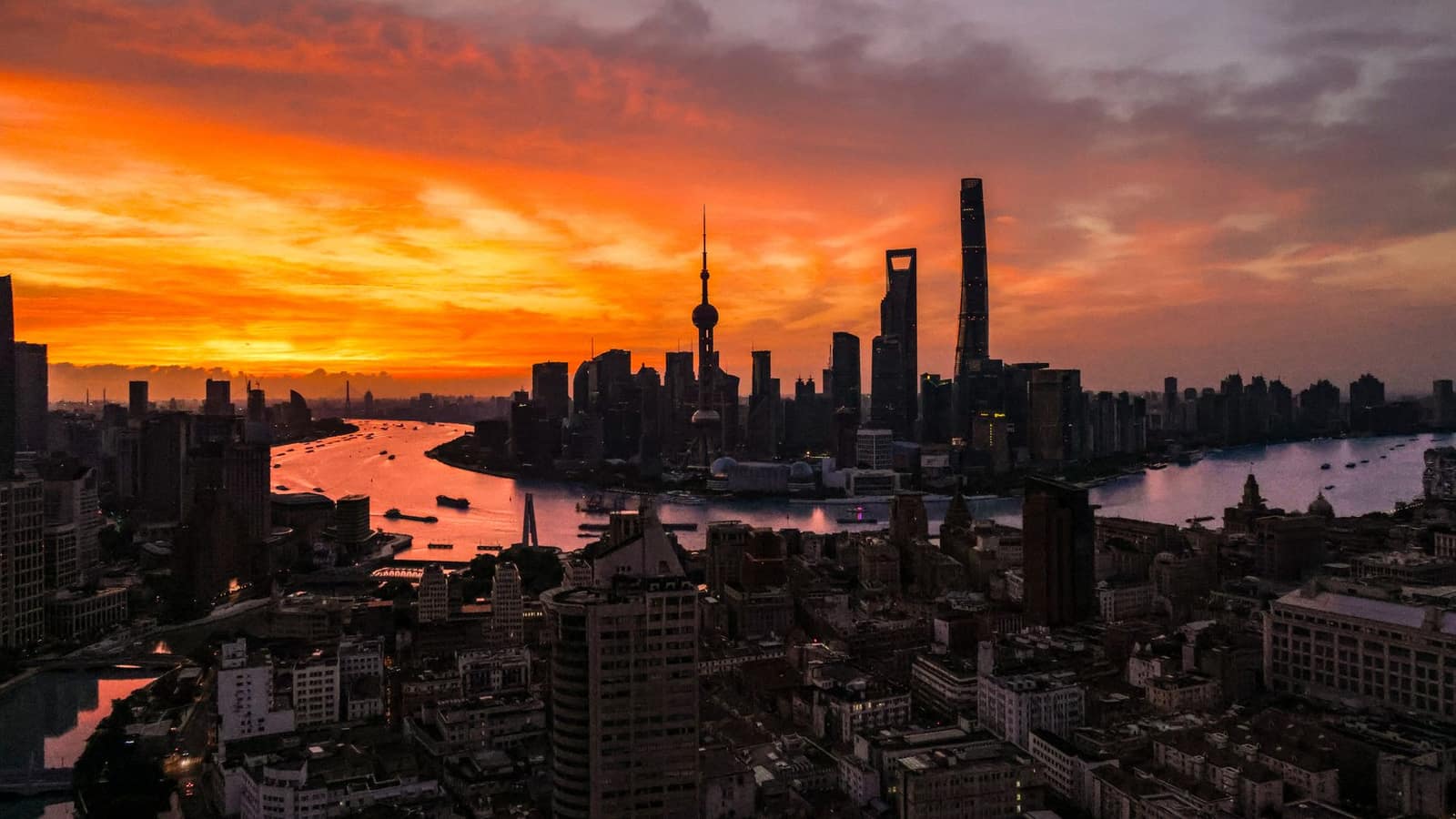 APTACNYBeijingChinaHuge market, but mostly for raw materials. Food plants must be registered with GACC; fresh produce needs a protocol.From India 2025-26US$ 19.5 bn
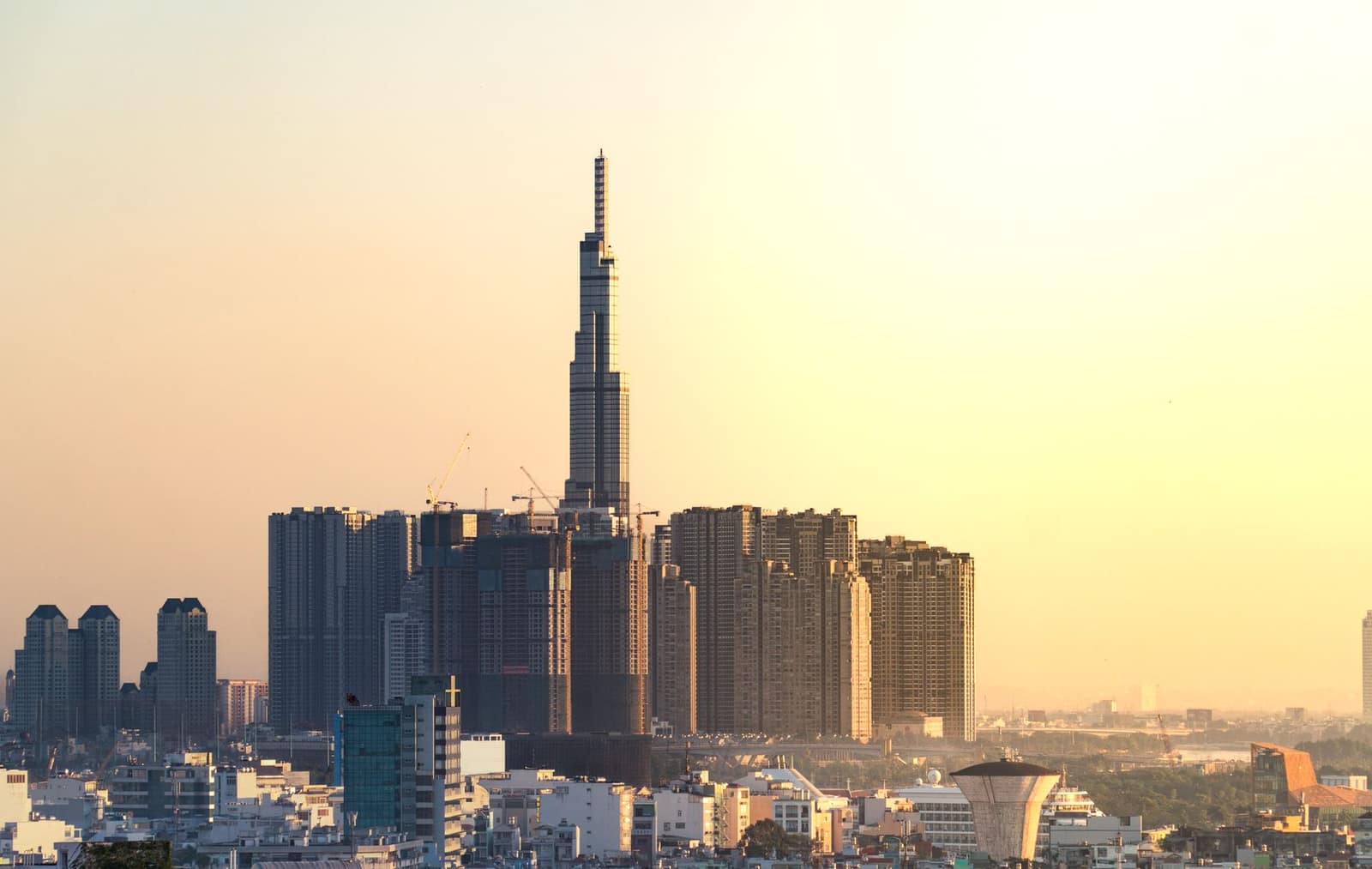 AITIGAVNDHanoiVietnamFast-growing manufacturing economy buying raw materials, yarn, steel, chemicals and feed ingredients from India.From India 2025-26US$ 6.67 bn
 EURMadridSpainGrowing EU buyer of Indian garments, seafood, chemicals and auto parts; Valencia and Algeciras are key ports.From India 2025-26US$ 6.96 bn
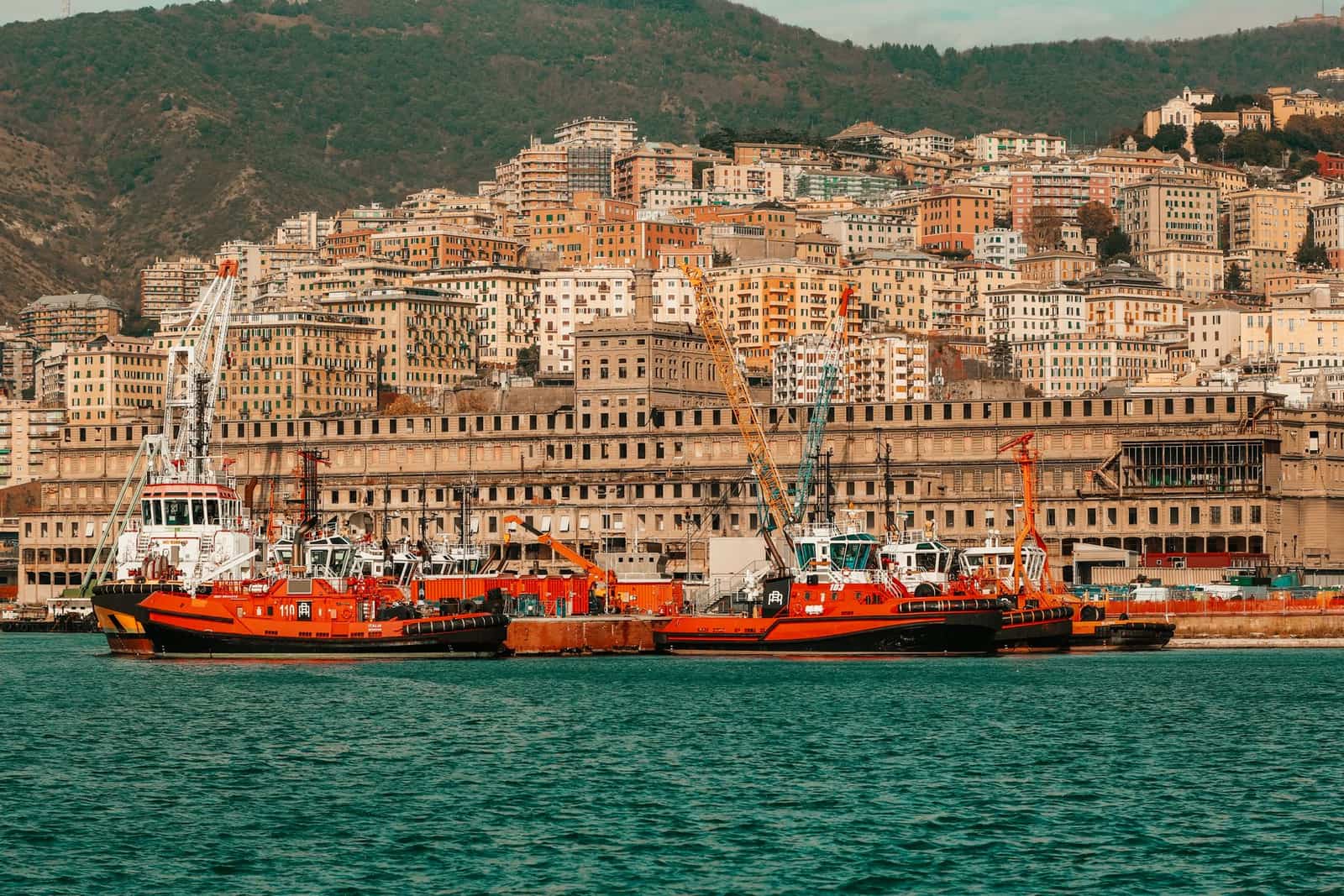 EURRomeItalyManufacturing buyer of Indian leather, yarn, castings, chemicals and seafood. EU rules apply.From India 2025-26US$ 7.79 bn
 CEPAJPYTokyoJapanHigh-value, quality-obsessed market. Buys shrimp, chemicals, auto parts and garments; strict food-sanitation checks.From India 2025-26US$ 6.04 bn
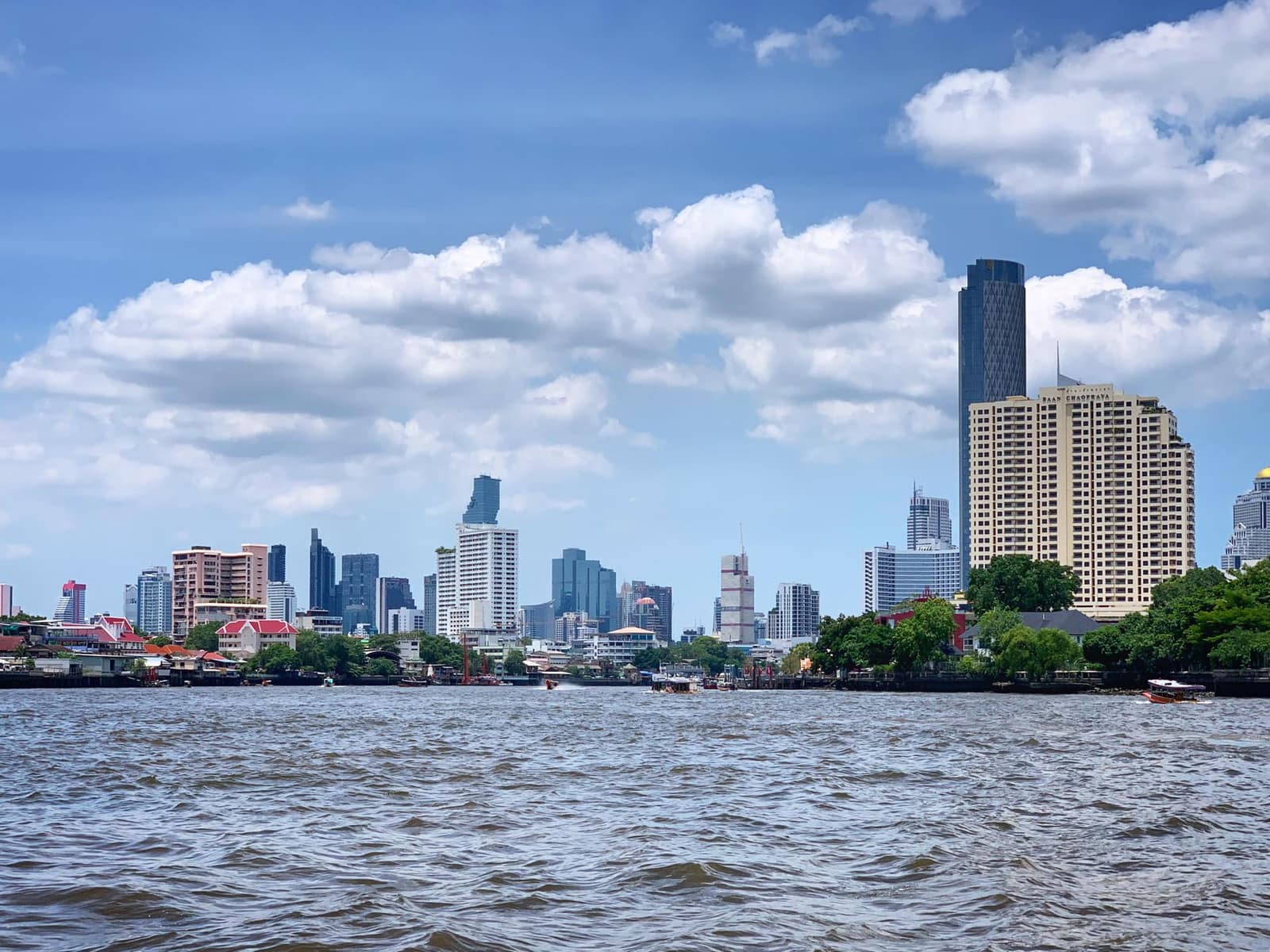 AITIGATHBBangkokThailandFood-processing and auto hub of South-East Asia. Buys Indian marine products, chemicals, machinery and gems.From India 2025-26US$ 5.06 bn
More in marine
All products →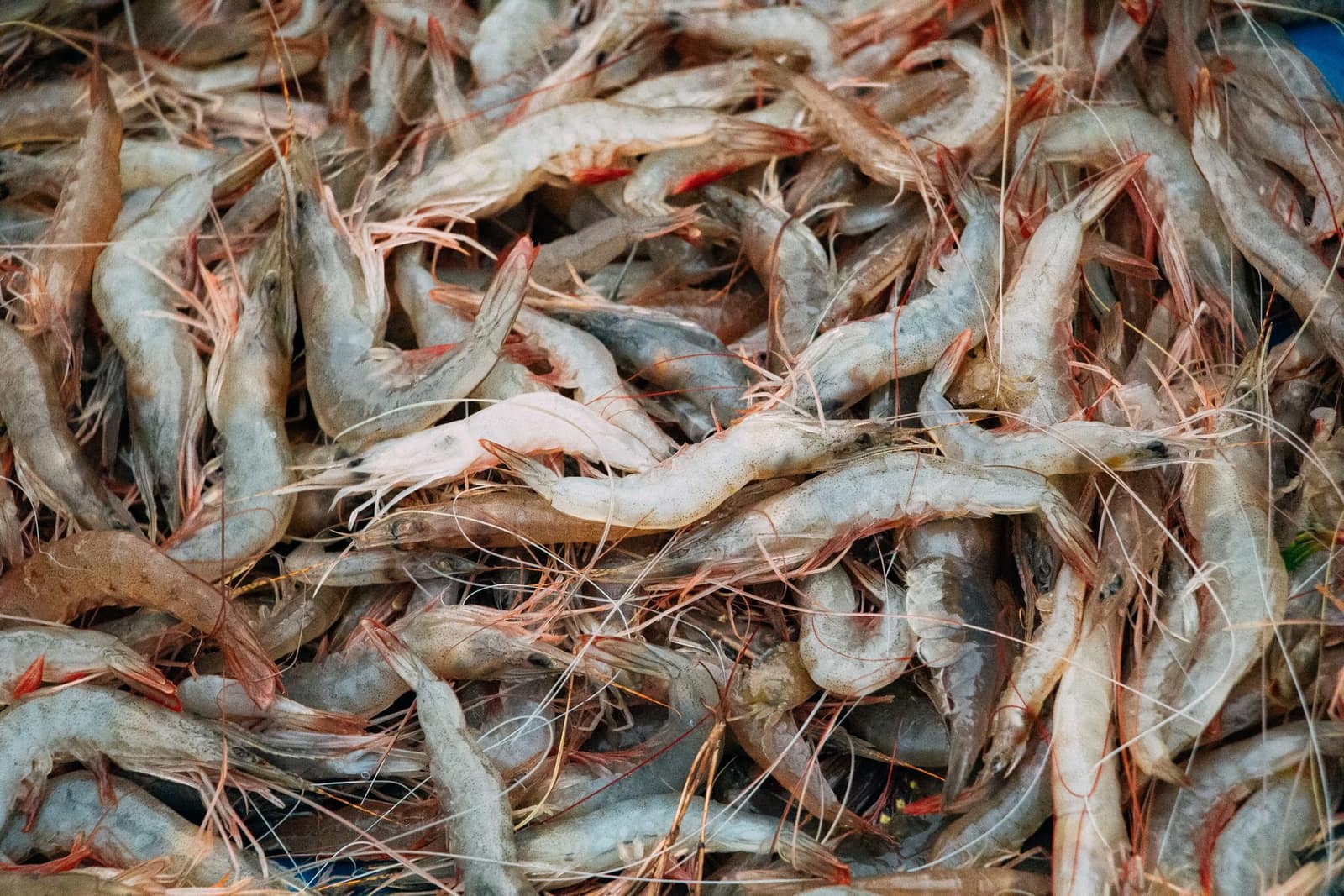 Free to exportMarineFrozen shrimpIndia’s top seafood export. Needs MPEDA registration and an EIC-approved plant; residue testing and US trade measures shape the business.HS0306.17Exports 2025-26US$ 5.61 bn ↑9.1%
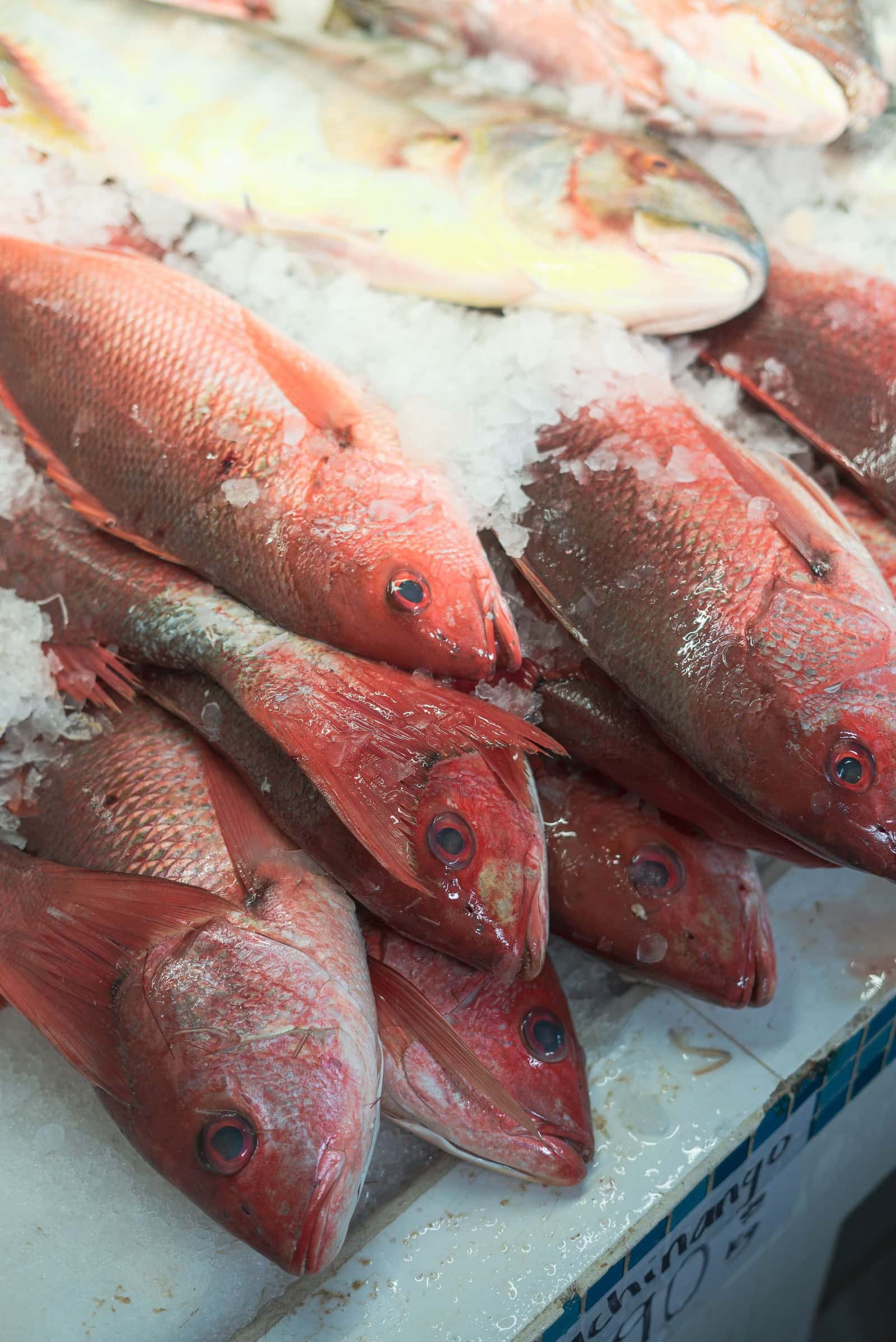 Free to exportMarineFrozen fishIndia’s second-largest seafood export. MPEDA registration, an EIC-approved plant and a health certificate are the gate.HS0303Exports 2025-26US$ 917 mn ↑8.9%
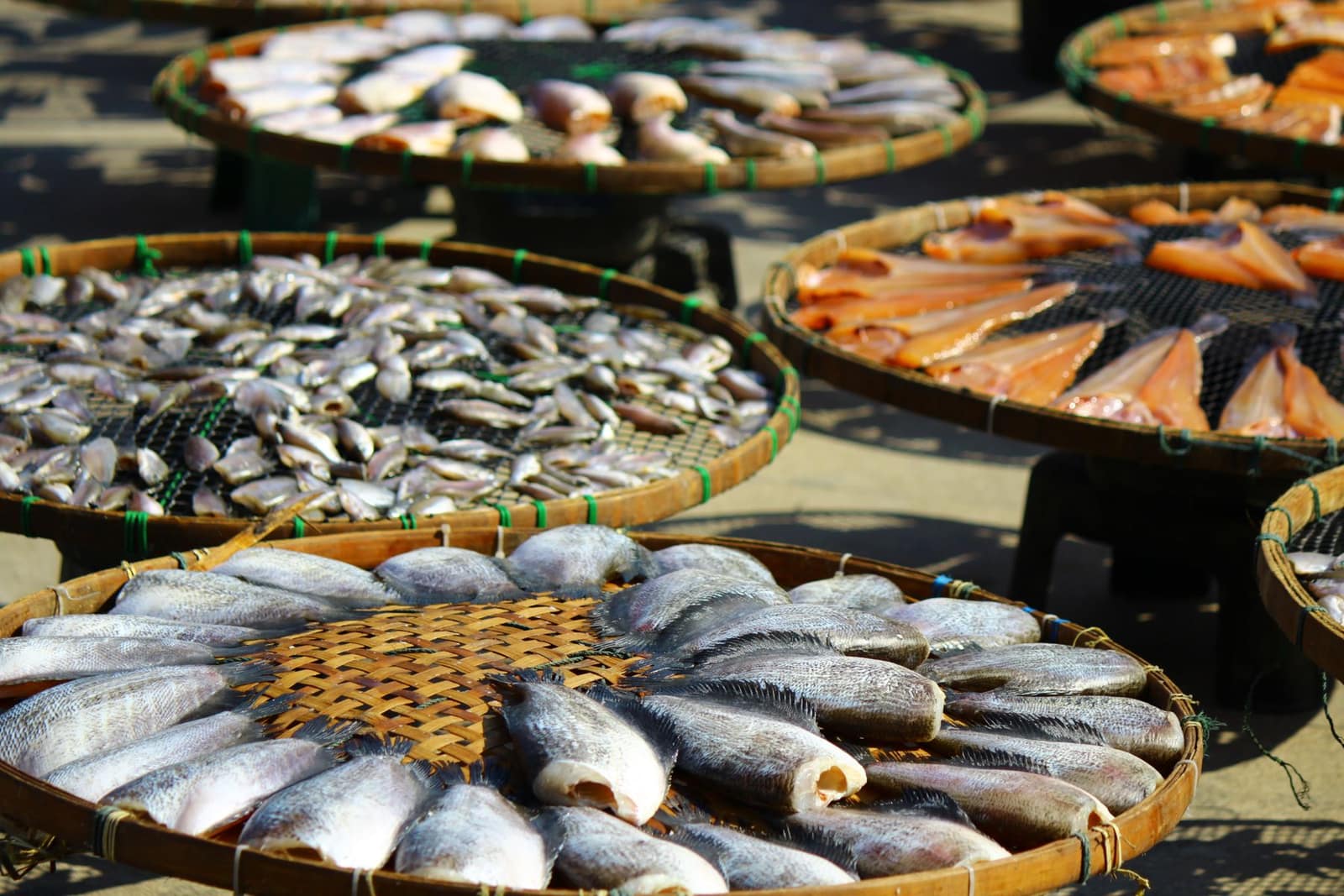 Free to exportMarineFishmeal and fish oilFishmeal and fish oil from sardine and small pelagic fish, sold to feed makers in Asia. The EU route needs an EIC-approved plant.HS2301Exports 2025-26US$ 608 mn ↑91.8%