

Marine
Export frozen fish
India’s second-largest seafood export. MPEDA registration, an EIC-approved plant and a health certificate are the gate.
- HS code
- 0303 Fish, frozen, whole (0303 — ribbonfish, mackerel, pomfret, seer, tuna, croakers and others) and fish fillets and other fish meat, fresh, chilled or frozen (0304).
- Export policy
- Free to export Free for most species, but you must be registered with MPEDA, process in an EIC-approved plant for markets that require it, and avoid species protected under the Wildlife (Protection) Act or CITES (some sharks, rays and others), which cannot be exported. Confirm the species line on DGFT.
- Registrations
- 6 IEC, GST and those below
- India’s exports, 2025-26
- US$ 917 mn to 89 countries
What is exported
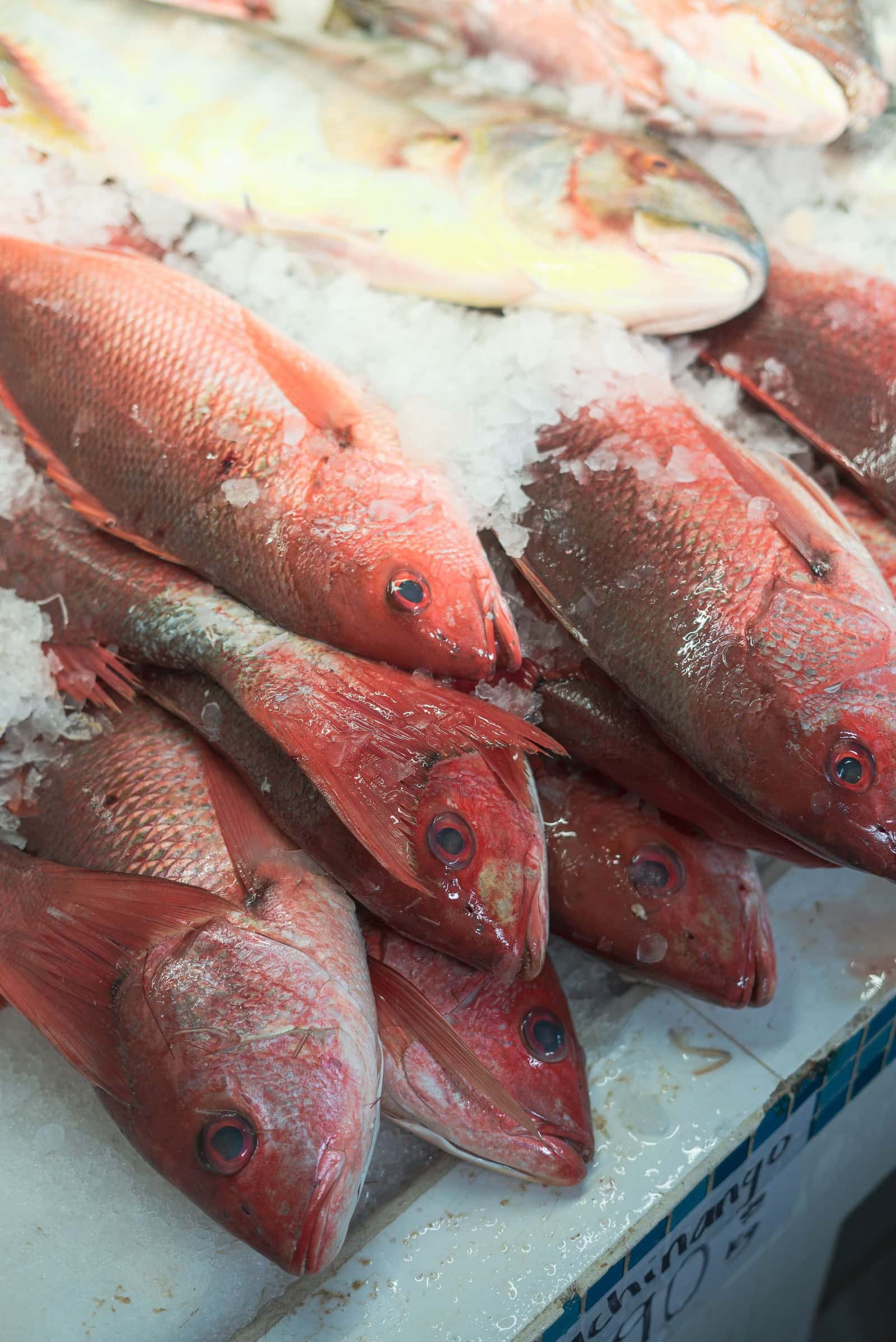
Frozen fish was India’s second-largest seafood export in 2024-25, earning ₹5,212.12 crore (US$ 622.60 million), according to MPEDA. Whole frozen ribbonfish, mackerel, sardine, croaker and reef fish go mainly to Asian buyers; fillets and value-added fish go to the EU, Japan and the Middle East. For all Indian seafood, China, the EU, South-East Asia, Japan and the Middle East follow the USA as the main markets.
Varieties, grades and forms
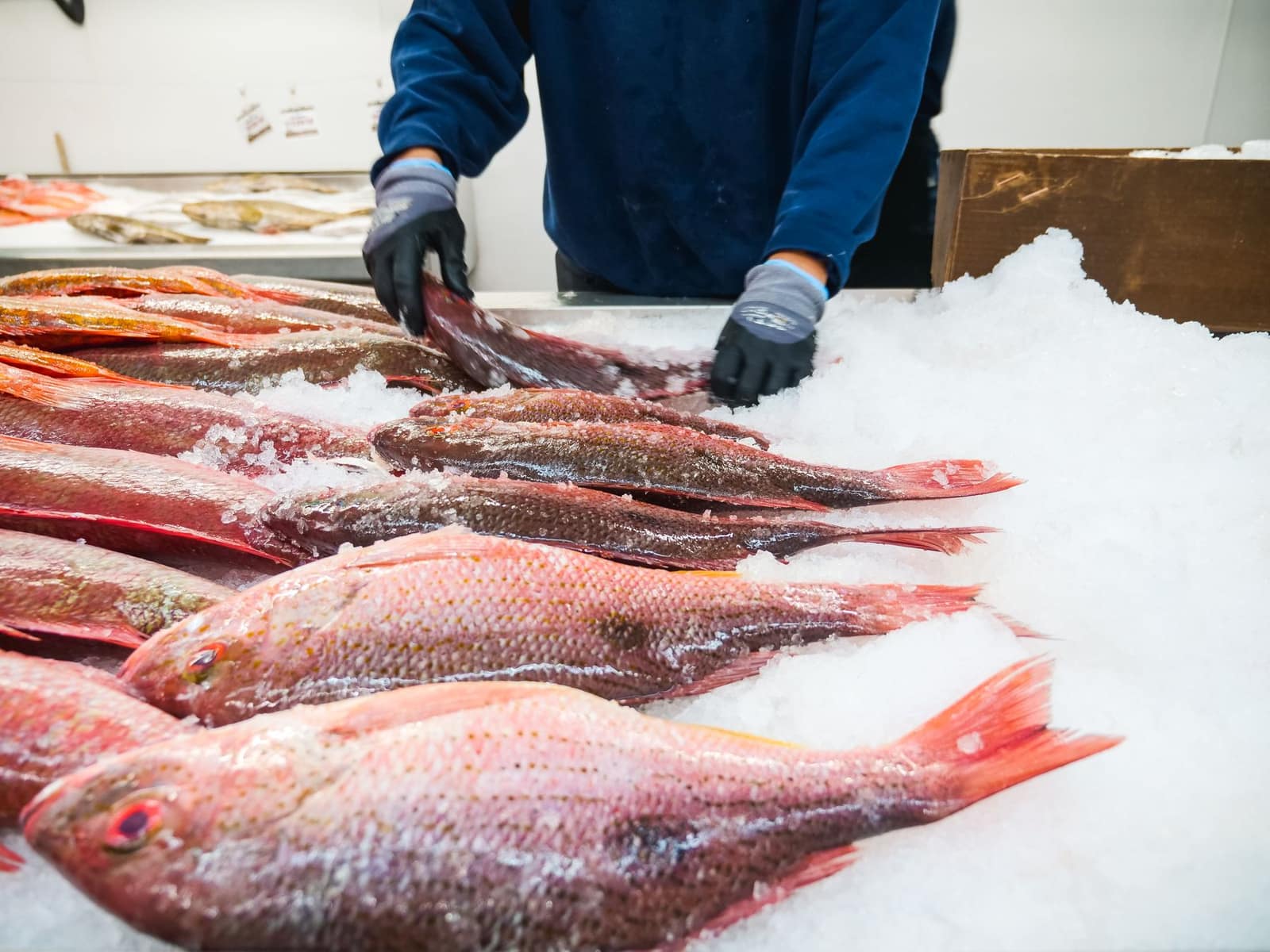
- Whole frozen fish (0303)Ribbonfish, Indian mackerel, sardine, croaker, reef cod, pomfret, seer and tuna.
- Fillets and loins (0304)Tuna loins, seer and other fillets for Europe, Japan and the Gulf.
- Surimi and fish meatMince from threadfin bream and other species.
Where it is grown or made
- GujaratVeraval and Porbandar — ribbonfish, croaker and surimi.
- Kerala and KarnatakaKochi and Mangaluru — mackerel, sardine, tuna.
- Andhra Pradesh, Tamil Nadu and MaharashtraVisakhapatnam, Thoothukudi and Ratnagiri.
The quality buyers ask for
- Codex standards
- Quick frozen finfish CXS 36-1981; quick frozen fish fillets CXS 190-1995
- Temperature
- –18 °C or colder at the core
- Histamine
- Tested in scombroid species against the destination’s limits
- Glaze
- Glaze declared; net weight excludes glaze
Certificates
- MPEDA registrationRequiredCompulsory registration as an exporter of marine products under the MPEDA Act.
- EIC plant approval and health certificateRequiredRequired for fishery, egg and milk products and wherever the importing country asks for an EIC certificate.
- Catch certificate (EU)Often askedValidated catch certificate under the EU rules against illegal, unreported and unregulated fishing.
- HACCPOften askedA food-safety plan that controls hazards at each processing step. Most importers ask for it.
- BRCGS Food SafetyOften askedGFSI-recognised standard asked for by UK and many EU retailers for private label.
- US FDA food-facility registrationOften askedEvery facility making food for the USA must register with the FDA, and each shipment needs prior notice. Canned and acidified foods also need FCE/SID process filing.
Shipping, storage and shelf life
40-ft reefers at –18 °C or colder (ultra-low for sashimi tuna); a 40-ft typically carries about 25–27 tonnes of cartons (your forwarder confirms).
Sea freight; Vizag and JNPT were the top seafood ports in 2024-25 (MPEDA).
Plate or blast frozen, stored at –18 °C or colder.
Typically 12–24 months frozen, depending on species and fat content.
What goes on the pack and carton
- Each carton: species (common and scientific name), product form, catch area, production method, approved plant number, net weight excluding glaze, production and expiry dates, storage temperature, “Product of India”.
- EU retail packs (Regulation 1169/2011): name of the food, ingredients with allergens highlighted, net quantity, best-before or use-by date, storage conditions, the EU importer’s name and address, origin where required — in the language of the country of sale.
- USA (21 CFR 101): product name, net quantity in US and metric units, ingredients, major allergens (including sesame), the packer’s or distributor’s name and place of business, Nutrition Facts unless exempt, and “Product of India”.
- Lot or batch number on every pack and carton, matching the invoice and packing list, so the goods can be traced and recalled.
EIC and its Export Inspection Agencies run laboratories and approve private labs for export certification (eicindia.gov.in). NABL-accredited labs (nabl-india.org) test residues, heavy metals and microbiology.
Benefits of exporting this product
- RoDTEP refund on this line
Most whole frozen fish lines (0303 23 to 0303 99): 3% of FOB, capped at ₹24 per kg (some, such as hilsa and dara, 0.5%). Most frozen fillets and fish meat (0304): 2.5%, capped at ₹24 per kg (some 0.5%). Rate as listed in Appendix 4R (w.e.f. 10 Oct 2024); DGFT Notification 41/2026-27 keeps the rates in force on 30 Sep 2026 unchanged until 31 Dec 2026. Check your exact 8-digit line on dgft.gov.in before you price.
DGFT — Appendix 4R, RoDTEP schedule for DTA exports w.e.f. 10 Oct 2024 (Notification No. 32, 30 Sep 2024) ↗ - MPEDA schemes
MPEDA runs assistance schemes for registered exporters — for example for value-added processing, quality labs and market promotion. Check the current scheme notices on mpeda.gov.in.
MPEDA — Marine Products Export Development Authority (exporter registration) ↗
Where to register
- MPEDARegistration as an exporter of marine products (and RCMC) is compulsory under the MPEDA Act before you export seafood.mpeda.gov.in ↗
- Export Inspection Council (EIC)Plant approval and export health certificate for products notified for compulsory inspection, or where the importing country asks for an EIC certificate (fishery products, egg products, milk products and others).eicindia.gov.in ↗
- FSSAIFood business licence. Food exporters come under the Central licence; apply on FoSCoS and keep it valid for the premises you make or pack from.foscos.fssai.gov.in ↗
- Buyer-country food registrationMany importing countries register the foreign plant or the product — for example US FDA food-facility registration, GACC registration for China, or product registration in some Gulf states. Check APEDA’s importing-country regulations page.apeda.gov.in ↗
Quality and checks
- Histamine in scombroid fish (tuna, mackerel, sardine), heavy metals (mercury, cadmium, lead) and microbiology.
- Catch certificate for the EU (illegal, unreported and unregulated fishing rules) and plant listing for the EU, China and other markets.
- Glazing declared honestly — net weight excludes the ice glaze.
Register with MPEDA, then buy from an EIC-approved processing plant that already exports to your target market, starting with one species and one buyer on LC or advance. Since 15 September 2026, a consignment worth up to ₹3 lakh FOB does not need an RCMC (DGFT Notification 36/2026-27); licences that a law requires, such as FSSAI, still apply.
Where new exporters go wrong
- Histamine above the limit in tuna or mackerel — results from poor icing on the boat or at landing.
- Shipping from a plant not listed for the destination; the container is refused.
Documents this product needs
Schemes that apply
- RoDTEP Remission of Duties and Taxes on Exported Products
- Drawback Duty Drawback (All Industry Rates)
- LUT Letter of Undertaking for zero-rated exports under GST
- ECGC ECGC export credit insurance for small exporters
- Districts as Export Hubs Districts as Export Hubs
- MAI / MAS Market Access Initiative (now Market Access Support under EPM)
Sources (5)
- MPEDA — Press note on seafood exports 2024-25 (9 Jul 2025)
- MPEDA — Marine Products Export Development Authority (exporter registration)
- Export Inspection Council of India (EIC)
- DGFT — Appendix 4R, RoDTEP schedule for DTA exports w.e.f. 10 Oct 2024 (Notification No. 32, 30 Sep 2024)
- DGFT Notification 36/2026-27 (15 Sep 2026) — no RCMC needed for consignments up to ₹3 lakh FOB
Trade data
Indian frozen fish exports in numbers
From the Department of Commerce’s TradeStat, country by country. US$, Indian financial years (April–March).
- Exports in 2025-26
- US$ 917 mn +8.6% a year on average, 2020-21 to 2025-26
- Change from 2024-25
- ↑ +8.9% US$ 842 mn → US$ 917 mn
- Buyer countries
- 89
- Average export price
- US$ 1.91 per kg · 4,80,139 tonnes shipped · US$ 1.84 the year before
The price cycle
India’s average export price per kg each year (total value ÷ total quantity). Highest in 2021-22, lowest in 2024-25 — a 16% swing between them. Keep this swing in mind when you quote.
What next: a projection from the trend
The past trend carried forward — not a forecast by any authority. Sudden changes in policy, prices or demand are not in it.
Likely range US$ 919 mn to US$ 1.35 bn.
- Trend
- +7.2% a year
- Fit (R²)
- 0.57
- Based on
- 6 years of official figures
Method: a straight line through the logarithm of yearly exports (log-linear regression); range = ±1 standard error.
Biggest buyer countries
By value in 2025-26. Change is against 2024-25.
Where demand is rising and falling
Only countries that buy at least US$ 1 million or 1% of India’s exports of this product. Change from 2024-25 to 2025-26.
↑ High demand
- BelarusUS$ 4.2 mn → US$ 10.9 mn↑+158.8%
- United Arab EmiratesUS$ 6.6 mn → US$ 11.4 mn↑+72.5%
- VietnamUS$ 16.5 mn → US$ 22.4 mn↑+35.3%
- MalaysiaUS$ 24.3 mn → US$ 31.4 mn↑+29%
- ChinaUS$ 266 mn → US$ 304 mn↑+14.1%
- TaiwanUS$ 39.9 mn → US$ 44.7 mn↑+12%
↓ Low demand
- CameroonUS$ 19.2 mn → US$ 17.1 mn↓-10.9%
- TunisiaUS$ 32.5 mn → US$ 29 mn↓-10.8%
Which forms sell, and at what price
India’s exports by 8-digit tariff line, 2025-26. Average price = total value ÷ total quantity (TradeStat): the average of every shipment on that line, not the price of any one deal.
| Tariff line | Value 2025-26 | Change | Quantity | Average price |
|---|---|---|---|---|
Others-of-others-of-fish fillets and other fish meat (whether or not minced), fresh, chilled or frozen0304 99 00 · Fish meat, excluding fillets, whether or not minced, frozen in item no. 0304.9 | US$ 262 mn | ↑+21.6% | 1,21,547 tonnes | US$ 2.15 per kgwas US$ 1.94 |
Fish, frozen in heading 0303, excluding fillets, fish meat of 0304, and edible fish offal of subheadings… — ribbon fish frozen0303 89 30 | US$ 188 mn | ↑+9.4% | 98,627 tonnes | US$ 1.90 per kgwas US$ 1.81 |
Indian mackerels (rastrelliger spp.)0303 59 10 · Fish, frozen in item no. 0303.5, excluding fillets, fish meat of 0304, and edible fish offal of subheadings… | US$ 128 mn | ↓-18% | 72,848 tonnes | US$ 1.75 per kgwas US$ 1.67 |
Croakers, groupers and flounders frozen0303 89 80 · Fish, frozen in heading 0303, excluding fillets, fish meat of 0304, and edible fish offal of subheadings… | US$ 69.8 mn | ↑+14.8% | 46,806 tonnes | US$ 1.49 per kgwas US$ 1.30 |
Fish, frozen in heading 0303, excluding fillets, fish meat of 0304, and edible fish offal of subheadings… — other frozen fish0303 89 90 | US$ 41.4 mn | ↓-2.2% | 21,434 tonnes | US$ 1.93 per kgwas US$ 2.55 |
Skipjack tuna( stripe-bellied bonito), (katsuwonuspelamis)0303 43 00 · Fish, frozen, skipjack tuna, excluding fillets, fish meat of 0304, and edible fish offal of subheadings… | US$ 37.9 mn | ↑+5% | 29,865 tonnes | US$ 1.27 per kgwas US$ 1.27 |
Pomfret (white or silver or black) frozen0303 89 50 · Fish, frozen in heading 0303, excluding fillets, fish meat of 0304, and edible fish offal of subheadings… | US$ 35.4 mn | ↓-1.5% | 3,263 tonnes | US$ 10.84 per kgwas US$ 12.01 |
Fish, frozen, tilapias, excluding fillets, fish meat of 0304, and edible fish offal of subheadings 0303.91… — tilapias frozen0303 23 00 | US$ 26 mn | ↑+47.6% | 23,258 tonnes | US$ 1.12 per kgwas US$ 1.09 |
Frozen fillets of other fish0304 89 90 · Fish fillets, frozen, of fish in heading 0304.8 | US$ 21.3 mn | ↑0% | 2,761 tonnes | US$ 7.70 per kgwas US$ 7.33 |
Fish, frozen, yellowfin tunas, excluding fillets, fish meat of 0304, and edible fish offal of subheadings… — yellowfin tunas frozen0303 42 00 | US$ 17.9 mn | ↓-26.5% | 9,606 tonnes | US$ 1.87 per kgwas US$ 1.84 |
Fish, frozen, sole, excluding fillets, fish meat of 0304, and edible fish offal of subheadings 0303.91 to… — sole frozen0303 33 00 | US$ 12.1 mn | ↑+27.3% | 7,921 tonnes | US$ 1.53 per kgwas US$ 1.41 |
Sardines, sardinella, brisling or sprats frozen0303 53 00 · Fish, frozen, sardines, sardinella, brisling or sprats, excluding fillets, fish meat of 0304, and edible… | US$ 7.4 mn | ↑+312.9% | 9,043 tonnes | US$ 0.81 per kgwas US$ 1.01 |
Fish, frozen, carp, excluding fillets, fish meat of 0304, and edible fish offal of subheadings 0303.91 to… — carp frozen0303 25 00 | US$ 6.7 mn | ↑+100.9% | 5,355 tonnes | US$ 1.25 per kgwas US$ 1.19 |
Jack and horse mackerel frozen0303 55 00 · Fish, frozen, jack and horse mackerel, excluding fillets, fish meat of 0304, and edible fish offal of… | US$ 5.3 mn | ↑+103.1% | 5,594 tonnes | US$ 0.94 per kgwas US$ 0.75 |
The world market
Each country’s own recorded exports and imports in UN Comtrade, 2023 (the latest year nearly every country has reported).
- World imports
- US$ 55.9 bn 2023
- India among exporters
- #15 of 146 countries
- India’s share of world exports
- 2% US$ 983 mn
- Left for others to win
- US$ 47.8 bn exported by other countries
Top exporters — your competitors
- 1ChileUS$ 5.78 bn 11.8%
- 2ChinaUS$ 5.58 bn 11.4%
- 3NorwayUS$ 4.79 bn 9.8%
- 4Viet NamUS$ 3.27 bn 6.7%
- 5USAUS$ 3.05 bn 6.3%
- 6NetherlandsUS$ 2.5 bn 5.1%
- 7DenmarkUS$ 1.56 bn 3.2%
- 8SpainUS$ 1.54 bn 3.2%
- 9IcelandUS$ 1.54 bn 3.2%
- 10PolandUS$ 1.27 bn 2.6%
Biggest buyers in the world
- 1USAUS$ 9.43 bn 16.9%
- 2JapanUS$ 6.01 bn 10.8%
- 3ChinaUS$ 5.3 bn 9.5%
- 4GermanyUS$ 2.44 bn 4.4%
- 5ThailandUS$ 2.3 bn 4.1%
- 6Rep. of KoreaUS$ 2.05 bn 3.7%
- 7FranceUS$ 1.9 bn 3.4%
- 8SpainUS$ 1.82 bn 3.3%
- 9United KingdomUS$ 1.46 bn 2.6%
- 10ItalyUS$ 1.43 bn 2.6%
Opportunity: what these countries buy from the world, and from India
Each country’s own recorded imports in UN Comtrade, latest year it has reported. The long light part of each bar is demand other countries are filling today.
TradeStat’s 2023-24 quantities are double-counted, so that year is left out of the price. Sources: TradeStat — Export Import Data Bank, Department of Commerce · UN Comtrade database (United Nations Statistics Division) · Figures taken 29 October 2026.
Step by step
How to export frozen fish
India is a major seafood exporter; frozen fish was its second-largest seafood item in 2024-25 at US$ 622.60 million (MPEDA), after shrimp. Norway, China, Vietnam and Ecuador lead world seafood trade overall. Indian frozen fish goes mainly to China and South-East Asia as whole fish, with fillets and value-added products for the EU, Japan and the Middle East. The openings are better-handled, value-added fish (fillets, loins, portions) from EIC-approved plants listed for premium markets.
- 01Register with MPEDA
Get MPEDA exporter registration and RCMC.
- 02Pick a listed plant
Process in an EIC-approved plant listed for your market.
- 03Control the raw fish
Ice fish on the boat and at landing to keep histamine low.
- 04Get catch documents
Get the catch certificate validated for EU shipments.
- 05Test and certify
Test histamine, metals and micro; get the EIC health certificate.
- 06Book, stuff and file
Book the container, stuff it with a pre-shipment check, file the shipping bill on ICEGATE and get the certificate of origin and any health certificate.
- 07Get paid and close the file
Send the original documents through your bank (or to the buyer if paid in advance). Once the money arrives, get the e-BRC and claim RoDTEP and drawback where they apply.
Meet buyers
Trade fairs
Questions
Questions about exporting frozen fish
Do I need MPEDA registration?
Which species cannot be exported?
What RoDTEP applies?
Why was my tuna rejected?
Is a catch certificate needed for China?
Sources (5)
- MPEDA — Press note on seafood exports 2024-25 (9 Jul 2025)
- MPEDA — Marine Products Export Development Authority (exporter registration)
- Export Inspection Council of India (EIC)
- Codex Alimentarius — list of standards
- DGFT — Appendix 4R, RoDTEP schedule for DTA exports w.e.f. 10 Oct 2024 (Notification No. 32, 30 Sep 2024)
Who buys Indian frozen fish
All countries →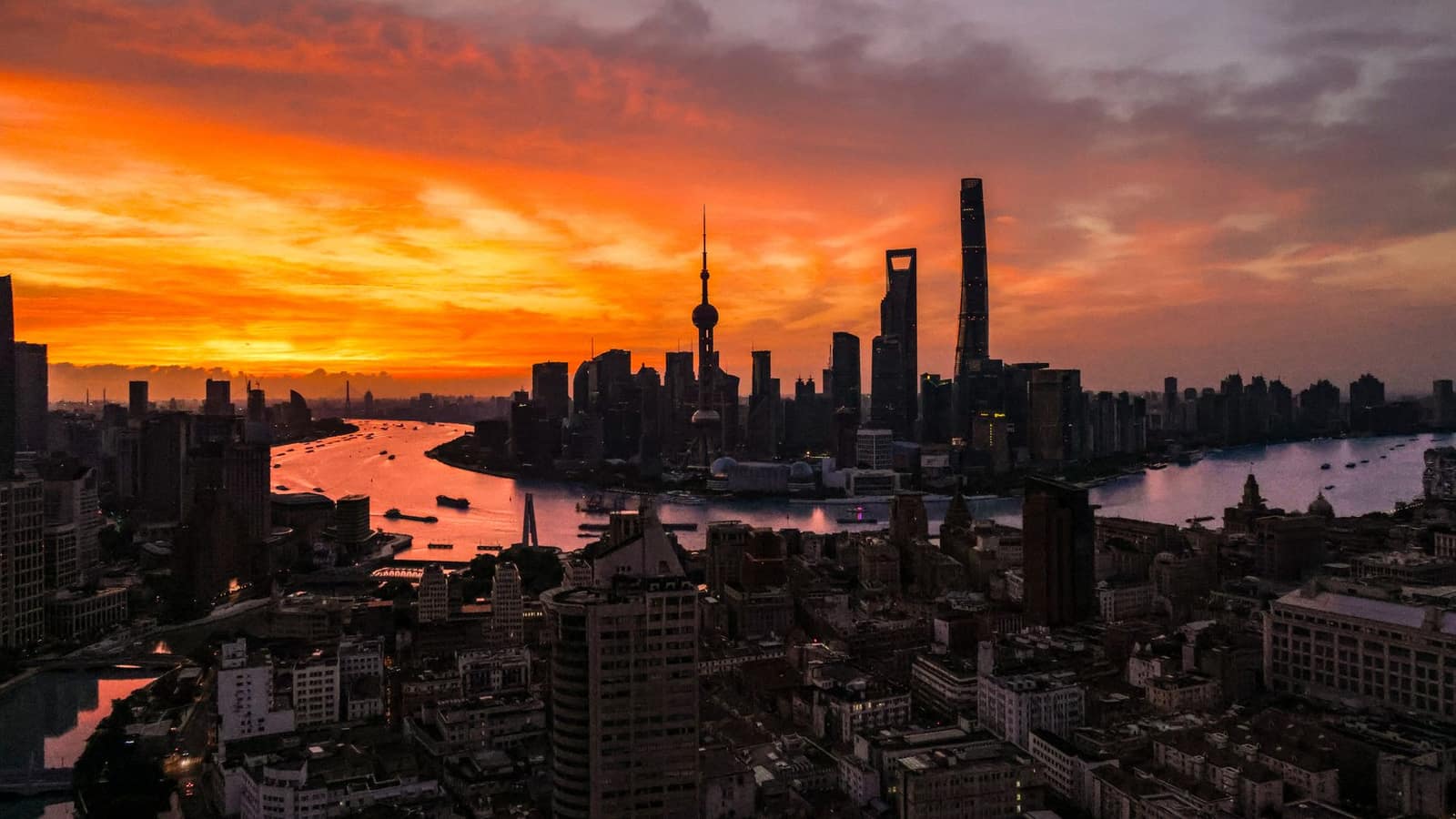 APTACNYBeijingChinaHuge market, but mostly for raw materials. Food plants must be registered with GACC; fresh produce needs a protocol.From India 2025-26US$ 19.5 bn
 CEPAJPYTokyoJapanHigh-value, quality-obsessed market. Buys shrimp, chemicals, auto parts and garments; strict food-sanitation checks.From India 2025-26US$ 6.04 bn
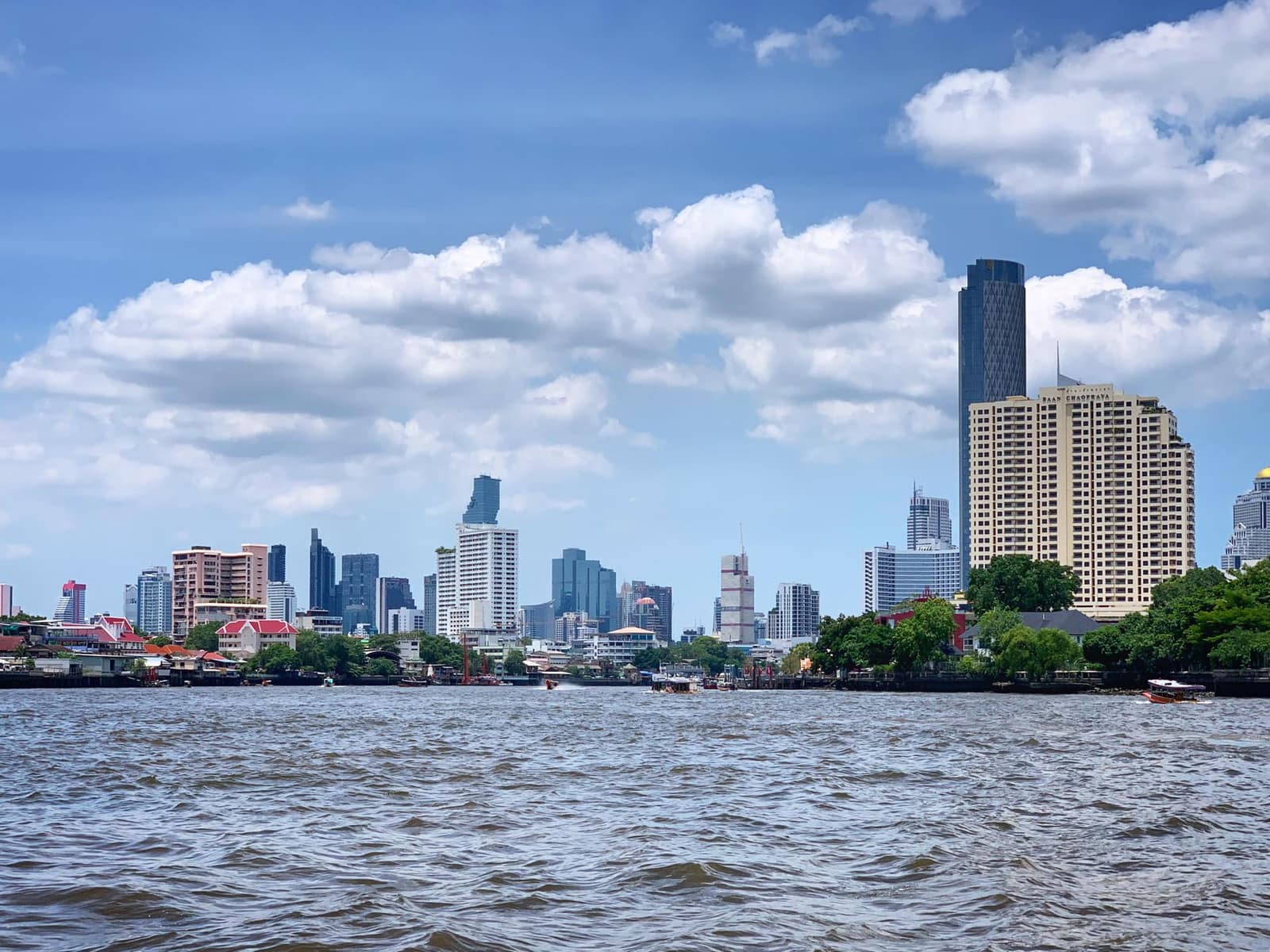 AITIGATHBBangkokThailandFood-processing and auto hub of South-East Asia. Buys Indian marine products, chemicals, machinery and gems.From India 2025-26US$ 5.06 bn
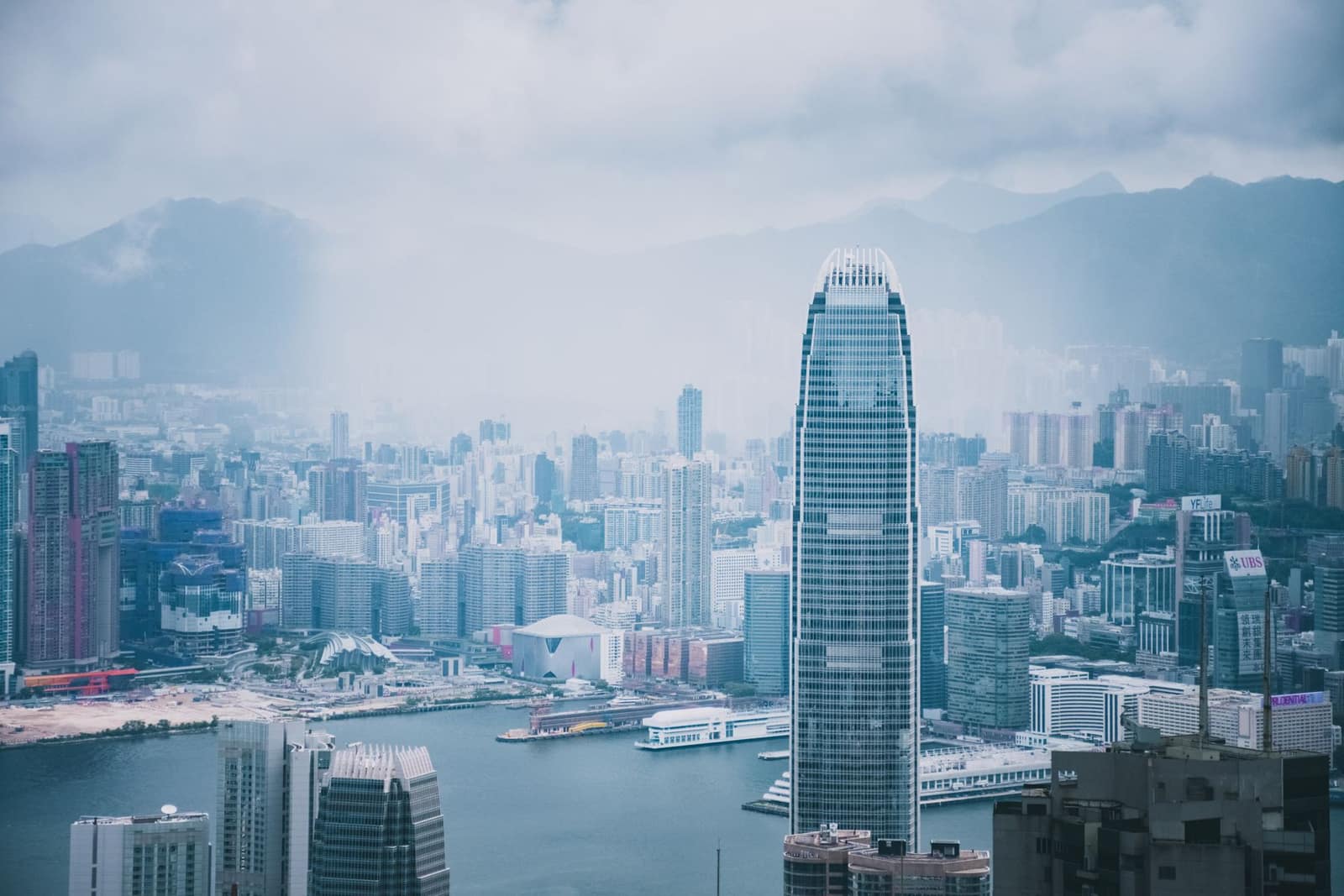 HKDHong Kong (Special Administrative Region of China)Hong KongFree port with almost no import duty. A top buyer of Indian diamonds and jewellery and a re-export hub for Asia.From India 2025-26US$ 8.08 bn
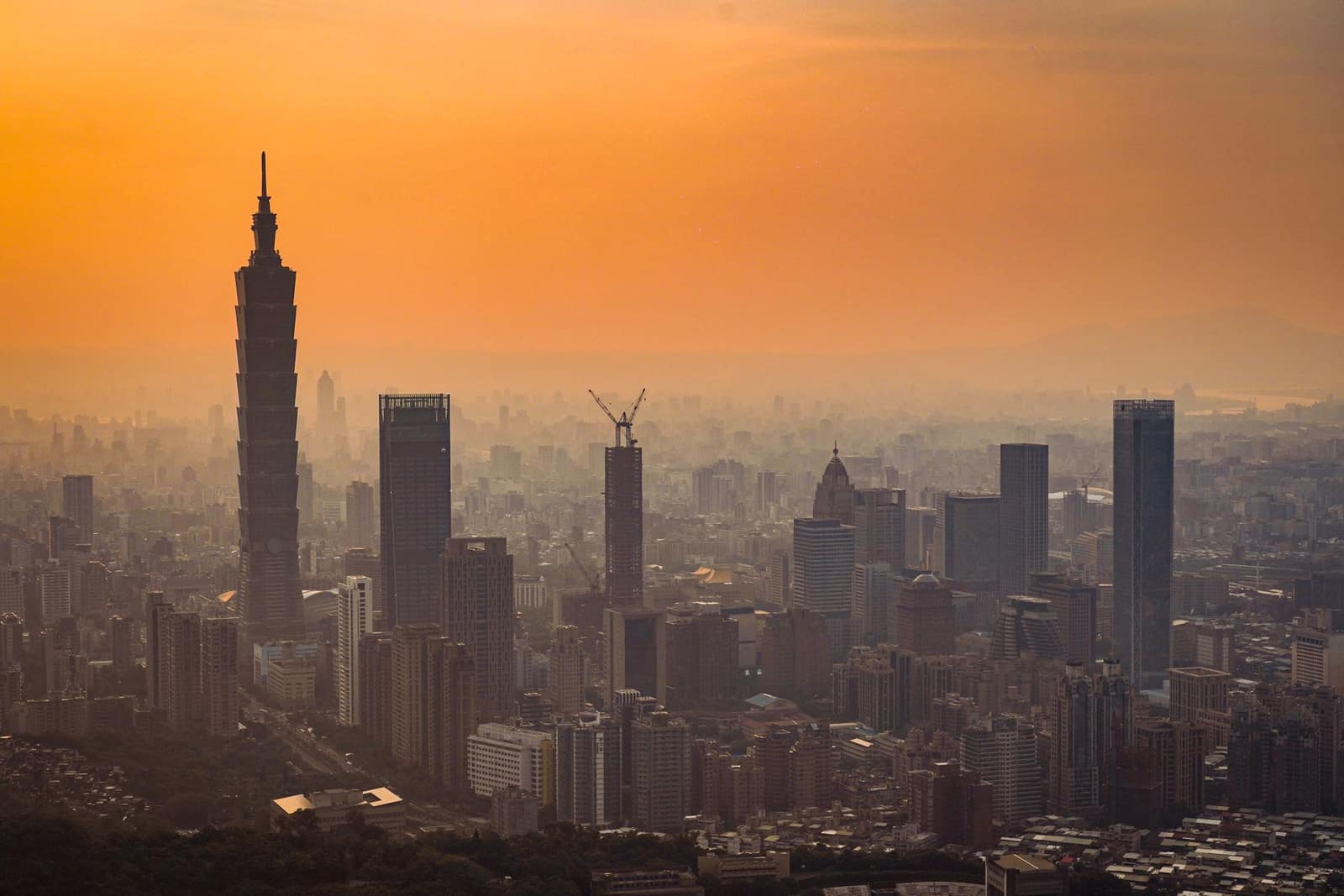 TWDTaipeiTaiwanHigh-tech economy that buys Indian chemicals, metals, marine products and food. Strict food inspection and product standards.From India 2025-26US$ 1.95 bn
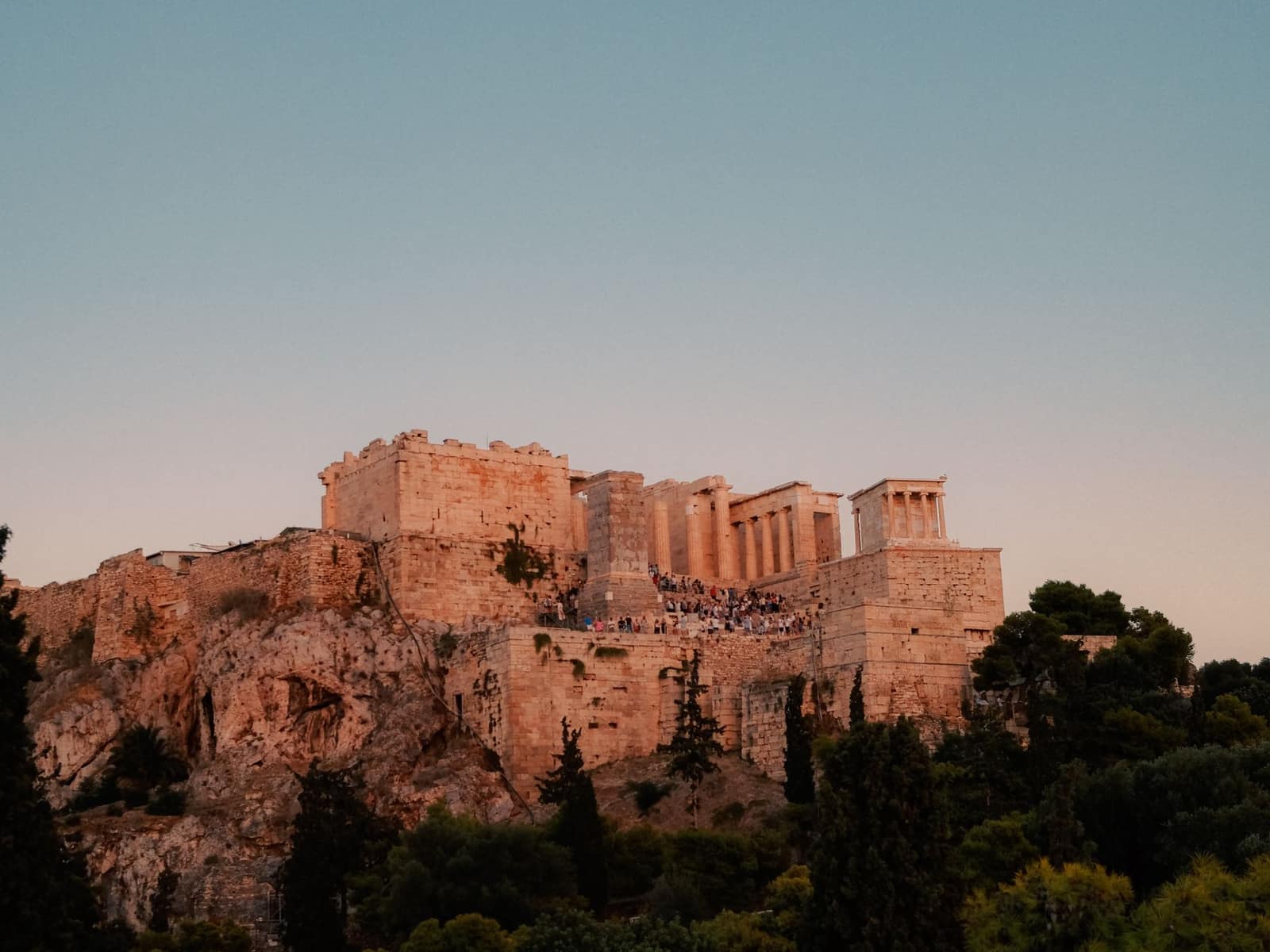 EURAthensGreeceGateway to South-East Europe through Piraeus. Buys Indian chemicals, marine products, steel and textiles.From India 2025-26US$ 1.07 bn
More in marine
All products →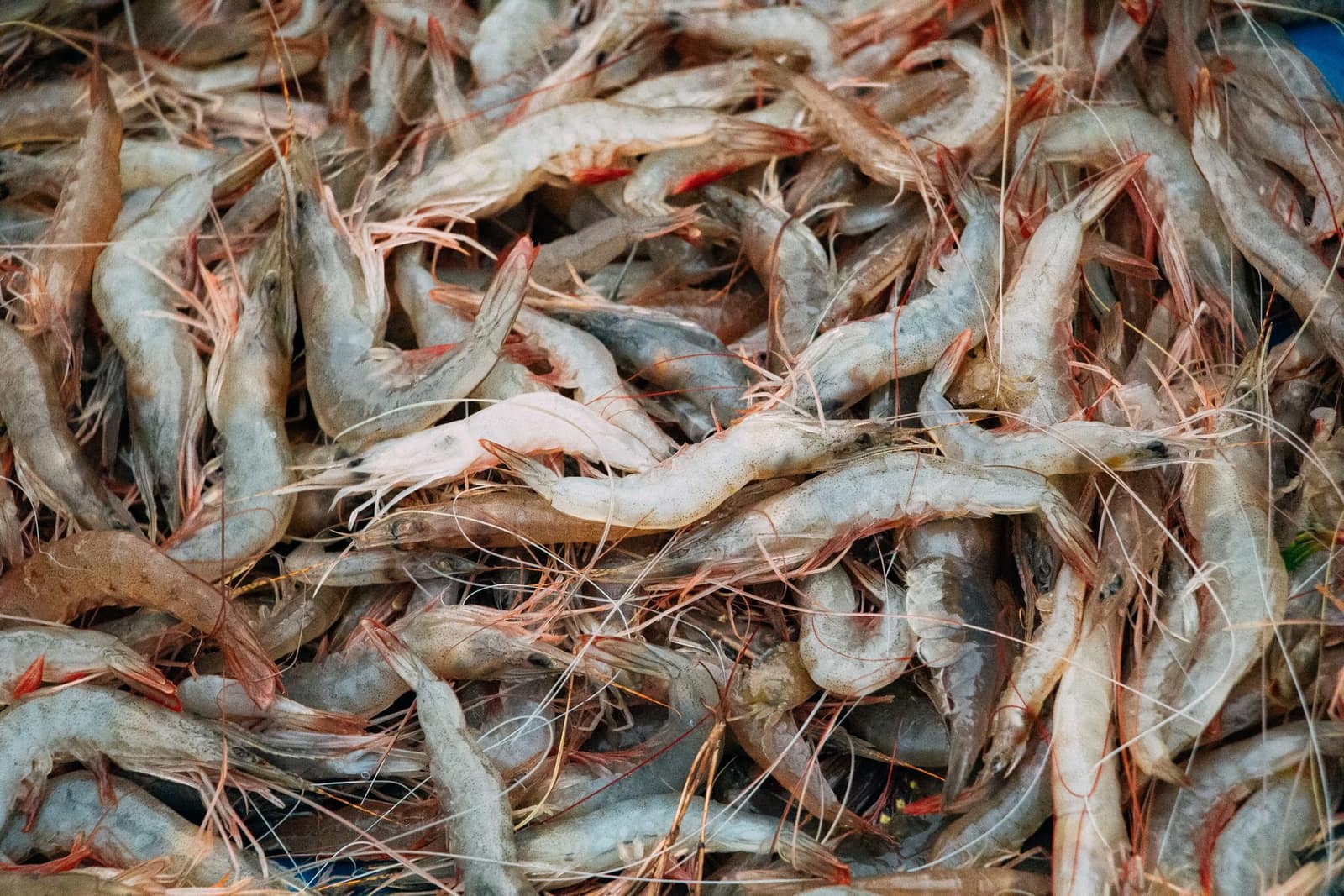 Free to exportMarineFrozen shrimpIndia’s top seafood export. Needs MPEDA registration and an EIC-approved plant; residue testing and US trade measures shape the business.HS0306.17Exports 2025-26US$ 5.61 bn ↑9.1%
 Free, with conditionsMarineSquid, cuttlefish and octopusFrozen squid, cuttlefish and octopus from the west and south coasts. Needs MPEDA registration, an EIC plant and an EU catch certificate.HS0307Exports 2025-26US$ 930 mn ↑30.3%
 Free to exportMarineFishmeal and fish oilFishmeal and fish oil from sardine and small pelagic fish, sold to feed makers in Asia. The EU route needs an EIC-approved plant.HS2301Exports 2025-26US$ 608 mn ↑91.8%