

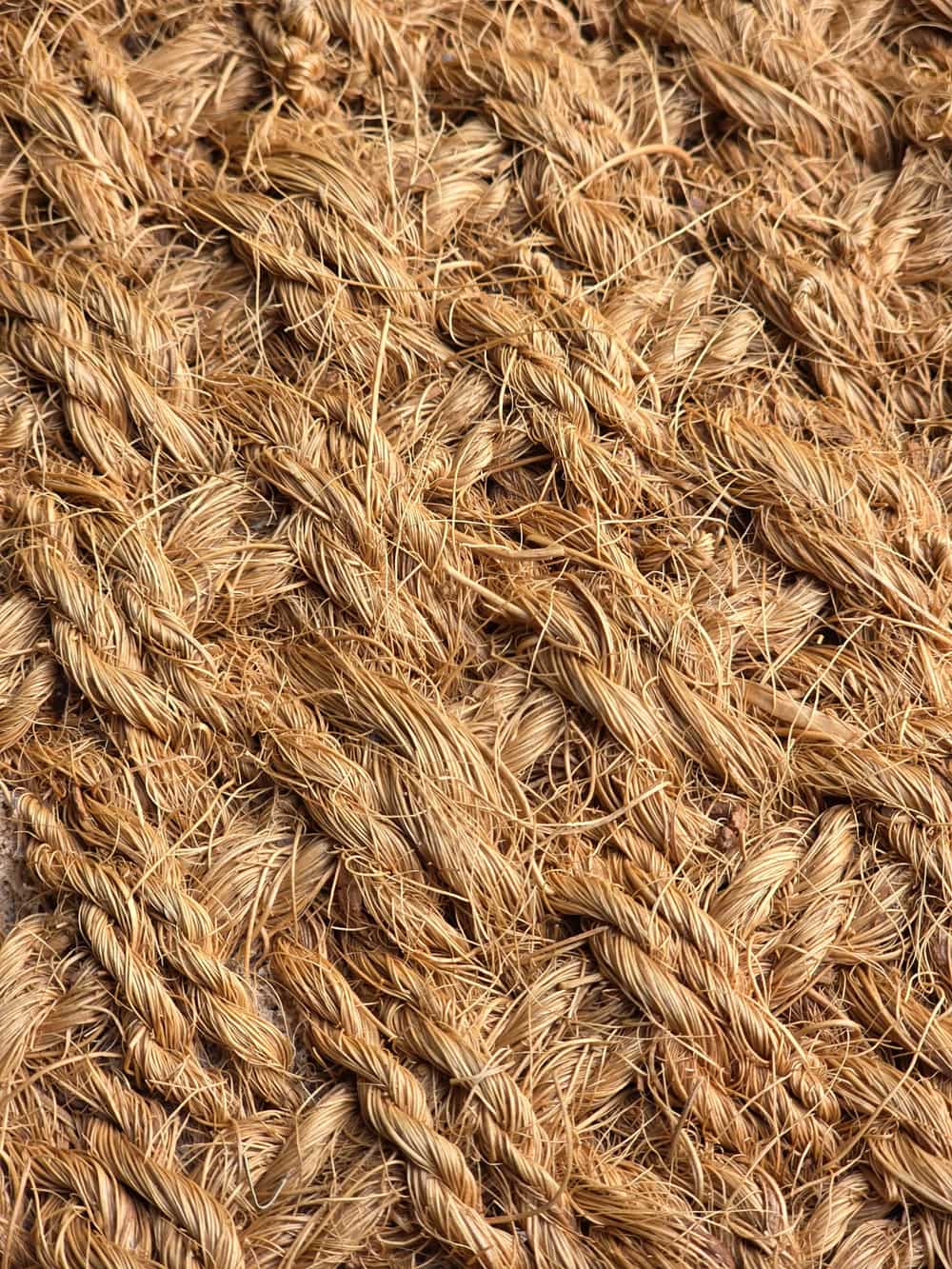
Handicrafts
Export coir and coir products
Coir pith grow media, fibre and doormats from Kerala and Tamil Nadu. Coir Board registration needed; China, the USA and Europe buy most.
- HS code
- 5305 Coir fibre, yarn and coir pith under 5305, and coir mats, matting and rugs under 5702 20. Coir geotextiles and tufted mats fall in other headings.
- Export policy
- Free to export Export is Free under ITC(HS); we found no recent restriction. Confirm current status on dgft.gov.in.
- Registrations
- 4 IEC, GST and those below
- India’s exports, 2025-26
- US$ 639 mn to 112 countries
What is exported
Exports under 5305 and 5702 20 were about US$ 639 million in 2025-26 (TradeStat). China (mainly fibre and pith) was the largest buyer, followed by the USA, the Netherlands, Peru, Spain, South Korea, the UK and Australia. Coir pith blocks and grow bags go to greenhouse growers; mats and rugs go to home-goods retailers.
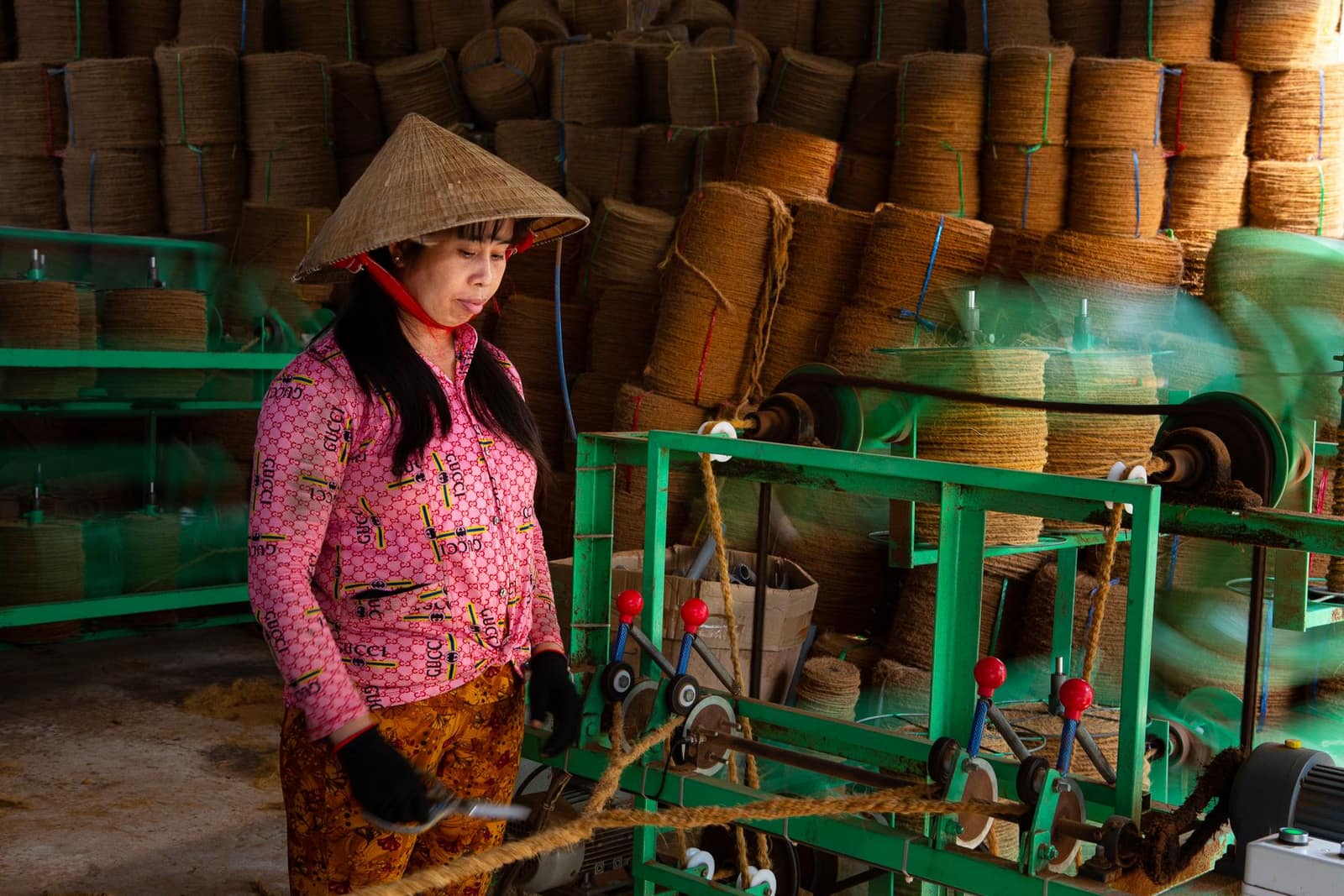
Varieties, grades and forms
- Coir pith (cocopeat) blocks, discs and grow bagsWashed or buffered growing media for greenhouses and nurseries.
- Coir fibre (bristle, mattress, decorticated)Raw material for mattresses, brushes and rope; China buys most.
- Coir mats, matting and rugsWoven, printed and latex-backed doormats for home retail.
- Coir geotextilesErosion-control nets for slopes and embankments (other heading).
Where it is grown or made
- KeralaAlappuzha and Kollam — mats, matting and rugs.
- Tamil NaduPollachi, Coimbatore, Thanjavur, Theni — fibre and coir pith.
- Karnataka and Andhra PradeshTumakuru, Hassan; East Godavari.
The quality buyers ask for
- Coir pith
- EC (low after washing/buffering), pH, moisture, expansion, fibre content, weed-free
- Fibre
- Length, colour, impurity and moisture by grade (bristle, mattress, short)
- Mats
- Size, weight per m², pile height, dye fastness, backing
Certificates
- Coir Board registrationRequiredExporter registration and RCMC from the Coir Board.
- Phytosanitary certificateRequiredIssued by Plant Quarantine (DPPQS) for each consignment after inspection; apply on PQMS.
- RHP (growing media)Often askedDutch quality mark for substrates, asked for by many European greenhouse buyers.
- ISO 9001Often askedQuality-management certification many industrial buyers expect from suppliers.
Shipping, storage and shelf life
A 40-ft high-cube typically carries about 20–26 tonnes of compressed pith blocks; mats cube out before weight.
Sea from Tuticorin, Kochi and Chennai.
Dry, covered storage; keep blocks below contract moisture.
What goes on the pack and carton
- Growing media: product type, volume after expansion, EC and pH, batch number, "Made in India" and the importer’s required marks.
- Mats: size, fibre content, care instructions and country of origin, as the retailer’s label rules require.
The Coir Board’s research institutes (Central Coir Research Institute, Kalavoor) test coir fibre and pith; NABL-accredited labs (nabl-india.org) test EC, pH and moisture. European buyers may ask for RHP-certified testing.
Benefits of exporting this product
- RoDTEP refund on this line
Coir fibre (5305 00 10) and processed coir pith (5305 00 40) carry 2.4% of FOB capped at ₹1 per kg; curled coir fibre 0.9%; woven coir matting and coir carpets and rugs (5702 20 10, 5702 20 20) 2% capped at ₹19.2 per square metre. Rate as listed in Appendix 4R (w.e.f. 10 Oct 2024); DGFT Notification 41/2026-27 keeps the rates in force on 30 Sep 2026 unchanged until 31 Dec 2026. Check your exact 8-digit line on dgft.gov.in before you price.
DGFT — Appendix 4R, RoDTEP schedule for DTA exports w.e.f. 10 Oct 2024 (Notification No. 32, 30 Sep 2024) ↗ - Coir Board market support
The Coir Board runs export market promotion for registered exporters, including participation in overseas fairs; check its current schemes.
Coir Board (Ministry of MSME) — exporter registration and coir products ↗
Where to register
- Coir BoardRegistration with the Coir Board as an exporter of coir and coir products; the Board issues the RCMC for this sector.coirboard.gov.in ↗
- Plant Quarantine (DPPQS)Phytosanitary certificate for each consignment of plant produce, applied for online on PQMS. Some markets also want the packhouse or processing unit registered.pqms.cgg.gov.in ↗
Quality and checks
- Coir pith for growing media: electrical conductivity (EC, low after washing or buffering), pH, expansion volume, moisture and freedom from weed seeds and pathogens.
- Phytosanitary certificate for fibre and pith; Australia and some other markets set import conditions (treatment, permit) — check before you ship.
- Mats and rugs: size tolerance, weight per square metre, dye fastness, and latex backing quality.
Register with the Coir Board, then offer 5 kg compressed coir pith blocks or printed coir doormats from a Pollachi or Alappuzha unit to a garden-centre or home-goods importer, starting with one container. Since 15 September 2026, a consignment worth up to ₹3 lakh FOB does not need an RCMC (DGFT Notification 36/2026-27); registrations required by a law still apply.
Where new exporters go wrong
- High-EC (unwashed) pith sold as horticultural grade — growers reject it because salt damages plants.
- Moisture in compressed blocks above contract — weight and mould claims follow.
Documents this product needs
Schemes that apply
- RoDTEP Remission of Duties and Taxes on Exported Products
- Drawback Duty Drawback (All Industry Rates)
- LUT Letter of Undertaking for zero-rated exports under GST
- ECGC ECGC export credit insurance for small exporters
- Districts as Export Hubs Districts as Export Hubs
- EPM Export Promotion Mission (Niryat Protsahan and Niryat Disha)
- MAI / MAS Market Access Initiative (now Market Access Support under EPM)
Sources (5)
- Department of Commerce — TradeStat, India’s exports by commodity and country (2025-26)
- DGFT — Appendix 2T, export promotion councils, boards and the products they cover (as on 6 Feb 2023)
- Coir Board (Ministry of MSME) — exporter registration and coir products
- DGFT — Appendix 4R, RoDTEP schedule for DTA exports w.e.f. 10 Oct 2024 (Notification No. 32, 30 Sep 2024)
- DGFT Notification 36/2026-27 (15 Sep 2026) — no RCMC needed for consignments up to ₹3 lakh FOB
Trade data
Indian coir and coir products exports in numbers
From the Department of Commerce’s TradeStat, country by country. US$, Indian financial years (April–March).
- Exports in 2025-26
- US$ 639 mn +10.2% a year on average, 2020-21 to 2025-26
- Change from 2024-25
- ↑ +55.5% US$ 411 mn → US$ 639 mn
- Buyer countries
- 112
- Average export price
- US$ 0.46 per kg · 1.40 mn tonnes shipped · US$ 0.35 the year before
The price cycle
India’s average export price per kg each year (total value ÷ total quantity). Highest in 2025-26, lowest in 2022-23 — a 47% swing between them. Keep this swing in mind when you quote.
What next: a projection from the trend
The past trend carried forward — not a forecast by any authority. Sudden changes in policy, prices or demand are not in it.
Likely range US$ 340 mn to US$ 830 mn.
- Trend
- +6% a year
- Fit (R²)
- 0.15 — weak, read with care
- Based on
- 6 years of official figures
Method: a straight line through the logarithm of yearly exports (log-linear regression); range = ±1 standard error.
Biggest buyer countries
By value in 2025-26. Change is against 2024-25.
Where demand is rising and falling
Only countries that buy at least US$ 1 million or 1% of India’s exports of this product. Change from 2024-25 to 2025-26.
↑ High demand
- South AfricaUS$ 2.9 mn → US$ 8.2 mn↑+184.1%
- MoroccoUS$ 5.7 mn → US$ 13.8 mn↑+140.7%
- PeruUS$ 20.1 mn → US$ 48.3 mn↑+140.5%
- ItalyUS$ 8.1 mn → US$ 17.7 mn↑+117.4%
- BelgiumUS$ 5 mn → US$ 9.7 mn↑+91.9%
- SpainUS$ 22.4 mn → US$ 42.8 mn↑+91.2%
- NetherlandsUS$ 35 mn → US$ 60.2 mn↑+71.9%
- United Arab EmiratesUS$ 8.4 mn → US$ 14.3 mn↑+70%
↓ Low demand
No sizeable country falls in this list this year.
Which forms sell, and at what price
India’s exports by 8-digit tariff line, 2025-26. Average price = total value ÷ total quantity (TradeStat): the average of every shipment on that line, not the price of any one deal.
| Tariff line | Value 2025-26 | Change | Quantity | Average price |
|---|---|---|---|---|
Coconut, abaca, ramie and other vegetable textile fibres, raw or processed but not spun, tow, noils and… — c0ir pith5305 00 40 | US$ 510 mn | ↑+63.2% | 9,41,260 tonnes | US$ 0.54 per kgwas US$ 0.40 |
Coir bristle fibre, coir mattress fibre, coir short fibre, coir bit fibre, decorticated coir fibre5305 00 10 · Coconut, abaca, ramie and other vegetable textile fibres, raw or processed but not spun, tow, noils and… | US$ 95.2 mn | ↑+52.3% | 4,41,148 tonnes | US$ 0.22 per kgwas US$ 0.16 |
Carpets and other textile floor coverings, woven,, whether or not made up, of coconut fibres — coir crpts and other rogs5702 20 20 | US$ 18.9 mn | ↓-10.3% | 3.2 mn m² | US$ 5.86 per m²was US$ 6.56 |
Carpets and other textile floor coverings, woven,, whether or not made up, of coconut fibres — other flr cvrngs of coir5702 20 90 | US$ 7.8 mn | ↓-3.7% | 1.4 mn m² | US$ 5.73 per m²was US$ 8.39 |
Coir matting,woven,powerloom5702 20 10 · Carpets and other textile floor coverings, woven,, whether or not made up, of coconut fibres | US$ 4.9 mn | ↑+30.8% | 4.8 mn m² | US$ 1.01 per m²was US$ 0.99 |
Curled coir fibre/machine twisted fibre5305 00 30 · Coconut, abaca, ramie and other vegetable textile fibres, raw or processed but not spun, tow, noils and… | US$ 2 mn | ↓-15.9% | 7,059 tonnes | US$ 0.28 per kgwas US$ 0.25 |
Coconut, abaca, ramie and other vegetable textile fibres, raw or processed but not spun, tow, noils and… — other bast fibres5305 00 90 | US$ 450k | ↓-38.4% | 1,278 tonnes | US$ 0.35 per kgwas US$ 0.39 |
Coconut, abaca, ramie and other vegetable textile fibres, raw or processed but not spun, tow, noils and… — of abaca5305 00 50 | US$ 0 | ↓-100% | 0.1 tonnes | — |
The world market
Each country’s own recorded exports and imports in UN Comtrade, 2023 (the latest year nearly every country has reported).
- World imports
- US$ 533 mn 2023
- India among exporters
- #1 of 88 countries
- India’s share of world exports
- 40.1% US$ 287 mn
- Left for others to win
- US$ 429 mn exported by other countries
Top exporters — your competitors
- 1IndiaUS$ 287 mn 40.1%
- 2Sri LankaUS$ 173 mn 24.2%
- 3BrazilUS$ 46.3 mn 6.5%
- 4KenyaUS$ 39.9 mn 5.6%
- 5Viet NamUS$ 27.2 mn 3.8%
- 6PhilippinesUS$ 24.6 mn 3.4%
- 7EcuadorUS$ 23 mn 3.2%
- 8NetherlandsUS$ 22.4 mn 3.1%
- 9SpainUS$ 11.9 mn 1.7%
- 10ThailandUS$ 8.7 mn 1.2%
Biggest buyers in the world
- 1ChinaUS$ 154 mn 28.8%
- 2USAUS$ 71.2 mn 13.4%
- 3United KingdomUS$ 44.9 mn 8.4%
- 4SpainUS$ 20.1 mn 3.8%
- 5NetherlandsUS$ 20 mn 3.8%
- 6CanadaUS$ 17.4 mn 3.3%
- 7MoroccoUS$ 15.5 mn 2.9%
- 8Rep. of KoreaUS$ 14.9 mn 2.8%
- 9JapanUS$ 14.4 mn 2.7%
- 10PhilippinesUS$ 11.5 mn 2.1%
Opportunity: what these countries buy from the world, and from India
Each country’s own recorded imports in UN Comtrade, latest year it has reported. The long light part of each bar is demand other countries are filling today.
TradeStat’s 2023-24 quantities are double-counted, so that year is left out of the price. Sources: TradeStat — Export Import Data Bank, Department of Commerce · UN Comtrade database (United Nations Statistics Division) · Figures taken 29 October 2026.
Step by step
How to export coir and coir products
India is the world’s largest producer and exporter of coir products, with Sri Lanka as the main competitor. Demand has shifted from mats to coir pith growing media for greenhouse horticulture in Europe, the Americas and Asia, while China buys fibre for mattresses and other uses. Openings: buffered, low-EC grow bags for greenhouse growers, geotextiles for erosion control, and designed mats for home retailers.
- 01Register with the Coir Board
Get your IEC and Coir Board registration (RCMC).
- 02Choose a product and unit
Pick pith, fibre or mats and a manufacturing unit with consistent quality.
- 03Sample and test
Send samples with EC, pH and moisture reports (pith) or specifications (mats).
- 04Inspection and phytosanitary certificate
Apply on PQMS; Plant Quarantine inspects the lot (and fumigation or treatment if the importing country requires it) before issuing the certificate.
- 05Agree specification, price and payment
Put grade, tests, packing, Incoterm (FOB or CIF), shipment period and payment (advance, LC or documents against payment) in a written contract. Cover the buyer with ECGC if you give credit.
- 06File the shipping bill and ship
Your customs broker files the shipping bill on ICEGATE with the invoice and packing list. After customs clearance the line issues the bill of lading; get the certificate of origin from the right agency if the buyer needs a trade-agreement rate.
- 07Get paid and close the file
Send original documents through your bank (or to the buyer if paid in advance). When the money arrives, get the e-BRC and claim RoDTEP and drawback where they apply.
Questions
Questions about exporting coir and coir products
Who issues the RCMC for coir?
What is EC and why does it matter?
Who buys Indian coir?
What RoDTEP does coir get?
Do I need an RCMC for a small trial shipment?
Sources (5)
- Department of Commerce — TradeStat, India’s exports by commodity and country (2025-26)
- Coir Board (Ministry of MSME) — exporter registration and coir products
- DGFT — Appendix 2T, export promotion councils, boards and the products they cover (as on 6 Feb 2023)
- DGFT — Appendix 4R, RoDTEP schedule for DTA exports w.e.f. 10 Oct 2024 (Notification No. 32, 30 Sep 2024)
- NABL — accredited laboratory search
Who buys Indian coir and coir products
All countries → APTACNYBeijingChinaHuge market, but mostly for raw materials. Food plants must be registered with GACC; fresh produce needs a protocol.From India 2025-26US$ 19.5 bn
 USDWashington, D.C.United States of AmericaIndia's largest single-country export market. Strict FDA rules for food; extra 10% US duty on most goods since July 2026.From India 2025-26US$ 87.3 bn
 EURAmsterdamNetherlandsEurope's main gateway: Rotterdam handles goods for the whole EU. EU food-safety and residue rules apply.From India 2025-26US$ 17.5 bn
 EURMadridSpainGrowing EU buyer of Indian garments, seafood, chemicals and auto parts; Valencia and Algeciras are key ports.From India 2025-26US$ 6.96 bn
 CEPAKRWSeoulSouth KoreaIndustrial buyer of Indian naphtha, metals, chemicals and yarn. Food plants must register with MFDS first.From India 2025-26US$ 6.01 bn
 CETAGBPLondonUnited KingdomNew CETA in force since July 2026 — most Indian goods now enter duty-free. Strong market for garments, food and engineering.From India 2025-26US$ 13.4 bn
 ECTAAUDCanberraAustraliaZero duty on all Indian goods since Jan 2026 — but some of the world's strictest biosecurity rules.From India 2025-26US$ 7.28 bn
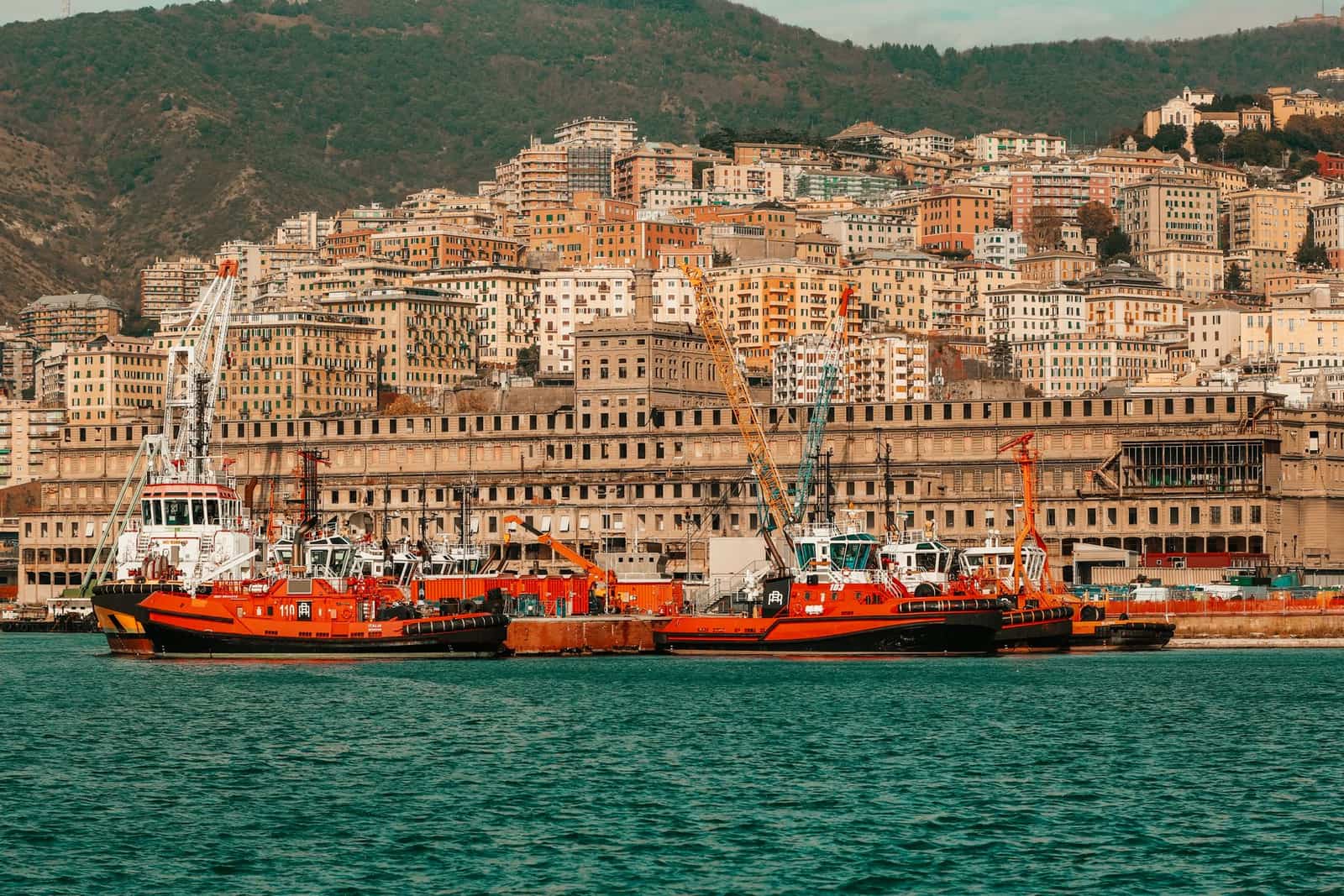 EURRomeItalyManufacturing buyer of Indian leather, yarn, castings, chemicals and seafood. EU rules apply.From India 2025-26US$ 7.79 bn
More in handicrafts
All products →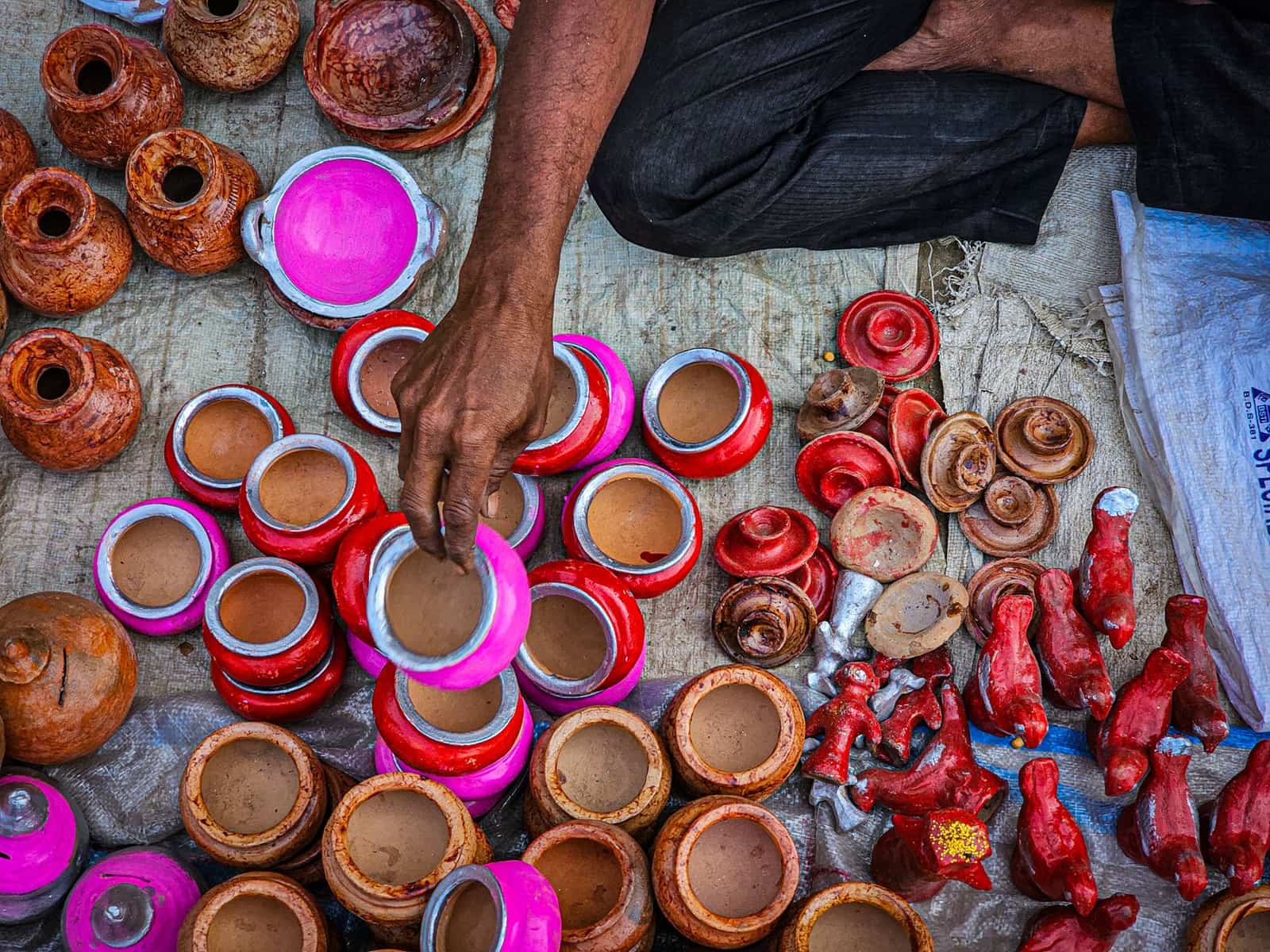 Free to exportHandicraftsHandicrafts (cane, bamboo, jute and natural fibre)Baskets, storage, lamps and décor from cane, bamboo and grasses, sold to home-décor importers.HS4602Exports 2025-26US$ 23.3 mn ↓20.7%
 Free to exportHandicraftsBrass and art metalwareMoradabad-style brass décor, lamps, bells and tableware for gift and home-décor buyers.HS8306Exports 2025-26US$ 36.4 mn ↑11.4%
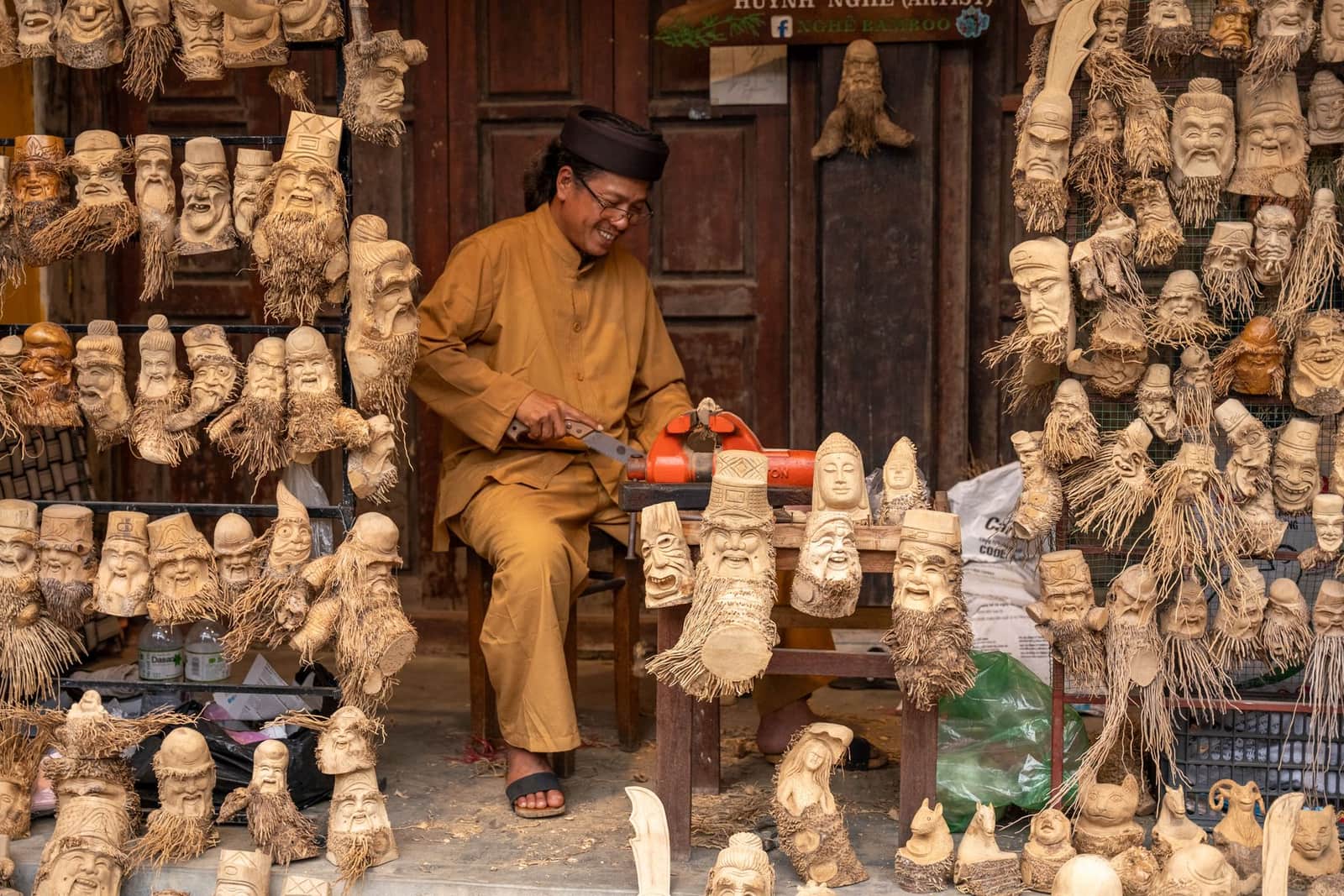 Free, with conditionsHandicraftsWooden handicraftsCarved, inlaid and turned wooden décor, boxes and kitchenware from Saharanpur, Jodhpur and Channapatna.HS4420Exports 2025-26US$ 11.5 mn ↓9%
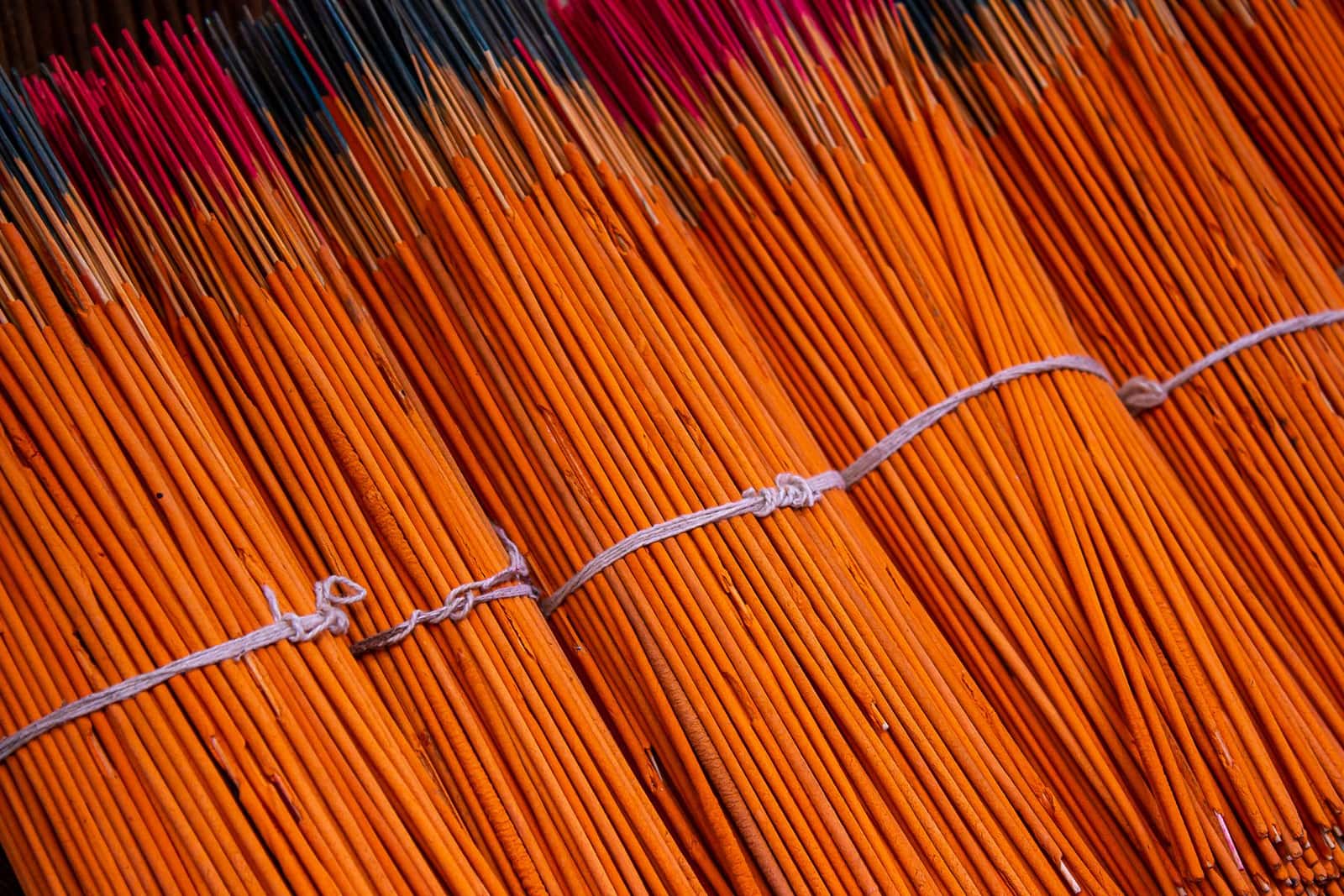 Free to exportHandicraftsIncense sticks (agarbatti) and dhoopMasala and dipped incense sticks, cones and dhoop for the USA, the Gulf, Africa and Latin America.HS3307.41Exports 2025-26US$ 151 mn ↓0.4%