

Other goods
Export cement and clinker
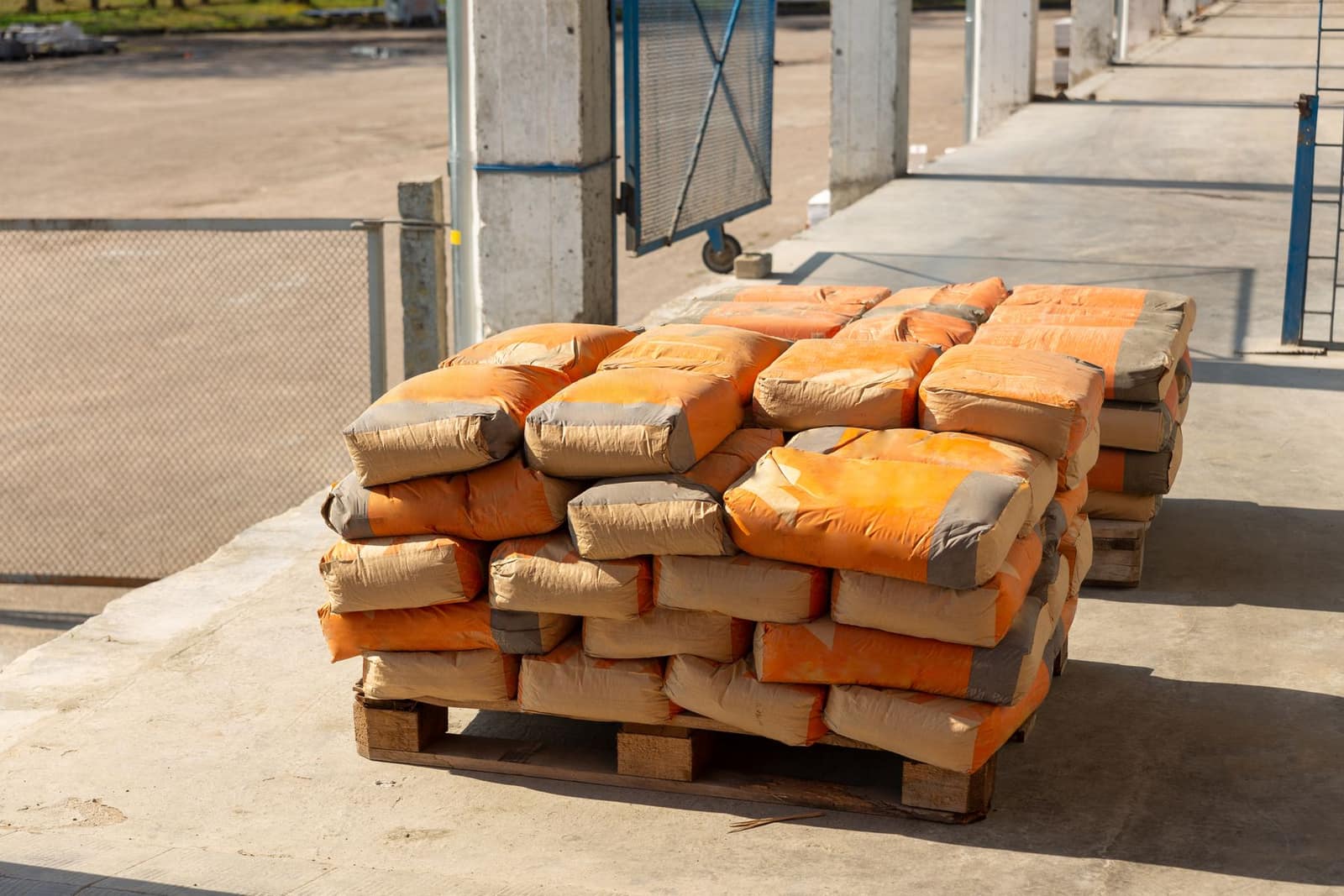
Bagged and bulk cement for neighbours — Sri Lanka, Nepal, the Maldives and Bhutan lead.
- HS code
- 2523 Portland, slag, aluminous and similar hydraulic cements, whether or not coloured, and cement clinker.
- Export policy
- Free to export Free to export under ITC(HS) Schedule 2 (no condition listed). Confirm the current entry on the DGFT ITC(HS) search before you sign a contract.
- Registrations
- 3 IEC, GST and those below
- India’s exports, 2025-26
- US$ 43 mn to 30 countries
What is exported
India is one of the world's largest cement producers, but most output is used at home and exports are small. Coastal plants in Gujarat and South India ship bagged and bulk cement and clinker; land routes serve Nepal and Bhutan. In 2025-26 India exported about US$ 43 million under HS 2523; Sri Lanka took more than half, followed by Nepal, the Maldives and Bhutan.
Varieties, grades and forms
- Ordinary Portland cement (OPC)Grades such as 43 and 53, or the buyer's standard classes.
- Blended cements (PPC and slag cement)Fly-ash and slag blends, common in South Asia.
- ClinkerSemi-finished product shipped in bulk to grinding units abroad.
- White and special cementsWhite cement and oil-well cement for niche buyers.
Where it is grown or made
- GujaratKutch and the Saurashtra coast — coastal plants near Mundra, Pipavav and Porbandar
- Andhra Pradesh and Tamil NaduPlants supplying Sri Lanka and the Maldives through Krishnapatnam, Chennai and Tuticorin
- Bihar, West Bengal and North-EastPlants and grinding units supplying Nepal, Bhutan and Bangladesh by road
The quality buyers ask for
- Compressive strength
- Strength class at 28 days (for example 42.5 or 52.5 MPa under EN 197-1, or 43/53 grade OPC)
- Setting time
- Initial and final setting time within the standard's limits
- Fineness and soundness
- Blaine fineness and expansion (soundness) tests
- Chemistry
- Limits on MgO, SO₃, chloride and loss on ignition
Certificates
- Mill test certificateRequiredLot-wise test results; required by every buyer.
- Destination product certificationRequiredSome countries require their own standard mark or import inspection for cement — confirm with the importer.
- CBAM emissions data (EU)Often askedEmbedded-emissions data from the plant for EU importers.
- Pre-shipment inspectionOften askedIndependent quality and quantity survey, common for bulk and LC deals.
Shipping, storage and shelf life
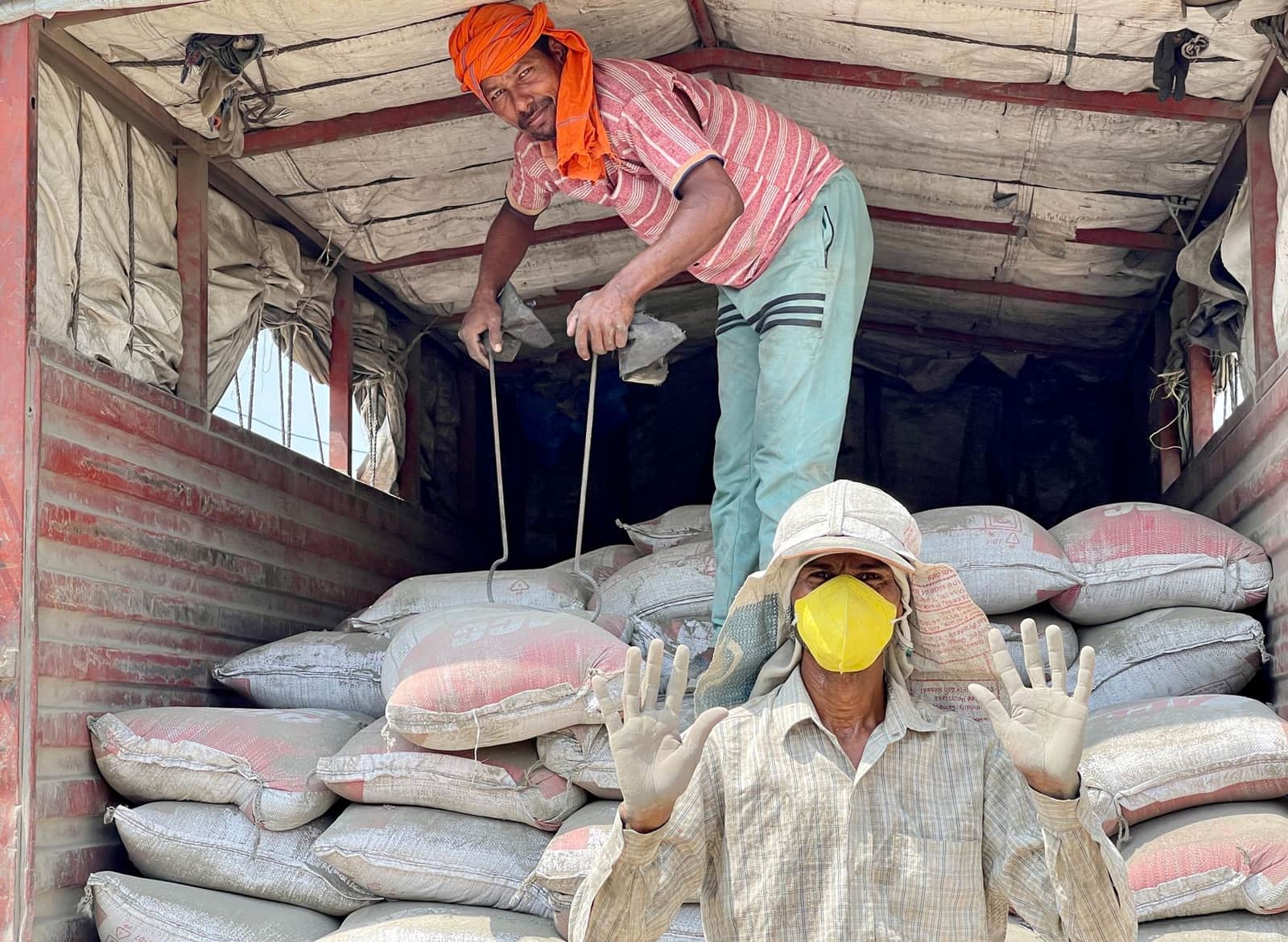
Bagged cement in a 20-ft container typically reaches about 25–27 tonnes, limited by weight; large orders go in bulk carriers or as break-bulk.
Sea from Gujarat and South Indian ports; road and rail to Nepal, Bhutan and Bangladesh.
Keep bags dry, off the floor and covered; use stock within the buyer's age limit.
Strength falls with age and moisture; buyers usually set a maximum age at delivery.
What goes on the pack and carton
- Bag print: brand, cement type and strength class, standard, net weight, manufacture date or week, plant and "Made in India".
- Destination standard marks where required.
- Handling instructions such as "Keep dry".
The National Council for Cement and Building Materials (NCCBM) tests cement and clinker. Plant laboratories issue mill test certificates; for buyer-nominated tests, use NABL-accredited cement labs.
Benefits of exporting this product
- RoDTEP: line not listed
Heading 2523 does not appear in the Appendix 4R schedule in force (w.e.f. 10 Oct 2024, continued to 31 Dec 2026), so do not count on a RoDTEP credit in your price. Check the DGFT RoDTEP page in case lines are added.
DGFT — Appendix 4R, RoDTEP schedule for DTA exports w.e.f. 10.10.2024 (Notification 32/2024-25); rates continued to 31.12.2026 by Notification 41/2026-27 ↗ - Duty drawback: 1% of FOB
Drawback item 2523 (Portland and other hydraulic cements and clinker) has an All Industry Rate of 1% of FOB, paid into your bank account. It is not available on exports under Advance Authorisation or from EOU/SEZ units. Check the current schedule on the CBIC drawback page before shipping.
Gazette of India — Notification 77/2023-Customs (N.T.) dated 20.10.2023: All Industry Rates of duty drawback ↗
Where to register
- CAPEXILCement, clinker and asbestos-cement products are listed under CAPEXIL in Appendix 2T.capexil.org ↗
Quality and checks
- Buyer-country standards: many importers ask for cement tested to their national standard or to EN 197-1 or ASTM C150, and some (for example Sri Lanka) inspect imported cement against their own standard — confirm with the buyer.
- Mill test certificate per lot: compressive strength at 3, 7 and 28 days, setting time, fineness and chemical composition.
- EU: cement and clinker are covered by the Carbon Border Adjustment Mechanism (CBAM) — EU importers need emissions data from the plant.
Cement is a low-value, heavy product, so freight decides the deal. A newcomer can trade bagged cement from a plant near the border or a port to a distributor in Nepal, Bhutan, Sri Lanka or the Maldives, with the plant's test certificate and a pre-shipment inspection.
Where new exporters go wrong
- Cement setting in torn or damp bags — use laminated or multi-wall bags and keep containers dry.
- Quoting without checking freight and port charges — a small freight rise can wipe out the margin.
- Cement older than the buyer accepts — strength falls with age; agree the maximum age at arrival.
Documents this product needs
Schemes that apply
Sources (6)
- Department of Commerce, Export Import Data Bank — India's exports of HS 2523 by country, 2025-26
- DGFT — Appendix 2T: Export Promotion Councils and the products under each
- DGFT — ITC(HS) export policy search (Schedule 2)
- CAPEXIL — official site
- European Commission — Carbon Border Adjustment Mechanism (CBAM)
- National Council for Cement and Building Materials (NCCBM)
Trade data
Indian cement and clinker exports in numbers
From the Department of Commerce’s TradeStat, country by country. US$, Indian financial years (April–March).
- Exports in 2025-26
- US$ 43 mn -18.3% a year on average, 2020-21 to 2025-26
- Change from 2024-25
- ↓ -14.3% US$ 50.2 mn → US$ 43 mn
- Buyer countries
- 30
- Average export price
- US$ 0.05 per kg · 8,00,843 tonnes shipped · US$ 0.05 the year before
The price cycle
India’s average export price per kg each year (total value ÷ total quantity). Highest in 2022-23, lowest in 2020-21 — a 45% swing between them. Keep this swing in mind when you quote.
What next: a projection from the trend
The past trend carried forward — not a forecast by any authority. Sudden changes in policy, prices or demand are not in it.
Likely range US$ 16.6 mn to US$ 39.6 mn.
- Trend
- -16.8% a year
- Fit (R²)
- 0.65
- Based on
- 6 years of official figures
Method: a straight line through the logarithm of yearly exports (log-linear regression); range = ±1 standard error.
Biggest buyer countries
By value in 2025-26. Change is against 2024-25.
Where demand is rising and falling
Only countries that buy at least US$ 1 million or 1% of India’s exports of this product. Change from 2024-25 to 2025-26.
Which forms sell, and at what price
India’s exports by 8-digit tariff line, 2025-26. Average price = total value ÷ total quantity (TradeStat): the average of every shipment on that line, not the price of any one deal.
| Tariff line | Value 2025-26 | Change | Quantity | Average price |
|---|---|---|---|---|
Ordinary portland cement, dry2523 29 10 · Cement, portland, other than white, whether or not artificially coloured | US$ 18 mn | ↓-18.3% | 3,58,099 tonnes | US$ 0.05 per kgwas US$ 0.05 |
Cement clinkers — cement clinkers2523 10 00 | US$ 6.7 mn | ↑+191.3% | 1,45,489 tonnes | US$ 0.05 per kgwas US$ 0.06 |
Other hydraulic cements not elsewhere specified2523 90 90 · Cement, hydraulic kinds in heading no. 2523 | US$ 6.4 mn | ↓-66.2% | 1,48,994 tonnes | US$ 0.04 per kgwas US$ 0.04 |
Other portland cement not elsewhere specified2523 29 90 · Cement, portland, other than white, whether or not artificially coloured | US$ 5.2 mn | ↑+689.4% | 1,22,507 tonnes | US$ 0.04 per kgwas US$ 0.08 |
Cement, aluminous, whether or not coloured or in the form of clinkers — aluminous cement2523 30 00 | US$ 4 mn | ↑+20.8% | 5,386 tonnes | US$ 0.73 per kgwas US$ 0.67 |
White cement whether or not artificially clrd2523 21 00 · Cement, portland, white, whether or not artificially coloured | US$ 1.7 mn | ↓-1.2% | 12,774 tonnes | US$ 0.13 per kgwas US$ 0.14 |
High alumina refractory cement2523 90 20 · Cement, hydraulic kinds in heading no. 2523 | US$ 720k | ↑+1.4% | 1,205 tonnes | US$ 0.60 per kgwas US$ 0.56 |
Cement, portland, other than white, whether or not artificially coloured — portland pozzolana cement2523 29 30 | US$ 440k | ↓-38.9% | 6,352 tonnes | US$ 0.07 per kgwas US$ 0.08 |
Cement, portland, other than white, whether or not artificially coloured — portland slag cement2523 29 40 | US$ 0 | ↓-100% | 35 tonnes | — |
The world market
Each country’s own recorded exports and imports in UN Comtrade, 2023 (the latest year nearly every country has reported).
- World imports
- US$ 14.5 bn 2023
- India among exporters
- #56 of 141 countries
- India’s share of world exports
- 0.3% US$ 45.5 mn
- Left for others to win
- US$ 13.6 bn exported by other countries
Top exporters — your competitors
- 1TürkiyeUS$ 1.36 bn 10%
- 2Viet NamUS$ 1.22 bn 8.9%
- 3EgyptUS$ 776 mn 5.7%
- 4GermanyUS$ 694 mn 5.1%
- 5United Arab EmiratesUS$ 628 mn 4.6%
- 6CanadaUS$ 566 mn 4.1%
- 7SpainUS$ 482 mn 3.5%
- 8IndonesiaUS$ 405 mn 3%
- 9ThailandUS$ 358 mn 2.6%
- 10IranUS$ 355 mn 2.6%
Biggest buyers in the world
- 1USAUS$ 2.7 bn 18.7%
- 2FranceUS$ 633 mn 4.4%
- 3PhilippinesUS$ 552 mn 3.8%
- 4NetherlandsUS$ 507 mn 3.5%
- 5IsraelUS$ 444 mn 3.1%
- 6AustraliaUS$ 378 mn 2.6%
- 7GhanaUS$ 342 mn 2.4%
- 8ItalyUS$ 330 mn 2.3%
- 9MaliUS$ 303 mn 2.1%
- 10SingaporeUS$ 279 mn 1.9%
Opportunity: what these countries buy from the world, and from India
Each country’s own recorded imports in UN Comtrade, latest year it has reported. The long light part of each bar is demand other countries are filling today.
TradeStat’s 2023-24 quantities are double-counted, so that year is left out of the price. Sources: TradeStat — Export Import Data Bank, Department of Commerce · UN Comtrade database (United Nations Statistics Division) · Figures taken 29 October 2026.
Step by step
How to export cement and clinker
India is one of the world's largest cement producers, but its exports are small because most output is used at home and cement is too heavy to ship far profitably. Vietnam, Turkey, China and some Gulf countries are the big exporters of cement and clinker. India's natural markets are its neighbours — Sri Lanka, Nepal, Bhutan, the Maldives and Bangladesh — reached by short sea routes or by road. Demand there follows infrastructure and housing projects. Openings are in bagged cement to island and land-locked neighbours, and clinker to grinding units in the region; the EU's CBAM now adds carbon costs for any shipment to Europe.
- 01Find the plant and route
Pick a plant close to the port or border to keep freight low.
- 02Confirm standards
Agree the cement type, standard and any destination certification.
- 03Register
IEC, GST LUT and RCMC from CAPEXIL.
- 04Contract and LC
Price per tonne; LC with inspection certificate as a document.
- 05Inspect and load
Independent survey of weight and quality at loading.
- 06Ship and claim
File the shipping bill and claim drawback (1%); no RoDTEP line for 2523.
Questions
Questions about exporting cement and clinker
Is cement export free?
Does cement get RoDTEP?
Why are exports mostly to neighbours?
What is CBAM?
Which council covers cement?
Sources (7)
- CAPEXIL — official site
- European Commission — Carbon Border Adjustment Mechanism (CBAM)
- National Council for Cement and Building Materials (NCCBM)
- NABL — search for accredited testing laboratories
- DGFT — ITC(HS) export policy search (Schedule 2)
- DGFT — Appendix 4R, RoDTEP schedule for DTA exports w.e.f. 10.10.2024 (Notification 32/2024-25); rates continued to 31.12.2026 by Notification 41/2026-27
- Gazette of India — Notification 77/2023-Customs (N.T.) dated 20.10.2023: All Industry Rates of duty drawback
Who buys Indian cement and clinker
All countries → ISFTALKRSri Jayawardenepura Kotte (Colombo is the commercial capital)Sri LankaClose island market with India's oldest FTA. Buys food, medicines, vehicles, yarn and building materials.From India 2025-26US$ 5.52 bn
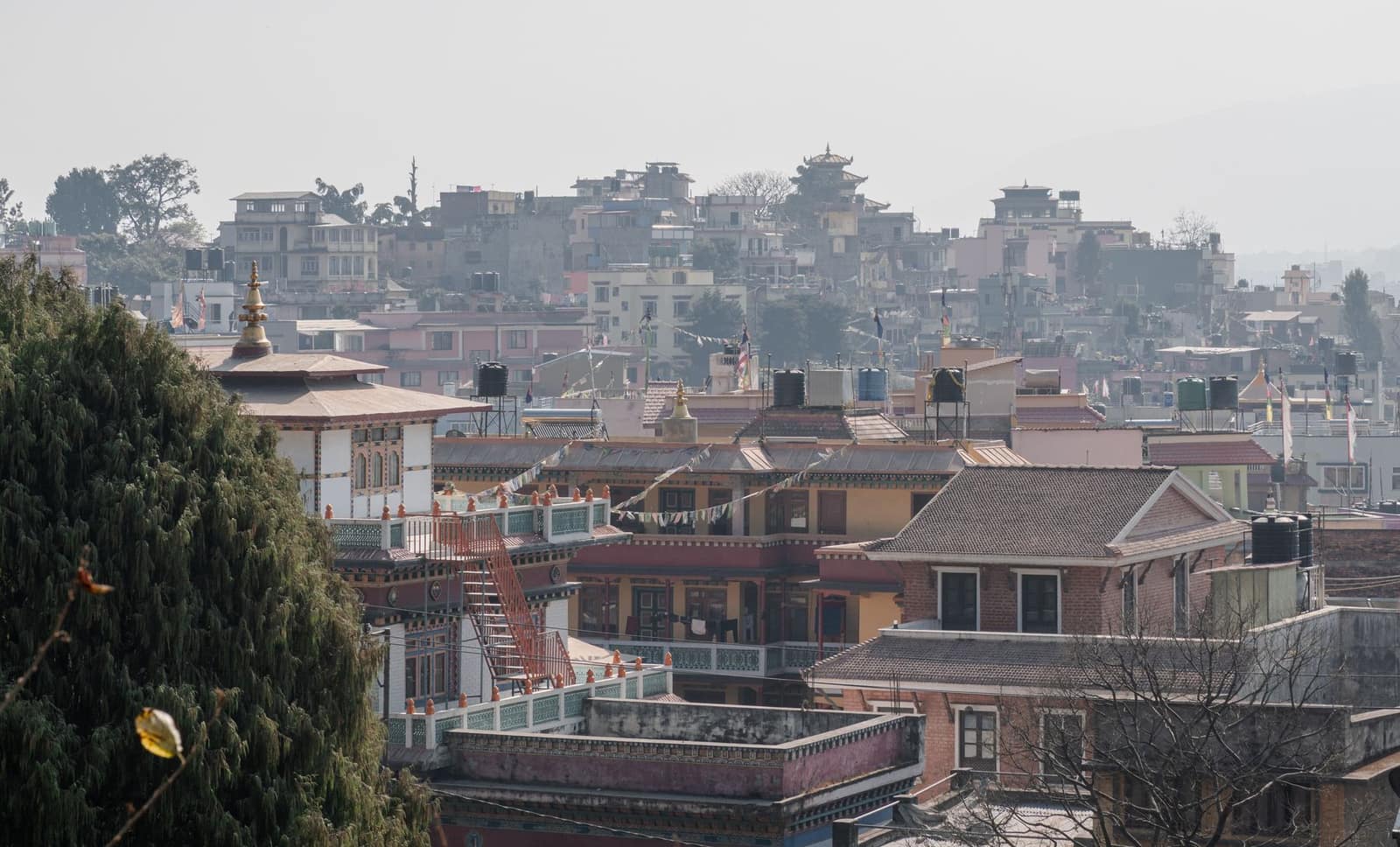 SAFTANPRKathmanduNepalOpen land border, rupee payments and a market that relies on Indian goods — an easy first market by road.From India 2025-26US$ 7.45 bn
 SAFTABTNThimphuBhutanDuty-free, rupee-based neighbour market reached by road from West Bengal and Assam.From India 2025-26US$ 1.25 bn
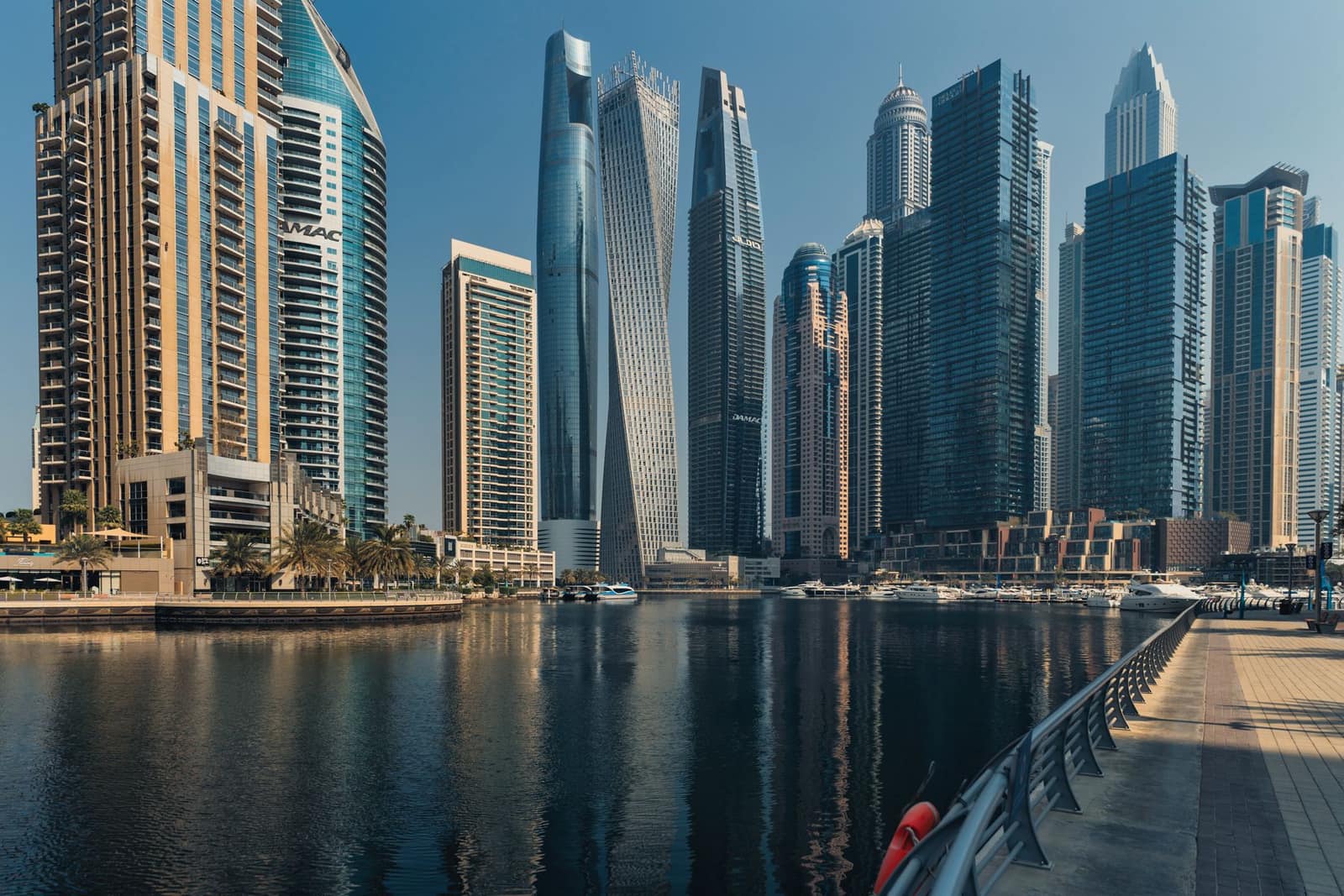 CEPAAEDAbu DhabiUnited Arab EmiratesIndia's biggest Gulf buyer and a re-export hub for the Middle East and Africa. CEPA in force since 2022.From India 2025-26US$ 37.4 bn
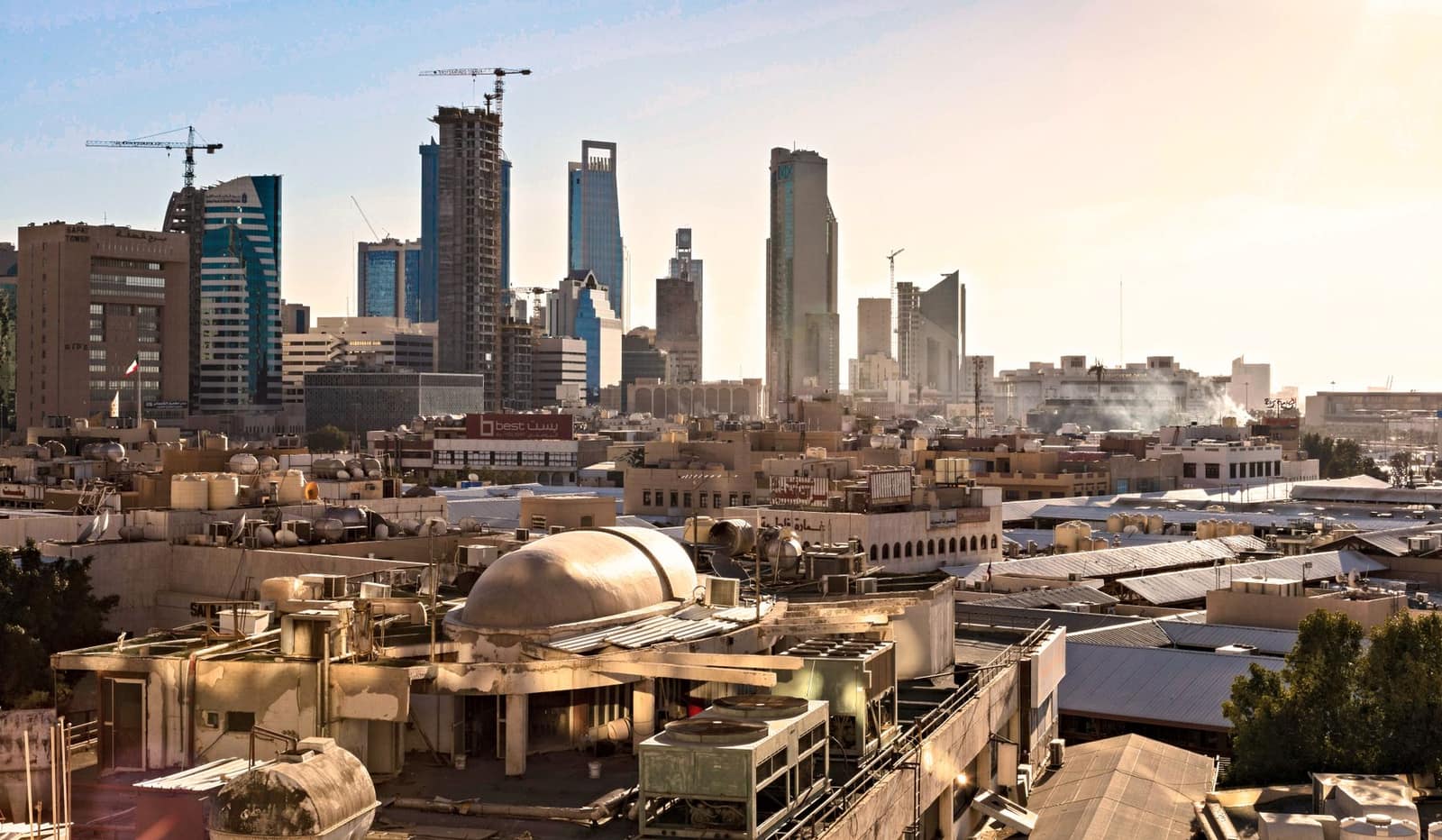 SARRiyadhSaudi ArabiaLarge Gulf market for rice, food and engineering goods. Strict SFDA food rules and SABER certification for regulated goods.From India 2025-26US$ 10.3 bn
 CEPAJPYTokyoJapanHigh-value, quality-obsessed market. Buys shrimp, chemicals, auto parts and garments; strict food-sanitation checks.From India 2025-26US$ 6.04 bn
 AITIGAIDRJakartaIndonesiaWorld's fourth most populous country. Buys Indian vehicles, steel, chemicals, groundnuts and meat; halal and BPOM rules for food.From India 2025-26US$ 4.49 bn
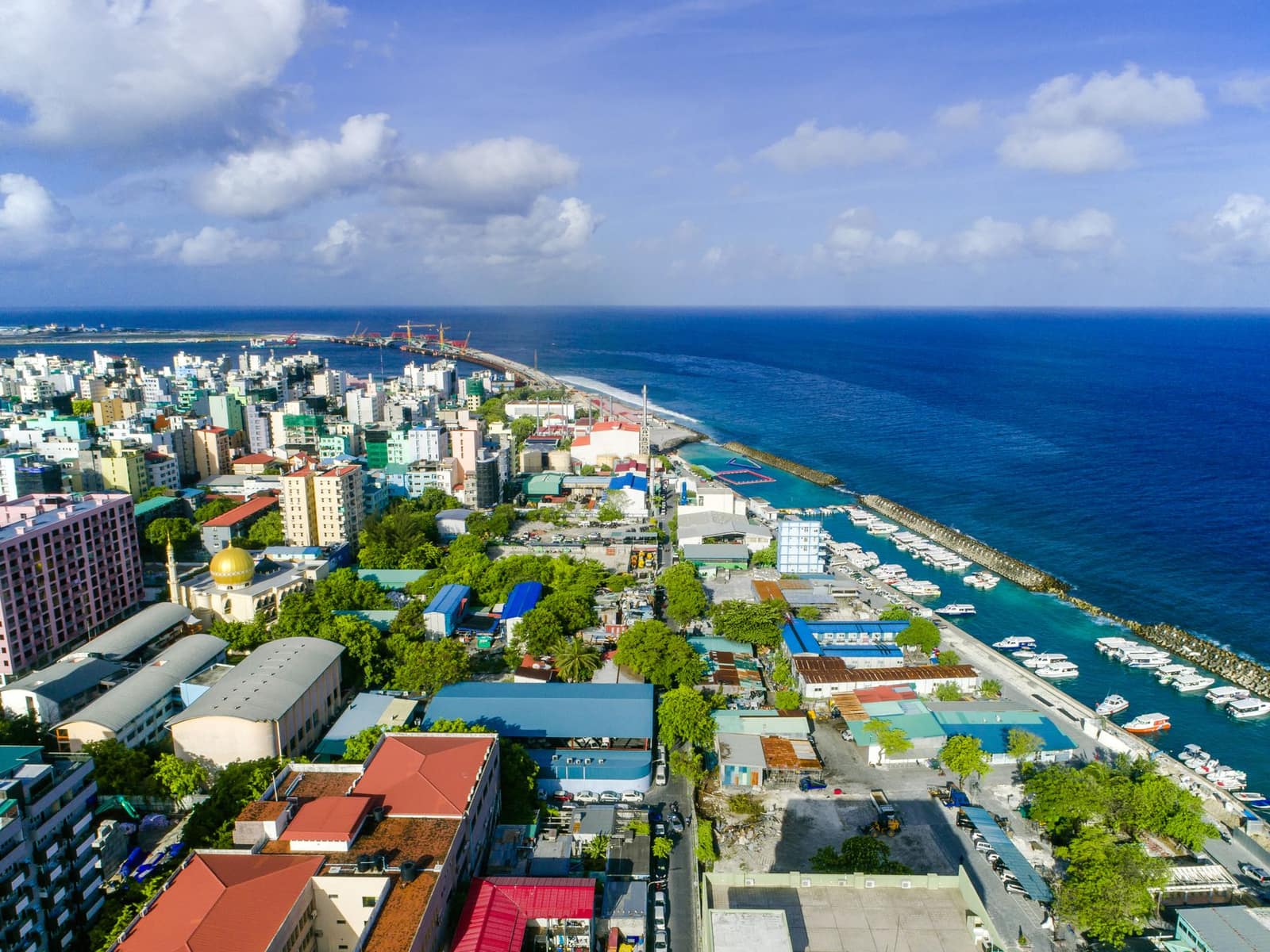 SAFTAMVRMaléMaldivesIsland neighbour that imports almost all its food and building material. India supplies essentials under special annual quotas.From India 2025-26US$ 459 mn
More in other goods
All products →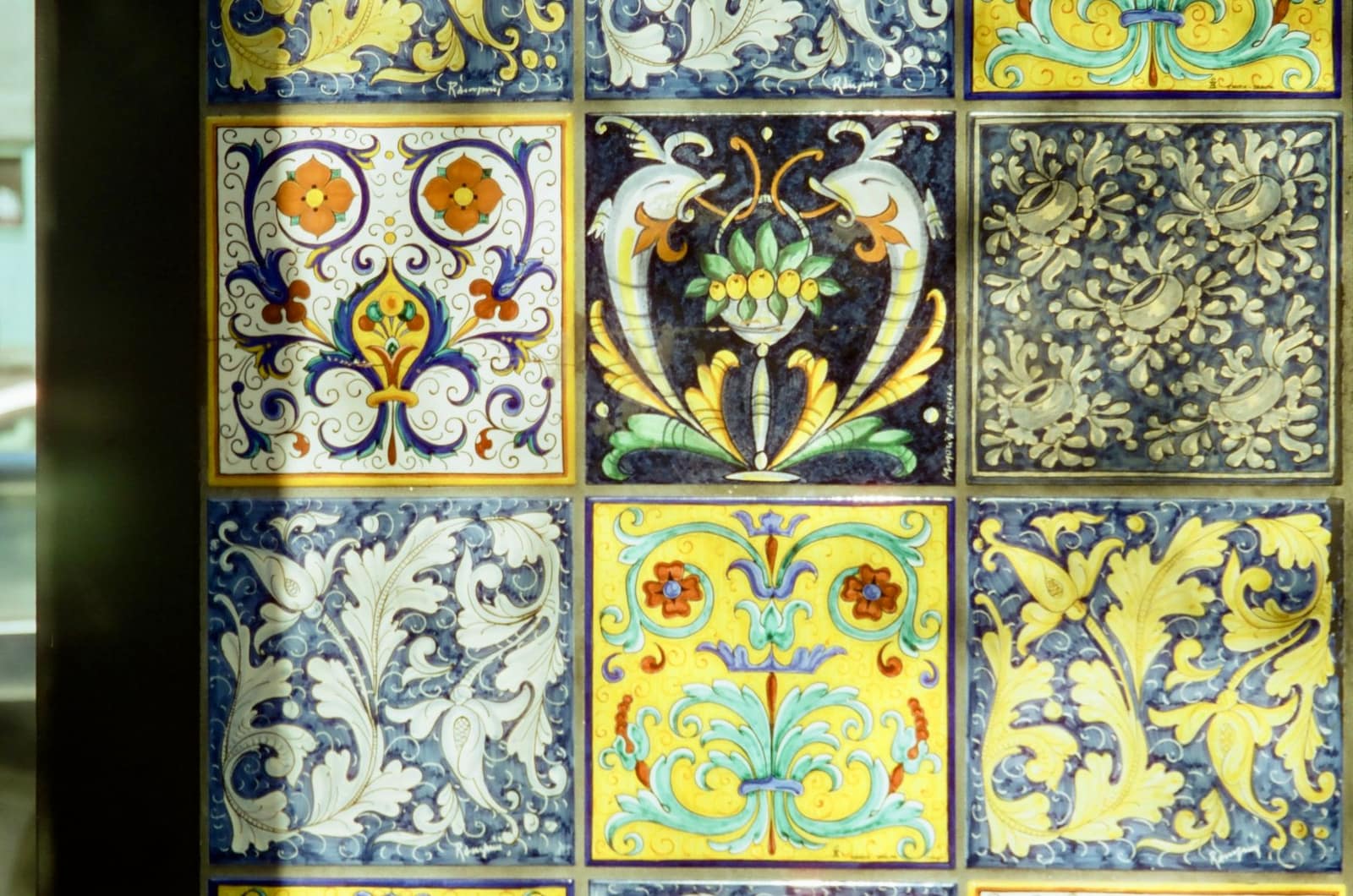 Free to exportOther goodsCeramic and vitrified tilesMorbi-made wall, floor and vitrified tiles shipped by container; the UAE, Russia, USA and UK lead.HS6907Exports 2025-26US$ 2.12 bn ↓0.5%
 Free to exportOther goodsGranite and natural stonePolished granite slabs, monuments and sandstone from South India and Rajasthan; the USA leads.HS6802Exports 2025-26US$ 1.17 bn ↑0.7%
 Free to exportOther goodsToysWooden, plastic and board-game toys; child-safety testing decides access to the USA and EU.HS9503Exports 2025-26US$ 201 mn ↑18.5%
 Free to exportOther goodsPaper and paperboard packagingPaper bags, cartons and food packaging as plastic is phased out; the USA leads, then the UK and UAE.HS4819Exports 2025-26US$ 353 mn ↑6.1%