

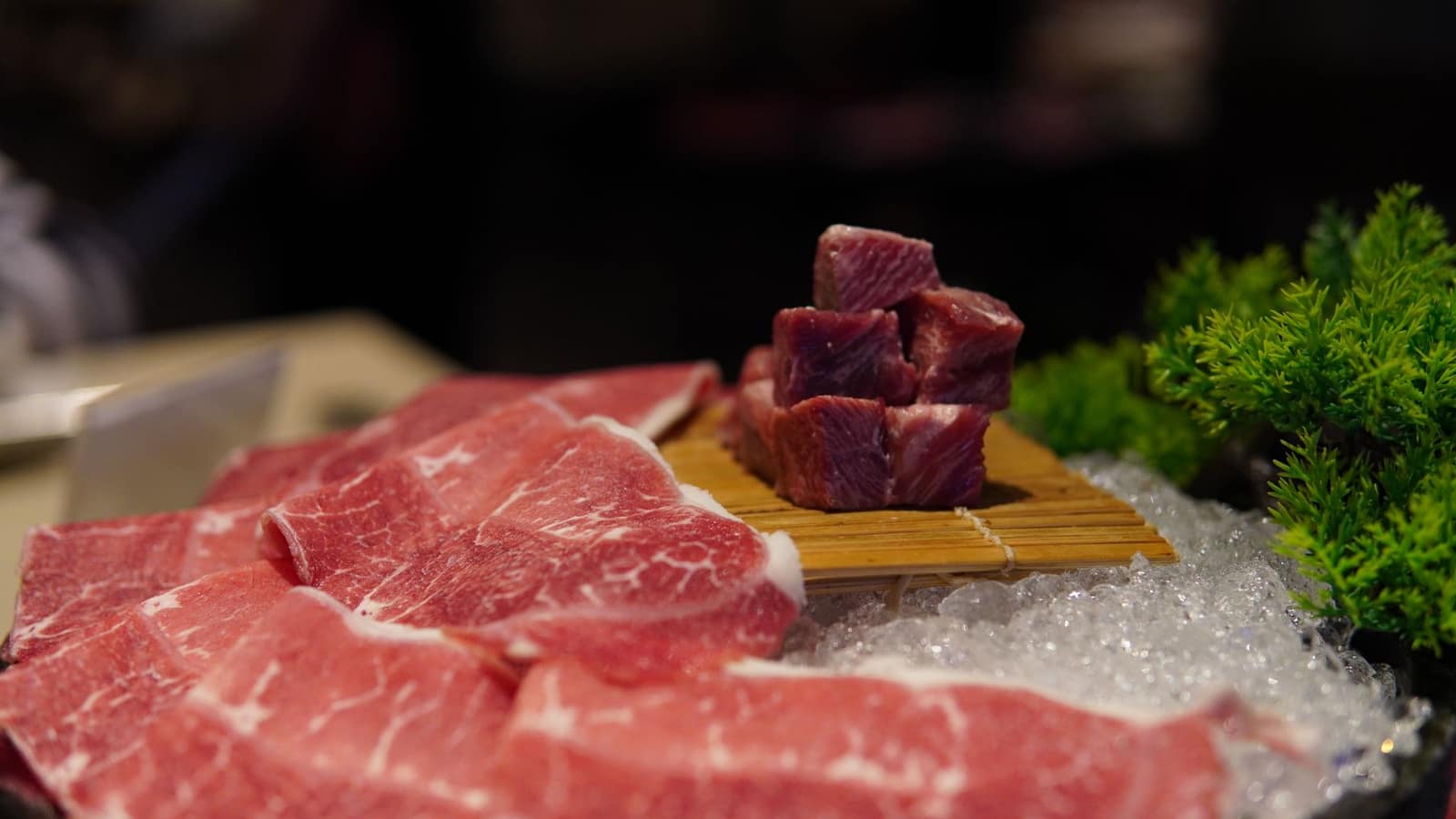
Processed food
Export buffalo meat (frozen)
India is the world’s largest buffalo meat exporter. Only APEDA-registered plants, halal under i-CAS, and strict veterinary rules.
- HS code
- 0202 Meat of bovine animals, frozen — India exports only boneless meat of buffalo (0202 30). Beef of cows, oxen and calves is prohibited for export.
- Export policy
- Free, with conditions Free subject to conditions: the meat must come from an APEDA-registered integrated abattoir or meat-processing plant, with the export health and halal conditions met. Halal certification under the India Conformity Assessment Scheme (i-CAS) by NABCB-accredited bodies is mandatory for notified countries (Notification 34/2024-25); Notification 59/2025-26 (9 Feb 2026) added 20 more countries, and for Egypt the start date was pushed to nine months from 9 Feb 2026 (Notification 28/2026-27). DGFT also tied boneless bovine meat exports to remittance to APEDA’s Meat Export Development Fund in October 2025 — confirm all current conditions on DGFT and APEDA.
- Registrations
- 6 IEC, GST and those below
- India’s exports, 2025-26
- US$ 4.61 bn to 57 countries
What is exported
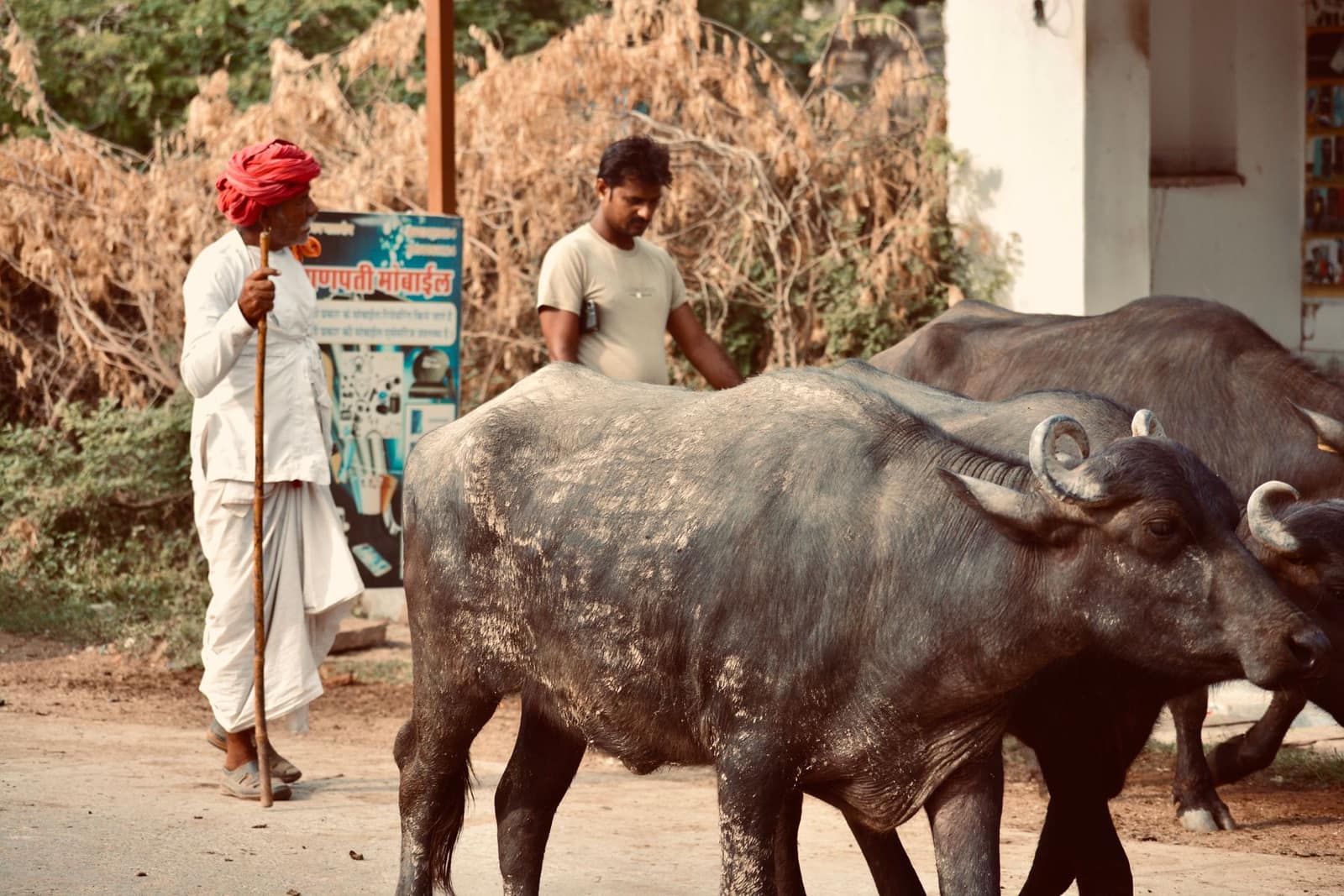
APEDA describes India as the largest buffalo meat exporter in the world, with US$ 5,098.54 million of exports in 2025-26. Frozen boneless buffalo meat goes mainly to Vietnam, Egypt, Malaysia, the UAE and Saudi Arabia. Buffalo population is concentrated in Uttar Pradesh, Rajasthan, Gujarat, Madhya Pradesh and Bihar. This trade is run by large integrated abattoir-cum-processing plants; a newcomer can only trade, not process, without one.
Varieties, grades and forms
- Frozen boneless buffalo meat — primal cutsTopside, silverside, knuckle, striploin and others, by buyer specification.
- Trimmings and forequarterFor processing and mince, sold by visual lean percentage.
- Edible offalLiver, tongue and others, under their own lines and conditions.
Where it is grown or made
- Uttar PradeshThe largest buffalo population (30%) and many integrated plants (Aligarh, Unnao, Agra, Rampur and others).
- Maharashtra and TelanganaIntegrated plants and export through JNPT.
- Punjab, Haryana, Rajasthan and Madhya PradeshPlants close to buffalo-rearing areas.
The quality buyers ask for
- Product
- Frozen boneless buffalo meat, deboned and deglanded, cut to the buyer’s list
- Temperature
- –18 °C or colder at the core
- Residues and microbiology
- Within the importer’s limits, as stated on the health certificate
- Halal
- Slaughter and processing under i-CAS halal by an NABCB-accredited body for notified countries
Certificates
- APEDA plant registrationRequiredIntegrated abattoir or meat-processing plant registered with APEDA; exports must come from such plants.
- i-CAS HalalRequiredMandatory halal certification under the India Conformity Assessment Scheme for countries notified by DGFT.
- Veterinary health certificateRequiredIssued for each consignment in the format agreed with the importing country.
- APEDA RCMCRequiredRegistration with APEDA, issued as an RCMC on the DGFT portal. Since 15 Sep 2026, a consignment up to ₹3 lakh FOB can go without it.
- FSSAI licenceRequiredCentral licence from FSSAI for the premises where the food is made, packed or stored for export. Apply on FoSCoS.
- HACCPOften askedA food-safety plan that controls hazards at each processing step. Most importers ask for it.
Shipping, storage and shelf life
40-ft reefers at –18 °C or colder; a 40-ft typically carries about 25–27 tonnes of cartoned meat (your forwarder confirms).
Sea freight, mainly from JNPT (Nhava Sheva), Mundra and Kolkata/Haldia.
Blast-frozen, then held at –18 °C or colder in cold stores.
Typically 12–24 months frozen, as agreed with the buyer.
What goes on the pack and carton
- Each carton: product and cut, plant registration number, halal mark and certifier, production and expiry dates, net weight, “Product of India”, storage temperature.
- Gulf countries: Arabic text (Arabic plus English is normal), production and expiry dates, net weight, country of origin and importer details. Confirm current rules with your importer.
- Lot or batch number on every pack and carton, matching the invoice and packing list, so the goods can be traced and recalled.
EIC and its Export Inspection Agencies run laboratories and approve private labs for export certification (eicindia.gov.in). NABL-accredited labs (nabl-india.org) test residues, heavy metals and microbiology.
Benefits of exporting this product
- No RoDTEP on meat
Chapter 2 meat lines do not appear in DGFT Appendix 4R (w.e.f. 10 Oct 2024), so buffalo meat gets no RoDTEP refund. Check drawback on the CBIC All Industry Rates schedule.
DGFT — Appendix 4R, RoDTEP schedule for DTA exports w.e.f. 10 Oct 2024 (Notification No. 32, 30 Sep 2024) ↗ - APEDA traceability and support
Registered plants use APEDA’s Meat.Net traceability, which helps when buyers ask for proof of origin and halal; APEDA’s financial assistance scheme can support plant upgrades and lab testing.
APEDA — Bharat Krishi Niryat Yojana 2026-27 to 2030-31, operational guidelines (6 Oct 2026) ↗
Where to register
- APEDARegistration-cum-Membership Certificate (RCMC) for APEDA-scheduled products. Apply on the DGFT portal after you have your IEC.dgft.gov.in ↗
- APEDA (plant registration)The abattoir and meat-processing plant must be registered with APEDA; consignments are traced through Meat.Net.apeda.gov.in ↗
- i-CAS Halal (NABCB-accredited body)Halal certificate under the India Conformity Assessment Scheme for the countries DGFT has notified.apeda.gov.in ↗
- FSSAIFood business licence. Food exporters come under the Central licence; apply on FoSCoS and keep it valid for the premises you make or pack from.foscos.fssai.gov.in ↗
Quality and checks
- Veterinary health certificate for each consignment, in the format agreed with the importing country.
- Residue and microbiology testing, and the importing country’s own plant listing or inspection (several buyers audit Indian plants).
- Core temperature –18 °C or colder throughout; cartons carry the plant registration number.
A newcomer cannot process meat without a registered plant. The realistic start is as a merchant exporter buying from an APEDA-registered integrated plant for a buyer you already know, with an LC or advance — and with the halal and health certificates issued in that plant’s name. Since 15 September 2026, a consignment worth up to ₹3 lakh FOB does not need an RCMC (DGFT Notification 36/2026-27); licences that a law requires, such as FSSAI, still apply.
Where new exporters go wrong
- Buying from an unregistered slaughterhouse — the shipment cannot be exported legally.
- Halal certificate from a body not accredited under i-CAS for a notified country.
- Market access changes overnight after a disease outbreak; keep payment secured.
Documents this product needs
Schemes that apply
Sources (6)
- APEDA — Buffalo Meat (exports and destinations, 2025-26)
- DGFT Notification 59/2025-26 (9 Feb 2026) — i-CAS Halal for meat extended to 20 more countries
- DGFT Notification 28/2026-27 (5 Aug 2026) — Egypt transition for i-CAS Halal extended to nine months
- DGFT — Notifications (ITC(HS) export policy amendments)
- APEDA — DGFT notifications for APEDA products
- DGFT — Appendix 4R, RoDTEP schedule for DTA exports w.e.f. 10 Oct 2024 (Notification No. 32, 30 Sep 2024)
Trade data
Indian buffalo meat (frozen) exports in numbers
From the Department of Commerce’s TradeStat, country by country. US$, Indian financial years (April–March).
- Exports in 2025-26
- US$ 4.61 bn +10.1% a year on average, 2020-21 to 2025-26
- Change from 2024-25
- ↑ +25.7% US$ 3.67 bn → US$ 4.61 bn
- Buyer countries
- 57
- Average export price
- US$ 3.70 per kg · 1.25 mn tonnes shipped · US$ 3.34 the year before
The price cycle
India’s average export price per kg each year (total value ÷ total quantity). Highest in 2025-26, lowest in 2022-23 — a 34% swing between them. Keep this swing in mind when you quote.
What next: a projection from the trend
The past trend carried forward — not a forecast by any authority. Sudden changes in policy, prices or demand are not in it.
Likely range US$ 4.43 bn to US$ 5.75 bn.
- Trend
- +9.7% a year
- Fit (R²)
- 0.84
- Based on
- 6 years of official figures
Method: a straight line through the logarithm of yearly exports (log-linear regression); range = ±1 standard error.
Biggest buyer countries
By value in 2025-26. Change is against 2024-25.
Where demand is rising and falling
Only countries that buy at least US$ 1 million or 1% of India’s exports of this product. Change from 2024-25 to 2025-26.
↑ High demand
- UzbekistanUS$ 95.1 mn → US$ 301 mn↑+216.5%
- RussiaUS$ 35.8 mn → US$ 97.5 mn↑+172.8%
- GeorgiaUS$ 31.3 mn → US$ 70.2 mn↑+124.6%
- PhilippinesUS$ 115 mn → US$ 177 mn↑+54%
- United Arab EmiratesUS$ 254 mn → US$ 389 mn↑+52.9%
- IndonesiaUS$ 233 mn → US$ 301 mn↑+29%
- JordanUS$ 54.3 mn → US$ 69.7 mn↑+28.2%
- VietnamUS$ 579 mn → US$ 739 mn↑+27.6%
↓ Low demand
- IraqUS$ 354 mn → US$ 285 mn↓-19.4%
Which forms sell, and at what price
India’s exports by 8-digit tariff line, 2025-26. Average price = total value ÷ total quantity (TradeStat): the average of every shipment on that line, not the price of any one deal.
| Tariff line | Value 2025-26 | Change | Quantity | Average price |
|---|---|---|---|---|
Boneless meat of bovine animals , frozen0202 30 00 · Meat, of bovine animals, boneless cuts, frozen | US$ 4.61 bn | ↑+25.6% | 1.24 mn tonnes | US$ 3.70 per kgwas US$ 3.34 |
Crcs half-crcs of bovn anmls, frozen0202 10 00 · Meat, of bovine animals, carcasses and half-carcasses, frozen | US$ 4.2 mn | ↑+4,588.9% | 952 tonnes | US$ 4.43 per kgwas US$ 3.57 |
Other cut meat of bovn anml,frzn with bon in0202 20 00 · Meat, of bovine animals, cuts with bone in, frozen | US$ 0 | ↓-100% | — | — |
The world market
Each country’s own recorded exports and imports in UN Comtrade, 2023 (the latest year nearly every country has reported).
- World imports
- US$ 32.9 bn 2023
- India among exporters
- #4 of 117 countries
- India’s share of world exports
- 9.8% US$ 3.19 bn
- Left for others to win
- US$ 29.5 bn exported by other countries
Top exporters — your competitors
- 1BrazilUS$ 8.53 bn 26.1%
- 2AustraliaUS$ 4.81 bn 14.7%
- 3USAUS$ 4.18 bn 12.8%
- 4IndiaUS$ 3.19 bn 9.8%
- 5New ZealandUS$ 2.38 bn 7.3%
- 6ArgentinaUS$ 1.96 bn 6%
- 7UruguayUS$ 1.61 bn 4.9%
- 8ParaguayUS$ 734 mn 2.2%
- 9IrelandUS$ 672 mn 2.1%
- 10PolandUS$ 579 mn 1.8%
Biggest buyers in the world
- 1ChinaUS$ 13.5 bn 41%
- 2USAUS$ 3.21 bn 9.8%
- 3Rep. of KoreaUS$ 2.35 bn 7.1%
- 4JapanUS$ 1.36 bn 4.1%
- 5EgyptUS$ 820 mn 2.5%
- 6IndonesiaUS$ 791 mn 2.4%
- 7Other Asia, nesUS$ 740 mn 2.3%
- 8Viet NamUS$ 676 mn 2.1%
- 9China, Hong Kong SARUS$ 671 mn 2%
- 10MalaysiaUS$ 644 mn 2%
Opportunity: what these countries buy from the world, and from India
Each country’s own recorded imports in UN Comtrade, latest year it has reported. The long light part of each bar is demand other countries are filling today.
TradeStat’s 2023-24 quantities are double-counted, so that year is left out of the price. Sources: TradeStat — Export Import Data Bank, Department of Commerce · UN Comtrade database (United Nations Statistics Division) · Figures taken 29 October 2026.
Step by step
How to export buffalo meat (frozen)
APEDA describes India as the world’s largest buffalo meat exporter, with Brazil, the USA, Australia, Argentina and Canada as major exporters of bovine meat. Indian buffalo meat sells on price and its lean, halal profile to processors and food service in South-East Asia, the Middle East and North Africa. Vietnam, Egypt, Malaysia, the UAE and Saudi Arabia were the main markets in 2025-26. Access depends on veterinary agreements, plant listings and, since 2024, i-CAS halal certification for notified countries.
- 01Confirm market access
Check that the importing country accepts Indian buffalo meat and which plants it lists.
- 02Choose a registered plant
Buy only from an APEDA-registered integrated plant listed for that market.
- 03Agree cuts and certificates
Fix the cut list, pack, halal body and health-certificate format with the buyer.
- 04Meet DGFT conditions
Check current conditions, including i-CAS halal and the Meat Export Development Fund remittance.
- 05Certify and load
Get the health and halal certificates, stuff pre-cooled reefers and record temperatures.
- 06Book, stuff and file
Book the container, stuff it with a pre-shipment check, file the shipping bill on ICEGATE and get the certificate of origin and any health certificate.
- 07Get paid and close the file
Send the original documents through your bank (or to the buyer if paid in advance). Once the money arrives, get the e-BRC and claim RoDTEP and drawback where they apply.
Questions
Questions about exporting buffalo meat (frozen)
Can I export beef?
Which countries need i-CAS halal?
Is there RoDTEP on buffalo meat?
Can a small trader start?
What is the Meat Export Development Fund?
Sources (6)
- APEDA — Buffalo Meat (exports and destinations, 2025-26)
- DGFT Notification 59/2025-26 (9 Feb 2026) — i-CAS Halal for meat extended to 20 more countries
- DGFT Notification 28/2026-27 (5 Aug 2026) — Egypt transition for i-CAS Halal extended to nine months
- DGFT — Notifications (ITC(HS) export policy amendments)
- APEDA — DGFT notifications for APEDA products
- DGFT — Appendix 4R, RoDTEP schedule for DTA exports w.e.f. 10 Oct 2024 (Notification No. 32, 30 Sep 2024)
Who buys Indian buffalo meat (frozen)
All countries → AITIGAVNDHanoiVietnamFast-growing manufacturing economy buying raw materials, yarn, steel, chemicals and feed ingredients from India.From India 2025-26US$ 6.67 bn
 EGPCairoEgyptLarge North African market. Every shipment must be pre-registered on Egypt's ACI system before loading.From India 2025-26US$ 3.87 bn
 CECAMYRKuala LumpurMalaysiaMulti-ethnic market with a large Indian-origin community. Halal expectations for food; CECA and AITIGA both apply.From India 2025-26US$ 6.83 bn
 CEPAAEDAbu DhabiUnited Arab EmiratesIndia's biggest Gulf buyer and a re-export hub for the Middle East and Africa. CEPA in force since 2022.From India 2025-26US$ 37.4 bn
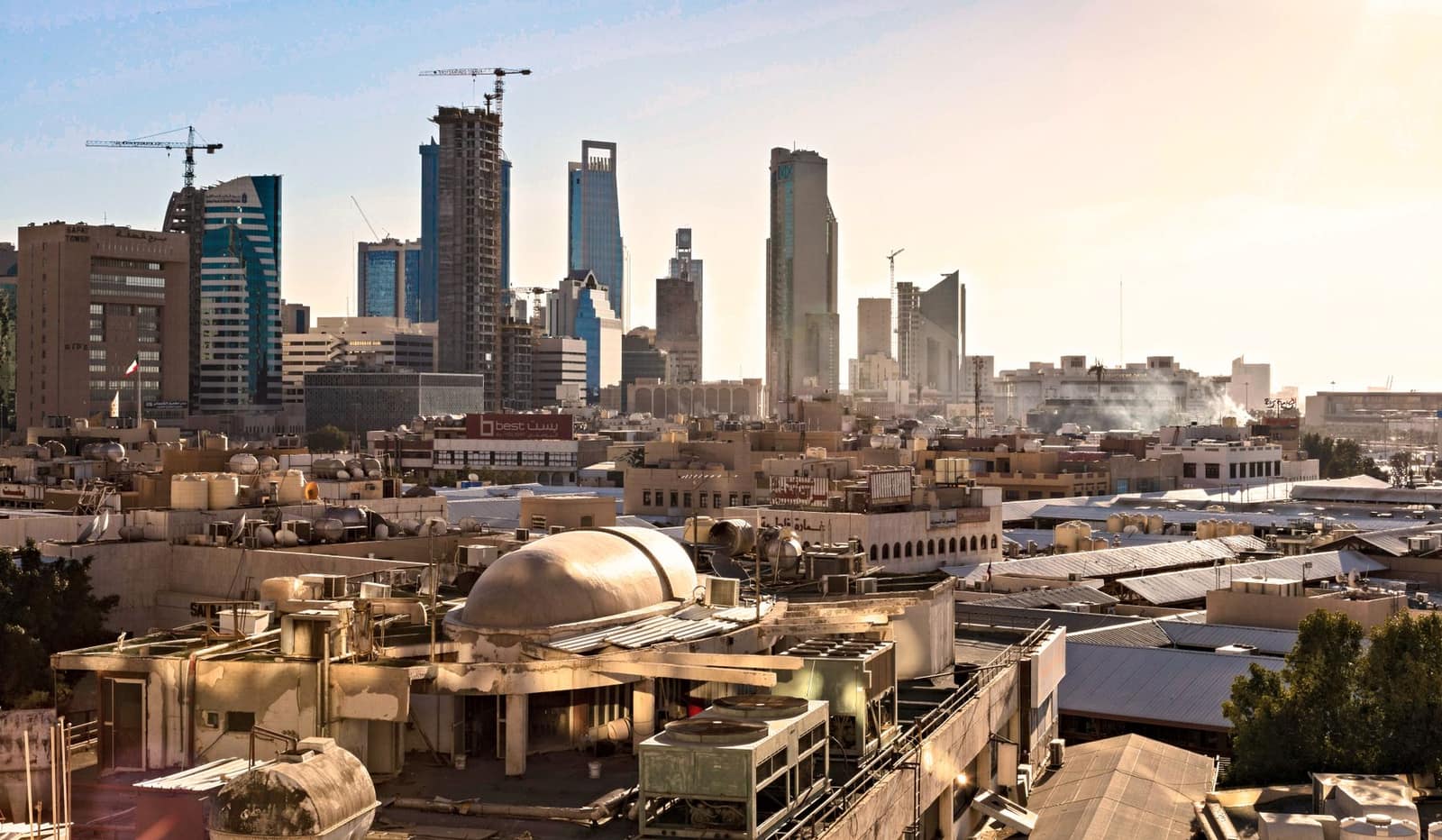 SARRiyadhSaudi ArabiaLarge Gulf market for rice, food and engineering goods. Strict SFDA food rules and SABER certification for regulated goods.From India 2025-26US$ 10.3 bn
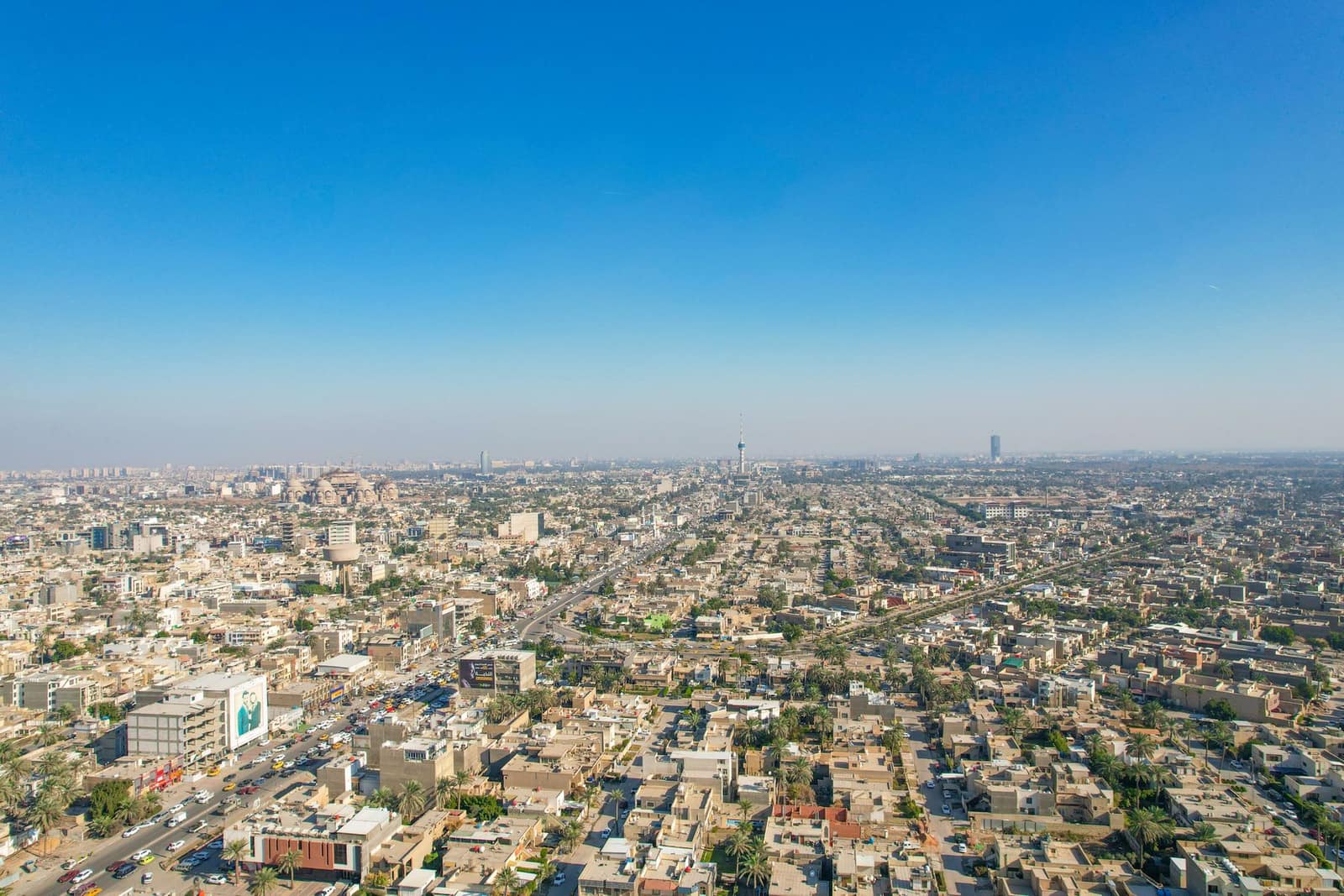 IQDBaghdadIraqBig buyer of Indian rice, meat, medicines and machinery. Regulated goods need a certificate of conformity before shipping.From India 2025-26US$ 2.96 bn
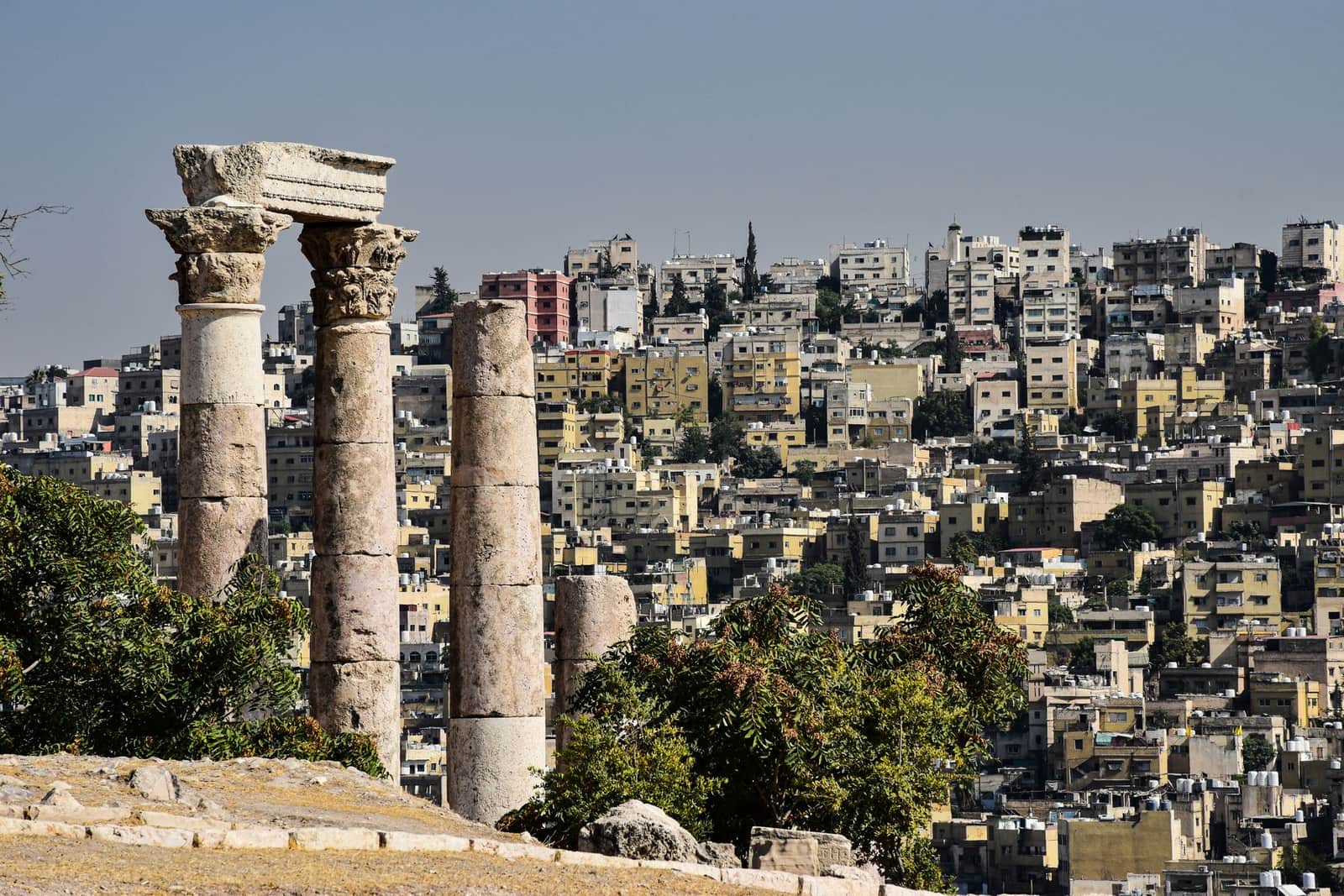 JODAmmanJordanSmall, stable market reached through Aqaba. Buys Indian rice, meat, sugar, chemicals and machinery.From India 2025-26US$ 1.17 bn
 AITIGAPHPManilaPhilippinesFast-growing market of over 100 million people. Buys Indian medicines, vehicles, rice and meat; strict FDA registration.From India 2025-26US$ 2.33 bn
More in processed food
All products → Free to exportProcessed foodTeaAssam, Darjeeling, Nilgiri and CTC tea. You need a Tea Board exporter licence; residues and GI rules matter.HS0902Exports 2025-26US$ 899 mn ↑8%
 Free to exportProcessed foodCoffeeArabica and Robusta green beans, monsooned and instant coffee. Coffee Board registration and an export permit for every shipment.HS0901.11Exports 2025-26US$ 1.41 bn ↑13%
 Free, with conditionsProcessed foodNatural honeyMustard, multiflora and other honeys, mostly to the USA. A minimum export price of US$ 1,400/tonne applies till 31 Dec 2026.HS0409.00Exports 2025-26US$ 208 mn ↑0.7%
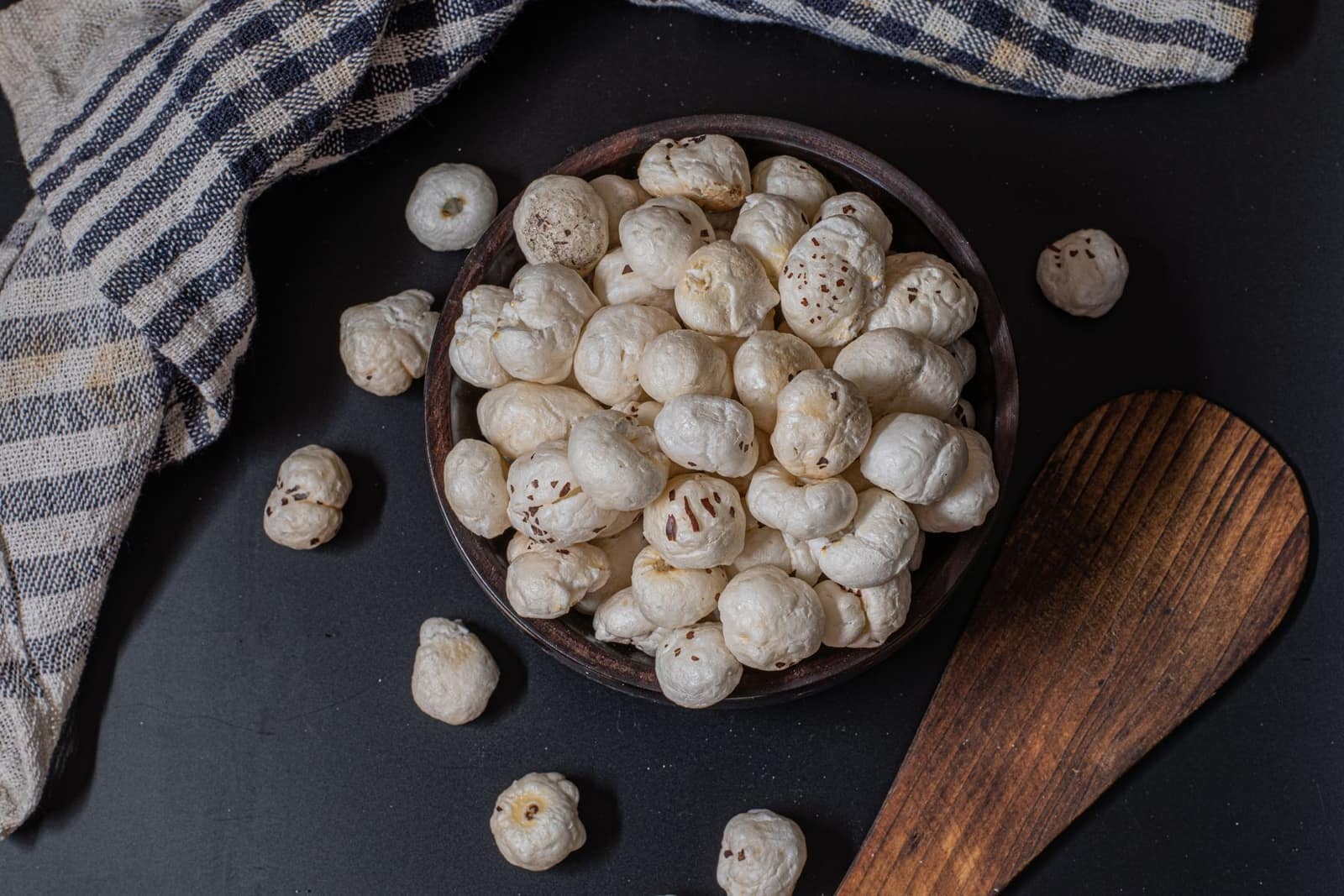 Free to exportProcessed foodMakhana (fox nut)Popped and flavoured makhana from Bihar for health-snack shelves in the USA, UK and Middle East. Small volumes, strong packaging needs.HS2008.19Exports 2025-26US$ 21.8 mn