

Farm produce
Export oil meals (soybean, rapeseed, groundnut)
De-oiled meals for animal feed — soybean meal to South-East Asia, rapeseed meal to China, Korea and Bangladesh.
- HS code
- 2304 Oil-cake and meal of soybean (2304), groundnut (2305) and other oilseeds such as rapeseed-mustard, cottonseed, sunflower, sesame and castor (2306).
- Export policy
- Free to export Export of soybean, groundnut and rapeseed meal is Free under ITC(HS). De-oiled rice bran (2306 90) has had its own notifications since 2023 — check DGFT if you deal in it. Confirm current status on dgft.gov.in.
- Registrations
- 4 IEC, GST and those below
- India’s exports, 2025-26
- US$ 1.04 bn to 69 countries
What is exported
India exported oil cakes and meals worth about US$ 1 billion in 2025-26 under 2304–2306 (TradeStat). China was the largest buyer (mainly rapeseed meal), followed by Bangladesh, Germany, South Korea, Nepal, Thailand, France and Vietnam. Buyers are compound-feed mills for poultry, cattle and fish.
Varieties, grades and forms
- Soybean meal (solvent extracted)High-protein meal for poultry and aquaculture feed.
- Rapeseed-mustard mealLargest export volume in recent years; China, Korea, Bangladesh and Thailand buy it.
- Groundnut, castor, cottonseed and sesame mealsCastor meal is not a feed — it is sold as organic fertiliser.
Where it is grown or made
- Madhya Pradesh and MaharashtraIndore, Ujjain, Dewas; Latur, Nagpur, Akola — soybean plants.
- Rajasthan, Haryana and Uttar PradeshAlwar, Bharatpur, Jaipur, Sri Ganganagar — mustard plants.
- GujaratSaurashtra and north Gujarat — groundnut, cottonseed and castor; Kandla and Mundra ports.
The quality buyers ask for
- Protein
- Minimum protein stated on a given moisture basis (soybean meal is sold in high-protein grades)
- Oil, fibre, moisture, sand/silica
- Maxima set in the contract
- Aflatoxin and Salmonella
- EU feed limits (Directive 2002/32/EC) or buyer limits
Certificates
- SHEFEXIL RCMCRequiredRegistration with the council covering oil cakes.
- Phytosanitary certificateRequiredIssued by Plant Quarantine (DPPQS) for each consignment after inspection; apply on PQMS.
- GMP+ / FAMI-QS (feed)Often askedFeed-safety certifications asked for by European feed buyers.
- ISO 22000 / FSSC 22000Often askedFood-safety management certification; FSSC 22000 is GFSI-recognised and asked for by large buyers.
Shipping, storage and shelf life
A 20-ft container typically carries about 24–26 tonnes in bags; bulk vessels for large lots.
Kandla, Mundra and JNPA for sea; rail rakes and trucks to Bangladesh and Nepal.
Dry, ventilated storage; meal heats and moulds if moisture is high.
What goes on the pack and carton
- Bulk bags and cartons: product and grade, crop year, lot number, net and gross weight, "Product of India", exporter name and the buyer’s shipping marks, matching the invoice and packing list exactly.
Search the NABL directory (nabl-india.org) for a laboratory accredited for the exact tests in your contract, or use an independent inspection agency the buyer names; keep the certificate of analysis with each batch number.
Benefits of exporting this product
- RoDTEP refund on this line
Soybean meal, solvent extracted (2304 00 30) carries 2% of FOB, capped at ₹2 per kg. Most other oil-cake lines under 2304–2306 carry 0.5%; castor seed cake, solvent extracted (2306 90 27) carries 1%. Rate as listed in Appendix 4R (w.e.f. 10 Oct 2024); DGFT Notification 41/2026-27 keeps the rates in force on 30 Sep 2026 unchanged until 31 Dec 2026. Check your exact 8-digit line on dgft.gov.in before you price.
DGFT — Appendix 4R, RoDTEP schedule for DTA exports w.e.f. 10 Oct 2024 (Notification No. 32, 30 Sep 2024) ↗
Where to register
- SHEFEXILRCMC from the Shellac & Forest Products Export Promotion Council, which covers oil cakes under DGFT Appendix 2T.shefexil.org ↗
- Plant Quarantine (DPPQS)Phytosanitary certificate for each consignment of plant produce, applied for online on PQMS. Some markets also want the packhouse or processing unit registered.pqms.cgg.gov.in ↗
Quality and checks
- Protein, fat (residual oil), fibre, moisture, sand/silica and urease activity (for soybean meal) are the standard contract specifications.
- Aflatoxin is the big risk in groundnut and cottonseed meal; the EU limit for aflatoxin B1 in feed materials is set in Directive 2002/32/EC.
- Salmonella testing and plant-registration rules apply for some markets (for example China registers approved Indian plants).
Trade containerised meal from a solvent plant in Madhya Pradesh, Rajasthan or Gujarat to a feed mill in Bangladesh, Nepal or Vietnam. Get the plant’s analysis and an independent inspection at stuffing. Since 15 September 2026, a consignment worth up to ₹3 lakh FOB does not need an RCMC (DGFT Notification 36/2026-27); registrations required by a law still apply.
Where new exporters go wrong
- Selling to China from a plant that is not on China’s registered list — the cargo is refused.
- Protein shortfall claims: always quote protein "min" on a stated moisture basis.
Documents this product needs
Schemes that apply
Sources (5)
- Department of Commerce — TradeStat, India’s exports by commodity and country (2025-26)
- DGFT — Appendix 2T, export promotion councils, boards and the products they cover (as on 6 Feb 2023)
- APEDA — DGFT notifications for APEDA products
- EU — Directive 2002/32/EC on undesirable substances in animal feed
- DGFT Notification 36/2026-27 (15 Sep 2026) — no RCMC needed for consignments up to ₹3 lakh FOB
Trade data
Indian oil meals (soybean, rapeseed, groundnut) exports in numbers
From the Department of Commerce’s TradeStat, country by country. US$, Indian financial years (April–March).
- Exports in 2025-26
- US$ 1.04 bn -8.1% a year on average, 2020-21 to 2025-26
- Change from 2024-25
- ↓ -22.7% US$ 1.35 bn → US$ 1.04 bn
- Buyer countries
- 69
- Average export price
- US$ 0.29 per kg · 3.55 mn tonnes shipped · US$ 0.35 the year before
The price cycle
India’s average export price per kg each year (total value ÷ total quantity). Highest in 2022-23, lowest in 2025-26 — a 31% swing between them. Keep this swing in mind when you quote.
What next: a projection from the trend
The past trend carried forward — not a forecast by any authority. Sudden changes in policy, prices or demand are not in it.
Likely range US$ 805 mn to US$ 1.67 bn.
- Trend
- -3.5% a year
- Fit (R²)
- 0.09 — weak, read with care
- Based on
- 6 years of official figures
Method: a straight line through the logarithm of yearly exports (log-linear regression); range = ±1 standard error.
Biggest buyer countries
By value in 2025-26. Change is against 2024-25.
Where demand is rising and falling
Only countries that buy at least US$ 1 million or 1% of India’s exports of this product. Change from 2024-25 to 2025-26.
↑ High demand
↓ Low demand
- UzbekistanUS$ 10.6 mn → US$ 130k↓-98.8%
- Pakistan IrUS$ 10.7 mn → US$ 150k↓-98.6%
- IranUS$ 70.8 mn → US$ 3.5 mn↓-95.1%
- BelgiumUS$ 40.3 mn → US$ 7.1 mn↓-82.4%
- AfghanistanUS$ 27.4 mn → US$ 7.3 mn↓-73.3%
- NetherlandsUS$ 37 mn → US$ 14.5 mn↓-60.8%
- BangladeshUS$ 218 mn → US$ 111 mn↓-49.1%
- South KoreaUS$ 153 mn → US$ 80.1 mn↓-47.7%
Which forms sell, and at what price
India’s exports by 8-digit tariff line, 2025-26. Average price = total value ÷ total quantity (TradeStat): the average of every shipment on that line, not the price of any one deal.
| Tariff line | Value 2025-26 | Change | Quantity | Average price |
|---|---|---|---|---|
Meal of soyabean,solvent extracted (defatted) variety2304 00 30 · Oil-cake and other solid residues, whether or not ground or in the form of pellets, resulting from the… | US$ 507 mn | ↓-32.3% | 1.20 mn tonnes | US$ 0.42 per kgwas US$ 0.47 |
Other residues of rape or colza seeds2306 49 00 · Oil-cake and other solid residues, whether or not ground or in the form of pellets, resulting from the… | US$ 347 mn | ↓-14.9% | 1.55 mn tonnes | US$ 0.22 per kgwas US$ 0.26 |
Oil-cake and oil-cake meal of soya bean expeller variety2304 00 10 · Oil-cake and other solid residues, whether or not ground or in the form of pellets, resulting from the… | US$ 59 mn | ↑+59.4% | 96,268 tonnes | US$ 0.61 per kgwas US$ 0.61 |
Low erucic acid of rape or colza seeds2306 41 00 · Oil-cake and other solid residues, whether or not ground or in the form of pellets, resulting from the… | US$ 33.2 mn | ↑+380.9% | 1,39,365 tonnes | US$ 0.24 per kgwas US$ 0.24 |
Oil-cake and oil-cake meal of castor seeds solvnt extrctd (defatd) varty2306 90 27 · Oil-cake and other solid residues, whether or not ground or in the form of pellets, resulting from the… | US$ 26.4 mn | ↓-10.6% | 2,57,762 tonnes | US$ 0.10 per kgwas US$ 0.11 |
Other oil cake/solid resdus2306 90 90 · Oil-cake and other solid residues, whether or not ground or in the form of pellets, resulting from the… | US$ 25 mn | ↑+651.5% | 1,63,420 tonnes | US$ 0.15 per kgwas US$ 0.22 |
Other solid residues resulting from of extraction soyabean oil2304 00 90 · Oil-cake and other solid residues, whether or not ground or in the form of pellets, resulting from the… | US$ 13.4 mn | ↓-78.6% | 26,465 tonnes | US$ 0.51 per kgwas US$ 0.60 |
Oil-cake and oil-cake meal of mustard seeds expeller variety2306 90 12 · Oil-cake and other solid residues, whether or not ground or in the form of pellets, resulting from the… | US$ 7.9 mn | ↓-69.9% | 28,090 tonnes | US$ 0.28 per kgwas US$ 0.32 |
Oil-cake and oil-cake meal of mustard seeds solvent extracted(defatted) variety2306 90 21 · Oil-cake and other solid residues, whether or not ground or in the form of pellets, resulting from the… | US$ 5.7 mn | ↑+6.3% | 26,282 tonnes | US$ 0.22 per kgwas US$ 0.26 |
Oil-cake and oil-cake meal of groundnut slvnt extracted varity(defatted)2305 00 20 · Oil-cake and other solid residues, whether or not ground or in the form of pellets, resulting from the… | US$ 4.9 mn | ↓-40.3% | 20,823 tonnes | US$ 0.24 per kgwas US$ 0.28 |
Oil-cake of neem seed expeller variety2306 90 18 · Oil-cake and other solid residues, whether or not ground or in the form of pellets, resulting from the… | US$ 3.2 mn | ↑+103.8% | 3,332 tonnes | US$ 0.96 per kgwas US$ 0.36 |
Other residues of cotton seed2306 10 90 · Oil-cake and other solid residues, whether or not ground or in the form of pellets, resulting from the… | US$ 2.4 mn | ↓-45.3% | 6,863 tonnes | US$ 0.34 per kgwas US$ 0.32 |
Oil cake of soyabean,solvent extracted (defatted) variety2304 00 20 · Oil-cake and other solid residues, whether or not ground or in the form of pellets, resulting from the… | US$ 1.6 mn | ↓-41.1% | 3,728 tonnes | US$ 0.43 per kgwas US$ 0.44 |
Oil-cake and oil-cake meal decrticed,solvnt extracted (defatd) varity of cotton seeds2306 10 20 · Oil-cake and other solid residues, whether or not ground or in the form of pellets, resulting from the… | US$ 1.5 mn | ↑+81.7% | 3,375 tonnes | US$ 0.44 per kgwas US$ 0.44 |
The world market
Each country’s own recorded exports and imports in UN Comtrade, 2023 (the latest year nearly every country has reported).
- World imports
- US$ 48.1 bn 2023
- India among exporters
- #6 of 121 countries
- India’s share of world exports
- 4.2% US$ 1.86 bn
- Left for others to win
- US$ 42.4 bn exported by other countries
Top exporters — your competitors
- 1BrazilUS$ 11.5 bn 26%
- 2ArgentinaUS$ 7.6 bn 17.2%
- 3USAUS$ 5.76 bn 13%
- 4CanadaUS$ 2.4 bn 5.4%
- 5IndonesiaUS$ 2.26 bn 5.1%
- 6IndiaUS$ 1.86 bn 4.2%
- 7GermanyUS$ 1.76 bn 4%
- 8NetherlandsUS$ 1.52 bn 3.4%
- 9UkraineUS$ 1.25 bn 2.8%
- 10Bolivia (Plurinational State of)US$ 957 mn 2.2%
Biggest buyers in the world
- 1IndonesiaUS$ 3.06 bn 6.4%
- 2Viet NamUS$ 2.83 bn 5.9%
- 3ChinaUS$ 2.59 bn 5.4%
- 4ThailandUS$ 2.01 bn 4.2%
- 5FranceUS$ 1.97 bn 4.1%
- 6USAUS$ 1.96 bn 4.1%
- 7PolandUS$ 1.79 bn 3.7%
- 8NetherlandsUS$ 1.73 bn 3.6%
- 9PhilippinesUS$ 1.67 bn 3.5%
- 10GermanyUS$ 1.65 bn 3.4%
Opportunity: what these countries buy from the world, and from India
Each country’s own recorded imports in UN Comtrade, latest year it has reported. The long light part of each bar is demand other countries are filling today.
TradeStat’s 2023-24 quantities are double-counted, so that year is left out of the price. Sources: TradeStat — Export Import Data Bank, Department of Commerce · UN Comtrade database (United Nations Statistics Division) · Figures taken 29 October 2026.
Step by step
How to export oil meals (soybean, rapeseed, groundnut)
India is a major exporter of oilseed meals, especially rapeseed-mustard meal and soybean meal, mostly to Asian feed industries. Argentina, Brazil and the USA dominate soybean meal; Canada and the EU compete in rapeseed meal. Indian soybean meal is valued by some buyers as non-GM, but often costs more than South American meal. Openings: rapeseed meal for China, Korea and Bangladesh, and specialised meals (de-oiled, organic fertiliser cakes).
- 01Register
Get your IEC and SHEFEXIL RCMC; check whether the destination registers approved plants (for example China).
- 02Choose a plant
Buy from a solvent plant with consistent analysis and, if needed, destination registration.
- 03Test and inspect
Test protein, moisture, aflatoxin and Salmonella; independent inspection at stuffing.
- 04Inspection and phytosanitary certificate
Apply on PQMS; Plant Quarantine inspects the lot (and fumigation or treatment if the importing country requires it) before issuing the certificate.
- 05Agree specification, price and payment
Put grade, tests, packing, Incoterm (FOB or CIF), shipment period and payment (advance, LC or documents against payment) in a written contract. Cover the buyer with ECGC if you give credit.
- 06File the shipping bill and ship
Your customs broker files the shipping bill on ICEGATE with the invoice and packing list. After customs clearance the line issues the bill of lading; get the certificate of origin from the right agency if the buyer needs a trade-agreement rate.
- 07Get paid and close the file
Send original documents through your bank (or to the buyer if paid in advance). When the money arrives, get the e-BRC and claim RoDTEP and drawback where they apply.
Questions
Questions about exporting oil meals (soybean, rapeseed, groundnut)
Which council issues the RCMC for oil meals?
Who buys Indian oil meals?
Is castor meal a feed?
Which oil meal gets the highest RoDTEP?
Do I need an RCMC for a small trial shipment?
Sources (5)
- Department of Commerce — TradeStat, India’s exports by commodity and country (2025-26)
- DGFT — Appendix 2T, export promotion councils, boards and the products they cover (as on 6 Feb 2023)
- SHEFEXIL — Shellac & Forest Products Export Promotion Council (oil cakes)
- EU — Directive 2002/32/EC on undesirable substances in animal feed
- DGFT — Appendix 4R, RoDTEP schedule for DTA exports w.e.f. 10 Oct 2024 (Notification No. 32, 30 Sep 2024)
Who buys Indian oil meals (soybean, rapeseed, groundnut)
All countries → APTACNYBeijingChinaHuge market, but mostly for raw materials. Food plants must be registered with GACC; fresh produce needs a protocol.From India 2025-26US$ 19.5 bn
 SAFTABDTDhakaBangladeshBig neighbour market for cotton, yarn, food and machinery. Mostly LC-based; land and sea routes.From India 2025-26US$ 10.6 bn
 EURBerlinGermanyEurope's largest economy and India's biggest EU partner. Values quality, certificates and supply-chain transparency.From India 2025-26US$ 11.5 bn
 CEPAKRWSeoulSouth KoreaIndustrial buyer of Indian naphtha, metals, chemicals and yarn. Food plants must register with MFDS first.From India 2025-26US$ 6.01 bn
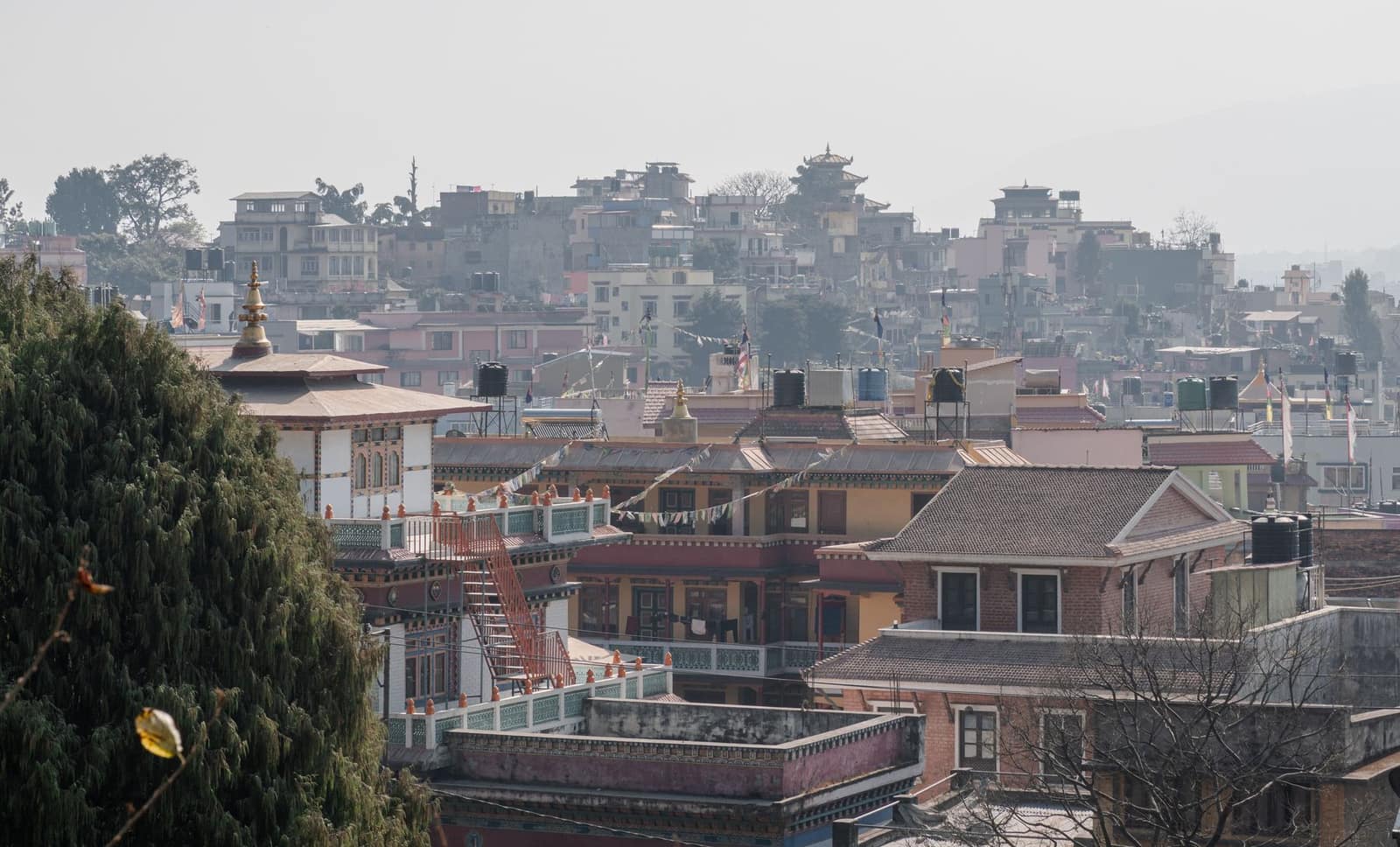 SAFTANPRKathmanduNepalOpen land border, rupee payments and a market that relies on Indian goods — an easy first market by road.From India 2025-26US$ 7.45 bn
 EURParisFranceFashion, food and design market. EU rules plus French-language labels; SIAL Paris is a key food fair.From India 2025-26US$ 7.1 bn
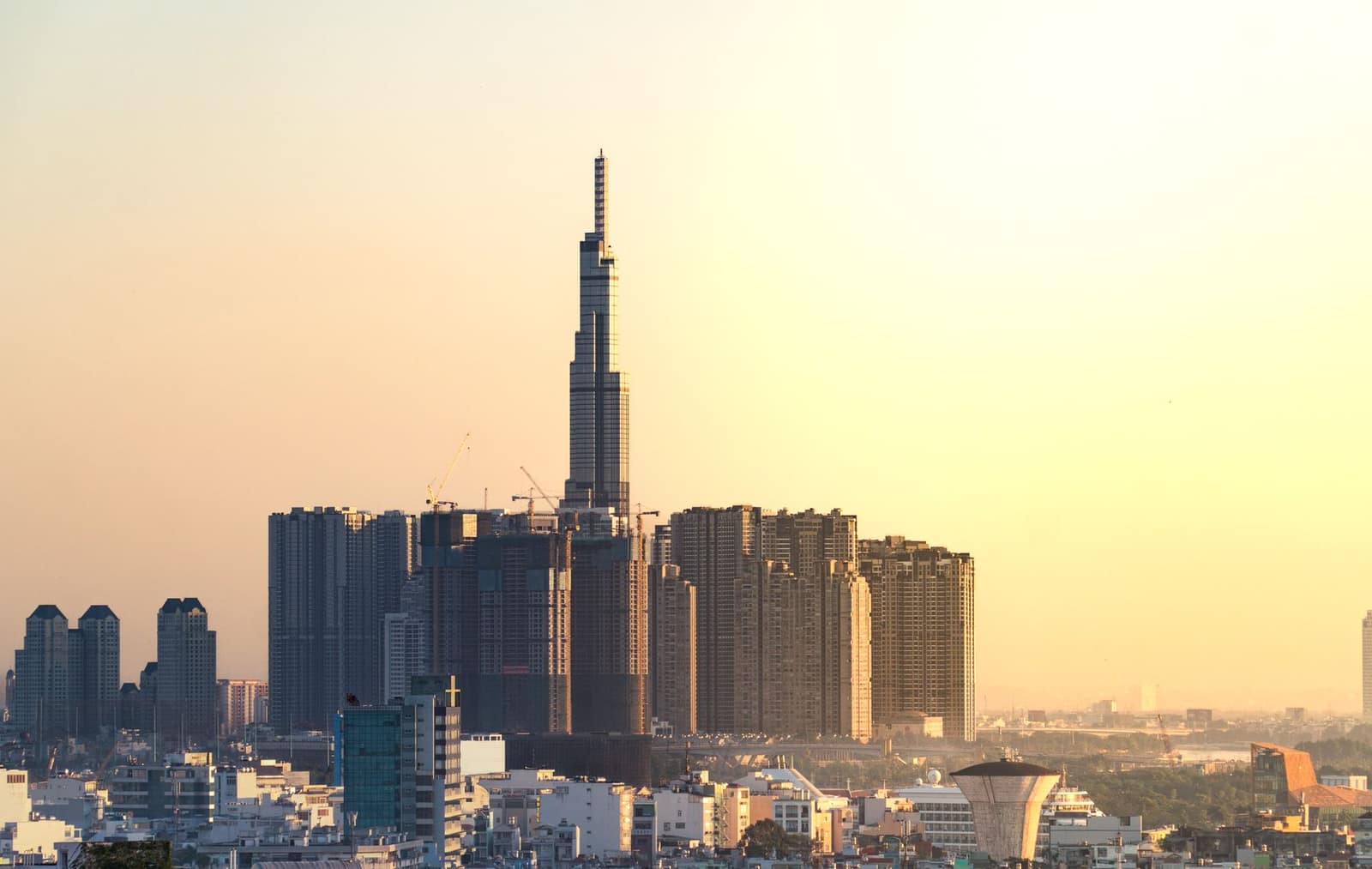 AITIGAVNDHanoiVietnamFast-growing manufacturing economy buying raw materials, yarn, steel, chemicals and feed ingredients from India.From India 2025-26US$ 6.67 bn
 KESNairobiKenyaEast Africa's trade gateway via Mombasa. Buys medicines, vehicles, steel and rice; KEBS pre-shipment checks apply.From India 2025-26US$ 4.02 bn
More in farm produce
All products →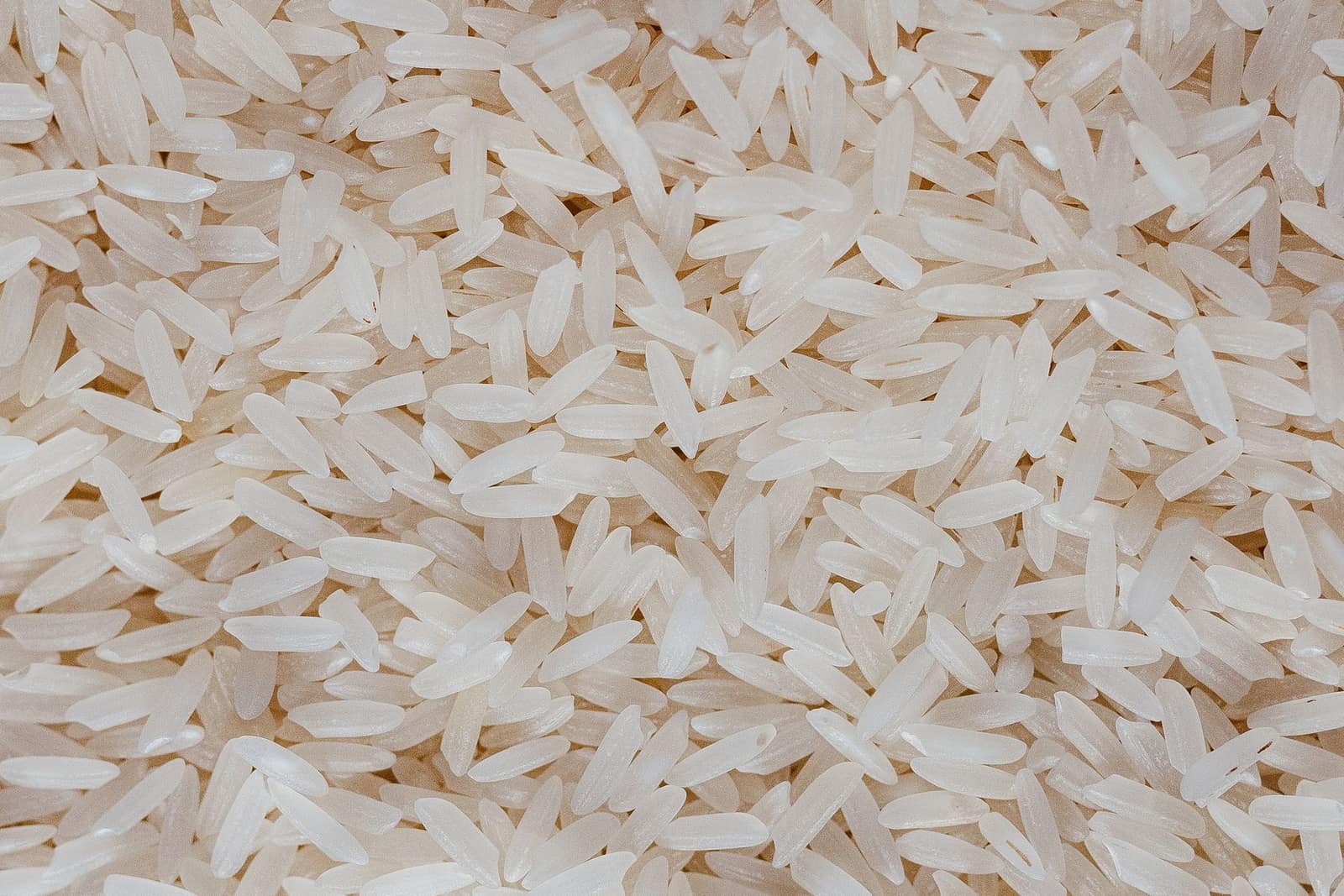 Free, with conditionsFarm produceBasmati riceIndia’s top agri export by value. Free to export, but every contract must be registered with APEDA first.HS1006.30Exports 2025-26US$ 5.67 bn ↓4.6%
 Free, with conditionsFarm produceNon-basmati riceHigh-volume staple sold mainly to Africa and Bangladesh. Export reopened in 2024–25, but contracts must now be registered with APEDA.HS1006.30Exports 2025-26US$ 5.86 bn ↓10.2%
 Free to exportFarm produceSpicesWhole, ground and blended spices. Spices Board registration (CRES) is compulsory; residue and ethylene oxide tests keep buyers.HS0904–0910Exports 2025-26US$ 3.12 bn ↓5.1%
 Free to exportFarm produceChilliIndia’s largest spice export by volume. Dried red chilli goes to China, Thailand and Bangladesh; aflatoxin is the key test.HS0904.21Exports 2025-26US$ 1.1 bn ↓12.9%