


Processed food
Export fruit and vegetable juices
Mango, guava and pomegranate juice and concentrate for beverage makers and diaspora shops.
- HS code
- 2009 Fruit and vegetable juices, unfermented, without added spirit: orange, grapefruit, pineapple, tomato, grape, apple, mango juice (2009 89 10), mixtures.
- Export policy
- Free to export Free under ITC(HS) Schedule 2.
- Registrations
- 5 IEC, GST and those below
- India’s exports, 2025-26
- US$ 48.1 mn to 46 countries
What is exported
India exports fruit juices and concentrates — mango, pomegranate, guava, grape and others — in bulk aseptic drums for beverage makers and in retail packs for diaspora shops. APEDA reports processed fruits, juices and nuts went mainly to the Netherlands, the USA, the UAE, Saudi Arabia and the UK in 2025-26.

Varieties, grades and forms
- Mango juice and nectarMango juice has its own line (2009 89 10).
- Pomegranate juice and concentrateFrom Maharashtra’s pomegranate belt.
- Grape, guava and citrus juicesBulk concentrate and retail.
- Vegetable juicesTomato, amla and aloe-based drinks (check classification — many go under 2202).
Where it is grown or made
- MaharashtraNashik, Solapur and Pune — grape and pomegranate juice.
- Andhra Pradesh and Tamil NaduChittoor and Krishnagiri — mango.
- Himachal Pradesh and Jammu & KashmirApple juice concentrate.
The quality buyers ask for
- Codex standard
- Fruit juices and nectars CXS 247-2005 — minimum Brix, juice content of nectars, permitted ingredients
- Authenticity
- No undeclared sugar, water or other fruit; buyers test authenticity
- Microbiology
- Meets the destination’s microbiological criteria and the buyer’s specification
- US juice HACCP
- Processors for the USA must meet 21 CFR 120, including a 5-log pathogen reduction
Certificates
- FSSAI licenceRequiredCentral licence from FSSAI for the premises where the food is made, packed or stored for export. Apply on FoSCoS.
- APEDA RCMCRequiredRegistration with APEDA, issued as an RCMC on the DGFT portal. Since 15 Sep 2026, a consignment up to ₹3 lakh FOB can go without it.
- ISO 22000 / FSSC 22000Often askedFood-safety management certification; FSSC 22000 is GFSI-recognised, which large retailers and brands look for.
- BRCGS Food SafetyOften askedGFSI-recognised standard asked for by UK and many EU retailers for private label.
- US FDA food-facility registrationOften askedEvery facility making food for the USA must register with the FDA, and each shipment needs prior notice. Canned and acidified foods also need FCE/SID process filing.
- HalalOften askedAsked for by many buyers in the Gulf, Malaysia and Indonesia. Use a body the destination recognises.
- KosherOften askedAsked for by some US buyers and ingredient buyers supplying kosher brands.
Shipping, storage and shelf life
Aseptic drums or frozen concentrate in reefers; retail packs on pallets in dry containers.
Sea freight.
Aseptic and retail packs cool and dry; frozen concentrate at –18 °C.
Typically 9–18 months for retail packs, depending on process and pack.
What goes on the pack and carton
- EU retail packs (Regulation 1169/2011): name of the food, ingredients with allergens highlighted, net quantity, best-before or use-by date, storage conditions, the EU importer’s name and address, origin where required — in the language of the country of sale.
- USA (21 CFR 101): product name, net quantity in US and metric units, ingredients, major allergens (including sesame), the packer’s or distributor’s name and place of business, Nutrition Facts unless exempt, and “Product of India”.
- Gulf countries: Arabic text (Arabic plus English is normal), production and expiry dates, net weight, country of origin and importer details. Confirm current rules with your importer.
- Use “juice”, “nectar” or “drink” exactly as the destination defines them, with the fruit percentage where required.
- Lot or batch number on every pack and carton, matching the invoice and packing list, so the goods can be traced and recalled.
Use an FSSAI-notified laboratory (fssai.gov.in → notified labs) or an NABL-accredited lab with your product and test in scope (nabl-india.org). APEDA-recognised labs are listed on apeda.gov.in → Quality → Recognised Organisations. Ask the buyer which lab reports they accept before you send samples.
Benefits of exporting this product
- RoDTEP refund on this line
All fruit and vegetable juices under 2009 (including mango juice 2009 89 10 and mixtures 2009 90 00): 1.3% of FOB, no value cap. Rate as listed in Appendix 4R (w.e.f. 10 Oct 2024); DGFT Notification 41/2026-27 keeps the rates in force on 30 Sep 2026 unchanged until 31 Dec 2026. Check your exact 8-digit line on dgft.gov.in before you price.
DGFT — Appendix 4R, RoDTEP schedule for DTA exports w.e.f. 10 Oct 2024 (Notification No. 32, 30 Sep 2024) ↗ - APEDA support (Bharat Krishi Niryat Yojana)
APEDA’s financial assistance scheme for 2026-27 to 2030-31 helps registered exporters, FPOs and processors with infrastructure, lab testing and quality systems, and market development (trade fairs, trial shipments, brand registration). Read the component conditions before you spend.
APEDA — Bharat Krishi Niryat Yojana 2026-27 to 2030-31, operational guidelines (6 Oct 2026) ↗
Where to register
- FSSAIFood business licence. Food exporters come under the Central licence; apply on FoSCoS and keep it valid for the premises you make or pack from.foscos.fssai.gov.in ↗
- APEDARegistration-cum-Membership Certificate (RCMC) for APEDA-scheduled products. Apply on the DGFT portal after you have your IEC.dgft.gov.in ↗
- Buyer-country food registrationMany importing countries register the foreign plant or the product — for example US FDA food-facility registration, GACC registration for China, or product registration in some Gulf states. Check APEDA’s importing-country regulations page.apeda.gov.in ↗
Quality and checks
- Brix, acidity, authenticity (no added sugar or water where the label says 100% juice) and microbiology.
- For the USA, juice processors must follow the FDA juice HACCP rule (21 CFR 120).
- Pesticide residues within the importing country’s limits (see APEDA’s MRL database).
- Labels made for the destination: ingredients, allergens, net quantity, best-before date, importer details and the language that country requires.
Start with retail mango or guava juice made by a plant that already exports, under your buyer’s label, in a mixed container with other Indian foods. Since 15 September 2026, a consignment worth up to ₹3 lakh FOB does not need an RCMC (DGFT Notification 36/2026-27); licences that a law requires, such as FSSAI, still apply.
Where new exporters go wrong
- Calling a nectar or drink “juice” — names are defined by law in the EU and USA.
- Skipping US FDA facility registration or prior notice — the shipment is refused at the US port.
Documents this product needs
Schemes that apply
- RoDTEP Remission of Duties and Taxes on Exported Products
- Drawback Duty Drawback (All Industry Rates)
- LUT Letter of Undertaking for zero-rated exports under GST
- ECGC ECGC export credit insurance for small exporters
- Districts as Export Hubs Districts as Export Hubs
- MAI / MAS Market Access Initiative (now Market Access Support under EPM)
Sources (6)
- APEDA — Processed Fruits, Juices & Nuts (exports and destinations, 2025-26)
- DGFT — Appendix 4R, RoDTEP schedule for DTA exports w.e.f. 10 Oct 2024 (Notification No. 32, 30 Sep 2024)
- US eCFR — 21 CFR Part 120, HACCP for juice
- EU — Regulation (EU) No 1169/2011 on food information to consumers
- FSSAI — FoSCoS food licensing portal
- DGFT Notification 36/2026-27 (15 Sep 2026) — no RCMC needed for consignments up to ₹3 lakh FOB
Trade data
Indian fruit and vegetable juices exports in numbers
From the Department of Commerce’s TradeStat, country by country. US$, Indian financial years (April–March).
- Exports in 2025-26
- US$ 48.1 mn +37.3% a year on average, 2020-21 to 2025-26
- Change from 2024-25
- ↑ +53.5% US$ 31.3 mn → US$ 48.1 mn
- Buyer countries
- 46
- Average export price
- US$ 1.75 per kg · 27,428 tonnes shipped · US$ 1.77 the year before
The price cycle
India’s average export price per kg each year (total value ÷ total quantity). Highest in 2020-21, lowest in 2025-26 — a 24% swing between them. Keep this swing in mind when you quote.
What next: a projection from the trend
The past trend carried forward — not a forecast by any authority. Sudden changes in policy, prices or demand are not in it.
Likely range US$ 68.2 mn to US$ 101 mn.
- Trend
- +37.7% a year
- Fit (R²)
- 0.96
- Based on
- 6 years of official figures
Method: a straight line through the logarithm of yearly exports (log-linear regression); range = ±1 standard error.
Biggest buyer countries
By value in 2025-26. Change is against 2024-25.
Where demand is rising and falling
Only countries that buy at least US$ 1 million or 1% of India’s exports of this product. Change from 2024-25 to 2025-26.
↑ High demand
- SpainUS$ 100k → US$ 1.5 mn↑+1,380%
- ItalyUS$ 460k → US$ 1.3 mn↑+173.9%
- United KingdomUS$ 1.8 mn → US$ 4.8 mn↑+170.8%
- AustraliaUS$ 2.5 mn → US$ 5.1 mn↑+104.4%
- ChinaUS$ 1.5 mn → US$ 2.9 mn↑+98.6%
- JapanUS$ 1.6 mn → US$ 2.9 mn↑+81%
- GermanyUS$ 850k → US$ 1.4 mn↑+63.5%
- United States of AmericaUS$ 6.7 mn → US$ 9.2 mn↑+38.1%
↓ Low demand
No sizeable country falls in this list this year.
Which forms sell, and at what price
India’s exports by 8-digit tariff line, 2025-26. Average price = total value ÷ total quantity (TradeStat): the average of every shipment on that line, not the price of any one deal.
| Tariff line | Value 2025-26 | Change | Quantity | Average price |
|---|---|---|---|---|
Juice, of any single fruit, nut or vegetable in heading no. 2009, unfermented, not containing added spirit… — other fruit juice2009 89 90 | US$ 35.1 mn | ↑+99.6% | 19,275 tonnes | US$ 1.82 per kgwas US$ 1.70 |
Juice, of any single fruit, nut or vegetable in heading no. 2009, unfermented, not containing added spirit… — mango juice2009 89 10 | US$ 4.5 mn | ↓-31.3% | 1,691 tonnes | US$ 2.68 per kgwas US$ 3.45 |
Other singlecitrus fruit juice value>202009 39 00 · Juice, of single citrus fruit, of a Brix value exceeding 20, unfermented, not containing added spirit… | US$ 2.3 mn | ↑+4.1% | 2,566 tonnes | US$ 0.90 per kgwas US$ 0.89 |
Other single citrus fruit juice value not exc.202009 31 00 · Juice, of single citrus fruit, of a Brix value not exceeding 20, unfermented, not containing added spirit… | US$ 2.2 mn | ↑+35% | 1,767 tonnes | US$ 1.24 per kgwas US$ 1.15 |
Mixtrs of juices unfrmntd not contng spirit2009 90 00 · Juices, mixtures of fruits or vegetables, unfermented, not containing added spirit, whether or not… | US$ 1.2 mn | ↑+39.3% | 548 tonnes | US$ 2.26 per kgwas US$ 2.14 |
Juice, orange, frozen, unfermented,, whether or not containing added sugar or other sweetening matter — orang juic frozn2009 11 00 | US$ 1 mn | ↑+40.3% | 250 tonnes | US$ 4.04 per kgwas US$ 3.85 |
Other pineapple juice value >202009 49 00 · Juice, pineapple, of a Brix value exceeding 20, unfermented, not containing added spirit, whether or not… | US$ 810k | ↑+179.3% | 452 tonnes | US$ 1.79 per kgwas US$ 3.98 |
Juice of any other single fruit nut or vegetable2009 79 00 · Juice, apple, of a Brix value exceeding 20, unfermented, not containing added spirit, whether or not… | US$ 290k | ↓-54.7% | 171 tonnes | US$ 1.69 per kgwas US$ 2.10 |
Orang juic not frozn value not exceeding 202009 12 00 · Juice, orange, not frozen, of a Brix value not exceeding 20, unfermented, not containing added spirit… | US$ 240k | ↓-4% | 297 tonnes | US$ 0.81 per kgwas US$ 0.92 |
Pineapple juice of brix value not exc.202009 41 00 · Juice, pineapple, of a Brix value not exceeding 20, unfermented,, whether or not containing added sugar or… | US$ 190k | ↓-9.5% | 127 tonnes | US$ 1.49 per kgwas US$ 1.10 |
Cranberry (vaccinium macrocarpon, vaccinium oxycoccos juice lingonberry vaccinium vitis-idaea) juice2009 81 00 · Juice, cranberry, Iingonberry, unfermented, not containing added spirit, whether or not containing added… | US$ 110k | ↑+22.2% | 145 tonnes | US$ 0.76 per kgwas US$ 14.19 |
Grape fruit juice pomelo juice2009 19 00 · Juice, orange, not frozen, of a Brix value exceeding 20, unfermented, not containing added spirit, whether… | US$ 70k | ↓-58.8% | 86 tonnes | US$ 0.81 per kgwas US$ 4.68 |
Other juice(includingmust) value>302009 69 00 · Juice, grape, of a Brix value exceeding 30, unfermented, not containing added spirit, whether or not… | US$ 10k | ↑0% | 1.5 tonnes | US$ 6.81 per kgwas US$ 3.77 |
Apple juice of brix val.not exc.202009 71 00 · Juice, apple, of a Brix value not exceeding 20, unfermented,, whether or not containing added sugar or… | US$ 10k | ↓-80% | 49 tonnes | US$ 0.20 per kgwas US$ 1.46 |
The world market
Each country’s own recorded exports and imports in UN Comtrade, 2023 (the latest year nearly every country has reported).
- World imports
- US$ 17.1 bn 2023
- India among exporters
- #56 of 157 countries
- India’s share of world exports
- 0.1% US$ 20.6 mn
- Left for others to win
- US$ 17.4 bn exported by other countries
Top exporters — your competitors
- 1BrazilUS$ 2.68 bn 15.4%
- 2NetherlandsUS$ 1.68 bn 9.7%
- 3SpainUS$ 1.09 bn 6.3%
- 4GermanyUS$ 904 mn 5.2%
- 5ChinaUS$ 904 mn 5.2%
- 6PolandUS$ 899 mn 5.2%
- 7USAUS$ 744 mn 4.3%
- 8ThailandUS$ 737 mn 4.2%
- 9ItalyUS$ 660 mn 3.8%
- 10MexicoUS$ 586 mn 3.4%
Biggest buyers in the world
- 1USAUS$ 3.43 bn 20.1%
- 2NetherlandsUS$ 1.47 bn 8.6%
- 3GermanyUS$ 1.39 bn 8.1%
- 4FranceUS$ 1.22 bn 7.1%
- 5United KingdomUS$ 1.07 bn 6.2%
- 6ChinaUS$ 784 mn 4.6%
- 7JapanUS$ 734 mn 4.3%
- 8CanadaUS$ 659 mn 3.9%
- 9AustriaUS$ 385 mn 2.2%
- 10SpainUS$ 367 mn 2.1%
Opportunity: what these countries buy from the world, and from India
Each country’s own recorded imports in UN Comtrade, latest year it has reported. The long light part of each bar is demand other countries are filling today.
TradeStat’s 2023-24 quantities are double-counted, so that year is left out of the price. Sources: TradeStat — Export Import Data Bank, Department of Commerce · UN Comtrade database (United Nations Statistics Division) · Figures taken 29 October 2026.
Step by step
How to export fruit and vegetable juices
Brazil dominates orange juice and China apple juice, so India competes in tropical and speciality juices: mango, pomegranate, guava and amla. Buyers are beverage companies that blend concentrates and diaspora shops that sell Indian brands. APEDA reports processed fruits, juices and nuts went mainly to the Netherlands, the USA, the UAE, Saudi Arabia and the UK in 2025-26. The openings are not-from-concentrate premium juices and certified concentrate for blenders.
- 01Choose the product type
Decide between bulk concentrate and retail juice; they have different buyers.
- 02Check names and rules
Confirm the legal name, Brix and additives allowed in the destination.
- 03Set up juice HACCP
For the USA, the plant needs a juice HACCP plan and FDA registration.
- 04Make the export label
Design a label for the destination’s law — not the Indian label — and have the importer approve it before printing.
- 05Test each batch
Test Brix, acidity, micro and authenticity markers.
- 06Book, stuff and file
Book the container, stuff it with a pre-shipment check, file the shipping bill on ICEGATE and get the certificate of origin and any health certificate.
- 07Get paid and close the file
Send the original documents through your bank (or to the buyer if paid in advance). Once the money arrives, get the e-BRC and claim RoDTEP and drawback where they apply.
Meet buyers
Trade fairs
- Usually late January or FebruaryGulfoodDubaigulfood.com ↗
- October, in odd-numbered years (next: 2027)AnugaCologneanuga.com ↗
- October, in even-numbered years (next: 2028)SIAL ParisParissialparis.com ↗
- Late November or early DecemberFood ingredients Europe (Fi Europe)Frankfurt or Paris (alternates)figlobal.com ↗
Questions
Questions about exporting fruit and vegetable juices
Juice, nectar or drink — what is the difference?
Is FDA juice HACCP needed for concentrate?
What RoDTEP applies?
Are vegetable drinks in this heading?
Do I need an RCMC for my first small shipment?
Sources (6)
- APEDA — Processed Fruits, Juices & Nuts (exports and destinations, 2025-26)
- Codex Alimentarius — list of standards
- US eCFR — 21 CFR Part 120, HACCP for juice
- EU — Regulation (EU) No 1169/2011 on food information to consumers
- DGFT — Appendix 4R, RoDTEP schedule for DTA exports w.e.f. 10 Oct 2024 (Notification No. 32, 30 Sep 2024)
- FSSAI — Notified food testing laboratories
Who buys Indian fruit and vegetable juices
All countries → EURAmsterdamNetherlandsEurope's main gateway: Rotterdam handles goods for the whole EU. EU food-safety and residue rules apply.From India 2025-26US$ 17.5 bn
 USDWashington, D.C.United States of AmericaIndia's largest single-country export market. Strict FDA rules for food; extra 10% US duty on most goods since July 2026.From India 2025-26US$ 87.3 bn
 CEPAAEDAbu DhabiUnited Arab EmiratesIndia's biggest Gulf buyer and a re-export hub for the Middle East and Africa. CEPA in force since 2022.From India 2025-26US$ 37.4 bn
 SARRiyadhSaudi ArabiaLarge Gulf market for rice, food and engineering goods. Strict SFDA food rules and SABER certification for regulated goods.From India 2025-26US$ 10.3 bn
 CETAGBPLondonUnited KingdomNew CETA in force since July 2026 — most Indian goods now enter duty-free. Strong market for garments, food and engineering.From India 2025-26US$ 13.4 bn
More in processed food
All products →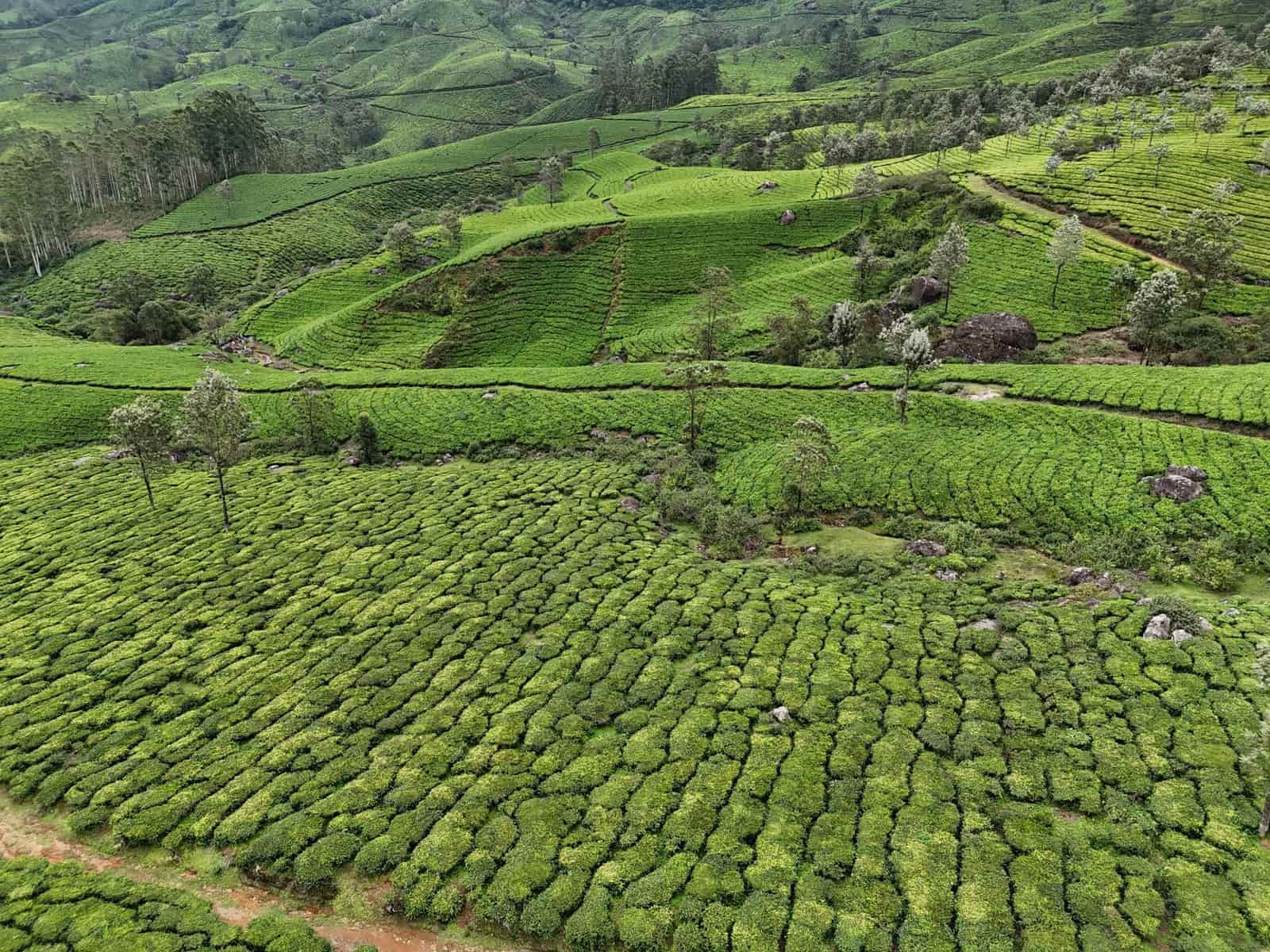 Free to exportProcessed foodTeaAssam, Darjeeling, Nilgiri and CTC tea. You need a Tea Board exporter licence; residues and GI rules matter.HS0902Exports 2025-26US$ 899 mn ↑8%
 Free to exportProcessed foodCoffeeArabica and Robusta green beans, monsooned and instant coffee. Coffee Board registration and an export permit for every shipment.HS0901.11Exports 2025-26US$ 1.41 bn ↑13%
 Free, with conditionsProcessed foodNatural honeyMustard, multiflora and other honeys, mostly to the USA. A minimum export price of US$ 1,400/tonne applies till 31 Dec 2026.HS0409.00Exports 2025-26US$ 208 mn ↑0.7%
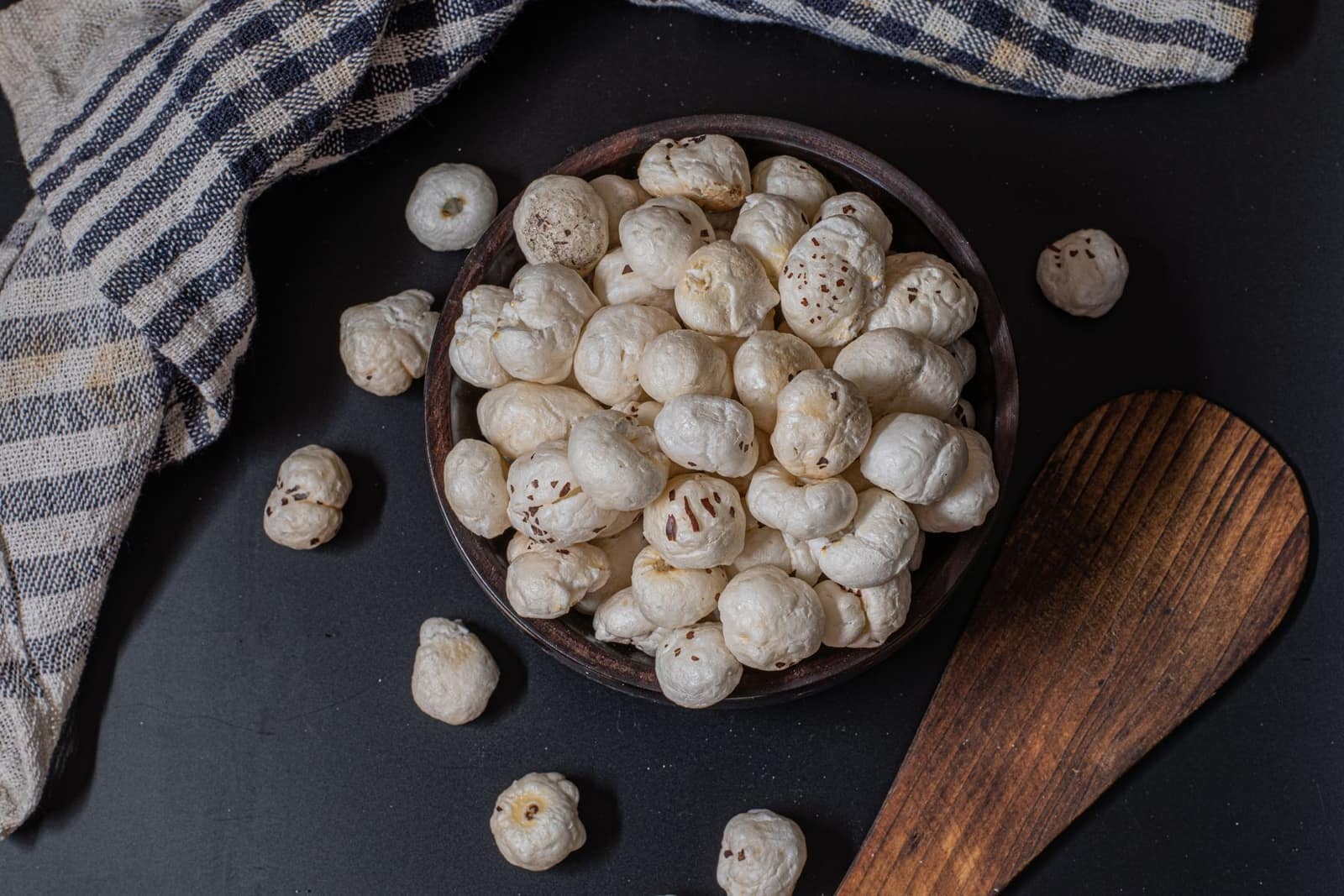 Free to exportProcessed foodMakhana (fox nut)Popped and flavoured makhana from Bihar for health-snack shelves in the USA, UK and Middle East. Small volumes, strong packaging needs.HS2008.19Exports 2025-26US$ 21.8 mn