

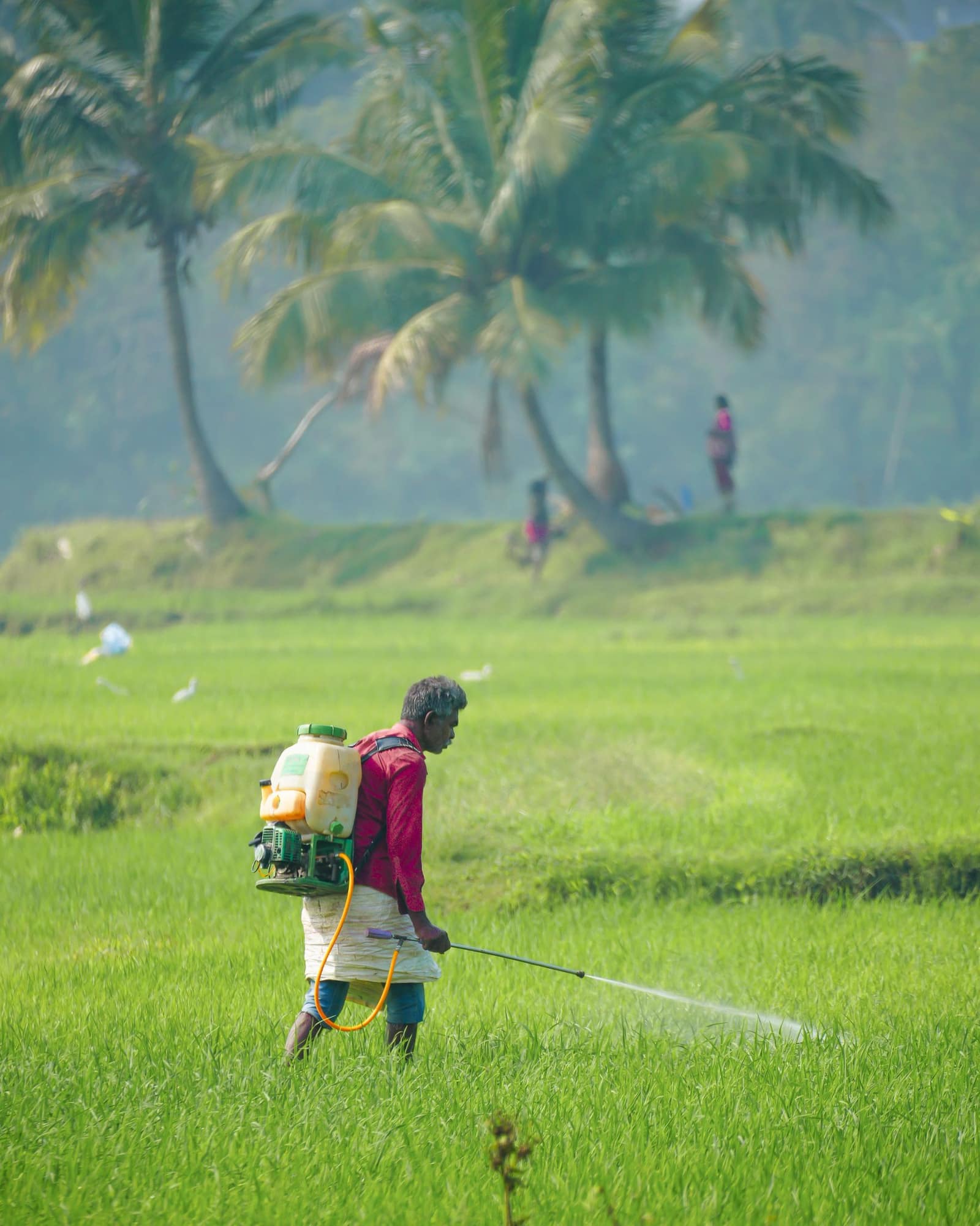
Pharma & chemicals
Export agrochemicals (pesticides)
Generic insecticides, fungicides and herbicides; Brazil and the USA are by far the largest buyers.
- HS code
- 3808 Insecticides, fungicides, herbicides, plant-growth regulators, disinfectants and similar products, in retail packs or as preparations (3808). Technical-grade active ingredients are often classified in Chapter 29.
- Export policy
- Free to export Free to export under ITC(HS) Schedule 2 as checked in November 2026. Most pesticides are free to export, but the maker needs registration under the Insecticides Act, 1968, and chemicals listed under the Rotterdam (PIC) and Stockholm conventions carry extra conditions; a few precursors are on the SCOMET list. Confirm your exact 8-digit line on the DGFT ITC(HS) search before you ship.
- Registrations
- 4 IEC, GST and those below
- India’s exports, 2025-26
- US$ 3.87 bn to 141 countries
What is exported
India is one of the largest exporters of generic (off-patent) crop-protection chemicals, made mainly in Gujarat (Ankleshwar, Dahej, Vapi), Maharashtra, Telangana and Andhra Pradesh. In 2025-26 India exported about US$ 3.9 billion under HS 3808; Brazil and the USA together took nearly half, followed by Vietnam, China, Belgium and Japan. Every buyer country requires the product to be registered with its pesticide regulator before it can be sold.
Varieties, grades and forms
- InsecticidesOrganophosphates, pyrethroids, neonicotinoids and newer generics.
- FungicidesMancozeb, copper oxychloride, triazoles and strobilurins.
- Herbicides2,4-D, glyphosate formulations and selective herbicides.
- Technical grade and formulationsBulk active ingredient for formulators, or ready EC, WP, SC and WDG packs.
Where it is grown or made
- GujaratAnkleshwar, Dahej, Vapi, Panoli and Saykha
- MaharashtraMumbai–Thane, Roha and Lote Parshuram
- Telangana and Andhra PradeshHyderabad and Visakhapatnam
The quality buyers ask for
- Active ingredient content
- Technical purity (for example 95% or 98% min.) or formulation strength (EC, WP, SC) per FAO/WHO specification
- Impurities
- Relevant impurities within FAO/WHO or registration limits
- Physical properties
- Suspensibility, emulsion stability, wettability and storage stability per CIPAC methods
- Equivalence
- Technical equivalence to the reference source for registration
- Packaging
- UN-approved packaging rated for the product's hazard class
Certificates
- CIB&RC registration (Insecticides Act, 1968)RequiredNeeded to make and export the pesticide from India, including export-only registration.
- Product registration in the importing countryRequiredNo pesticide can be sold without it (for example US EPA, Brazil MAPA).
- GLP-compliant study reportsOften askedFive-batch analysis and toxicology data accepted by regulators.
- Safety Data Sheet and DG documentsRequiredRequired for transport of hazardous pesticides.
- ISO 9001 / ISO 14001 / ISO 45001Often askedSystems multinational buyers expect from contract makers.
Shipping, storage and shelf life
A 20-ft container typically holds about 14–18 tonnes in drums or 16–20 IBCs; DG limits and segregation rules apply.
Sea freight under IMDG rules.
Cool, ventilated, locked storage away from food and feed.
Typically two years for most formulations, as stated on the registration label.
What goes on the pack and carton
- The label approved in the buyer country's registration — language, crops, doses, safety and first-aid text.
- GHS pictograms, signal word, UN number and toxicity class.
- Batch, manufacturing and expiry dates, registration number and maker.
The Central Insecticides Laboratory (Faridabad) and State pesticide testing labs work under the Insecticides Act. NABL- and GLP-certified labs carry out five-batch analysis and studies for foreign registration (search 'pesticides' in the NABL directory).
Benefits of exporting this product
- RoDTEP: 0.8% of FOB
Tariff item 3808 91 99 (other insecticides) earns 0.8% of FOB value, with no rupee cap, as a duty credit scrip on ICEGATE. Rates on 3808 lines we checked run from 0.7% to 1.2% (for example 2,4-D at 1.2%, copper oxychloride at 0.8%). These rates continue to 31 Dec 2026 (DGFT Notification 41/2026-27). Confirm your exact 8-digit line on the DGFT RoDTEP page before you price an order.
DGFT — Appendix 4R, RoDTEP schedule for DTA exports w.e.f. 10.10.2024 (Notification 32/2024-25); rates continued to 31.12.2026 by Notification 41/2026-27 ↗ - Duty drawback: 1.2% of FOB
Drawback item 380899 (other insecticides, fungicides and herbicides) has an All Industry Rate of 1.2% of FOB, paid into your bank account. It is not available on exports under Advance Authorisation or from EOU/SEZ units. 2,4-D acid (380801) has 3.5% capped at ₹12.9/kg. Check the current schedule on the CBIC drawback page before shipping.
Gazette of India — Notification 77/2023-Customs (N.T.) dated 20.10.2023: All Industry Rates of duty drawback ↗
Where to register
- CHEMEXCILBasic chemicals including agro chemicals are listed under CHEMEXCIL in Appendix 2T; take your RCMC from CHEMEXCIL.chemexcil.in ↗
- CIB&RC (Central Insecticides Board & Registration Committee)Registration of the pesticide under the Insecticides Act, 1968 — including registration for export only — and a manufacturing licence from the State agriculture department.ppqs.gov.in ↗
Quality and checks
- Product registration in the buyer country (for example US EPA under FIFRA, Brazil's MAPA/ANVISA/IBAMA, EU approval of the active substance), usually backed by equivalence and toxicology data.
- Five-batch analysis and impurity profile from a GLP-compliant lab; certificate of analysis for every batch.
- Rotterdam Convention: for chemicals in Annex III, export notification and the importing country's decision must be respected.
Registration in the buyer country is the real barrier. A newcomer usually starts by supplying technical-grade material or formulations to an importer who already holds the registration, often in Africa, South-East Asia or Latin America, on LC terms.
Where new exporters go wrong
- Shipping a product not registered in the destination — it will be refused or destroyed.
- Wrong dangerous-goods packing and labelling; most pesticides are hazardous cargo.
- Ignoring PIC export notifications for listed chemicals.
Documents this product needs
Schemes that apply
- RoDTEP Remission of Duties and Taxes on Exported Products
- Drawback Duty Drawback (All Industry Rates)
- Advance Authorisation Advance Authorisation
- EPCG Export Promotion Capital Goods Scheme
- ECGC ECGC export credit insurance for small exporters
- LUT Letter of Undertaking for zero-rated exports under GST
- Status Holder Status Holder certificate (One to Five Star Export House)
- MAI / MAS Market Access Initiative (now Market Access Support under EPM)
Sources (6)
- Department of Commerce, Export Import Data Bank — India's exports of HS 3808 by country, 2025-26
- DGFT — Appendix 2T: Export Promotion Councils and the products under each
- DGFT — ITC(HS) export policy search (Schedule 2) and SCOMET list (Appendix 3)
- Directorate of Plant Protection, Quarantine & Storage — CIB&RC (pesticide registration)
- Rotterdam Convention — Prior Informed Consent procedure for hazardous chemicals and pesticides
- CHEMEXCIL — official site
Trade data
Indian agrochemicals (pesticides) exports in numbers
From the Department of Commerce’s TradeStat, country by country. US$, Indian financial years (April–March).
- Exports in 2025-26
- US$ 3.87 bn +1.6% a year on average, 2020-21 to 2025-26
- Change from 2024-25
- ↓ -9.4% US$ 4.27 bn → US$ 3.87 bn
- Buyer countries
- 141
- Average export price
- US$ 6.40 per kg · 6,05,092 tonnes shipped · US$ 6.17 the year before
The price cycle
India’s average export price per kg each year (total value ÷ total quantity). Highest in 2022-23, lowest in 2024-25 — a 38% swing between them. Keep this swing in mind when you quote.
What next: a projection from the trend
The past trend carried forward — not a forecast by any authority. Sudden changes in policy, prices or demand are not in it.
Likely range US$ 3.24 bn to US$ 5.38 bn.
- Trend
- -0.7% a year
- Fit (R²)
- 0.01 — weak, read with care
- Based on
- 6 years of official figures
Method: a straight line through the logarithm of yearly exports (log-linear regression); range = ±1 standard error.
Biggest buyer countries
By value in 2025-26. Change is against 2024-25.
Where demand is rising and falling
Only countries that buy at least US$ 1 million or 1% of India’s exports of this product. Change from 2024-25 to 2025-26.
↑ High demand
- TanzaniaUS$ 29 mn → US$ 48.7 mn↑+67.8%
- NigeriaUS$ 28.3 mn → US$ 45.9 mn↑+61.9%
- United States of AmericaUS$ 765 mn → US$ 872 mn↑+14%
- United KingdomUS$ 53.2 mn → US$ 60.4 mn↑+13.4%
↓ Low demand
- JapanUS$ 407 mn → US$ 89.6 mn↓-78%
- ColombiaUS$ 67.4 mn → US$ 37.3 mn↓-44.7%
- TürkiyeUS$ 43.5 mn → US$ 30.9 mn↓-28.8%
- ItalyUS$ 41.4 mn → US$ 29.5 mn↓-28.8%
- SingaporeUS$ 45.3 mn → US$ 34.6 mn↓-23.7%
- RussiaUS$ 61.8 mn → US$ 51.3 mn↓-16.9%
- BrazilUS$ 1.12 bn → US$ 937 mn↓-16%
- United Arab EmiratesUS$ 48.1 mn → US$ 41.5 mn↓-13.7%
Which forms sell, and at what price
India’s exports by 8-digit tariff line, 2025-26. Average price = total value ÷ total quantity (TradeStat): the average of every shipment on that line, not the price of any one deal.
| Tariff line | Value 2025-26 | Change | Quantity | Average price |
|---|---|---|---|---|
Other insecticide not elsewhere specified3808 91 99 · Insecticides, other than containing goods specified in Subheading Notes 1 & 2 to this Chapter, put up in… | US$ 989 mn | ↓-9.2% | 1,07,472 tonnes | US$ 9.20 per kgwas US$ 10.72 |
Fungicides, other than containing goods specified in Subheading Note 1 to this Chapter, put up in forms or… — others-of-fungicides:3808 92 99 | US$ 696 mn | — | 1,65,816 tonnes | US$ 4.20 per kg |
Others-of-herbicides, anti-sprouting products and plant-growth regulated:3808 93 99 · Herbicides, anti-sprouting products and plant-growth regulators, other than containing goods of Subheading… | US$ 508 mn | — | 70,655 tonnes | US$ 7.19 per kg |
Goods specified in supplementary note 8 to this chapter3808 93 62 · Herbicides, anti-sprouting products and plant-growth regulators, other than containing goods of Subheading… | US$ 454 mn | — | 24,455 tonnes | US$ 18.57 per kg |
Others-of-others-of-insctcds,rdntcds,fngcds,hrbcds,antsproutngprdcts and plntgrwth rgltrs-dsinfctnts etcin pckngs/as articles (s3808 69 00 · Insecticides, containing goods named in Subheading Note 2 to this Chapter, put up in forms or packings for… | US$ 190 mn | ↑+20.3% | 17,476 tonnes | US$ 10.88 per kgwas US$ 10.71 |
Goods specified in supplementary note 1 to this chapter3808 91 41 · Insecticides, other than containing goods specified in Subheading Notes 1 & 2 to this Chapter, put up in… | US$ 141 mn | ↑+70.4% | 18,852 tonnes | US$ 7.50 per kgwas US$ 5.53 |
Goods specified in supplementary note 7 to this chapter3808 93 61 · Herbicides, anti-sprouting products and plant-growth regulators, other than containing goods of Subheading… | US$ 126 mn | ↑+1,57,937.5% | 17,328 tonnes | US$ 7.30 per kgwas US$ 4.54 |
Goods specified in supplementary note 5 to this chapter3808 92 60 · Fungicides, other than containing goods specified in Subheading Note 1 to this Chapter, put up in forms or… | US$ 102 mn | ↑+10,24,000% | 31,722 tonnes | US$ 3.23 per kgwas US$ 2.50 |
Insecticides, other than containing goods specified in Subheading Notes 1 & 2 to this Chapter, put up in… — cipermethrin technical3808 91 35 | US$ 98 mn | ↓-10.8% | 20,272 tonnes | US$ 4.84 per kgwas US$ 5.58 |
Weedicides and weed killing agents3808 93 50 · Herbicides, anti-sprouting products and plant-growth regulators, other than containing goods of Subheading… | US$ 95.6 mn | ↑+26.7% | 8,403 tonnes | US$ 11.38 per kgwas US$ 10.86 |
Others-of-others-of-insctcds,rdntcds,fngcds,hrbcds,antsproutngprdcts and plntgrwth rgltrs-dsinfctnts etcin pckngs/as articles (s3808 99 99 · Rodenticides and other similar products in heading no. 3808.9, other than containing goods specified in… | US$ 77.9 mn | — | 15,185 tonnes | US$ 5.13 per kg |
2:4 dichlorophenoxy actc acd and its esters3808 93 20 · Herbicides, anti-sprouting products and plant-growth regulators, other than containing goods of Subheading… | US$ 74.7 mn | ↑+5.9% | 37,488 tonnes | US$ 1.99 per kgwas US$ 1.91 |
Disinfectants, other than containing goods specified in Subheading Note 1 in this Chapter, put up in forms… — others-of-disinfectants3808 94 90 | US$ 37.2 mn | — | 19,629 tonnes | US$ 1.90 per kg |
Goods specified in supplementary note 2 to this chapter3808 91 42 · Insecticides, other than containing goods specified in Subheading Notes 1 & 2 to this Chapter, put up in… | US$ 36.9 mn | ↑+15,930.4% | 2,203 tonnes | US$ 16.73 per kgwas US$ 7.88 |
The world market
Each country’s own recorded exports and imports in UN Comtrade, 2023 (the latest year nearly every country has reported).
- World imports
- US$ 42.4 bn 2023
- India among exporters
- #3 of 154 countries
- India’s share of world exports
- 10.1% US$ 4.32 bn
- Left for others to win
- US$ 38.3 bn exported by other countries
Top exporters — your competitors
- 1ChinaUS$ 8.09 bn 19%
- 2USAUS$ 4.74 bn 11.1%
- 3IndiaUS$ 4.32 bn 10.1%
- 4FranceUS$ 4.15 bn 9.7%
- 5GermanyUS$ 3.78 bn 8.9%
- 6SpainUS$ 1.74 bn 4.1%
- 7United KingdomUS$ 1.24 bn 2.9%
- 8IsraelUS$ 1.16 bn 2.7%
- 9HungaryUS$ 1.05 bn 2.5%
- 10ItalyUS$ 1 bn 2.4%
Biggest buyers in the world
- 1BrazilUS$ 4.92 bn 11.6%
- 2FranceUS$ 2.34 bn 5.5%
- 3CanadaUS$ 2.05 bn 4.8%
- 4GermanyUS$ 1.79 bn 4.2%
- 5USAUS$ 1.67 bn 3.9%
- 6IndiaUS$ 1.47 bn 3.5%
- 7AustraliaUS$ 1.22 bn 2.9%
- 8ItalyUS$ 1.06 bn 2.5%
- 9PolandUS$ 1.03 bn 2.4%
- 10SpainUS$ 980 mn 2.3%
Opportunity: what these countries buy from the world, and from India
Each country’s own recorded imports in UN Comtrade, latest year it has reported. The long light part of each bar is demand other countries are filling today.
TradeStat’s 2023-24 quantities are double-counted, so that year is left out of the price. Sources: TradeStat — Export Import Data Bank, Department of Commerce · UN Comtrade database (United Nations Statistics Division) · Figures taken 29 October 2026.
Step by step
How to export agrochemicals (pesticides)
India is among the largest exporters of generic crop-protection chemicals, with large plants in Gujarat and Maharashtra making both technical-grade ingredients and formulations. China is the main competitor and a key supplier of intermediates; multinational companies dominate branded and patented products. Demand comes from big farm economies such as Brazil, the USA and Argentina, and from Asia and Africa. Openings are in off-patent molecules, contract manufacturing for multinationals, and registered formulations for emerging markets.
- 01Pick molecules and markets
Off-patent molecules with demand where registration is feasible.
- 02Register in India
CIB&RC registration (export-only if not sold in India) and State manufacturing licence.
- 03Register abroad
Through an importer or your own subsidiary; supply data packages.
- 04Check PIC status
For Rotterdam-listed chemicals, follow export notification rules.
- 05Produce and test
Batch certificate of analysis to the registered specification.
- 06Pack and ship as DG
UN packaging, labels, DG declaration and segregation.
- 07Payment
LC or credit-insured terms; agrochemical buyers often ask for 90–180 days credit — use ECGC cover.
Meet buyers
Trade fairs
- Usually March — check datesCAC — China International Agrochemical & Crop Protection ExhibitionShanghai, Chinacacshow.com ↗
- Usually May — check datesChemspec EuropeEurope (Cologne or Basel, alternating)chemspeceurope.com ↗
- November, every two years (next: November 2027) — check datesAgritechnicaHannover, Germanyagritechnica.com ↗
Questions
Questions about exporting agrochemicals (pesticides)
Can I export a pesticide banned in India?
What is the Rotterdam Convention?
Which council?
What RoDTEP applies?
How long does foreign registration take?
Sources (6)
- Directorate of Plant Protection, Quarantine & Storage — CIB&RC (pesticide registration)
- Rotterdam Convention — Prior Informed Consent procedure for hazardous chemicals and pesticides
- CHEMEXCIL — official site
- NABL — search for accredited testing laboratories
- DGFT — Appendix 4R, RoDTEP schedule for DTA exports w.e.f. 10.10.2024 (Notification 32/2024-25); rates continued to 31.12.2026 by Notification 41/2026-27
- DGFT — ITC(HS) export policy search (Schedule 2) and SCOMET list (Appendix 3)
Who buys Indian agrochemicals (pesticides)
All countries → USDWashington, D.C.United States of AmericaIndia's largest single-country export market. Strict FDA rules for food; extra 10% US duty on most goods since July 2026.From India 2025-26US$ 87.3 bn
 AITIGAVNDHanoiVietnamFast-growing manufacturing economy buying raw materials, yarn, steel, chemicals and feed ingredients from India.From India 2025-26US$ 6.67 bn
 APTACNYBeijingChinaHuge market, but mostly for raw materials. Food plants must be registered with GACC; fresh produce needs a protocol.From India 2025-26US$ 19.5 bn
 CEPAJPYTokyoJapanHigh-value, quality-obsessed market. Buys shrimp, chemicals, auto parts and garments; strict food-sanitation checks.From India 2025-26US$ 6.04 bn
 EURParisFranceFashion, food and design market. EU rules plus French-language labels; SIAL Paris is a key food fair.From India 2025-26US$ 7.1 bn
 SAFTABDTDhakaBangladeshBig neighbour market for cotton, yarn, food and machinery. Mostly LC-based; land and sea routes.From India 2025-26US$ 10.6 bn
 AITIGAIDRJakartaIndonesiaWorld's fourth most populous country. Buys Indian vehicles, steel, chemicals, groundnuts and meat; halal and BPOM rules for food.From India 2025-26US$ 4.49 bn
 ECTAAUDCanberraAustraliaZero duty on all Indian goods since Jan 2026 — but some of the world's strictest biosecurity rules.From India 2025-26US$ 7.28 bn
More in pharma & chemicals
All products →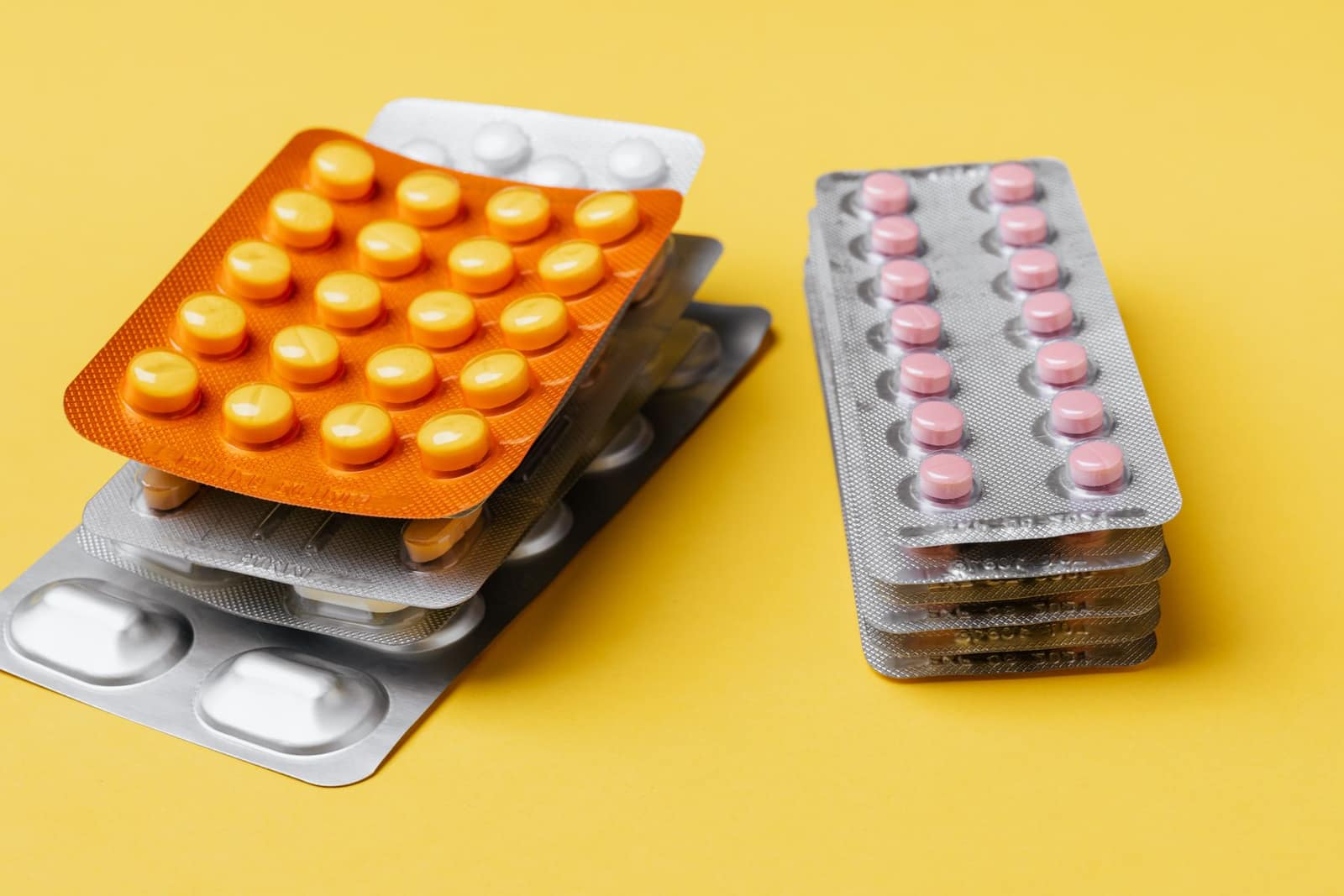 Free to exportPharma & chemicalsGeneric medicines (formulations)Tablets, capsules and injectables; every market needs product registration. The USA buys the most.HS3004Exports 2025-26US$ 21.9 bn ↓0.7%
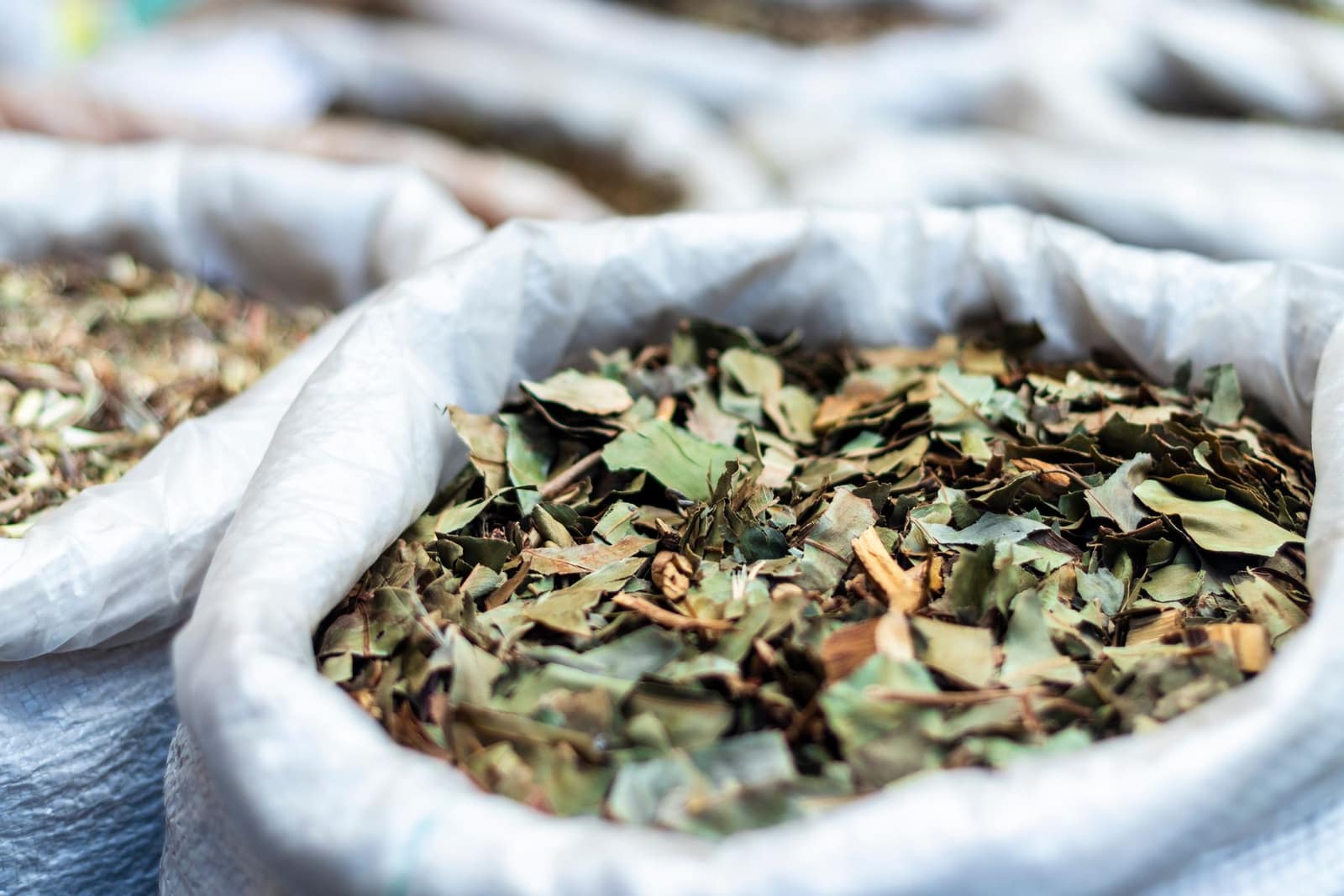 Free, with conditionsPharma & chemicalsAyurvedic and herbal productsAyurvedic medicines, supplements and herbal cosmetics; register with AYUSHEXCIL and the buyer's regulator.HS3004.90Exports 2025-26US$ 176 mn ↑7.1%
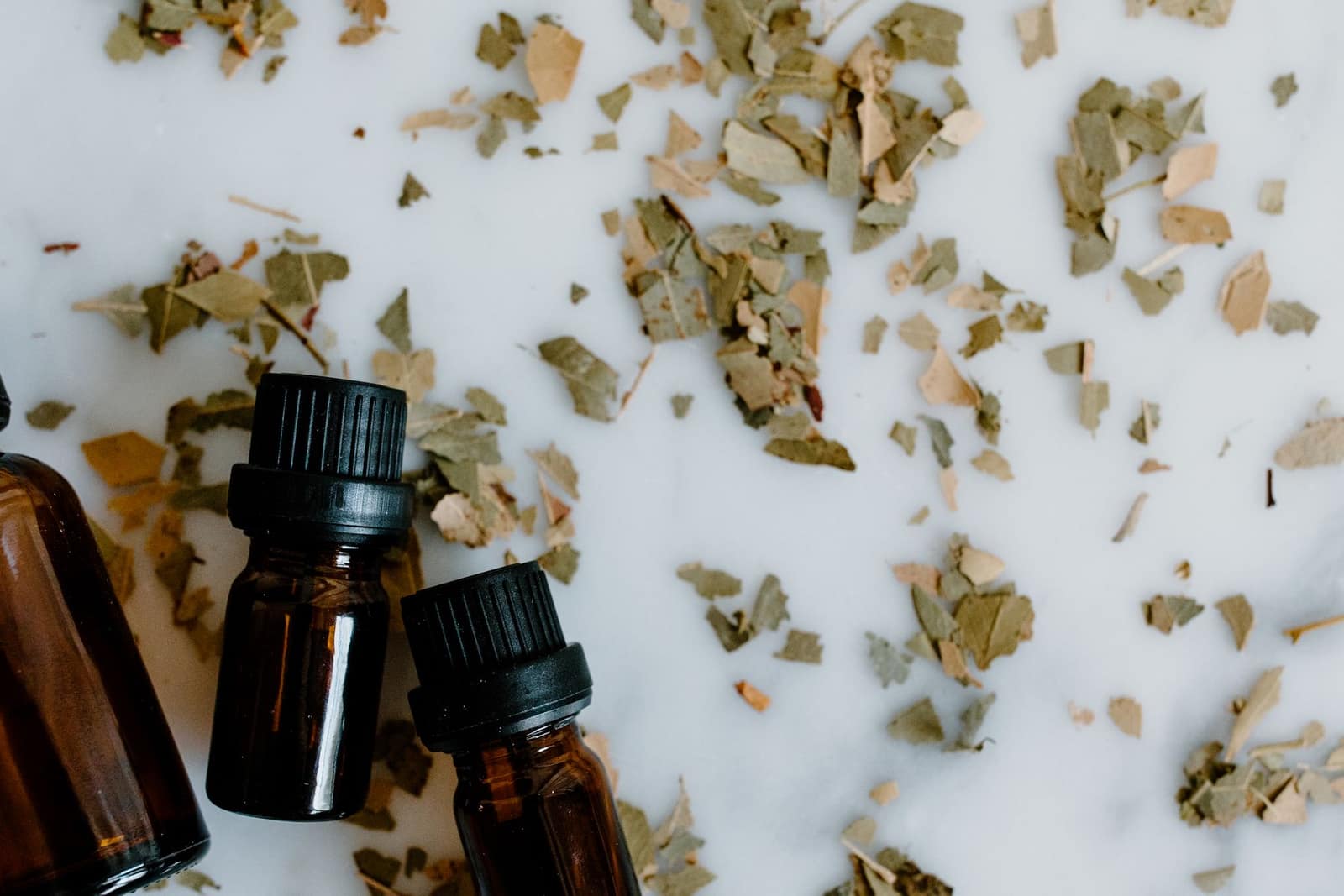 Free, with conditionsPharma & chemicalsEssential oilsMint, lemongrass, vetiver and other oils for flavour, fragrance and aromatherapy buyers; the USA leads.HS3301Exports 2025-26US$ 899 mn ↓3.3%
 Free to exportPharma & chemicalsSpice oils and oleoresinsConcentrated flavour and colour extracts for food, nutraceutical and pharma makers. India is the world leader; the USA is the biggest buyer.HS3301.90Exports 2025-26US$ 543 mn ↓1.4%