

Pharma & chemicals
Export herbal and plant extracts
Standardised botanical extracts for supplements, cosmetics and pharma. Free to export, but extracts of prohibited wild plants are not.
- HS code
- 1302.19 Vegetable saps and extracts other than opium, liquorice, hops and ephedra: extracts of ashwagandha, neem, gymnema, garcinia, ginseng and many other plants.
- Export policy
- Free, with conditions Free in general, but plants, plant portions and their derivatives and extracts obtained from the wild of the species on the prohibited list in Schedule 2 (and species in the Wild Life Act schedules or CITES Appendix I) may not be exported, except as value-added formulations. Cultivated material needs a certificate of cultivation. Confirm your plant on DGFT.
- Registrations
- 4 IEC, GST and those below
- India’s exports, 2025-26
- US$ 684 mn to 105 countries
What is exported
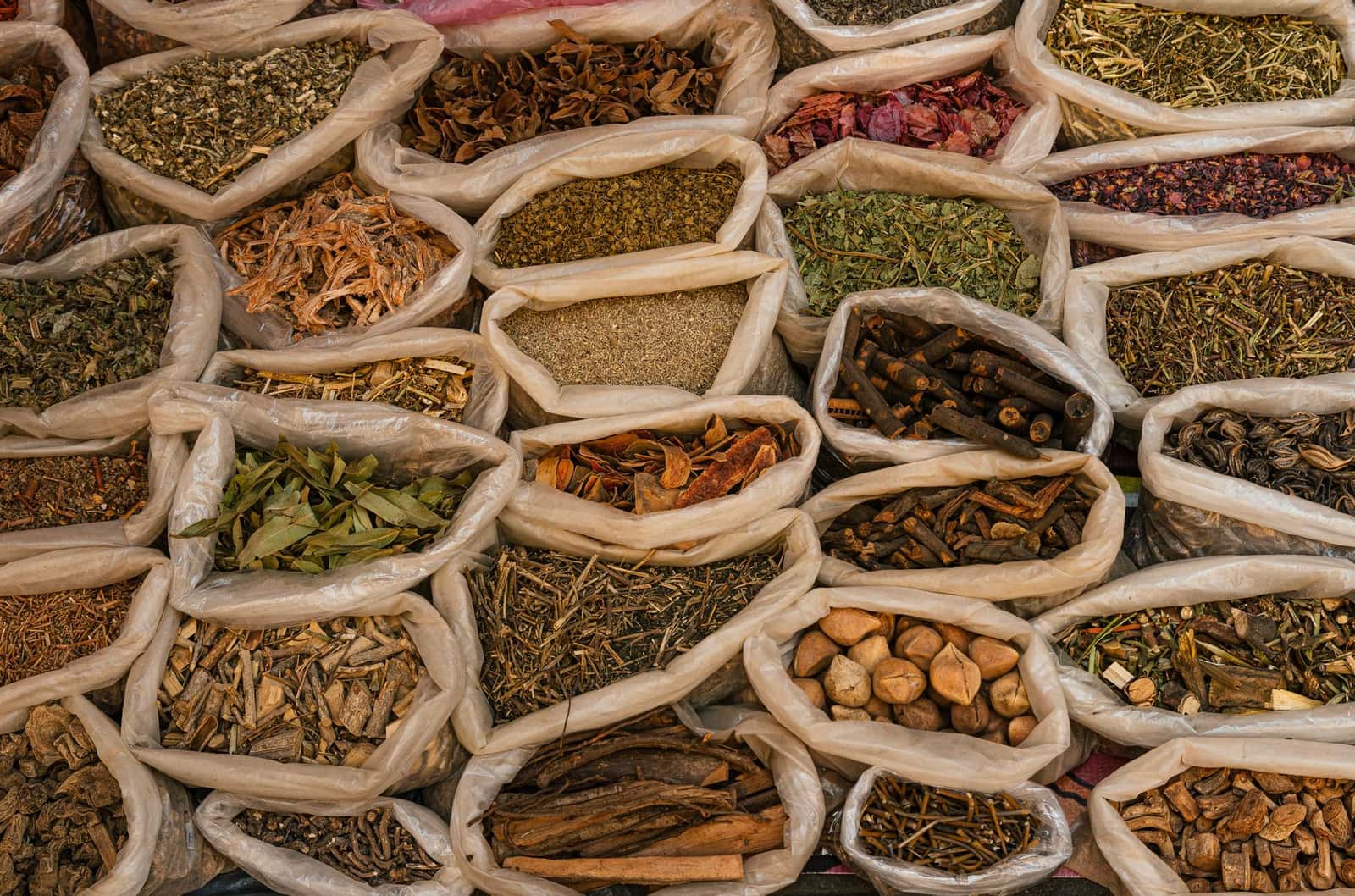
Indian extraction plants in Karnataka, Gujarat, Kerala, Telangana and Madhya Pradesh make standardised extracts of Ayurvedic and other herbs — ashwagandha, turmeric, boswellia, garcinia, gymnema, bacopa, moringa and more. Buyers are supplement brands, contract manufacturers and cosmetic and pharma companies in the USA, Europe and Asia. Quality, documentation and traceability matter more than price.
Varieties, grades and forms
- Standardised extractsAshwagandha (withanolides), boswellia (boswellic acids), garcinia (HCA), gymnema and bacopa.
- Full-spectrum and ratio extractsFor example 10:1 extracts of moringa, tulsi and amla.
- Neem and other agricultural extractsUsed in bio-pesticides and personal care.
- Organic extractsFrom NPOP-certified organic herbs, at a premium.
Where it is grown or made
- KarnatakaBengaluru, Mysuru and Tumakuru extraction plants.
- Gujarat and MaharashtraVadodara, Ahmedabad and Mumbai–Pune.
- Kerala and Tamil NaduKochi and Coimbatore — spice and botanical extractors.
- Madhya Pradesh and TelanganaAshwagandha belt of Neemuch–Mandsaur; Hyderabad plants.
The quality buyers ask for
- Marker assay
- Stated percentage of active marker by HPLC (e.g. withanolides 2.5–5%, curcuminoids 95%)
- Extraction solvent and ratio
- Water, ethanol or other solvent declared; residual solvents within ICH limits
- Heavy metals and pesticides
- Lead, cadmium, arsenic, mercury and pesticide residues within US/EU limits
- Microbiology
- Total plate count, yeast and mould within limits; pathogens absent
Certificates
- RCMCRequiredRegistration with the export promotion council or board for your product (not needed up to ₹3 lakh FOB per consignment since 15 Sep 2026).
- GMP / WHO-GMPOften askedGood manufacturing practice for the extraction plant, expected by supplement and pharma buyers.
- FSSAIRequiredCentral food licence for the processing and packing premises (FoSCoS).
- US FDA food facility registrationOften askedRequired for any plant that makes, packs or holds food for the USA.
- Organic (NPOP / USDA NOP / EU)Often askedNeeded only if you sell as organic; certify through an accredited body.
- KosherOften askedAsked for by many US ingredient buyers.
- HalalOften askedAsked for by Gulf, Malaysian and Indonesian buyers.
Shipping, storage and shelf life
Drums of 25 kg; small lots by air, larger lots by LCL or a 20-ft container.
Air from Bengaluru, Mumbai, Hyderabad and Ahmedabad; sea from Chennai, Nhava Sheva and Mundra.
Cool, dry place away from light; some extracts need refrigeration.
Typically 2–3 years from manufacture, as stated on the certificate of analysis.
What goes on the pack and carton
- Drums: product name with botanical name and plant part, assay, batch, manufacture and retest/expiry dates, net weight, storage conditions and manufacturer.
- Every carton or bag: product, grade, lot or batch number, net and gross weight, exporter name and “Made in India” / “Product of India”, matching the invoice and packing list.
Use NABL-accredited labs with herbal and pesticide testing in scope (nabl-india.org); Ayush-approved drug testing labs test herbal products (ayush.gov.in). Buyers may also ask for third-party testing by a lab they name.
Benefits of exporting this product
- RoDTEP: 1% of FOB
Tariff item 1302 19 19 (other vegetable extracts) earns 1% of FOB value, with no rupee cap, as a duty credit scrip on ICEGATE (Appendix 4R). Some extracts have their own lines: gymnema (1302 19 17) 2.5% capped at ₹104 per kg, garcinia (1302 19 18) 1.4%, neem (1302 19 16) and others 0.5%. Rates continue to 31 Dec 2026 (DGFT Notification 41/2026-27). Confirm your exact 8-digit line on DGFT before pricing an order.
DGFT — Appendix 4R, RoDTEP schedule for DTA exports w.e.f. 10 Oct 2024 (Notification 32/2024-25) ↗
Where to register
- SHEFEXILRCMC from the Shellac & Forest Products Export Promotion Council, which covers lac, guar gum, herbs, vegetable saps and extracts, and minor forest produce under Appendix 2T.shellacepc.com ↗
- Pharmexcil / AYUSHEXCILIf you sell herbal medicines or Ayurvedic products rather than plain extracts, the RCMC comes from Pharmexcil or AYUSHEXCIL under Appendix 2T.pharmexcil.com ↗
Quality and checks
- Certificate of analysis for marker compounds (for example withanolides, curcuminoids, boswellic acids) by HPLC, plus solvent residues.
- Heavy metals, pesticide residues, microbiology and, for the EU, ethylene oxide and pyrrolizidine alkaloids.
- Regulatory status in the destination: US dietary supplement rules (DSHEA, cGMP), EU novel food or traditional herbal rules.
Pick two or three extracts from cultivated herbs (ashwagandha, moringa, turmeric) and partner with a GMP-certified extraction plant. Send samples with full analysis to ingredient distributors in the USA or EU, and start with drums sent by air or LCL sea freight. Since 15 September 2026, a consignment worth up to ₹3 lakh FOB does not need an RCMC (DGFT Notification 36/2026-27). Registrations that a law requires for the product still apply.
Where new exporters go wrong
- Exporting an extract of a wild-collected prohibited species — shipments are seized.
- Marker content lower in the buyer’s lab than on your certificate, because methods differ; agree the test method in the contract.
- Making health claims on labels or sales material that the destination does not allow.
Documents this product needs
Schemes that apply
Sources (6)
- DGFT — ITC(HS) export policy search (Schedule 2)
- DGFT — How to read the ITC(HS) export policy (Schedule 2)
- SHEFEXIL — Shellac & Forest Products Export Promotion Council
- Pharmexcil — official site
- DGFT — Appendix 4R, RoDTEP schedule for DTA exports w.e.f. 10 Oct 2024 (Notification 32/2024-25)
- US FDA — Dietary supplements
Trade data
Indian herbal and plant extracts exports in numbers
From the Department of Commerce’s TradeStat, country by country. US$, Indian financial years (April–March).
- Exports in 2025-26
- US$ 684 mn +13.2% a year on average, 2020-21 to 2025-26
- Change from 2024-25
- ↑ +17.9% US$ 580 mn → US$ 684 mn
- Buyer countries
- 105
- Average export price
- US$ 13.36 per kg · 51,169 tonnes shipped · US$ 31.59 the year before
The price cycle
India’s average export price per kg each year (total value ÷ total quantity). Highest in 2020-21, lowest in 2025-26 — a 164% swing between them. Keep this swing in mind when you quote.
What next: a projection from the trend
The past trend carried forward — not a forecast by any authority. Sudden changes in policy, prices or demand are not in it.
Likely range US$ 707 mn to US$ 910 mn.
- Trend
- +11.8% a year
- Fit (R²)
- 0.89
- Based on
- 6 years of official figures
Method: a straight line through the logarithm of yearly exports (log-linear regression); range = ±1 standard error.
Biggest buyer countries
By value in 2025-26. Change is against 2024-25.
Where demand is rising and falling
Only countries that buy at least US$ 1 million or 1% of India’s exports of this product. Change from 2024-25 to 2025-26.
↑ High demand
- Sri LankaUS$ 1.8 mn → US$ 47.5 mn↑+2,482.6%
- VietnamUS$ 1.7 mn → US$ 16.9 mn↑+919.9%
- CanadaUS$ 3.6 mn → US$ 35.6 mn↑+881.5%
- IrelandUS$ 5.5 mn → US$ 16.8 mn↑+207.5%
- NetherlandsUS$ 5.4 mn → US$ 9.2 mn↑+68.7%
- GermanyUS$ 26.3 mn → US$ 40.5 mn↑+54.1%
- SpainUS$ 8.9 mn → US$ 12.2 mn↑+37.4%
- FranceUS$ 9.1 mn → US$ 12.3 mn↑+35.8%
↓ Low demand
- United States of AmericaUS$ 320 mn → US$ 271 mn↓-15.2%
Which forms sell, and at what price
India’s exports by 8-digit tariff line, 2025-26. Average price = total value ÷ total quantity (TradeStat): the average of every shipment on that line, not the price of any one deal.
| Tariff line | Value 2025-26 | Change | Quantity | Average price |
|---|---|---|---|---|
Vegetable saps and extracts in item no. 1302.1 — other extracts1302 19 19 | US$ 549 mn | ↑+6.1% | 9,883 tonnes | US$ 55.52 per kgwas US$ 61.61 |
Others, derived from vegetble prodcts1302 19 90 · Vegetable saps and extracts in item no. 1302.1 | US$ 85.3 mn | ↑+134.4% | 1,798 tonnes | US$ 47.46 per kgwas US$ 56.51 |
Cnsl (cardanol) purified and distilled1302 19 30 · Vegetable saps and extracts in item no. 1302.1 | US$ 24.5 mn | ↑+283.1% | 34,602 tonnes | US$ 0.71 per kgwas US$ 0.85 |
Vegetable saps and extracts in item no. 1302.1 — extracts, neem1302 19 16 | US$ 12.4 mn | ↑+59.9% | 49 tonnes | US$ 254.74 per kgwas US$ 270.20 |
Vegetable saps and extracts in item no. 1302.1 — cambodge extract1302 19 18 | US$ 8.4 mn | ↓-2.8% | 673 tonnes | US$ 12.52 per kgwas US$ 12.29 |
Cashew shell liquid (cnsl)1302 19 20 · Vegetable saps and extracts in item no. 1302.1 | US$ 2.2 mn | ↑+180% | 4,047 tonnes | US$ 0.55 per kgwas US$ 0.82 |
Vegetable saps and extracts in item no. 1302.1 — gymnema extract,1302 19 17 | US$ 1.8 mn | ↓-12.7% | 88 tonnes | US$ 20.46 per kgwas US$ 28.22 |
Ginseng extract includinguding powder1302 19 14 · Vegetable saps and extracts in item no. 1302.1 | US$ 230k | ↑+21.1% | 7.2 tonnes | US$ 31.75 per kgwas US$ 31.45 |
Vegetable saps and extracts in item no. 1302.1 — extracts belladona1302 19 11 | US$ 190k | ↓-26.9% | 22 tonnes | US$ 8.62 per kgwas US$ 61.73 |
Vegetable saps and extracts in item no. 1302.1 — agar0se1302 19 15 | US$ 20k | ↑0% | 0.4 tonnes | US$ 45.87 per kgwas US$ 120.48 |
The world market
Each country’s own recorded exports and imports in UN Comtrade, 2023 (the latest year nearly every country has reported).
- World imports
- US$ 3.6 bn 2023
- India among exporters
- #2 of 125 countries
- India’s share of world exports
- 11.2% US$ 439 mn
- Left for others to win
- US$ 3.48 bn exported by other countries
Top exporters — your competitors
- 1ChinaUS$ 1.52 bn 38.9%
- 2IndiaUS$ 439 mn 11.2%
- 3FranceUS$ 321 mn 8.2%
- 4USAUS$ 254 mn 6.5%
- 5SpainUS$ 247 mn 6.3%
- 6GermanyUS$ 202 mn 5.2%
- 7ItalyUS$ 125 mn 3.2%
- 8Viet NamUS$ 84.3 mn 2.2%
- 9NetherlandsUS$ 65.3 mn 1.7%
- 10SwitzerlandUS$ 59.8 mn 1.5%
Biggest buyers in the world
- 1USAUS$ 928 mn 25.8%
- 2GermanyUS$ 272 mn 7.5%
- 3Rep. of KoreaUS$ 245 mn 6.8%
- 4ItalyUS$ 157 mn 4.3%
- 5China, Hong Kong SARUS$ 154 mn 4.3%
- 6FranceUS$ 138 mn 3.8%
- 7NetherlandsUS$ 137 mn 3.8%
- 8SpainUS$ 131 mn 3.6%
- 9JapanUS$ 116 mn 3.2%
- 10ChinaUS$ 111 mn 3.1%
Opportunity: what these countries buy from the world, and from India
Each country’s own recorded imports in UN Comtrade, latest year it has reported. The long light part of each bar is demand other countries are filling today.
TradeStat’s 2023-24 quantities are double-counted, so that year is left out of the price. Sources: TradeStat — Export Import Data Bank, Department of Commerce · UN Comtrade database (United Nations Statistics Division) · Figures taken 29 October 2026.
Step by step
How to export herbal and plant extracts
China leads the world trade in plant extracts, with India, the USA and Europe as other major suppliers. India’s strength is Ayurvedic botanicals — ashwagandha, turmeric, boswellia and others — backed by a large herb-growing base and extraction capacity. Demand comes from dietary supplements, functional foods, cosmetics and pharma, and grows with interest in natural products. Buyers reward documented quality, traceability to farms and clean test results over low price.
- 01Check the plant’s status
Confirm the species is not on the prohibited list and use cultivated material with a certificate of cultivation.
- 02Check the buyer’s regulation
Check whether the extract is allowed as a supplement or food ingredient in the destination.
- 03Source and extract
Buy traceable raw herbs, test them, then extract and standardise under GMP.
- 04Test and document
Issue a certificate of analysis, specification sheet and safety data; send pre-shipment samples.
- 05Book, stuff and file the shipping bill
Book the container, stuff it at the factory or a CFS, file the shipping bill on ICEGATE with the correct 8-digit code and the RoDTEP/RoSCTL declaration, and get the bill of lading.
- 06Get paid and close the file
Send the original documents through your bank (or to the buyer if paid in advance). Once the money arrives, get the e-BRC and claim RoDTEP, RoSCTL or drawback where they apply.
Meet buyers
Trade fairs
- OctoberSupplySide GlobalLas Vegassupplysideglobal.com ↗
- MayVitafoods EuropeBarcelonavitafoods.eu.com ↗
- October or NovemberCPHI WorldwideEurope (city changes)cphi.com ↗
- Aprilin-cosmetics GlobalEurope (city changes)in-cosmetics.com ↗
- Late November or early DecemberFood ingredients Europe (Fi Europe)Frankfurt or Paris (alternates)figlobal.com ↗
Questions
Questions about exporting herbal and plant extracts
Can I export any herbal extract?
Which council should I join?
Do I need FDA approval for the USA?
Why do buyers reject extracts?
What RoDTEP applies?
Sources (6)
- DGFT — ITC(HS) export policy search (Schedule 2)
- DGFT — How to read the ITC(HS) export policy (Schedule 2)
- SHEFEXIL — Shellac & Forest Products Export Promotion Council
- Pharmexcil — official site
- US FDA — Dietary supplements
- DGFT — Appendix 4R, RoDTEP schedule for DTA exports w.e.f. 10 Oct 2024 (Notification 32/2024-25)
Who buys Indian herbal and plant extracts
All countries → USDWashington, D.C.United States of AmericaIndia's largest single-country export market. Strict FDA rules for food; extra 10% US duty on most goods since July 2026.From India 2025-26US$ 87.3 bn
 EURBerlinGermanyEurope's largest economy and India's biggest EU partner. Values quality, certificates and supply-chain transparency.From India 2025-26US$ 11.5 bn
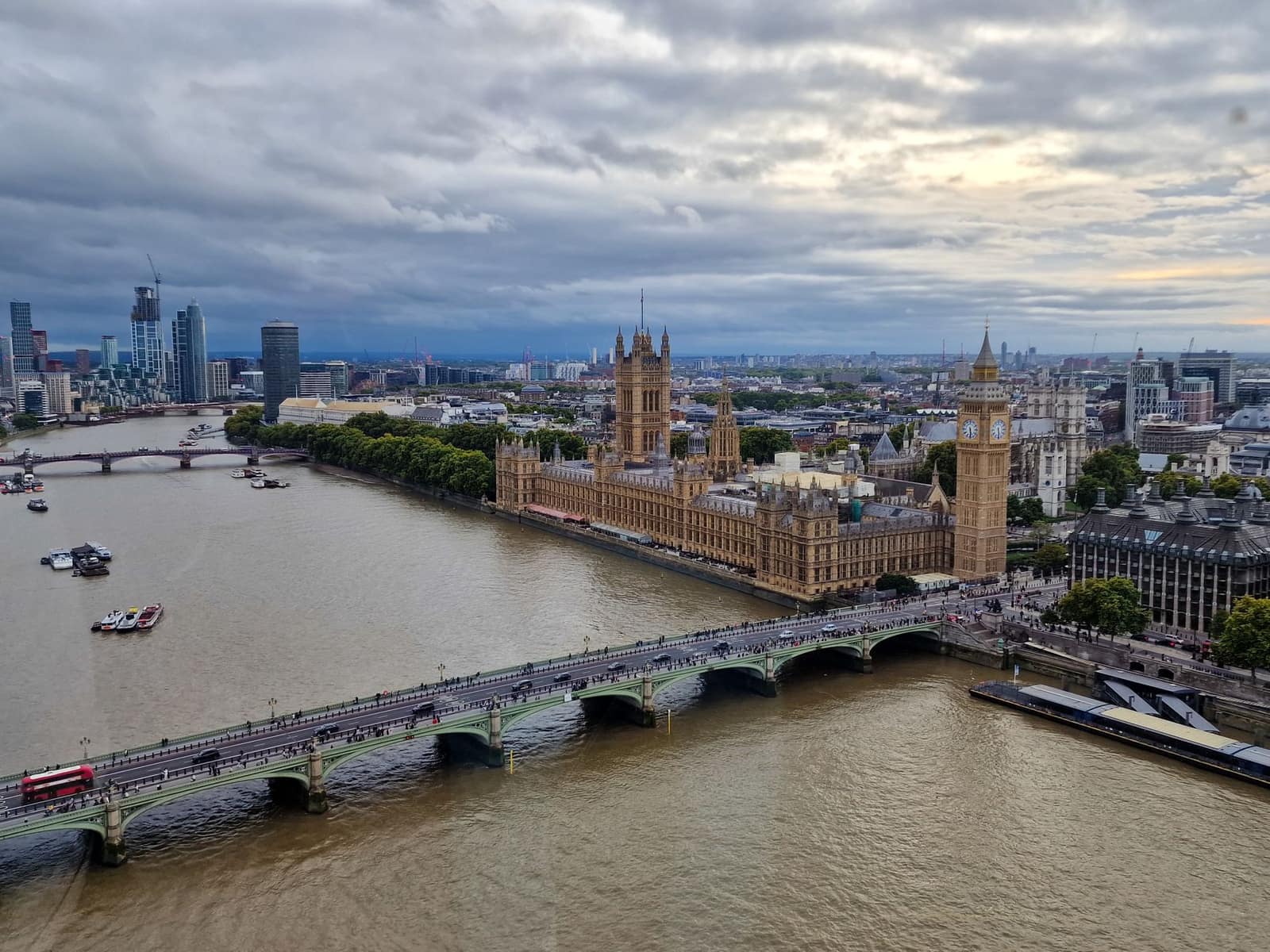 CETAGBPLondonUnited KingdomNew CETA in force since July 2026 — most Indian goods now enter duty-free. Strong market for garments, food and engineering.From India 2025-26US$ 13.4 bn
 CEPAJPYTokyoJapanHigh-value, quality-obsessed market. Buys shrimp, chemicals, auto parts and garments; strict food-sanitation checks.From India 2025-26US$ 6.04 bn
 CEPAKRWSeoulSouth KoreaIndustrial buyer of Indian naphtha, metals, chemicals and yarn. Food plants must register with MFDS first.From India 2025-26US$ 6.01 bn
More in pharma & chemicals
All products →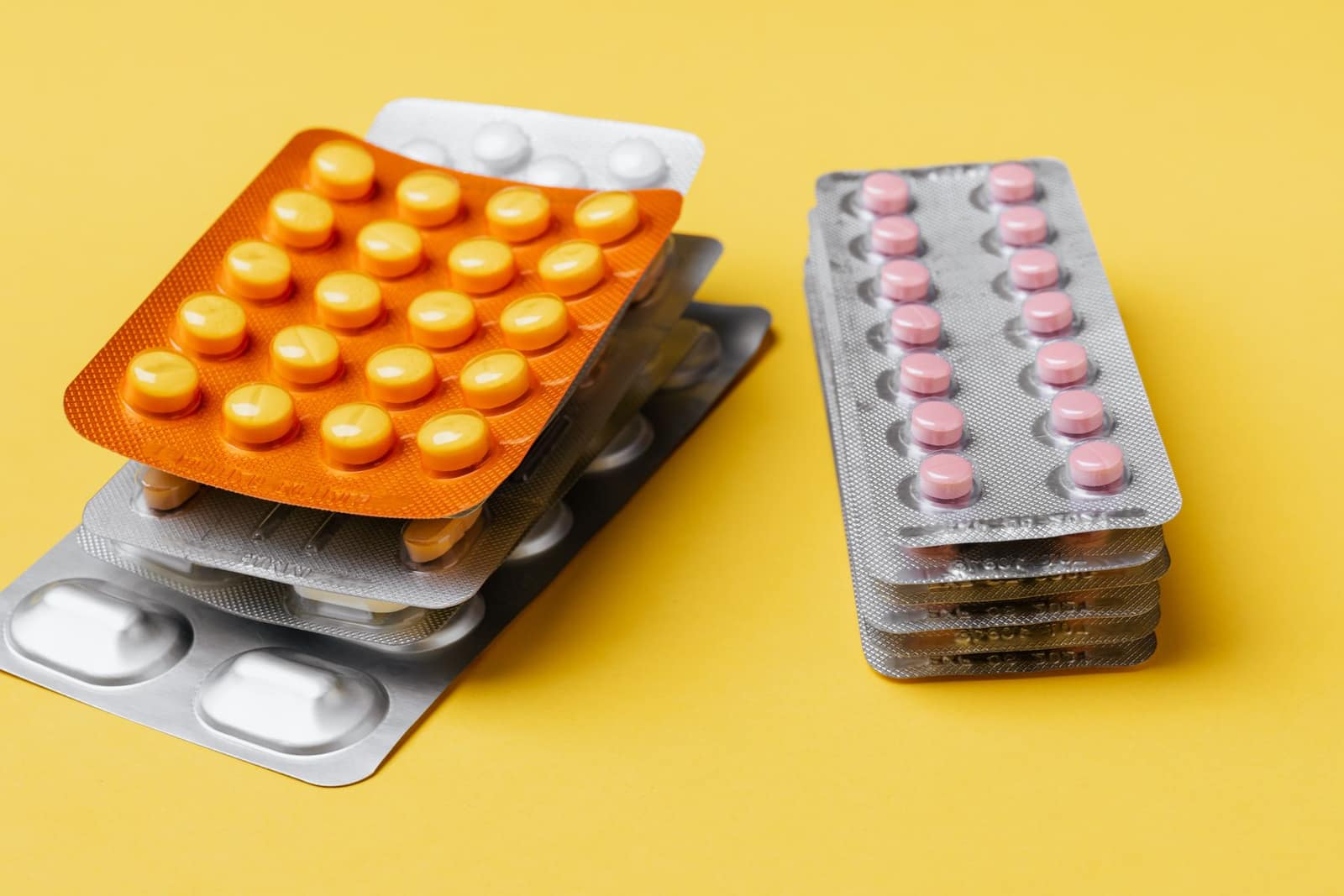 Free to exportPharma & chemicalsGeneric medicines (formulations)Tablets, capsules and injectables; every market needs product registration. The USA buys the most.HS3004Exports 2025-26US$ 21.9 bn ↓0.7%
 Free, with conditionsPharma & chemicalsAyurvedic and herbal productsAyurvedic medicines, supplements and herbal cosmetics; register with AYUSHEXCIL and the buyer's regulator.HS3004.90Exports 2025-26US$ 176 mn ↑7.1%
 Free, with conditionsPharma & chemicalsEssential oilsMint, lemongrass, vetiver and other oils for flavour, fragrance and aromatherapy buyers; the USA leads.HS3301Exports 2025-26US$ 899 mn ↓3.3%
 Free to exportPharma & chemicalsSpice oils and oleoresinsConcentrated flavour and colour extracts for food, nutraceutical and pharma makers. India is the world leader; the USA is the biggest buyer.HS3301.90Exports 2025-26US$ 543 mn ↓1.4%