

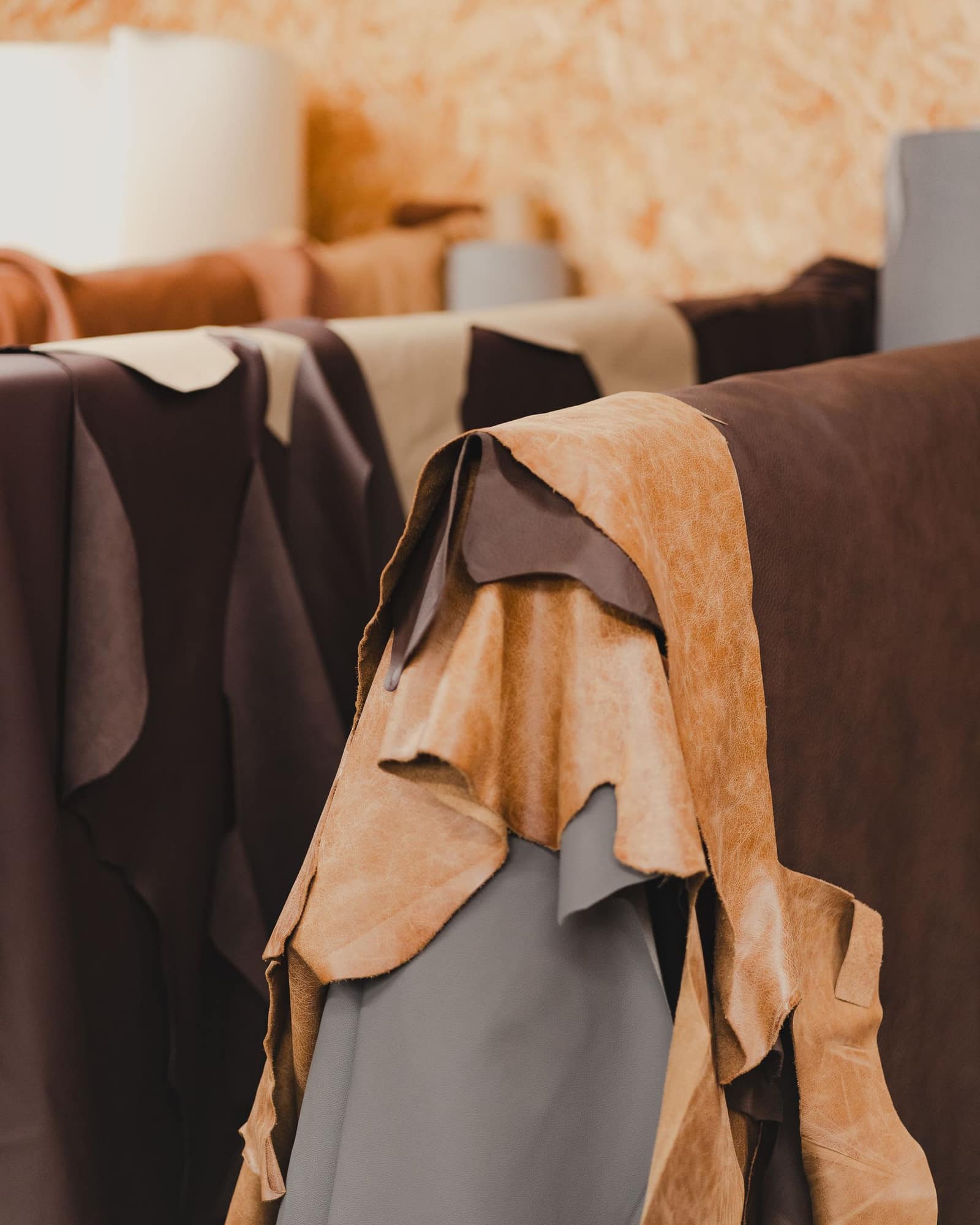
Leather & footwear
Export finished leather
Finished hides and skins for shoe, bag and glove factories abroad; Vietnam, Italy and China buy most.
- HS code
- 4107 Leather of cattle and buffalo, further prepared after tanning or crusting (HS 4107). Sheep and lamb leather is HS 4112; tanned or crust goat and sheep skins are HS 4106.
- Export policy
- Free, with conditions Finished leather of cattle, buffalo, goat and sheep is free to export. Hides, skins and leather of wild animals are prohibited, and raw or semi-processed hides can carry export duty — check the ITC(HS) line on DGFT and the export tariff on CBIC.
- Registrations
- 4 IEC, GST and those below
- India’s exports, 2025-26
- US$ 314 mn to 73 countries
What is exported
Tanneries in Tamil Nadu, Kolkata and Kanpur sell finished cow, buffalo, goat and sheep leather to footwear and leather-goods factories. It is a business-to-business trade, priced per square foot by grade and thickness. In 2025-26 India exported about US$ 242 million under HS 4107 and US$ 57 million under HS 4112; Vietnam, Italy, China and Indonesia were the main buyers (Commerce Department data).

Varieties, grades and forms
- Finished cow and buffalo leather (HS 4107)Full-grain, corrected-grain and nubuck for shoe uppers, bags and upholstery — the largest line.
- Finished goat and kid leatherSoft, fine-grained leather for gloves, shoes and garments; a traditional strength of Tamil Nadu.
- Finished sheep and lamb leather (HS 4112)Light leather for garments, gloves and linings.
- Crust leather of goat and sheep (HS 4106)Tanned and dried but not finished; sold to tanneries abroad that do their own finishing.
- Lining leather and vegetable-tanned leatherThin lining leather for shoes and bags; vegetable-tanned (East India) leather for craft and premium goods.
Where it is grown or made
- Tamil NaduRanipet, Vellore, Ambur, Vaniyambadi, Pernambut, Dindigul, Erode and Chennai (Pallavaram)
- West BengalKolkata Leather Complex, Bantala
- Uttar PradeshKanpur and Unnao (buffalo and cow leather)
- PunjabJalandhar
The quality buyers ask for
- Thickness (substance)
- Stated in mm with a tolerance (for example 1.2–1.4 mm), measured to ISO 2589
- Area and grading
- Sold by square foot; graded A/B/C (or TR, 1–4) by the share of usable, defect-free area
- Chromium VI
- Below 3 mg/kg in leather that touches the skin (EU REACH Annex XVII), tested by EN ISO 17075
- Physical properties
- Tensile and tear strength, flex resistance (for uppers), colour fastness to rubbing (ISO 11640), finish adhesion
- Restricted substances
- Azo amines, PCP, formaldehyde and the brand's restricted substances list (RSL)
Certificates
- Chemical test report (Cr VI, azo, RSL)RequiredAsked for on almost every order to the EU and the USA.
- Leather Working Group (LWG) ratingOften askedEnvironmental audit of the tannery; many footwear brands buy only from LWG-rated tanneries.
- Pollution control consent (CTO)RequiredTanneries need a valid consent to operate from the State Pollution Control Board and must be linked to a common effluent treatment plant or have their own.
- EUDR due-diligence dataOften askedFor cattle leather going to the EU: origin of hides and geolocation data, once the regulation applies.
- ISO 14001Often askedEnvironmental management system; helps in brand audits.
Shipping, storage and shelf life
Rolled or flat bundles on pallets; a 20-ft container typically holds about 40,000–60,000 sq ft depending on thickness (trade practice).
Sea from Chennai, Kolkata or Nhava Sheva; air for samples and urgent colour lots.
Cool, dry and dark; finished leather moulds in humidity and can fade in sunlight.
What goes on the pack and carton
- Bundle tag: article name, animal, colour, thickness, grade, lot number and area in sq ft.
- Country of origin ('Made in India') on the product or its packing, as the buyer's customs require.
- Invoice description must match the HS code (4106, 4107 or 4112) — crust and finished leather have different codes and benefits.
CSIR-Central Leather Research Institute (CLRI), Chennai, tests leather for chemical and physical properties and has regional centres in Kolkata, Kanpur and Jalandhar. FDDI runs NABL-accredited leather and footwear labs. For other labs, search 'leather' in the NABL directory.
Benefits of exporting this product
- RoDTEP: 1.3% of FOB
Tariff item 4107 11 00 (full-grain, unsplit finished leather of bovine animals) earns 1.3% of FOB value, with no rupee cap, as a duty credit scrip on ICEGATE. All HS 4107 lines and HS 4112 carry 1.3%; crust leather of goat and sheep (HS 4106) carries 0.5%. These rates continue to 31 Dec 2026 (DGFT Notification 41/2026-27). Confirm your exact 8-digit line on the DGFT RoDTEP page before you price an order.
DGFT — Appendix 4R, RoDTEP schedule for DTA exports w.e.f. 10.10.2024 (Notification 32/2024-25); rates continued to 31.12.2026 by Notification 41/2026-27 ↗ - Duty drawback: 5.5% of FOB
Drawback item 410701 (finished leather of bovine animals) has an All Industry Rate of 5.5% of FOB, capped at ₹11.8 per square foot, paid into your bank account. It is not available on exports under Advance Authorisation or from EOU/SEZ units. Finished sheep/lamb leather (411201) and goat/kid leather (411301) also get 5.5%, capped at ₹11.8 per square foot; lining leather gets 4.0%, capped at ₹5.5; crust leather (410602) gets 1.5%. Check the current schedule on the CBIC drawback page before shipping.
Gazette of India — Notification 77/2023-Customs (N.T.) dated 20.10.2023: All Industry Rates of duty drawback ↗ - Registered GI tags
East India Leather (Tamil Nadu) are registered Geographical Indications. Only registered producers and authorised users may sell under these names, which helps genuine makers stand out and fetch a better price. It covers the traditional vegetable-tanned leather of Tamil Nadu.
IP India (Geographical Indications Registry) — Registration details of Geographical Indications ↗ - Zero duty into the UK (CETA)
The India-UK CETA came into force on 15 July 2026 and gives zero-duty access to nearly 99% of India's exports; the Commerce Ministry named leather among the sectors that gain. Claim it with a CETA certificate of origin and check the line for your code on the UK Trade Tariff.
PIB — India-UK CETA enters into force (15 Jul 2026): textiles, leather, gems and jewellery and engineering goods among the gainers ↗
Where to register
- CLE (Council for Leather Exports)RCMC for finished leather and other leather products.leatherindia.org ↗
- State Pollution Control BoardConsent to operate for the tannery, linked to a common or own effluent treatment plant.cpcb.nic.in ↗
Quality and checks
- EU REACH limits chromium VI in leather that touches the skin to below 3 mg/kg; buyers ask for lab reports on every lot.
- Many footwear brands buy only from tanneries rated by the Leather Working Group (LWG).
- EU: cattle leather is covered by the EU Deforestation Regulation; be ready to share the origin of hides.
- Area is measured by machine; agree the measuring method and tolerance in the contract.
If you are not a tannery, start as a merchant exporter: pick one article (for example cow finished leather for shoe uppers), source from LWG-rated tanneries with test reports, join CLE and meet shoe-factory buyers at IILF Chennai or Lineapelle.
Where new exporters go wrong
- Chromium VI failures in the buyer's lab — the whole lot can be rejected.
- Disputes over grade mix and measured area.
- Mould in sea transit when leather is packed damp.
Documents this product needs
Schemes that apply
- RoDTEP Remission of Duties and Taxes on Exported Products
- Drawback Duty Drawback (All Industry Rates)
- Advance Authorisation Advance Authorisation
- EPCG Export Promotion Capital Goods Scheme
- ECGC ECGC export credit insurance for small exporters
- LUT Letter of Undertaking for zero-rated exports under GST
- MAI / MAS Market Access Initiative (now Market Access Support under EPM)
Sources (7)
- Department of Commerce, Export Import Data Bank — India's exports of HS 4107 and 4112 by country, 2025-26
- DGFT — Appendix 2T: Export Promotion Councils and the products under each
- DGFT — ITC(HS) export policy search (Schedule 2)
- ECHA — substances restricted under REACH (Annex XVII)
- Leather Working Group — environmental certification for leather manufacturers
- European Commission — Regulation on deforestation-free products (EUDR)
- CLE (Council for Leather Exports) — official site
Trade data
Indian finished leather exports in numbers
From the Department of Commerce’s TradeStat, country by country. US$, Indian financial years (April–March).
- Exports in 2025-26
- US$ 314 mn -0.3% a year on average, 2020-21 to 2025-26
- Change from 2024-25
- ↓ -13.7% US$ 364 mn → US$ 314 mn
- Buyer countries
- 73
- Average export price
- US$ 9.58 per kg · 32,763 tonnes shipped · US$ 9.51 the year before
The price cycle
India’s average export price per kg each year (total value ÷ total quantity). Highest in 2020-21, lowest in 2024-25 — a 43% swing between them. Keep this swing in mind when you quote.
What next: a projection from the trend
The past trend carried forward — not a forecast by any authority. Sudden changes in policy, prices or demand are not in it.
Likely range US$ 301 mn to US$ 387 mn.
- Trend
- -0.3% a year
- Fit (R²)
- 0 — weak, read with care
- Based on
- 6 years of official figures
Method: a straight line through the logarithm of yearly exports (log-linear regression); range = ±1 standard error.
Biggest buyer countries
By value in 2025-26. Change is against 2024-25.
Where demand is rising and falling
Only countries that buy at least US$ 1 million or 1% of India’s exports of this product. Change from 2024-25 to 2025-26.
↑ High demand
↓ Low demand
- Hong KongUS$ 29.5 mn → US$ 19.4 mn↓-34.3%
- MyanmarUS$ 3.3 mn → US$ 2.4 mn↓-29%
- ChinaUS$ 38.7 mn → US$ 27.6 mn↓-28.7%
- MalaysiaUS$ 17.4 mn → US$ 12.8 mn↓-26.3%
- South KoreaUS$ 7.4 mn → US$ 5.7 mn↓-22.7%
- United States of AmericaUS$ 6.2 mn → US$ 4.9 mn↓-21.1%
- FranceUS$ 4.2 mn → US$ 3.3 mn↓-20.8%
- GermanyUS$ 7.2 mn → US$ 5.8 mn↓-19.4%
Which forms sell, and at what price
India’s exports by 8-digit tariff line, 2025-26. Average price = total value ÷ total quantity (TradeStat): the average of every shipment on that line, not the price of any one deal.
| Tariff line | Value 2025-26 | Change | Quantity | Average price |
|---|---|---|---|---|
Leather, further prepared after tanning or crusting, including parchment-dressed, of bovine or equine… — other whole hids/skins4107 19 00 | US$ 86.2 mn | ↓-22.4% | 12,088 tonnes | US$ 7.13 per kgwas US$ 7.15 |
Lreather further of bovin full grains- unsplit of whole hides/skins4107 11 00 · Leather, further prepared after tanning or crusting, including parchment-dressed leather, of bovine or… | US$ 74.5 mn | ↓-9.1% | 4,048 tonnes | US$ 18.41 per kgwas US$ 19.44 |
Other/hides/skins includinguding sides4107 99 00 · Leather, further prepared after tanning or crusting, incl. parchment-dressed, of bovine or equine animals… | US$ 63.7 mn | ↓-21.9% | 11,054 tonnes | US$ 5.76 per kgwas US$ 6.17 |
Leather further prepard after taning/crust leather of sheep/lamb without wool w.o.n. split4112 00 00 · Leather, further prepared after tanning or crusting, including parchment dressed leather, of sheep or lamb… | US$ 57.4 mn | ↓-7.4% | 1,819 tonnes | US$ 31.57 per kgwas US$ 31.46 |
Taned/crust hide and skins of goat or kids in dry state (crust)4106 22 00 · Tanned or crust hides and skins, of goats or kids, without hair on, whether or not split, but not further… | US$ 14.2 mn | ↑+67% | 924 tonnes | US$ 15.34 per kgwas US$ 16.22 |
Grain-split of other hides/skins includingudingsides4107 92 00 · Leather, further prepared after tanning or crusting, including parchment-dressed, of bovine or equine… | US$ 11.3 mn | ↓-5.4% | 1,572 tonnes | US$ 7.17 per kgwas US$ 7.82 |
Leatherfuther of bovin grain-split of whole hides/skins4107 12 00 · Leather, further prepared after tanning or crusting, including parchment-dressed leather, of bovine or… | US$ 3.5 mn | ↓-20% | 307 tonnes | US$ 11.35 per kgwas US$ 10.92 |
Full grains-unsplit of other hides/skins includinguding sides4107 91 00 · Leather, further prepared after tanning or crusting, including parchment-dressed, of bovine or equine… | US$ 3.2 mn | ↑+45.9% | 894 tonnes | US$ 3.56 per kgwas US$ 2.67 |
Taned/crust hide and skins of other animals in dry state (crust)4106 92 00 · Tanned or crust hides and skins, of animals other than equine, ovine, bovine, goats or kids, swine and… | US$ 20k | — | 0.3 tonnes | US$ 59.70 per kg |
Taned/crust hide and skins of other animals in wet state includinguding wet-blue4106 91 00 · Tanned or crust hides and skins, of animals other than equine, ovine, bovine, goats or kids, swine and… | US$ 10k | — | 2.8 tonnes | US$ 3.60 per kg |
Taned/crust hide andskins of goat or kids inwet state includinguding wet-blue.4106 21 00 · Tanned or crust hides and skins, of goats or kids, without wool or hair on, whether or not split, but not… | US$ 0 | ↓-100% | 0.2 tonnes | — |
The world market
Each country’s own recorded exports and imports in UN Comtrade, 2023 (the latest year nearly every country has reported).
- World imports
- US$ 7.76 bn 2023
- India among exporters
- #5 of 125 countries
- India’s share of world exports
- 4.4% US$ 359 mn
- Left for others to win
- US$ 7.8 bn exported by other countries
Top exporters — your competitors
- 1ItalyUS$ 2.4 bn 29.5%
- 2ChinaUS$ 661 mn 8.1%
- 3BrazilUS$ 572 mn 7%
- 4ThailandUS$ 455 mn 5.6%
- 5IndiaUS$ 359 mn 4.4%
- 6Viet NamUS$ 323 mn 4%
- 7SpainUS$ 322 mn 3.9%
- 8China, Hong Kong SARUS$ 282 mn 3.5%
- 9GermanyUS$ 275 mn 3.4%
- 10Rep. of KoreaUS$ 244 mn 3%
Biggest buyers in the world
- 1Viet NamUS$ 1.06 bn 13.7%
- 2ChinaUS$ 660 mn 8.5%
- 3ItalyUS$ 536 mn 6.9%
- 4USAUS$ 378 mn 4.9%
- 5FranceUS$ 373 mn 4.8%
- 6IndonesiaUS$ 371 mn 4.8%
- 7China, Hong Kong SARUS$ 298 mn 3.8%
- 8MexicoUS$ 293 mn 3.8%
- 9GermanyUS$ 290 mn 3.7%
- 10RomaniaUS$ 235 mn 3%
Opportunity: what these countries buy from the world, and from India
Each country’s own recorded imports in UN Comtrade, latest year it has reported. The long light part of each bar is demand other countries are filling today.
TradeStat’s 2023-24 quantities are double-counted, so that year is left out of the price. Sources: TradeStat — Export Import Data Bank, Department of Commerce · UN Comtrade database (United Nations Statistics Division) · Figures taken 29 October 2026.
Step by step
How to export finished leather
India has one of the world's largest stocks of cattle, buffalo, goat and sheep and a large tanning industry, mostly in Tamil Nadu, West Bengal and Uttar Pradesh. Much of its finished leather is used at home by footwear and leather-goods makers, and the rest is exported to shoe and bag factories in Vietnam, China, Indonesia and Italy. Italy, Brazil and China are the main competitors. Buyers now ask for tannery environmental certification (LWG), chromium VI test reports and hide traceability, and the EU Deforestation Regulation will cover cattle leather. Openings are in certified finished leather for footwear and in goat and sheep leather for gloves and garments.
- 01Pick the leather type
Decide animal, tannage and finish (for example cow full-grain for shoe uppers) and the buyers that use it.
- 02Join CLE and get an RCMC
Register with the Council for Leather Exports to claim benefits and join fair pavilions.
- 03Send swatches and samples
Send colour swatches and a few hides; agree thickness, grade mix and price per sq ft in writing.
- 04Test before bulk
Get Cr VI, azo and physical tests done on the production lot.
- 05Measure, grade and pack
Measure every piece on a calibrated machine, grade, bundle and tag; add silica gel.
- 06Ship and claim benefits
File the shipping bill on ICEGATE with the correct 8-digit HS code, declare RoDTEP and drawback, and keep the mill or test certificates with the export file.
- 07Get paid safely
Use an LC or documents against payment with new buyers, take ECGC cover for open-account sales, and close the export with an e-BRC once the money arrives.
Questions
Questions about exporting finished leather
Is finished leather free to export?
What is the difference between crust and finished leather?
How is the price quoted?
Do I need LWG certification?
Why do measurement disputes happen?
Sources (8)
- CLE (Council for Leather Exports) — official site
- ECHA — substances restricted under REACH (Annex XVII)
- Leather Working Group — environmental certification for leather manufacturers
- European Commission — Regulation on deforestation-free products (EUDR)
- CSIR-Central Leather Research Institute (CLRI), Chennai
- Footwear Design and Development Institute (FDDI) — testing laboratories
- NABL — search for accredited testing laboratories
- DGFT — ITC(HS) export policy search (Schedule 2)
Who buys Indian finished leather
All countries → AITIGAVNDHanoiVietnamFast-growing manufacturing economy buying raw materials, yarn, steel, chemicals and feed ingredients from India.From India 2025-26US$ 6.67 bn
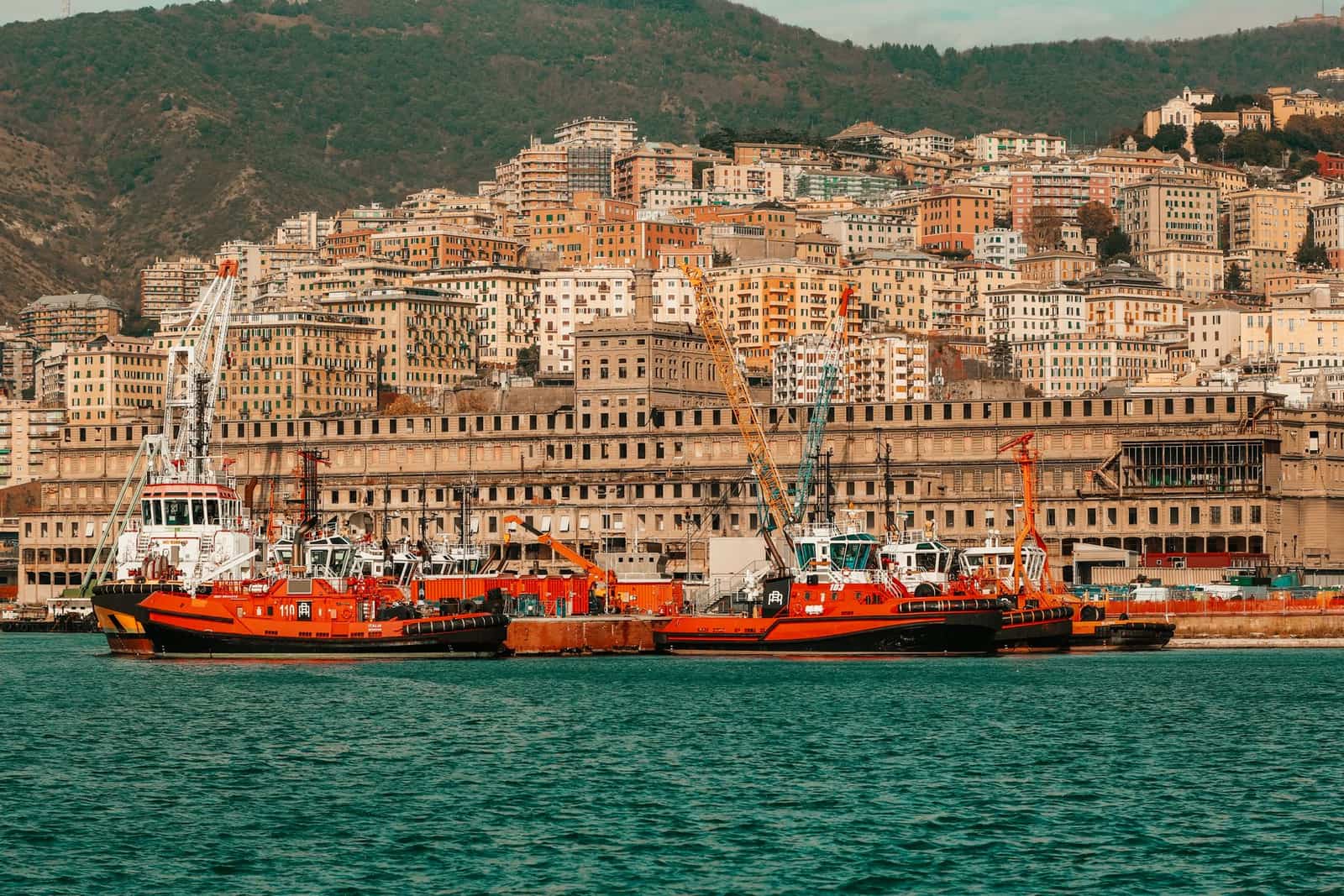 EURRomeItalyManufacturing buyer of Indian leather, yarn, castings, chemicals and seafood. EU rules apply.From India 2025-26US$ 7.79 bn
 APTACNYBeijingChinaHuge market, but mostly for raw materials. Food plants must be registered with GACC; fresh produce needs a protocol.From India 2025-26US$ 19.5 bn
 AITIGAIDRJakartaIndonesiaWorld's fourth most populous country. Buys Indian vehicles, steel, chemicals, groundnuts and meat; halal and BPOM rules for food.From India 2025-26US$ 4.49 bn
 CECAMYRKuala LumpurMalaysiaMulti-ethnic market with a large Indian-origin community. Halal expectations for food; CECA and AITIGA both apply.From India 2025-26US$ 6.83 bn
 SAFTABDTDhakaBangladeshBig neighbour market for cotton, yarn, food and machinery. Mostly LC-based; land and sea routes.From India 2025-26US$ 10.6 bn
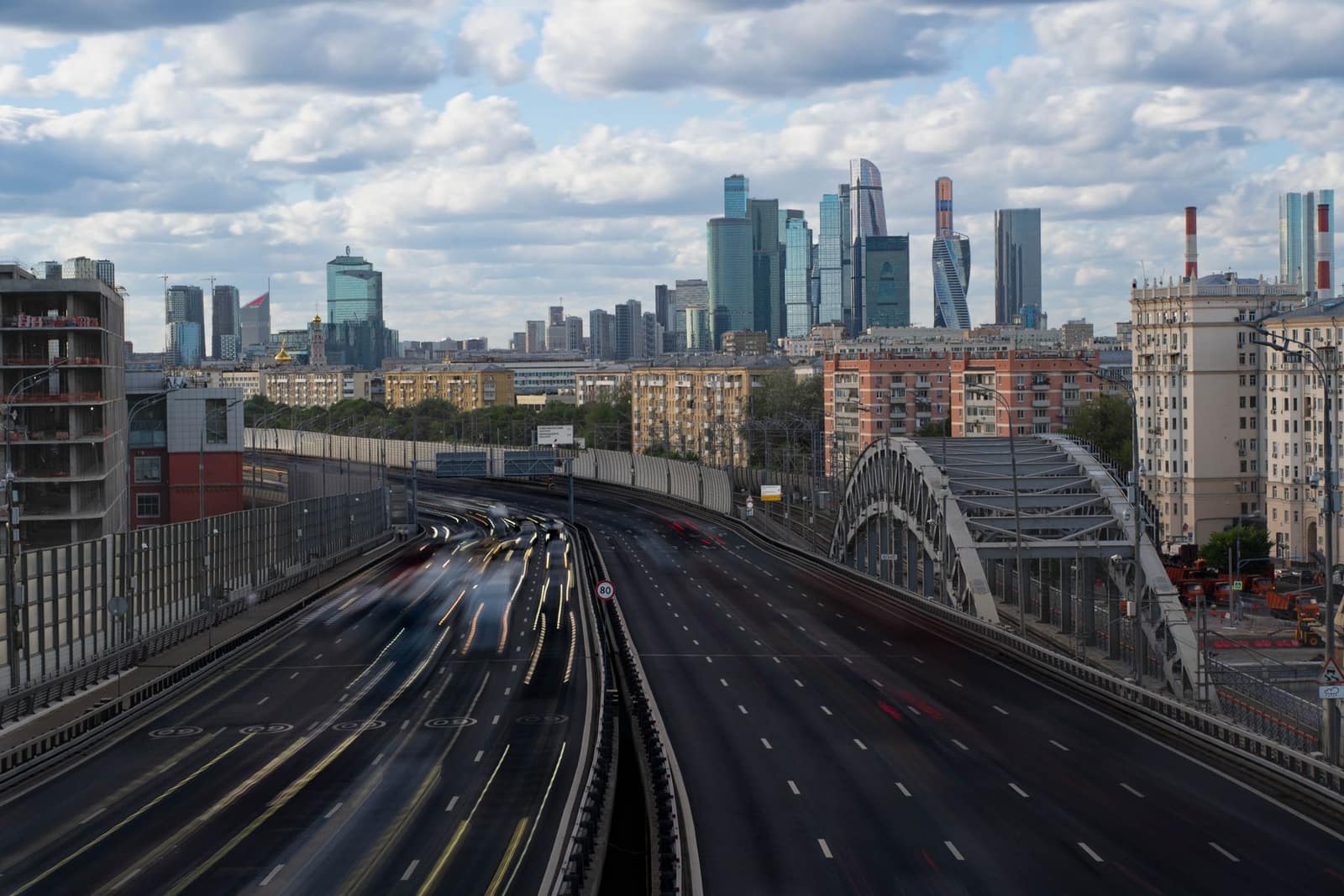 RUBMoscowRussiaGrowing buyer of Indian food, medicines and machinery. Payments need care because of sanctions; EAC certification applies.From India 2025-26US$ 4.49 bn
More in leather & footwear
All products →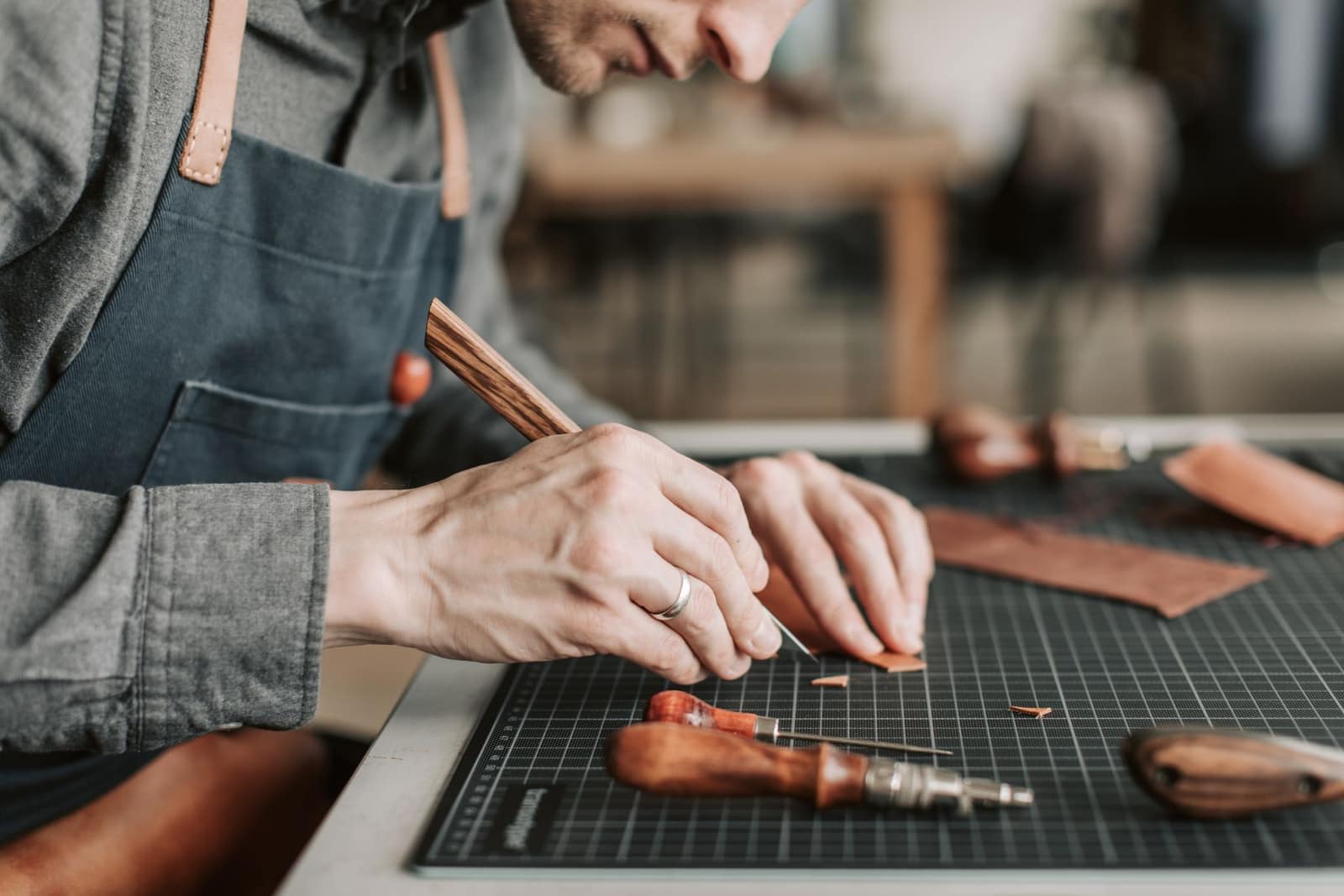 Free, with conditionsLeather & footwearLeather goods (bags, wallets, belts)Leather handbags, wallets and travel goods for brands; the USA and Europe buy most.HS4202Exports 2025-26US$ 1.59 bn ↓1.8%
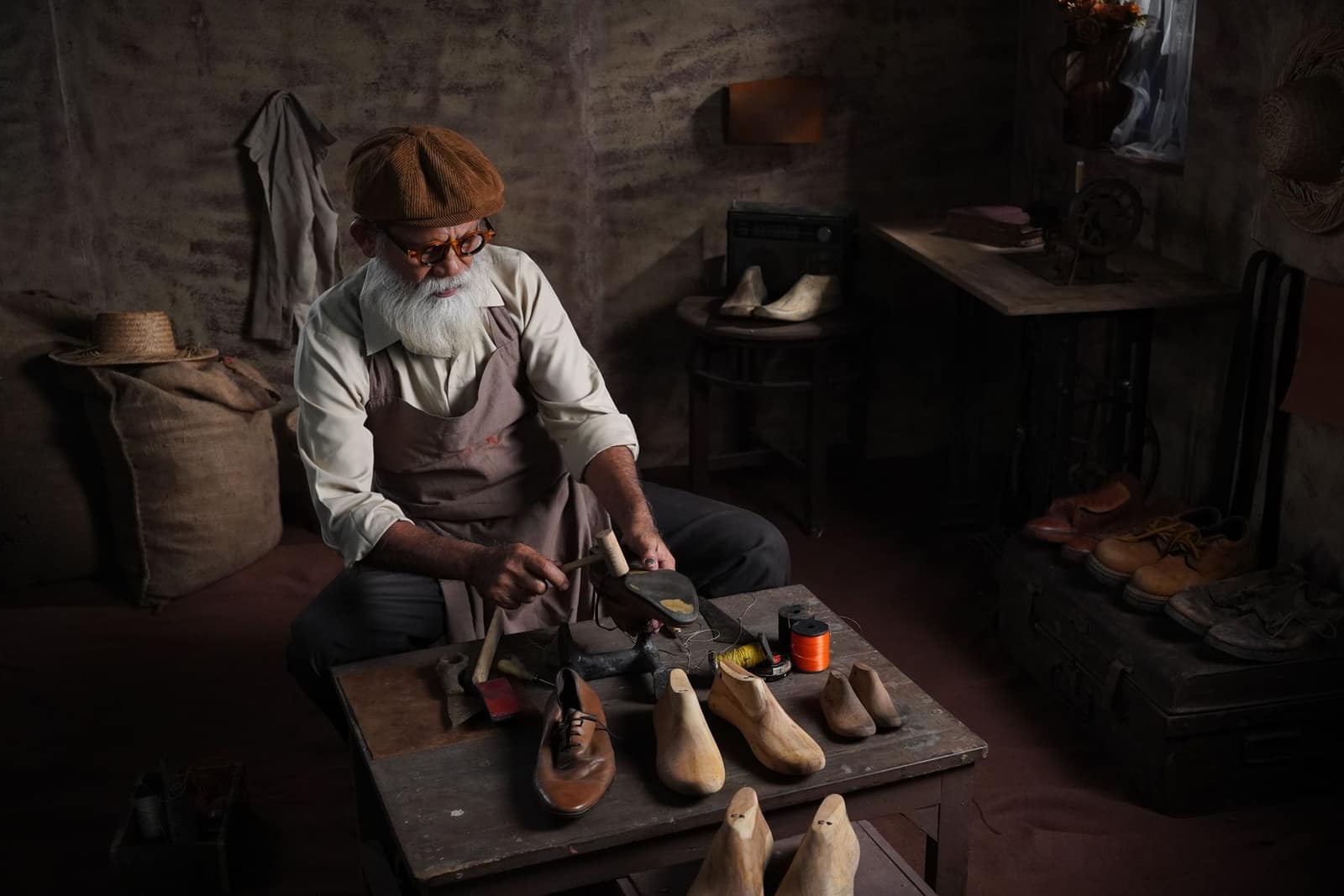 Free to exportLeather & footwearFootwearLeather shoes, sandals and boots from Agra, Kanpur and Tamil Nadu; the USA, UK and Germany lead.HS6403Exports 2025-26US$ 1.69 bn ↓4.7%
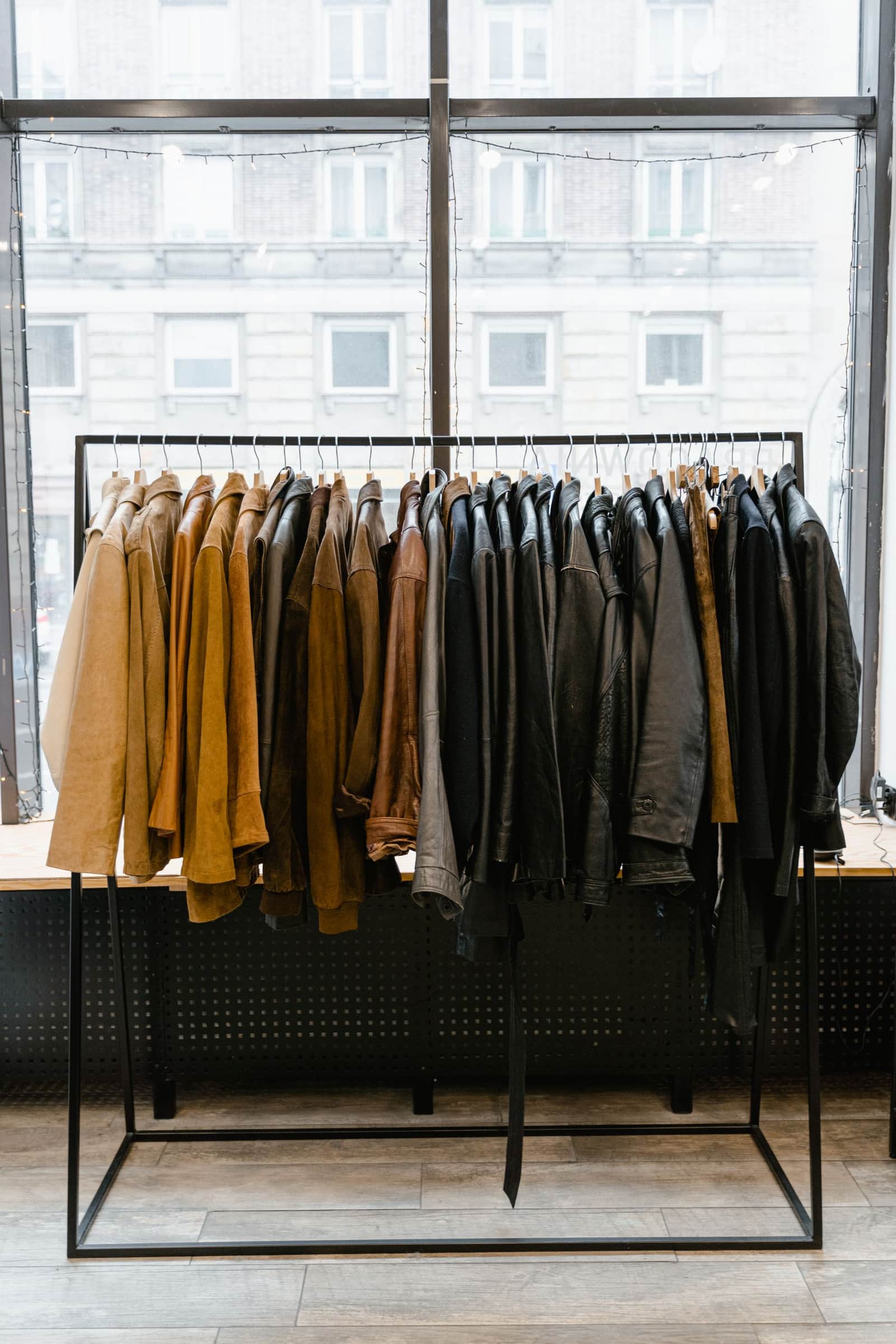 Free, with conditionsLeather & footwearLeather garments and glovesLeather jackets, work gloves and fashion gloves; the USA, Spain, Germany and Italy are the top buyers.HS4203Exports 2025-26US$ 783 mn ↑4.2%
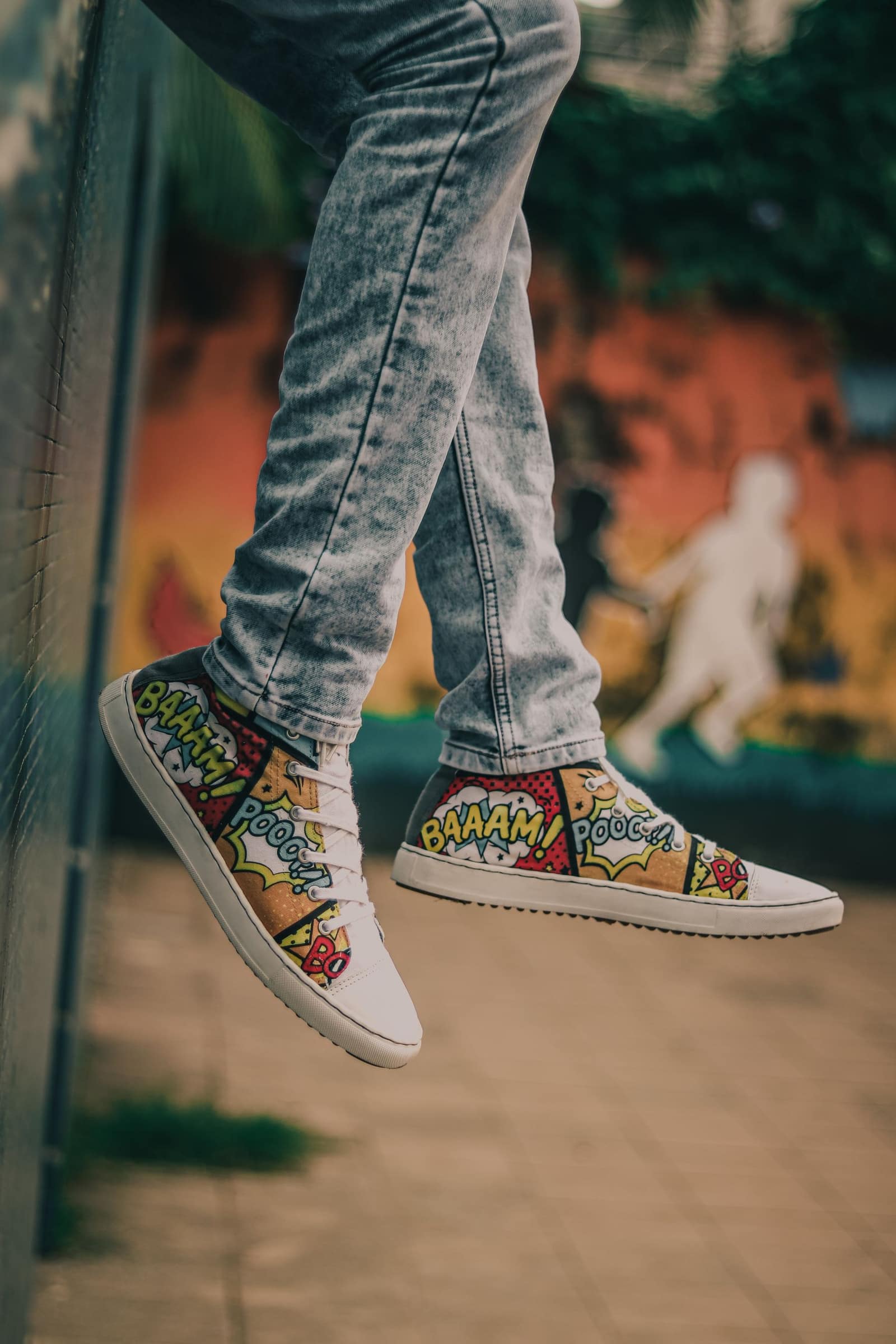 Free to exportLeather & footwearNon-leather footwearSports shoes, canvas shoes, sandals and slippers; the USA, the UAE, the Netherlands and Germany lead.HS6402Exports 2025-26US$ 483 mn ↑8.9%