

Leather & footwear
Export leather garments and gloves
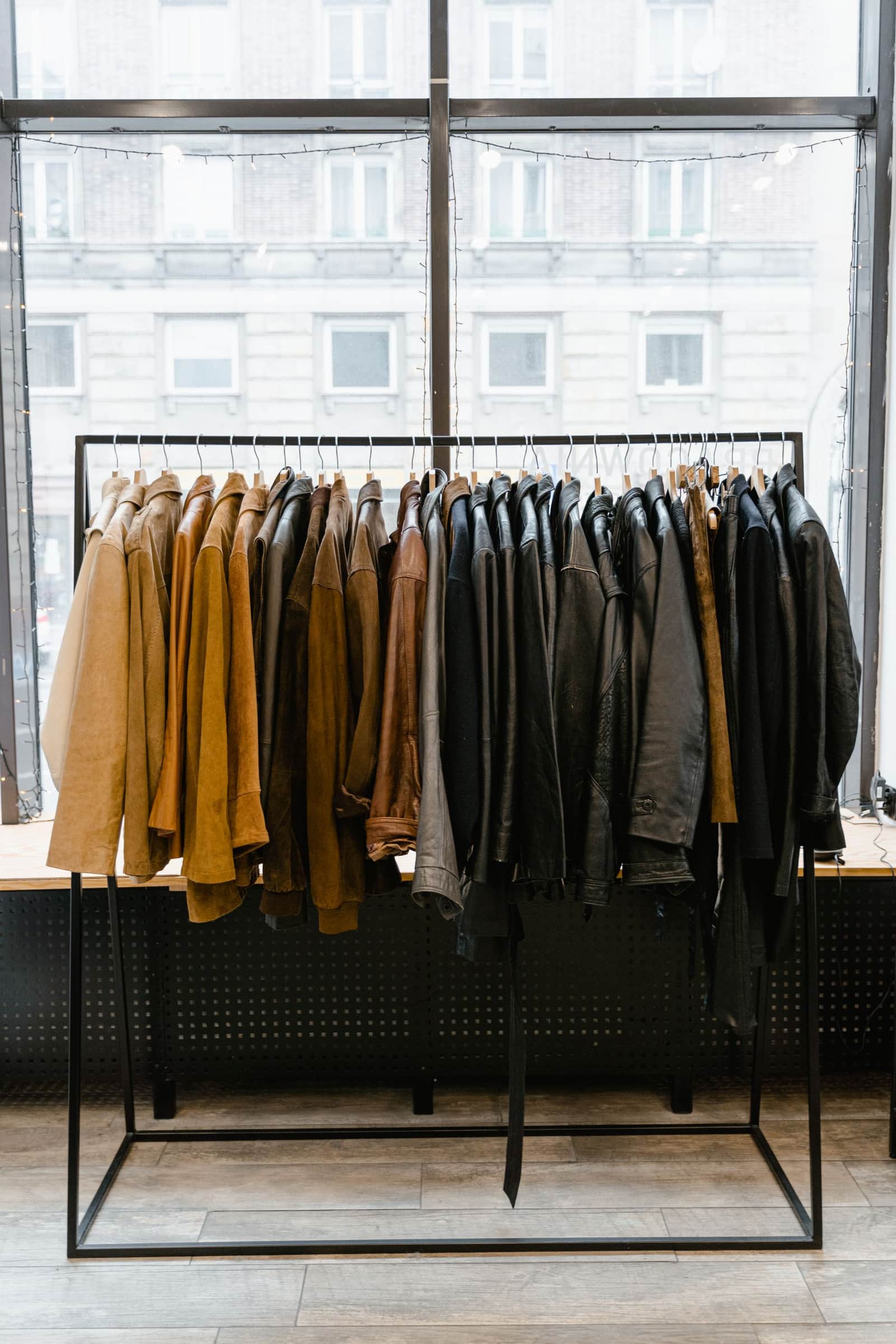
Leather jackets, work gloves and fashion gloves; the USA, Spain, Germany and Italy are the top buyers.
- HS code
- 4203 Articles of apparel and clothing accessories of leather: jackets, coats, gloves, mittens, belts and aprons (HS 4203).
- Export policy
- Free, with conditions Leather garments and gloves are free to export, but articles made from the skins of wild or protected animals are prohibited. Confirm the 8-digit line on DGFT.
- Registrations
- 3 IEC, GST and those below
- India’s exports, 2025-26
- US$ 783 mn to 128 countries
What is exported
Chennai, Kolkata, Kanpur and Delhi NCR make leather jackets for fashion brands and industrial and fashion gloves for safety distributors and retailers. In 2025-26 India exported about US$ 783 million under HS 4203; the USA led, followed by Spain, Germany, Italy, France and the UK (Commerce Department data).
Varieties, grades and forms
- Leather jackets and coatsFashion and biker jackets in lamb, goat, cow and buffalo leather — the main line.
- Leather trousers, skirts and waistcoatsSmaller fashion lines, often made with a jacket programme.
- Industrial and work glovesSplit-leather welding, rigger, driver and garden gloves; sold as protective equipment.
- Fashion, dress and sports glovesLined dress gloves, golf and cycling gloves in fine goat and sheep leather.
- Belts and apronsLeather belts and work aprons also fall under HS 4203.
Where it is grown or made
- Tamil NaduChennai, Ranipet and Vellore — garments and fashion gloves
- West BengalKolkata — industrial gloves and garments
- Uttar PradeshKanpur and Noida — work gloves, belts and garments
- Delhi NCR and PunjabDelhi, Gurugram and Jalandhar — leather jackets
The quality buyers ask for
- Chromium VI and azo dyes
- Cr VI below 3 mg/kg and listed azo amines below 30 mg/kg (EU REACH Annex XVII)
- Work gloves
- EN ISO 21420 (general requirements) and EN 388 (mechanical risks); EN 12477 for welding gloves
- Motorcycle garments
- EN 17092 (protective garments for motorcyclists) when sold as protective
- Colour fastness
- Rubbing fastness (ISO 11640) and fastness to perspiration for garments and gloves
- Sizing and make
- Size chart by market, stitch density, lining and trims as per the approved sample
Certificates
- Chemical test report (Cr VI, azo, RSL)RequiredNeeded for almost every EU and US order.
- Social compliance audit (amfori BSCI, SMETA or SA8000)RequiredMost retailers and brands require it for the factory.
- CE marking under Regulation (EU) 2016/425 (PPE)Often askedWork and protective gloves and motorcycle protective clothing sold in the EU need EU type-examination by a notified body (Category II) and a declaration of conformity.
- Leather Working Group (LWG)Often askedMany brands want leather from LWG-rated tanneries.
- CITES permitOften askedOnly for leathers of listed species; avoid exotic leathers as a newcomer.
Shipping, storage and shelf life
Cartons or hanging garments (GOH); a 40-ft high-cube container typically takes several thousand jackets folded (trade practice). Gloves ship in cartons of dozens.
Sea from Chennai, Kolkata or Nhava Sheva; air for fashion lots with tight delivery dates.
Dry and ventilated; never pack warm or damp leather in sealed polybags.
What goes on the pack and carton
- Fibre or material content and care label; in the EU, leather parts can be named on the label alongside textile fibres.
- US: country of origin and the manufacturer or importer identity (RN number) on the garment label.
- PPE gloves in the EU: CE mark, size, EN pictograms with performance levels and user information leaflet.
- Country of origin ('Made in India') on the product or its packing, as the buyer's customs require.
CLRI, Chennai and FDDI labs test leather and finished articles. For EN glove tests and CE certification you need a notified body or its partner lab; several international testing companies have NABL-accredited labs in Chennai, Kolkata and Delhi NCR — search the NABL directory and the EU NANDO database.
Benefits of exporting this product
- RoDTEP: 1.1% of FOB
Tariff item 4203 10 10 (leather jackets and jerseys) earns 1.1% of FOB value, with no rupee cap, as a duty credit scrip on ICEGATE. Every HS 4203 line — gloves, industrial gloves, belts and aprons — also carries 1.1%. These rates continue to 31 Dec 2026 (DGFT Notification 41/2026-27). Confirm your exact 8-digit line on the DGFT RoDTEP page before you price an order.
DGFT — Appendix 4R, RoDTEP schedule for DTA exports w.e.f. 10.10.2024 (Notification 32/2024-25); rates continued to 31.12.2026 by Notification 41/2026-27 ↗ - Duty drawback: 4.5% of FOB
Drawback item 420301 (articles of apparel made of leather) has an All Industry Rate of 4.5% of FOB, capped at ₹476.6 per piece, paid into your bank account. It is not available on exports under Advance Authorisation or from EOU/SEZ units. Industrial leather gloves (420305) get 4.1%, capped at ₹10.6 per pair; other leather gloves (420306) get 3.6%, capped at ₹48.7 per pair; leather belts (420307) get 4.0%, capped at ₹36.7 per piece. Check the current schedule on the CBIC drawback page before shipping.
Gazette of India — Notification 77/2023-Customs (N.T.) dated 20.10.2023: All Industry Rates of duty drawback ↗ - Zero duty into the UK (CETA)
The India-UK CETA came into force on 15 July 2026 and gives zero-duty access to nearly 99% of India's exports; the Commerce Ministry named leather among the sectors that gain. Claim it with a CETA certificate of origin and check the line for your code on the UK Trade Tariff.
PIB — India-UK CETA enters into force (15 Jul 2026): textiles, leather, gems and jewellery and engineering goods among the gainers ↗
Where to register
- CLE (Council for Leather Exports)RCMC for leather garments and gloves.leatherindia.org ↗
Quality and checks
- EU REACH: chromium VI below 3 mg/kg and listed azo amines below 30 mg/kg; buyers want lab reports.
- Work and protective gloves sold in the EU are personal protective equipment and need CE marking with a notified-body certificate (EN 388, EN ISO 21420).
- Brands audit factories for social compliance before placing orders.
Start with one line — industrial gloves for safety distributors, or fashion jackets for boutique brands. Get test reports and, for EU work gloves, CE certification first; then exhibit with CLE at IILF or A+A.
Where new exporters go wrong
- Selling work gloves into the EU without CE certification — customs or market surveillance can stop them.
- Shade variation between panels of one jacket.
- Mould from packing leather while warm or damp.
Documents this product needs
Schemes that apply
- RoDTEP Remission of Duties and Taxes on Exported Products
- Drawback Duty Drawback (All Industry Rates)
- Advance Authorisation Advance Authorisation
- EPCG Export Promotion Capital Goods Scheme
- ECGC ECGC export credit insurance for small exporters
- LUT Letter of Undertaking for zero-rated exports under GST
- MAI / MAS Market Access Initiative (now Market Access Support under EPM)
Sources (6)
- Department of Commerce, Export Import Data Bank — India's exports of HS 4203 by country, 2025-26
- DGFT — Appendix 2T: Export Promotion Councils and the products under each
- DGFT — ITC(HS) export policy search (Schedule 2)
- ECHA — substances restricted under REACH (Annex XVII)
- European Commission — Personal protective equipment (Regulation (EU) 2016/425)
- CLE (Council for Leather Exports) — official site
Trade data
Indian leather garments and gloves exports in numbers
From the Department of Commerce’s TradeStat, country by country. US$, Indian financial years (April–March).
- Exports in 2025-26
- US$ 783 mn +6.1% a year on average, 2020-21 to 2025-26
- Change from 2024-25
- ↑ +4.2% US$ 752 mn → US$ 783 mn
- Buyer countries
- 128
- Average export price
- US$ 20.81 per kg · 37,627 tonnes shipped · US$ 18.65 the year before
The price cycle
India’s average export price per kg each year (total value ÷ total quantity). Highest in 2025-26, lowest in 2021-22 — a 13% swing between them. Keep this swing in mind when you quote.
What next: a projection from the trend
The past trend carried forward — not a forecast by any authority. Sudden changes in policy, prices or demand are not in it.
Likely range US$ 792 mn to US$ 947 mn.
- Trend
- +4.7% a year
- Fit (R²)
- 0.73
- Based on
- 6 years of official figures
Method: a straight line through the logarithm of yearly exports (log-linear regression); range = ±1 standard error.
Biggest buyer countries
By value in 2025-26. Change is against 2024-25.
Where demand is rising and falling
Only countries that buy at least US$ 1 million or 1% of India’s exports of this product. Change from 2024-25 to 2025-26.
↑ High demand
- ChileUS$ 20.8 mn → US$ 28.6 mn↑+37.2%
- United KingdomUS$ 32.4 mn → US$ 40 mn↑+23.4%
- FranceUS$ 46.3 mn → US$ 55.6 mn↑+20%
- RussiaUS$ 12.4 mn → US$ 14.7 mn↑+18.3%
- CanadaUS$ 9.2 mn → US$ 10.8 mn↑+17.6%
- JapanUS$ 18.8 mn → US$ 21.5 mn↑+14.2%
- NetherlandsUS$ 28.5 mn → US$ 31.8 mn↑+11.7%
- SpainUS$ 72.8 mn → US$ 80.2 mn↑+10.2%
↓ Low demand
No sizeable country falls in this list this year.
Which forms sell, and at what price
India’s exports by 8-digit tariff line, 2025-26. Average price = total value ÷ total quantity (TradeStat): the average of every shipment on that line, not the price of any one deal.
| Tariff line | Value 2025-26 | Change | Quantity | Average price |
|---|---|---|---|---|
Apparel, articles of apparel, of leather or of composition leather — jackets and jerseys4203 10 10 | US$ 309 mn | ↑+19.4% | 4,440 tonnes | US$ 69.62 per kgwas US$ 66.61 |
Gloves for use in industry4203 29 10 · Clothing accessories, gloves, mittens and mitts in heading no. 4203, of leather or composition leather, not… | US$ 197 mn | ↓-9.3% | 24,439 tonnes | US$ 8.04 per kgwas US$ 7.89 |
Clothing accessories, belts and bandoliers, of leather or of composition leather — belts and bandoliers4203 30 00 | US$ 147 mn | ↓-7.5% | 5,693 tonnes | US$ 25.82 per kgwas US$ 25.59 |
Apparel, articles of apparel, of leather or of composition leather — other articles of apparel4203 10 90 | US$ 107 mn | ↑+12.8% | 1,565 tonnes | US$ 68.44 per kgwas US$ 67.77 |
Clothing accessories, gloves, mittens and mitts in heading no. 4203, of leather or composition leather, not… — other gloves4203 29 20 | US$ 8.9 mn | ↑+18.4% | 172 tonnes | US$ 51.61 per kgwas US$ 55.18 |
Others-of-other clothing accessories :4203 40 90 · Clothing accessories, of leather or of composition leather in heading no. 4203 | US$ 7.8 mn | ↑+9.9% | 748 tonnes | US$ 10.43 per kgwas US$ 13.01 |
Clothing accessories, of leather or of composition leather in heading no. 4203 — aprons4203 40 10 | US$ 4.3 mn | ↓-3.8% | 515 tonnes | US$ 8.37 per kgwas US$ 8.75 |
Clothing accessories, gloves, mittens and mitts, specially designed for use in sports, of leather or… — gloves for sports4203 21 10 | US$ 2.1 mn | ↓-27.1% | 50 tonnes | US$ 42.82 per kgwas US$ 26.45 |
Mittens and mitts other than for sports4203 29 30 · Clothing accessories, gloves, mittens and mitts in heading no. 4203, of leather or composition leather, not… | US$ 30k | ↓-25% | 0.6 tonnes | US$ 51.28 per kgwas US$ 13.89 |
Semi-chrome grain garments4203 40 20 · Clothing accessories, of leather or of composition leather in heading no. 4203 | US$ 20k | ↑+100% | 2.9 tonnes | US$ 6.81 per kgwas US$ 8.97 |
Mittens and mitts for sports4203 21 20 · Clothing accessories, gloves, mittens and mitts, specially designed for use in sports, of leather or… | US$ 10k | ↑0% | 0.8 tonnes | US$ 11.99 per kgwas US$ 18.32 |
The world market
Each country’s own recorded exports and imports in UN Comtrade, 2023 (the latest year nearly every country has reported).
- World imports
- US$ 7.06 bn 2023
- India among exporters
- #4 of 150 countries
- India’s share of world exports
- 9.4% US$ 685 mn
- Left for others to win
- US$ 6.59 bn exported by other countries
Top exporters — your competitors
- 1ItalyUS$ 1.25 bn 17.1%
- 2ChinaUS$ 1.04 bn 14.3%
- 3FranceUS$ 779 mn 10.7%
- 4IndiaUS$ 685 mn 9.4%
- 5PakistanUS$ 592 mn 8.1%
- 6GermanyUS$ 389 mn 5.3%
- 7SpainUS$ 231 mn 3.2%
- 8NetherlandsUS$ 190 mn 2.6%
- 9China, Hong Kong SARUS$ 174 mn 2.4%
- 10TürkiyeUS$ 171 mn 2.3%
Biggest buyers in the world
- 1USAUS$ 1.37 bn 19.4%
- 2GermanyUS$ 590 mn 8.4%
- 3FranceUS$ 522 mn 7.4%
- 4ItalyUS$ 387 mn 5.5%
- 5ChinaUS$ 376 mn 5.3%
- 6JapanUS$ 299 mn 4.2%
- 7United KingdomUS$ 252 mn 3.6%
- 8NetherlandsUS$ 242 mn 3.4%
- 9China, Hong Kong SARUS$ 241 mn 3.4%
- 10Rep. of KoreaUS$ 228 mn 3.2%
Opportunity: what these countries buy from the world, and from India
Each country’s own recorded imports in UN Comtrade, latest year it has reported. The long light part of each bar is demand other countries are filling today.
TradeStat’s 2023-24 quantities are double-counted, so that year is left out of the price. Sources: TradeStat — Export Import Data Bank, Department of Commerce · UN Comtrade database (United Nations Statistics Division) · Figures taken 29 October 2026.
Step by step
How to export leather garments and gloves
India is a long-standing supplier of leather jackets and of work and fashion gloves, made mainly in Chennai, Kolkata, Kanpur and Delhi NCR. China, Pakistan and Turkey are strong competitors in garments, and Pakistan and China in gloves. Demand comes from European and US fashion brands and from safety-equipment distributors who buy work gloves in large volumes. Buyers expect chemical testing and social audits, and protective gloves sold in Europe must carry CE marking. Openings are in mid-price fashion jackets, motorcycle gear and certified work gloves.
- 01Choose the segment
Fashion jackets, work gloves or fashion gloves need different buyers, leather and certifications.
- 02Register with CLE
Get your RCMC from the Council for Leather Exports.
- 03Make samples
Proto, fit and salesman samples to the buyer's tech pack; approve leather, lining and trims.
- 04Test and certify
Chemical tests on leather; for PPE gloves, EN tests and CE type-examination before the first EU order.
- 05Cut, sew and inspect
Match panels for colour, sew, then run an AQL final inspection.
- 06Ship and claim benefits
File the shipping bill on ICEGATE with the correct 8-digit HS code, declare RoDTEP and drawback, and keep the mill or test certificates with the export file.
- 07Get paid safely
Use an LC or documents against payment with new buyers, take ECGC cover for open-account sales, and close the export with an e-BRC once the money arrives.
Meet buyers
Trade fairs
- Usually late January to February — check with CLEIndia International Leather Fair (IILF)Chennai, Indialeatherindia.org ↗
- Every two years, autumn — check dates on the organiser's siteA+A (safety, security and health at work)Düsseldorf, Germanyaplusa.de ↗
- Usually March — check datesAPLF LeatherHong Kongaplf.com ↗
- February and September — check datesLineapelleMilan, Italylineapelle-fair.it ↗
Questions
Questions about exporting leather garments and gloves
Are leather gloves in the same HS heading as jackets?
Do work gloves need CE marking?
Which leather is used for jackets?
What causes rejections?
Can I start with small orders?
Sources (7)
- CLE (Council for Leather Exports) — official site
- ECHA — substances restricted under REACH (Annex XVII)
- European Commission — Personal protective equipment (Regulation (EU) 2016/425)
- Leather Working Group — environmental certification for leather manufacturers
- CSIR-Central Leather Research Institute (CLRI), Chennai
- Footwear Design and Development Institute (FDDI) — testing laboratories
- NABL — search for accredited testing laboratories
Who buys Indian leather garments and gloves
All countries → USDWashington, D.C.United States of AmericaIndia's largest single-country export market. Strict FDA rules for food; extra 10% US duty on most goods since July 2026.From India 2025-26US$ 87.3 bn
 EURMadridSpainGrowing EU buyer of Indian garments, seafood, chemicals and auto parts; Valencia and Algeciras are key ports.From India 2025-26US$ 6.96 bn
 EURBerlinGermanyEurope's largest economy and India's biggest EU partner. Values quality, certificates and supply-chain transparency.From India 2025-26US$ 11.5 bn
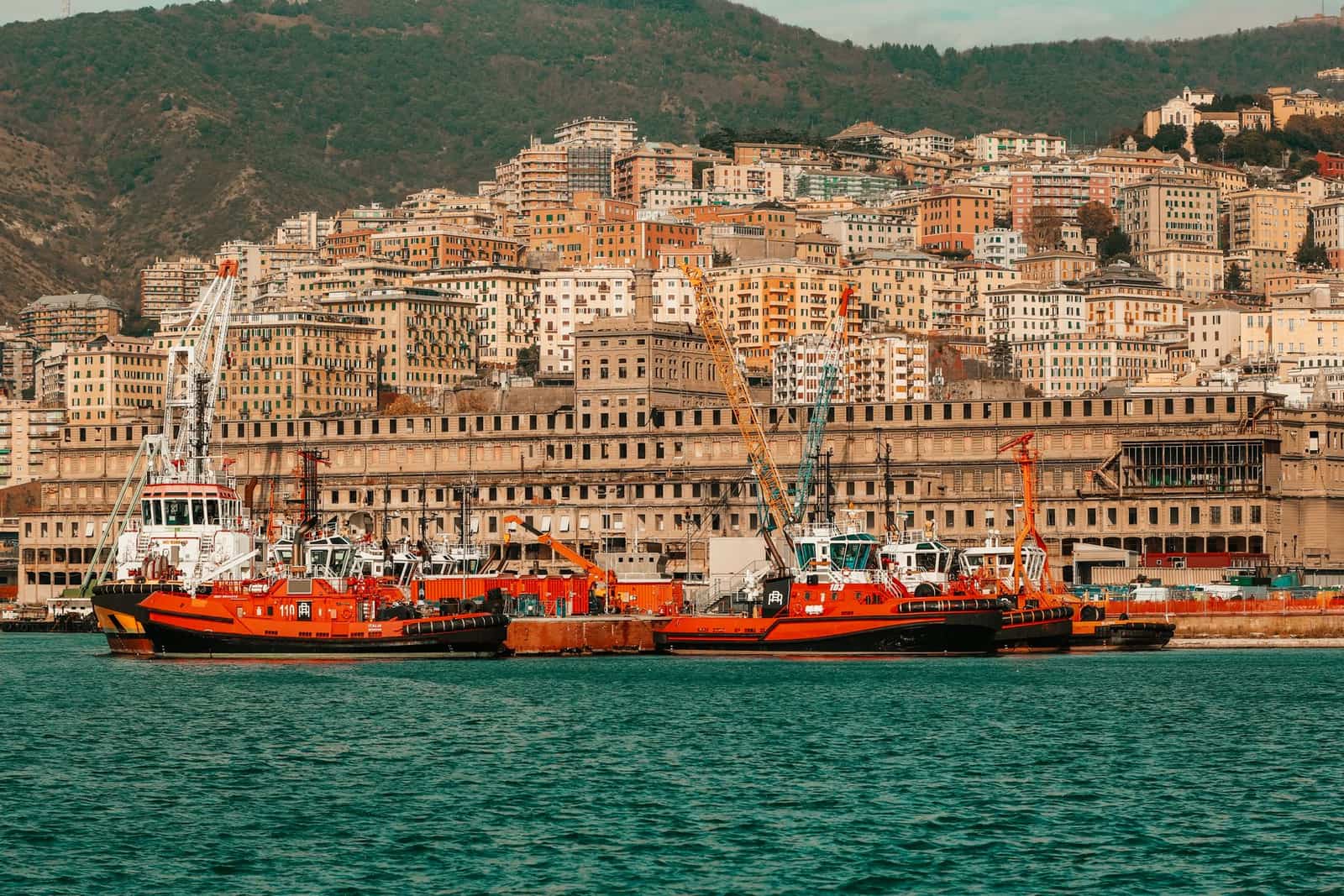 EURRomeItalyManufacturing buyer of Indian leather, yarn, castings, chemicals and seafood. EU rules apply.From India 2025-26US$ 7.79 bn
 EURParisFranceFashion, food and design market. EU rules plus French-language labels; SIAL Paris is a key food fair.From India 2025-26US$ 7.1 bn
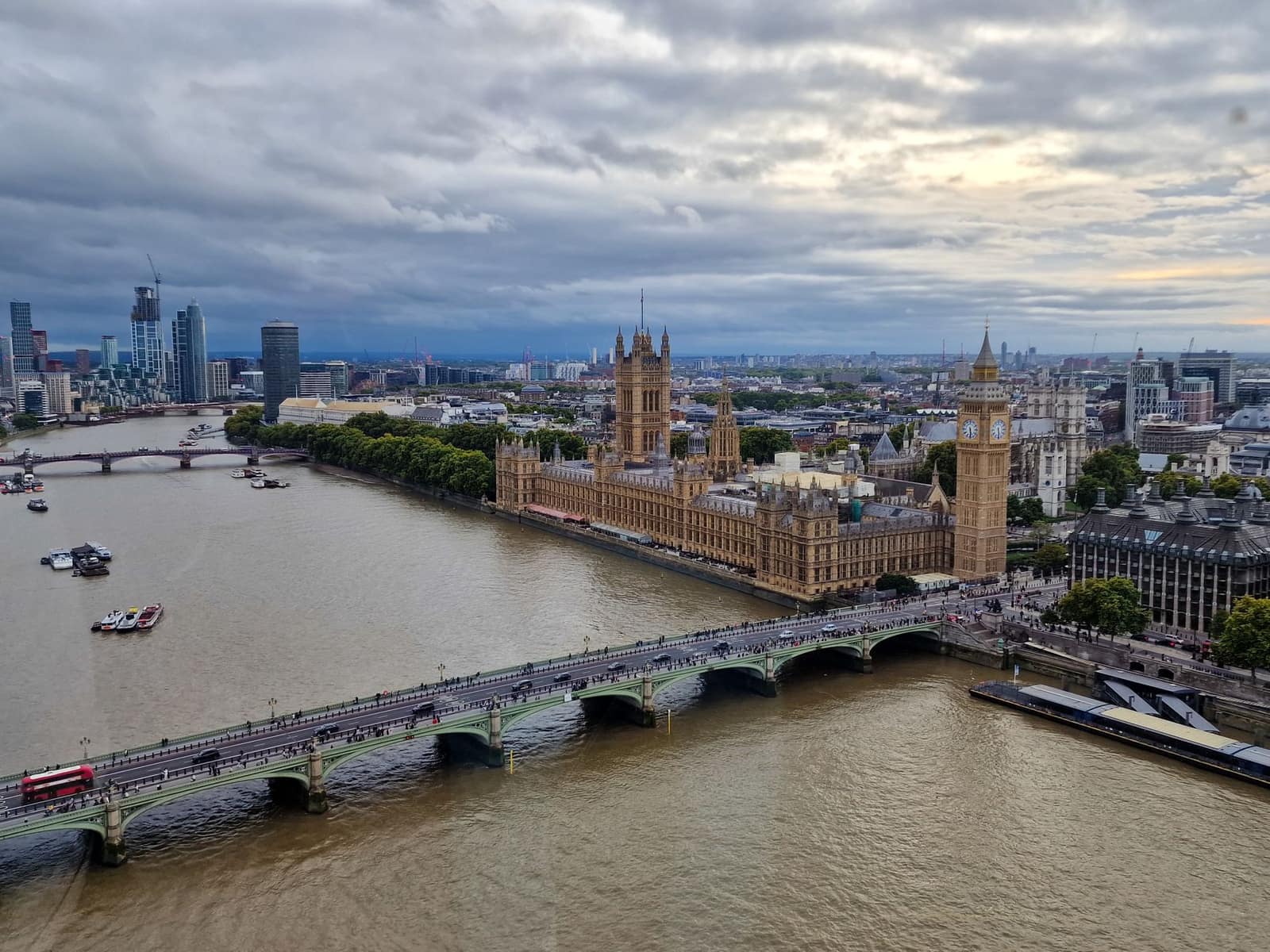 CETAGBPLondonUnited KingdomNew CETA in force since July 2026 — most Indian goods now enter duty-free. Strong market for garments, food and engineering.From India 2025-26US$ 13.4 bn
 EURAmsterdamNetherlandsEurope's main gateway: Rotterdam handles goods for the whole EU. EU food-safety and residue rules apply.From India 2025-26US$ 17.5 bn
 CEPAJPYTokyoJapanHigh-value, quality-obsessed market. Buys shrimp, chemicals, auto parts and garments; strict food-sanitation checks.From India 2025-26US$ 6.04 bn
More in leather & footwear
All products → Free, with conditionsLeather & footwearLeather goods (bags, wallets, belts)Leather handbags, wallets and travel goods for brands; the USA and Europe buy most.HS4202Exports 2025-26US$ 1.59 bn ↓1.8%
 Free to exportLeather & footwearFootwearLeather shoes, sandals and boots from Agra, Kanpur and Tamil Nadu; the USA, UK and Germany lead.HS6403Exports 2025-26US$ 1.69 bn ↓4.7%
 Free, with conditionsLeather & footwearFinished leatherFinished hides and skins for shoe, bag and glove factories abroad; Vietnam, Italy and China buy most.HS4107Exports 2025-26US$ 314 mn ↓13.7%
 Free to exportLeather & footwearNon-leather footwearSports shoes, canvas shoes, sandals and slippers; the USA, the UAE, the Netherlands and Germany lead.HS6402Exports 2025-26US$ 483 mn ↑8.9%