

Pharma & chemicals
Export dyes and pigments
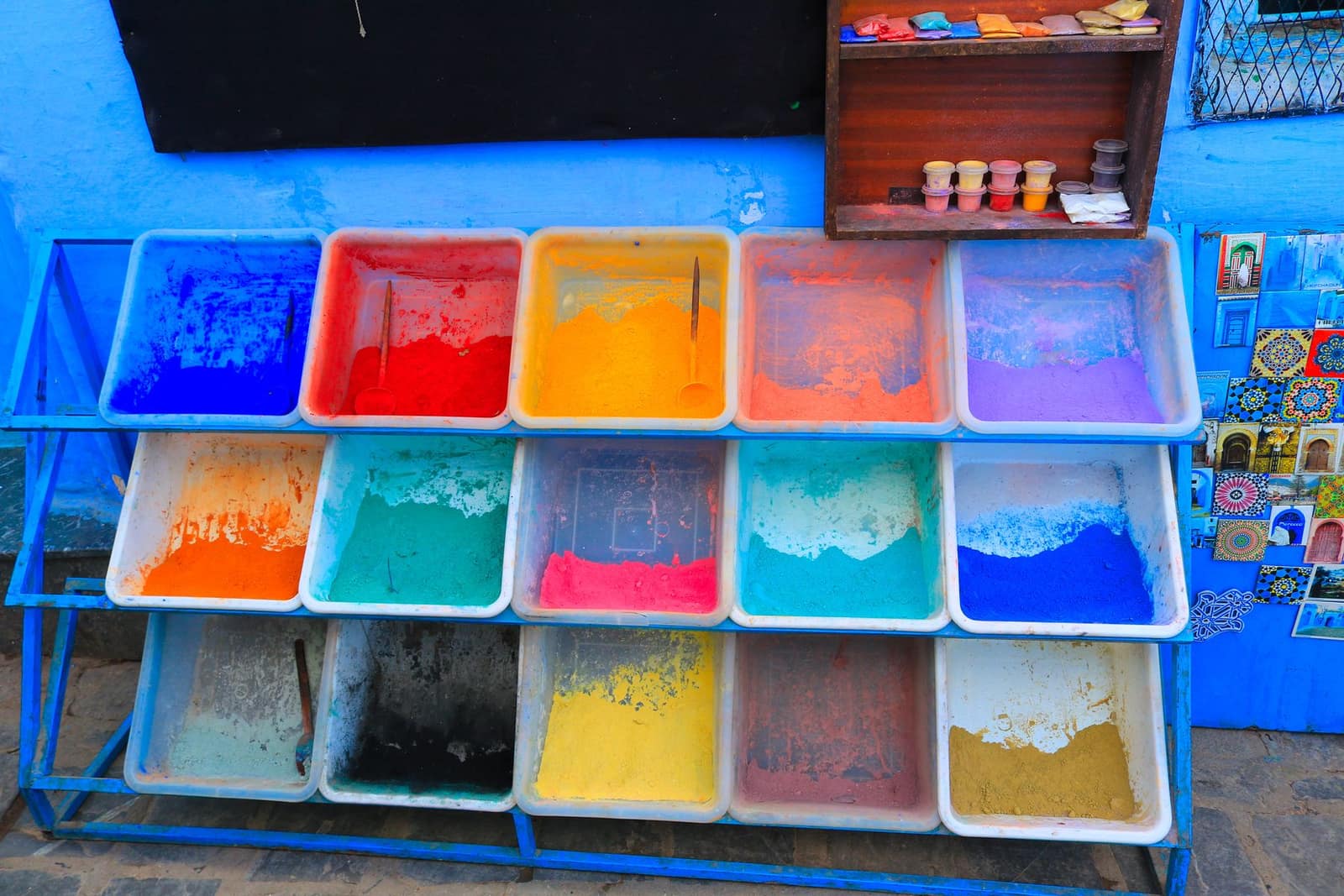
Reactive and disperse dyes and organic pigments from Gujarat and Maharashtra; textile hubs in Asia and Europe buy them.
- HS code
- 3204 Synthetic organic colouring matter — reactive, disperse, acid, direct and vat dyes, organic pigments, optical brighteners (3204); other colouring matter such as titanium-dioxide and inorganic pigments (3206).
- Export policy
- Free to export Free to export under ITC(HS) Schedule 2 as checked in November 2026. Ordinary dyes are free, but some intermediates and chemicals made in the same plants appear on the SCOMET list (Category 1 and 3); check any chemical that is not a finished colourant. Confirm your exact 8-digit line on the DGFT ITC(HS) search before you ship.
- Registrations
- 3 IEC, GST and those below
- India’s exports, 2025-26
- US$ 2.46 bn to 150 countries
What is exported
India is one of the world's main dye makers, with clusters in Gujarat (Vapi, Ankleshwar, Vatva–Ahmedabad, Vadodara) and Maharashtra (Thane–Tarapur). Textile, leather, paint, ink and plastics makers buy the dyes and pigments. In 2025-26 India exported about US$ 2.2 billion under HS 3204; the USA led, followed by China, Bangladesh, Turkey, Italy and the Netherlands.
Varieties, grades and forms
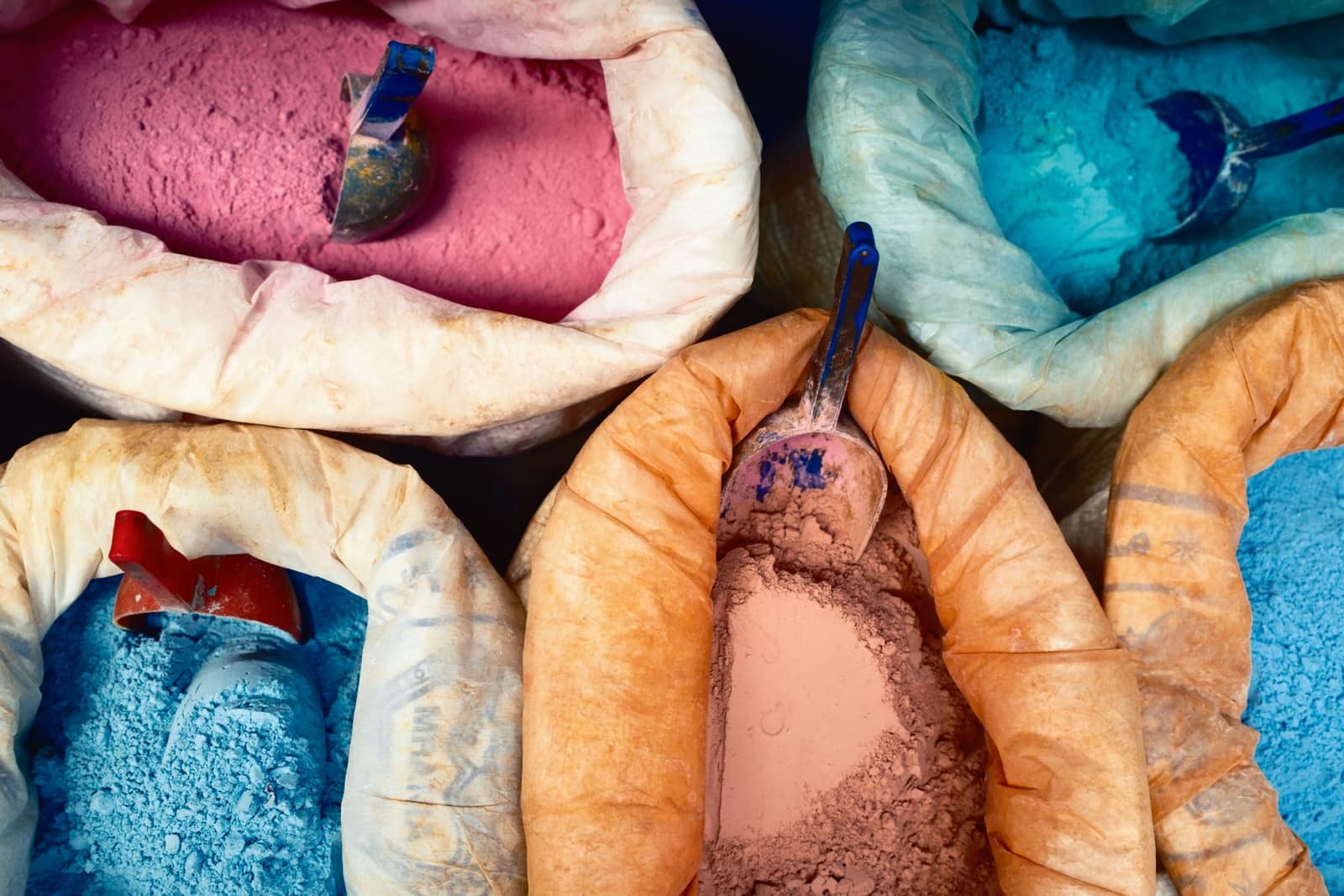
- Reactive dyesFor cotton and cellulose fibres — the largest Indian line.
- Disperse dyesFor polyester.
- Acid, direct and vat dyesFor wool, nylon, leather, paper and denim.
- Organic pigmentsPhthalocyanine, azo and high-performance pigments for inks, paints and plastics.
- Inorganic pigmentsTitanium dioxide, iron oxides and ultramarine (3206).
Where it is grown or made
- GujaratVapi, Ankleshwar, Vatva–Ahmedabad, Vadodara and Dahej
- MaharashtraThane, Tarapur and Mumbai
- OtherPunjab (Ludhiana) and Tamil Nadu (Tiruppur trading)
The quality buyers ask for
- Strength
- Colour strength against the agreed standard (for example 100% ± 3%)
- Shade
- Shade match (ΔE limit) against the master sample
- Fastness
- Light, wash and rubbing fastness ratings per ISO 105 methods
- Restricted substances
- Free of banned amines (REACH Annex XVII entry 43); heavy metals within limits; ZDHC MRSL conformance
- Physical form
- Powder, granules or liquid; moisture and insolubles as specified
Certificates
- Safety Data Sheet (GHS)RequiredRequired with every chemical shipment.
- EU REACH registrationOften askedRequired for substances placed on the EU market above 1 tonne a year.
- ZDHC Gateway listingOften askedTextile brands increasingly require dyes listed on the ZDHC Gateway.
- GOTS / bluesign approvalOften askedNeeded for dyes used on organic or premium textiles.
- ISO 9001 / ISO 14001Often askedQuality and environmental systems.
Shipping, storage and shelf life
A 20-ft container typically holds about 12–16 tonnes of dyes in 25 kg drums or bags on pallets.
Sea freight; some dyes are classed as dangerous goods.
Cool, dry storage in closed containers; keep away from moisture.
Typically about two years for powder dyes when stored properly; check the maker's data.
What goes on the pack and carton
- Product name, colour index name and number, batch, net weight and maker.
- GHS hazard pictograms, signal word and precautionary statements in the buyer's language (EU CLP Regulation).
- UN number and class marks on DG consignments.
NABL-accredited chemical and textile labs test colour strength, fastness and restricted substances (search 'dyes' or 'textiles' in the NABL directory). Textiles Committee labs also test for banned amines.
Benefits of exporting this product
- RoDTEP: 0.7% of FOB
Tariff item 3204 16 90 (other reactive dyes) earns 0.7% of FOB value, with no rupee cap, as a duty credit scrip on ICEGATE. The 3204 and 3206 lines we checked, including disperse and acid dyes and pigments, carry 0.7%. These rates continue to 31 Dec 2026 (DGFT Notification 41/2026-27). Confirm your exact 8-digit line on the DGFT RoDTEP page before you price an order.
DGFT — Appendix 4R, RoDTEP schedule for DTA exports w.e.f. 10.10.2024 (Notification 32/2024-25); rates continued to 31.12.2026 by Notification 41/2026-27 ↗ - Duty drawback: 3.5% of FOB
Drawback item 320402 (reactive dyes) has an All Industry Rate of 3.5% of FOB, capped at ₹27.1 per kg, paid into your bank account. It is not available on exports under Advance Authorisation or from EOU/SEZ units. Other dyes under 3204 not separately listed have 1.2%, as do pigments under 3206. Check the current schedule on the CBIC drawback page before shipping.
Gazette of India — Notification 77/2023-Customs (N.T.) dated 20.10.2023: All Industry Rates of duty drawback ↗
Where to register
- CHEMEXCILDyes and dye intermediates are listed under CHEMEXCIL in Appendix 2T; take your RCMC from CHEMEXCIL.chemexcil.in ↗
Quality and checks
- EU REACH registration for each substance placed on the EU market above 1 tonne a year (through your importer or an Only Representative); Safety Data Sheet in the buyer's language.
- Restricted substances: azo dyes that release banned amines (REACH Annex XVII, entry 43), heavy metals; brand buyers ask for ZDHC MRSL conformance.
- Shade, strength and fastness matched against the buyer's standard sample, with a certificate of analysis per batch.
A merchant exporter can represent a Gujarat dye maker to textile mills in Bangladesh, Vietnam or Indonesia, starting with a few standard reactive or disperse dyes. Send shade cards and lab samples, then ship 25 kg drums or bags on LC.
Where new exporters go wrong
- Selling into the EU without REACH registration of the substance.
- Batch-to-batch shade variation; keep retained samples and shade records.
- Wrong dangerous-goods classification for powders and liquid dyes.
Documents this product needs
Schemes that apply
- RoDTEP Remission of Duties and Taxes on Exported Products
- Drawback Duty Drawback (All Industry Rates)
- Advance Authorisation Advance Authorisation
- EPCG Export Promotion Capital Goods Scheme
- ECGC ECGC export credit insurance for small exporters
- LUT Letter of Undertaking for zero-rated exports under GST
- Status Holder Status Holder certificate (One to Five Star Export House)
- MAI / MAS Market Access Initiative (now Market Access Support under EPM)
Sources (5)
Trade data
Indian dyes and pigments exports in numbers
From the Department of Commerce’s TradeStat, country by country. US$, Indian financial years (April–March).
- Exports in 2025-26
- US$ 2.46 bn -0.7% a year on average, 2020-21 to 2025-26
- Change from 2024-25
- ↓ -8.7% US$ 2.7 bn → US$ 2.46 bn
- Buyer countries
- 150
- Average export price
- US$ 4.01 per kg · 6,14,953 tonnes shipped · US$ 4.22 the year before
The price cycle
India’s average export price per kg each year (total value ÷ total quantity). Highest in 2021-22, lowest in 2025-26 — a 22% swing between them. Keep this swing in mind when you quote.
What next: a projection from the trend
The past trend carried forward — not a forecast by any authority. Sudden changes in policy, prices or demand are not in it.
Likely range US$ 2 bn to US$ 2.85 bn.
- Trend
- -2.5% a year
- Fit (R²)
- 0.17 — weak, read with care
- Based on
- 6 years of official figures
Method: a straight line through the logarithm of yearly exports (log-linear regression); range = ±1 standard error.
Biggest buyer countries
By value in 2025-26. Change is against 2024-25.
Where demand is rising and falling
Only countries that buy at least US$ 1 million or 1% of India’s exports of this product. Change from 2024-25 to 2025-26.
↑ High demand
- KenyaUS$ 28.7 mn → US$ 33.9 mn↑+17.8%
↓ Low demand
- HondurasUS$ 55.3 mn → US$ 38.6 mn↓-30.2%
- BelgiumUS$ 52 mn → US$ 37.2 mn↓-28.5%
- United States of AmericaUS$ 284 mn → US$ 204 mn↓-28.2%
- SingaporeUS$ 36.7 mn → US$ 28.2 mn↓-23.3%
- United KingdomUS$ 40.2 mn → US$ 31.6 mn↓-21.3%
- BrazilUS$ 119 mn → US$ 95.8 mn↓-19.5%
- SpainUS$ 52.8 mn → US$ 44.4 mn↓-16%
- MexicoUS$ 74.6 mn → US$ 64.5 mn↓-13.5%
Which forms sell, and at what price
India’s exports by 8-digit tariff line, 2025-26. Average price = total value ÷ total quantity (TradeStat): the average of every shipment on that line, not the price of any one deal.
| Tariff line | Value 2025-26 | Change | Quantity | Average price |
|---|---|---|---|---|
Pigment blue 15 (pathalocyanine blue)3204 17 51 · Dyes, pigments and preparations based thereon | US$ 262 mn | ↓-9.7% | 46,465 tonnes | US$ 5.63 per kgwas US$ 5.82 |
Dyes, reactive dyes and preparations based thereon — reactive blacks3204 16 80 | US$ 198 mn | ↓-14.3% | 62,632 tonnes | US$ 3.17 per kgwas US$ 3.20 |
Dyes, reactive dyes and preparations based thereon — reactive blues3204 16 50 | US$ 126 mn | ↓-12.8% | 23,218 tonnes | US$ 5.41 per kgwas US$ 5.69 |
Pigment green 7 (pathalovyanine green)3204 17 61 · Dyes, pigments and preparations based thereon | US$ 115 mn | ↓-15.2% | 21,128 tonnes | US$ 5.45 per kgwas US$ 5.73 |
Other clrng matr containing <80% titnium dioxlde3206 19 00 · Colouring matter, pigments and preparations based on titanium dioxide, containing less than 80% by weight… | US$ 98.2 mn | ↑+9.5% | 46,134 tonnes | US$ 2.13 per kgwas US$ 2.27 |
Dyes, reactive dyes and preparations based thereon — reactive reds3204 16 30 | US$ 82.9 mn | ↓-7.8% | 20,088 tonnes | US$ 4.13 per kgwas US$ 4.24 |
Dyes, pigments and preparations based thereon — pigment violets3204 17 40 | US$ 82.1 mn | ↓-12.1% | 3,513 tonnes | US$ 23.38 per kgwas US$ 23.90 |
Dyes, pigments and preparations based thereon — others pigment red3204 17 39 | US$ 79.1 mn | ↓-12.8% | 6,397 tonnes | US$ 12.37 per kgwas US$ 12.28 |
Others pigment yellow (organic)3204 17 19 · Dyes, pigments and preparations based thereon | US$ 74.7 mn | ↓-20.9% | 8,444 tonnes | US$ 8.85 per kgwas US$ 9.30 |
Dyes, reactive dyes and preparations based thereon — reactive yellows3204 16 10 | US$ 68.5 mn | ↓-6.2% | 20,389 tonnes | US$ 3.36 per kgwas US$ 3.41 |
Dyes, acid, whether or not premetallised and preparations based thereon, mordant dyes and preparations… — acid blacks(azo)3204 12 18 | US$ 67.6 mn | ↓-10.3% | 17,602 tonnes | US$ 3.84 per kgwas US$ 3.85 |
Colouring matter, other preparations in item no. 3206.4 — other preparations3206 49 90 | US$ 60.3 mn | ↓-7.2% | 47,877 tonnes | US$ 1.26 per kgwas US$ 1.37 |
Dyes, including mixtures of colouring matter of two or more of those from item no. 3204.11 to 3204.19 — other food colouring3204 19 89 | US$ 58.1 mn | ↑+11.4% | 6,904 tonnes | US$ 8.42 per kgwas US$ 7.91 |
Dyes, pigments and preparations based thereon — others pigment blue3204 17 59 | US$ 55.2 mn | ↓-26.3% | 7,710 tonnes | US$ 7.16 per kgwas US$ 7.13 |
The world market
Each country’s own recorded exports and imports in UN Comtrade, 2023 (the latest year nearly every country has reported).
- World imports
- US$ 25.7 bn 2023
- India among exporters
- #4 of 133 countries
- India’s share of world exports
- 9.3% US$ 2.36 bn
- Left for others to win
- US$ 22.9 bn exported by other countries
Top exporters — your competitors
- 1ChinaUS$ 6.34 bn 25.1%
- 2GermanyUS$ 2.8 bn 11.1%
- 3USAUS$ 2.36 bn 9.3%
- 4IndiaUS$ 2.36 bn 9.3%
- 5United KingdomUS$ 879 mn 3.5%
- 6FranceUS$ 786 mn 3.1%
- 7Rep. of KoreaUS$ 762 mn 3%
- 8JapanUS$ 752 mn 3%
- 9BelgiumUS$ 746 mn 2.9%
- 10NetherlandsUS$ 715 mn 2.8%
Biggest buyers in the world
- 1USAUS$ 1.69 bn 6.6%
- 2GermanyUS$ 1.65 bn 6.4%
- 3ChinaUS$ 1.64 bn 6.4%
- 4IndiaUS$ 1.41 bn 5.5%
- 5Rep. of KoreaUS$ 1.18 bn 4.6%
- 6TürkiyeUS$ 1.16 bn 4.5%
- 7ItalyUS$ 1.06 bn 4.1%
- 8FranceUS$ 1.04 bn 4.1%
- 9MexicoUS$ 920 mn 3.6%
- 10BrazilUS$ 740 mn 2.9%
Opportunity: what these countries buy from the world, and from India
Each country’s own recorded imports in UN Comtrade, latest year it has reported. The long light part of each bar is demand other countries are filling today.
TradeStat’s 2023-24 quantities are double-counted, so that year is left out of the price. Sources: TradeStat — Export Import Data Bank, Department of Commerce · UN Comtrade database (United Nations Statistics Division) · Figures taken 29 October 2026.
Step by step
How to export dyes and pigments
India is one of the largest makers and exporters of dyes and organic pigments, with strengths in reactive and disperse dyes. China is the main competitor and also a major buyer of Indian intermediates; Germany, Switzerland and Japan lead in specialty colourants. Demand comes from textile hubs in Bangladesh, Vietnam, Turkey and Indonesia, and from paint, ink and plastics makers. Openings are in compliant, eco-friendly dyes that meet brand restricted-substance lists, and high-performance pigments.
- 01Choose dye range
Reactive for cotton mills, disperse for polyester, pigments for inks and paints.
- 02Check compliance
Restricted-substance tests; REACH status for EU buyers.
- 03Lab samples
Send shade cards and lab dips; agree the standard.
- 04Trial order
Small bulk trial in the buyer's mill.
- 05Pack and document
Drums with GHS labels; SDS and certificate of analysis.
- 06Ship and claim
File the shipping bill; claim RoDTEP and drawback.
- 07Payment
LC at sight or 60–90 day usance LC is common with mills.
Meet buyers
Trade fairs
- Usually May — check datesChemspec EuropeEurope (Cologne or Basel, alternating)chemspeceurope.com ↗
- Every two years, spring — check the next editionEuropean Coatings ShowNuremberg, Germanyeuropean-coatings-show.com ↗
- Every four years — check the next editionITMA (textile and garment technology, including dyes and chemicals)Europe (city changes)itma.com ↗
Questions
Questions about exporting dyes and pigments
Do I need REACH to sell dyes in Europe?
Which council?
What drawback applies to reactive dyes?
What is ZDHC?
Are dyes dangerous goods?
Sources (5)
- CHEMEXCIL — official site
- ECHA — Understanding REACH
- NABL — search for accredited testing laboratories
- DGFT — Appendix 4R, RoDTEP schedule for DTA exports w.e.f. 10.10.2024 (Notification 32/2024-25); rates continued to 31.12.2026 by Notification 41/2026-27
- Gazette of India — Notification 77/2023-Customs (N.T.) dated 20.10.2023: All Industry Rates of duty drawback
Who buys Indian dyes and pigments
All countries → USDWashington, D.C.United States of AmericaIndia's largest single-country export market. Strict FDA rules for food; extra 10% US duty on most goods since July 2026.From India 2025-26US$ 87.3 bn
 APTACNYBeijingChinaHuge market, but mostly for raw materials. Food plants must be registered with GACC; fresh produce needs a protocol.From India 2025-26US$ 19.5 bn
 SAFTABDTDhakaBangladeshBig neighbour market for cotton, yarn, food and machinery. Mostly LC-based; land and sea routes.From India 2025-26US$ 10.6 bn
 EURRomeItalyManufacturing buyer of Indian leather, yarn, castings, chemicals and seafood. EU rules apply.From India 2025-26US$ 7.79 bn
 EURAmsterdamNetherlandsEurope's main gateway: Rotterdam handles goods for the whole EU. EU food-safety and residue rules apply.From India 2025-26US$ 17.5 bn
 AITIGAIDRJakartaIndonesiaWorld's fourth most populous country. Buys Indian vehicles, steel, chemicals, groundnuts and meat; halal and BPOM rules for food.From India 2025-26US$ 4.49 bn
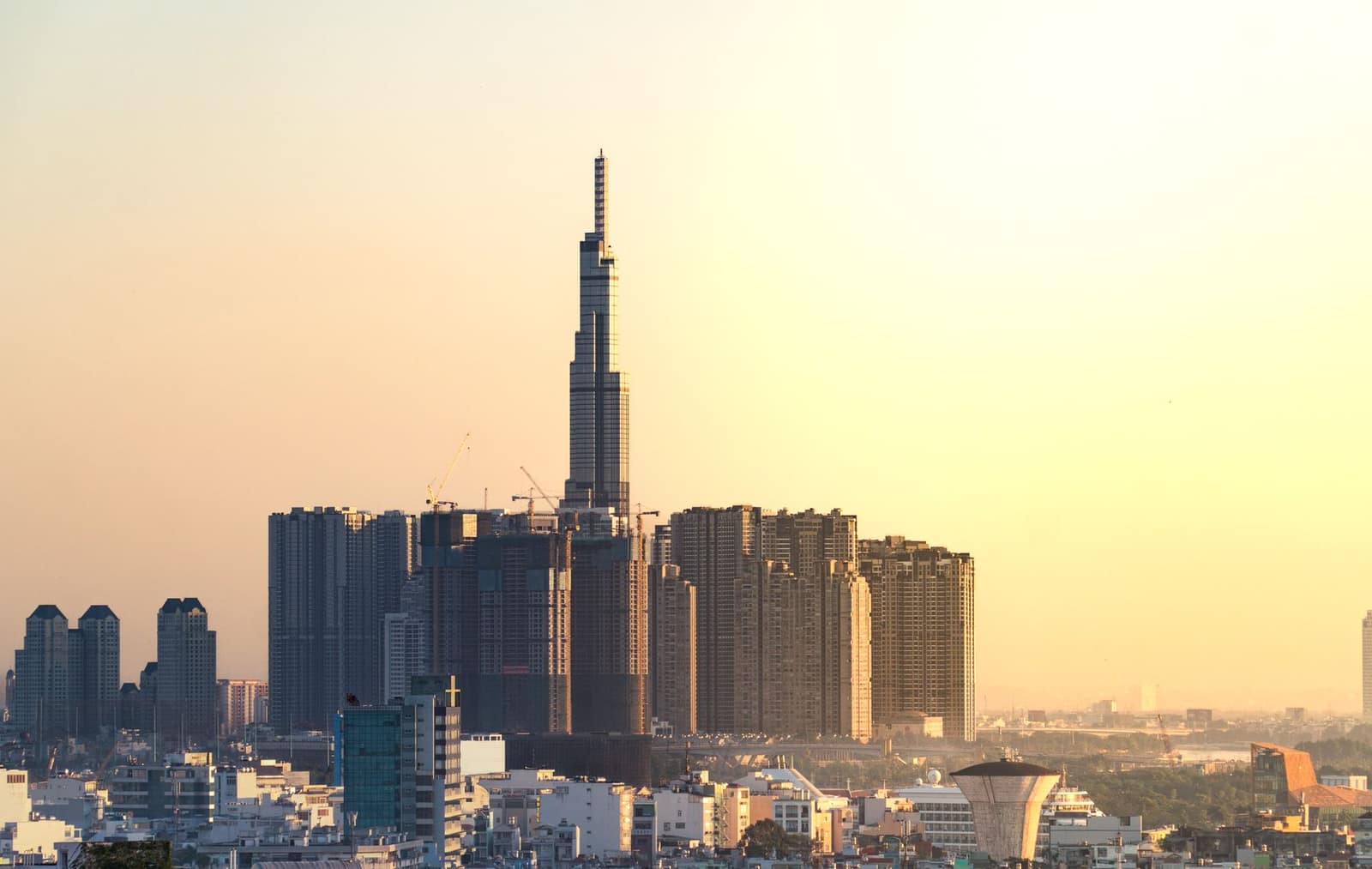 AITIGAVNDHanoiVietnamFast-growing manufacturing economy buying raw materials, yarn, steel, chemicals and feed ingredients from India.From India 2025-26US$ 6.67 bn
 CEPAJPYTokyoJapanHigh-value, quality-obsessed market. Buys shrimp, chemicals, auto parts and garments; strict food-sanitation checks.From India 2025-26US$ 6.04 bn
More in pharma & chemicals
All products →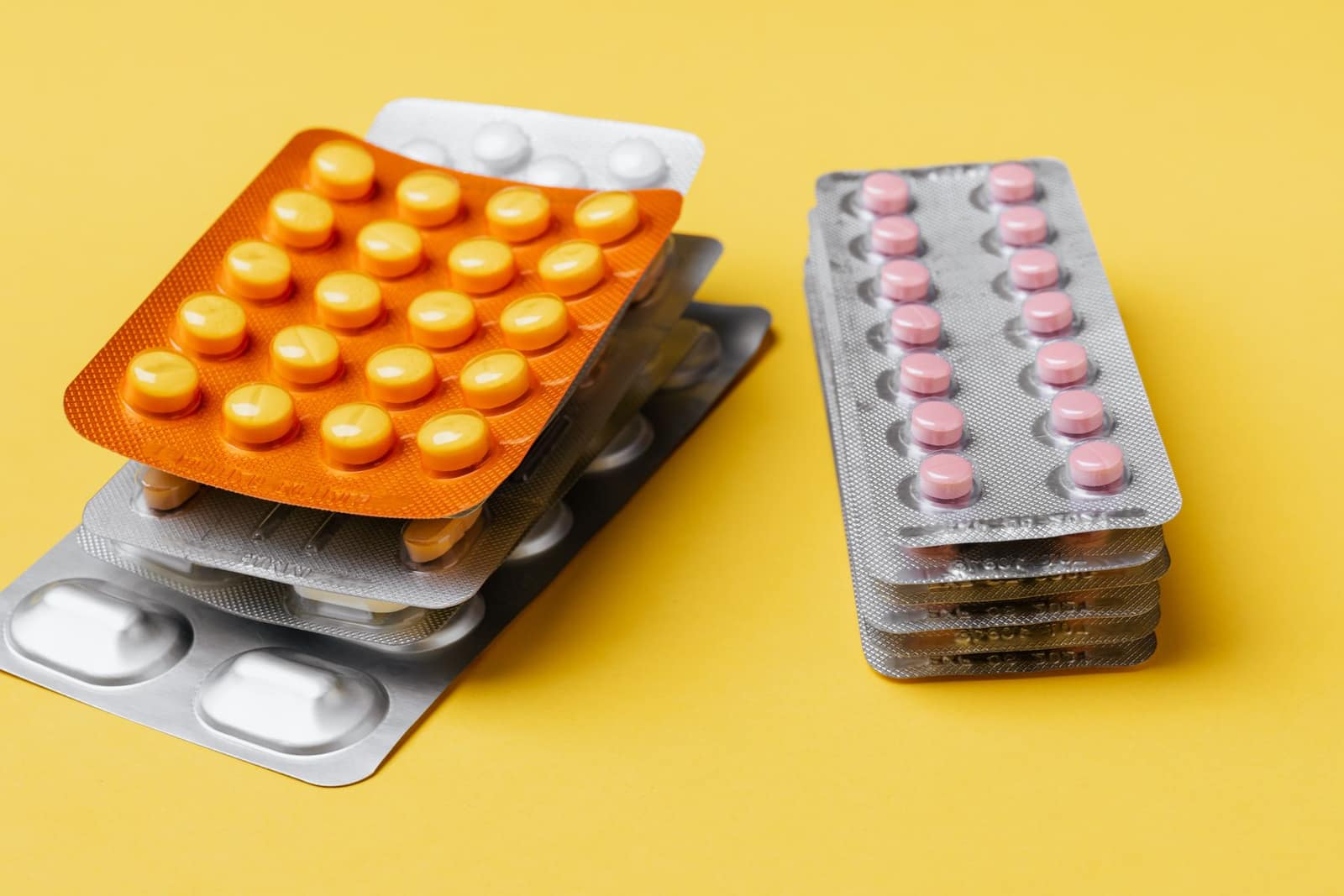 Free to exportPharma & chemicalsGeneric medicines (formulations)Tablets, capsules and injectables; every market needs product registration. The USA buys the most.HS3004Exports 2025-26US$ 21.9 bn ↓0.7%
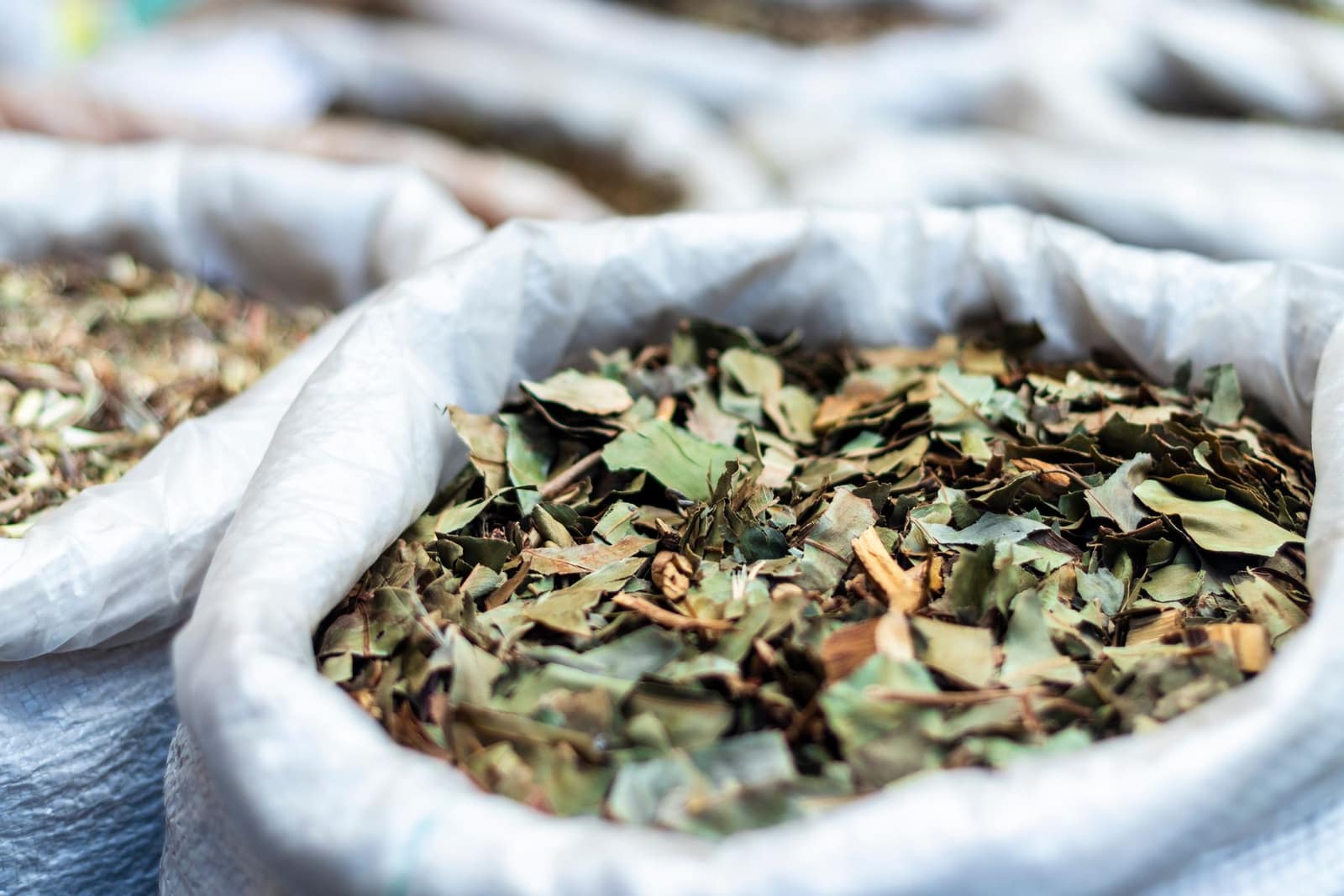 Free, with conditionsPharma & chemicalsAyurvedic and herbal productsAyurvedic medicines, supplements and herbal cosmetics; register with AYUSHEXCIL and the buyer's regulator.HS3004.90Exports 2025-26US$ 176 mn ↑7.1%
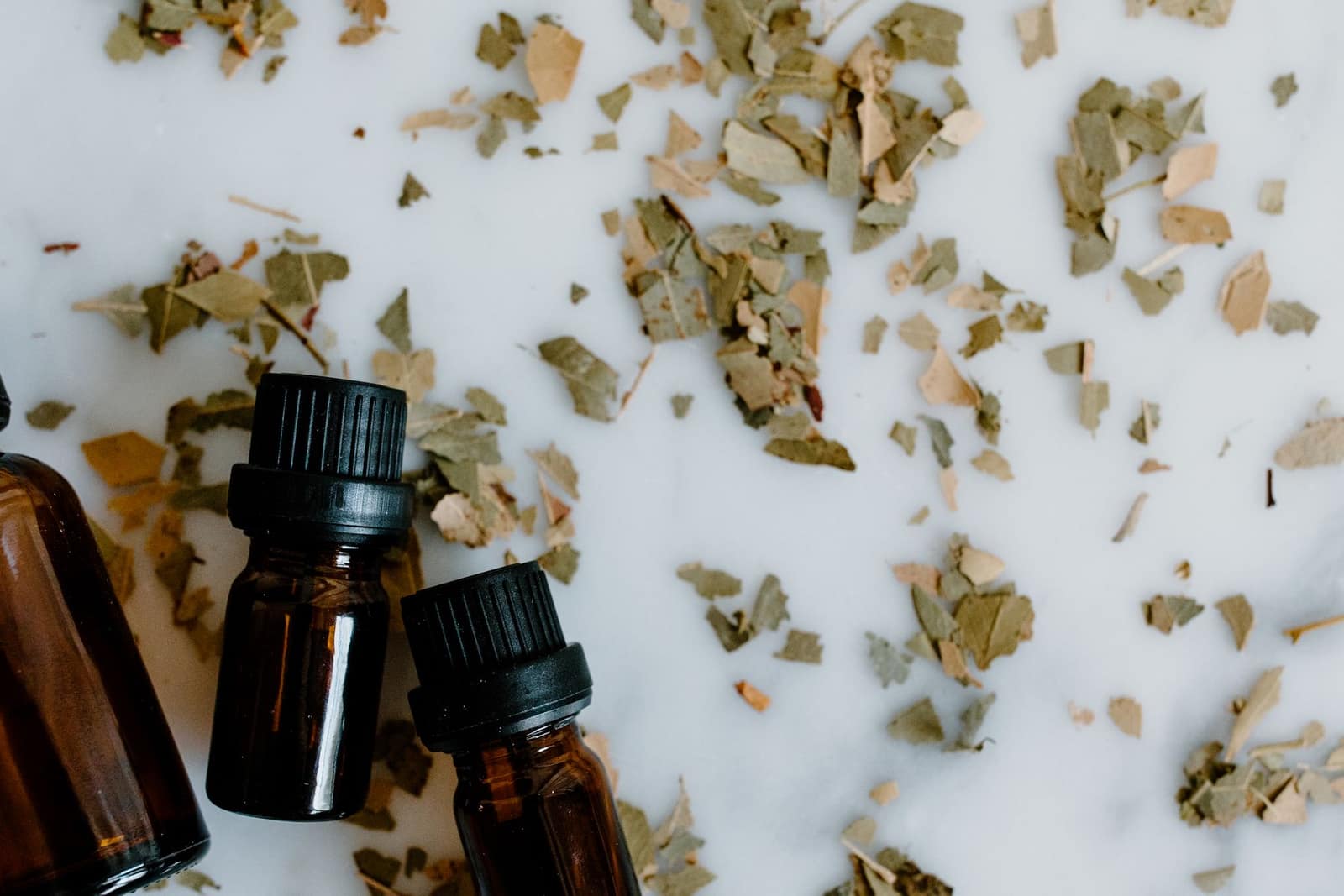 Free, with conditionsPharma & chemicalsEssential oilsMint, lemongrass, vetiver and other oils for flavour, fragrance and aromatherapy buyers; the USA leads.HS3301Exports 2025-26US$ 899 mn ↓3.3%
 Free to exportPharma & chemicalsSpice oils and oleoresinsConcentrated flavour and colour extracts for food, nutraceutical and pharma makers. India is the world leader; the USA is the biggest buyer.HS3301.90Exports 2025-26US$ 543 mn ↓1.4%