

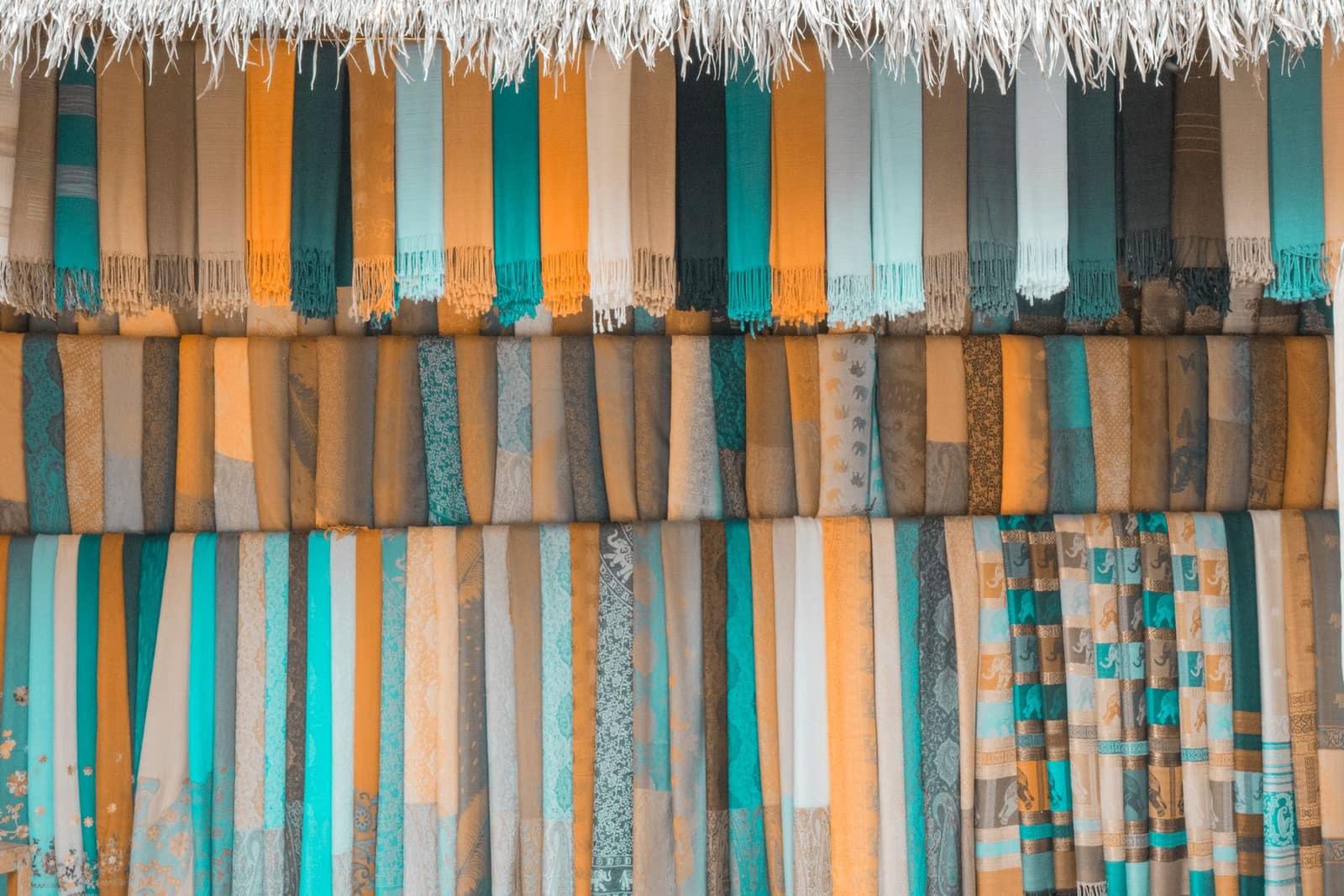
Textiles & apparel
Export shawls, stoles and scarves
Pashmina, wool, silk, cotton and viscose shawls and scarves from Kashmir, Himachal, Punjab and Varanasi for fashion importers.
- HS code
- 6214 Shawls, scarves, mufflers, mantillas and veils, woven (6214, by fibre: silk, wool, cotton, synthetic), and knitted shawls and scarves among other knitted accessories (6117).
- Export policy
- Free to export Free under ITC(HS). Shawls made from shahtoosh (Tibetan antelope wool) are banned under the Wild Life (Protection) Act and CITES — never deal in them. Confirm the 8-digit line on DGFT.
- Registrations
- 4 IEC, GST and those below
- India’s exports, 2025-26
- US$ 324 mn to 133 countries
What is exported
India exports a wide range of shawls, stoles and scarves — hand-woven Pashmina and Kani shawls from Kashmir, Kullu and Kinnauri shawls from Himachal Pradesh, woollen stoles from Amritsar and Ludhiana, silk scarves from Varanasi and Bhagalpur, and printed cotton and viscose scarves from Jaipur and Delhi. Buyers are fashion brands, boutiques and department stores in the USA, Europe, the Gulf and Japan.
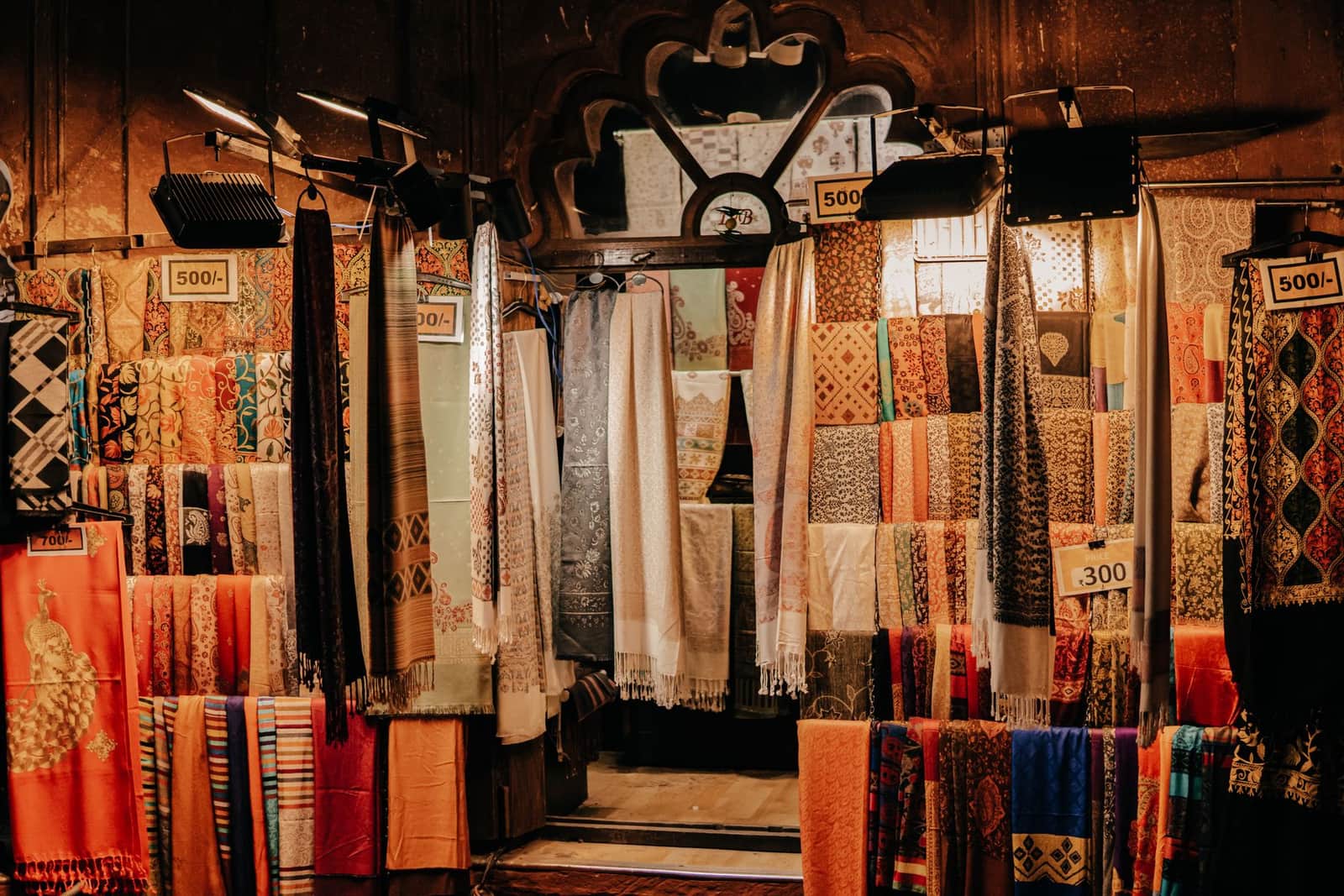
Varieties, grades and forms
- Pashmina and Kani shawlsHand-spun, hand-woven Changthangi goat fibre from Kashmir and Ladakh.
- Woollen shawls and stolesKullu, Kinnauri and Kutch shawls; Amritsar and Ludhiana machine-made stoles.
- Silk scarves and stolesVaranasi, Bhagalpur and Murshidabad silk.
- Cotton, viscose and modal scarvesPrinted and dyed fashion scarves from Jaipur and Delhi NCR.
Where it is grown or made
- Jammu & Kashmir and LadakhSrinagar and Kanihama (Kani); Ladakh Pashmina wool.
- Himachal PradeshKullu and Kinnaur.
- PunjabAmritsar and Ludhiana — woollen and acrylic shawls.
- Uttar Pradesh, Rajasthan and GujaratVaranasi silk; Jaipur prints; Kutch and Tangaliya shawls.
The quality buyers ask for
- Fibre
- Pashmina (cashmere), wool, silk, cotton, viscose, modal or blends, declared by percentage
- Size
- e.g. stoles 70×200 cm, shawls 100×200 cm, square scarves 90×90 cm
- Make
- Hand-woven, power-loom or knitted; embroidery, prints and fringes as approved
- Colour fastness
- Washing, rubbing, light and perspiration, usually grade 3–4 or better (ISO 105 / AATCC methods)
- Restricted substances
- No banned azo dyes; formaldehyde, pH and heavy metals within REACH and buyer limits
Certificates
- RCMCRequiredRegistration with the export promotion council or board for your product (not needed up to ₹3 lakh FOB per consignment since 15 Sep 2026).
- GI authorised user (Pashmina, Kani and others)Often askedTo sell under a GI name, the maker must be a registered producer or authorised user; Kashmir Pashmina pieces can carry a GI label.
- OEKO-TEX STANDARD 100Often askedTests the finished textile for harmful substances; widely asked for by retailers.
- Social audit (SA8000, BSCI/amfori, SMETA, WRAP)Often askedLabour and workplace audit required by most Western retailers before they place orders.
Shipping, storage and shelf life
Small, high-value lots by air or courier; larger orders by LCL sea freight in cartons.
Air from Delhi, Amritsar, Srinagar (via Delhi) and Mumbai; sea from Nhava Sheva and Mundra.
Cool, dry storage with moth protection for wool and silk.
What goes on the pack and carton
- USA: fibre content by percentage, country of origin and the manufacturer’s name or RN number on a permanent label (FTC Textile Act rules); care label for consumer goods.
- EU: fibre names and percentages under Regulation (EU) 1007/2011, in the language of the selling country; care symbols are commonly expected.
- Use “Pashmina” or “cashmere” only for genuine fibre, and GI names only as an authorised user.
Fibre identification (including cashmere/Pashmina) and fastness tests at textile research associations, Textiles Committee labs and NABL-accredited labs (nabl-india.org); the Craft Development Institute in Srinagar has run Pashmina testing and GI labelling.
Benefits of exporting this product
- RoSCTL instead of RoDTEP
Shawls, stoles and scarves (6214 and 6117) fall under the RoSCTL scheme (garments in Chapters 61–62, made-ups in Chapter 63), not RoDTEP; these lines are not in Appendix 4R. The rebate comes as a transferable duty credit scrip at rates and caps notified by the Ministry of Textiles. We could not open the current rate schedule or confirm the latest extension, so check your rate and the scheme’s status on texmin.nic.in and DGFT before pricing.
PIB — RoSCTL guidelines (apparel under Chapters 61–62 and made-ups under Chapter 63) ↗ - Registered GI tags
Kashmir Pashmina, Kani Shawl, Kullu Shawl, Kinnauri Shawl, Kachchh Shawls, Tangaliya Shawl, Pashmina Wool of Ladakh and Chakshesang Shawl are registered Geographical Indications. Only registered producers and authorised users may sell under these names, which helps genuine makers stand out and earn a better price.
IP India (Geographical Indications Registry) — Registration details of Geographical Indications ↗
Where to register
- TEXPROCILRCMC from the Cotton Textiles Export Promotion Council, which covers raw cotton, cotton yarn, cotton fabrics (including knit fabrics) and cotton made-ups such as towels, bed linen and scarves.texprocil.org ↗
- Wool & Woollens EPC / ISEPC / EPCHDepending on fibre and make, the RCMC can instead come from the Wool & Woollens EPC (woollen shawls), the Indian Silk EPC (silk) or EPCH (shawls as artware). Check Appendix 2T.wwepcindia.com ↗
Quality and checks
- Fibre content declared correctly — buyers test “Pashmina” and “cashmere” claims, and the US and EU require accurate fibre labels.
- Colour fastness, azo-free dyes and REACH limits for the EU.
- US tariffs on Indian goods changed several times in 2025–26 (US-India joint statement of February 2026 and later US actions). Check the current US duty for your HTS line and confirm it with the buyer before quoting.
Start with printed viscose or cotton scarves from Jaipur or Delhi, or GI-tagged Pashmina from an authorised Kashmir producer, and sell to boutiques and online stores. Ship by courier or air cargo in small lots. Since 15 September 2026, a consignment worth up to ₹3 lakh FOB does not need an RCMC (DGFT Notification 36/2026-27). Registrations that a law requires for the product still apply.
Where new exporters go wrong
- Selling machine-made blends as hand-woven Pashmina — a fraud that leads to claims and blacklisting.
- Any shahtoosh content: it is illegal and leads to seizure and prosecution.
- Fringes and tassels counted wrongly in size declarations; agree measurements with the buyer.
Documents this product needs
Schemes that apply
Sources (7)
- DGFT — ITC(HS) export policy search (Schedule 2)
- TEXPROCIL — The Cotton Textiles Export Promotion Council
- Wool & Woollens Export Promotion Council
- EPCH — Export Promotion Council for Handicrafts
- PIB — RoSCTL guidelines (apparel under Chapters 61–62 and made-ups under Chapter 63)
- IP India (Geographical Indications Registry) — Registration details of Geographical Indications
- US FTC — Labeling requirements under the Textile and Wool Acts
Trade data
Indian shawls, stoles and scarves exports in numbers
From the Department of Commerce’s TradeStat, country by country. US$, Indian financial years (April–March).
- Exports in 2025-26
- US$ 324 mn -0.2% a year on average, 2020-21 to 2025-26
- Change from 2024-25
- ↑ +16.4% US$ 279 mn → US$ 324 mn
- Buyer countries
- 133
- Average export price
- US$ 2.93 per kg · 1,10,673 tonnes shipped · US$ 2.55 the year before
The price cycle
India’s average export price per kg each year (total value ÷ total quantity). Highest in 2021-22, lowest in 2024-25 — a 20% swing between them. Keep this swing in mind when you quote.
What next: a projection from the trend
The past trend carried forward — not a forecast by any authority. Sudden changes in policy, prices or demand are not in it.
Likely range US$ 267 mn to US$ 328 mn.
- Trend
- -1.1% a year
- Fit (R²)
- 0.1 — weak, read with care
- Based on
- 6 years of official figures
Method: a straight line through the logarithm of yearly exports (log-linear regression); range = ±1 standard error.
Biggest buyer countries
By value in 2025-26. Change is against 2024-25.
Where demand is rising and falling
Only countries that buy at least US$ 1 million or 1% of India’s exports of this product. Change from 2024-25 to 2025-26.
↑ High demand
- NigeriaUS$ 3 mn → US$ 5.6 mn↑+89.5%
- QatarUS$ 2.9 mn → US$ 4.7 mn↑+61.7%
- BangladeshUS$ 3.3 mn → US$ 4.9 mn↑+48.5%
- BrazilUS$ 4 mn → US$ 5.6 mn↑+41.2%
- MalaysiaUS$ 3.5 mn → US$ 4.9 mn↑+40.3%
- United States of AmericaUS$ 17.5 mn → US$ 23.6 mn↑+35.5%
- United Arab EmiratesUS$ 79.8 mn → US$ 103 mn↑+28.7%
- KenyaUS$ 5 mn → US$ 6.3 mn↑+25.5%
↓ Low demand
- Saudi ArabiaUS$ 16.1 mn → US$ 12.5 mn↓-22.2%
Which forms sell, and at what price
India’s exports by 8-digit tariff line, 2025-26. Average price = total value ÷ total quantity (TradeStat): the average of every shipment on that line, not the price of any one deal.
| Tariff line | Value 2025-26 | Change | Quantity | Average price |
|---|---|---|---|---|
Shawls,scarves,etc. of other txtl fibres-other6214 90 99 · Shawls, scarves, mufflers, mantillas, veils and the like, of textile materials in heading no. 6214 | US$ 60.4 mn | ↑+4.1% | 28.4 mn pieces | US$ 2.12 per piecewas US$ 2.08 |
Shawls, scarves, mufflers, mantillas, veils and the like, of wool or fine animal hair — shawls of wool6214 20 10 | US$ 47.8 mn | ↑+13.6% | 2.2 mn pieces | US$ 22.01 per piecewas US$ 21.84 |
Shwls,scrvs,mufflers etc. of synthtc fbrs-other6214 30 90 · Shawls, scarves, mufflers, mantillas, veils and the like, of synthetic fibres | US$ 45.1 mn | ↑+16.7% | 27.0 mn pieces | US$ 1.67 per piecewas US$ 1.58 |
Shawls, scarves, mufflers, mantillas, veils and the like, of silk or silk waste — scarves of silk, handloom6214 10 30 | US$ 42.5 mn | ↑+139.7% | 5.0 mn pieces | US$ 8.50 per piecewas US$ 8.90 |
Shawls muffelers etc. of manmade fibre-other6214 90 69 · Shawls, scarves, mufflers, mantillas, veils and the like, of textile materials in heading no. 6214 | US$ 23.9 mn | ↓-6% | 11.8 mn pieces | US$ 2.03 per piecewas US$ 2.00 |
Shawls, scarves, mufflers, mantillas, veils and the like, of textile materials in heading no. 6214 — scarves cotton-other6214 90 49 | US$ 16.2 mn | ↑+28.2% | 5.3 mn pieces | US$ 3.02 per piecewas US$ 2.76 |
Shwls,scrvs,etc. of slk,others6214 10 90 · Shawls, scarves, mufflers, mantillas, veils and the like, of silk or silk waste | US$ 14.6 mn | ↓-2.1% | 5.2 mn pieces | US$ 2.82 per piecewas US$ 1.92 |
Other itms of wool other thn shwls,scrvs and mufflers6214 20 90 · Shawls, scarves, mufflers, mantillas, veils and the like, of wool or fine animal hair | US$ 12.9 mn | ↑+21% | 1.7 mn pieces | US$ 7.69 per piecewas US$ 4.50 |
Shawls, scarves, mufflers, mantillas, veils and the like, of wool or fine animal hair — scarves:other6214 20 29 | US$ 12.5 mn | ↑+14.2% | 2.4 mn pieces | US$ 5.13 per piecewas US$ 5.01 |
Scrvs of slk msrng 60 cm/less,hnd printed6214 10 20 · Shawls, scarves, mufflers, mantillas, veils and the like, of silk or silk waste | US$ 10.9 mn | ↑+16.5% | 1.8 mn pieces | US$ 6.21 per piecewas US$ 6.02 |
Shawls, scarves, mufflers, mantillas, veils and the like, of textile materials in heading no. 6214 — odhani,cotton,n.e.s.6214 90 39 | US$ 7.5 mn | ↓-15.2% | 5.6 mn pieces | US$ 1.34 per piecewas US$ 1.26 |
Shawls,mufflers and the like of cotton-other6214 90 59 · Shawls, scarves, mufflers, mantillas, veils and the like, of textile materials in heading no. 6214 | US$ 5.6 mn | ↓-7.6% | 2.8 mn pieces | US$ 2.02 per piecewas US$ 1.89 |
Shwls scrvs,mufflrs etc. of artificial fbrs - other6214 40 90 · Shawls, scarves, mufflers, mantillas, veils and the like, of artificial fibres | US$ 5.1 mn | ↓-14.4% | 2.6 mn pieces | US$ 1.93 per piecewas US$ 2.02 |
Shwl, scrv, muflr etc. of cotton6117 10 30 · Shawls, scarves, mufflers, mantillas, veils and the like, knitted or crocheted | US$ 3 mn | ↑+53.6% | 722k pieces | US$ 4.13 per piecewas US$ 3.33 |
The world market
Each country’s own recorded exports and imports in UN Comtrade, 2023 (the latest year nearly every country has reported).
- World imports
- US$ 5.32 bn 2023
- India among exporters
- #4 of 145 countries
- India’s share of world exports
- 4.3% US$ 317 mn
- Left for others to win
- US$ 7.12 bn exported by other countries
Top exporters — your competitors
- 1ChinaUS$ 3.56 bn 47.9%
- 2ItalyUS$ 864 mn 11.6%
- 3FranceUS$ 828 mn 11.1%
- 4IndiaUS$ 317 mn 4.3%
- 5GermanyUS$ 217 mn 2.9%
- 6SpainUS$ 156 mn 2.1%
- 7United KingdomUS$ 153 mn 2.1%
- 8China, Hong Kong SARUS$ 122 mn 1.6%
- 9TürkiyeUS$ 114 mn 1.5%
- 10NetherlandsUS$ 81.3 mn 1.1%
Biggest buyers in the world
- 1USAUS$ 645 mn 12.1%
- 2FranceUS$ 501 mn 9.4%
- 3GermanyUS$ 352 mn 6.6%
- 4ChinaUS$ 350 mn 6.6%
- 5JapanUS$ 341 mn 6.4%
- 6ItalyUS$ 251 mn 4.7%
- 7Rep. of KoreaUS$ 219 mn 4.1%
- 8United KingdomUS$ 199 mn 3.7%
- 9China, Hong Kong SARUS$ 172 mn 3.2%
- 10SpainUS$ 148 mn 2.8%
Opportunity: what these countries buy from the world, and from India
Each country’s own recorded imports in UN Comtrade, latest year it has reported. The long light part of each bar is demand other countries are filling today.
TradeStat’s 2023-24 quantities are double-counted, so that year is left out of the price. Sources: TradeStat — Export Import Data Bank, Department of Commerce · UN Comtrade database (United Nations Statistics Division) · Figures taken 29 October 2026.
Step by step
How to export shawls, stoles and scarves
China and Italy dominate the high-volume and luxury scarf trade; India is a major supplier of printed cotton and viscose scarves and the home of hand-woven Pashmina and other regional shawls. Demand is seasonal for woollens and year-round for light scarves. Fashion buyers value handwork, natural fibres and GI-backed authenticity. Openings lie in certified Pashmina, sustainable fibres and small-batch boutique supply.
- 01Send samples and agree the spec
Send swatches or cones with test reports; fix construction, GSM or count, shade, tolerances, packing and the testing lab in the purchase order.
- 02Source from genuine makers
Buy from known weavers or units; keep fibre and GI documents.
- 03Finish and label
Wash, finish, attach fibre and care labels and hangtags.
- 04Test and inspect
Test fibre content and fastness; inspect each piece for flaws.
- 05Book, stuff and file the shipping bill
Book the container, stuff it at the factory or a CFS, file the shipping bill on ICEGATE with the correct 8-digit code and the RoDTEP/RoSCTL declaration, and get the bill of lading.
- 06Get paid and close the file
Send the original documents through your bank (or to the buyer if paid in advance). Once the money arrives, get the e-BRC and claim RoDTEP, RoSCTL or drawback where they apply.
Meet buyers
Trade fairs
Questions
Questions about exporting shawls, stoles and scarves
Which council issues the RCMC?
Can I sell shahtoosh?
How do buyers check Pashmina?
Do shawls get RoDTEP?
When should I sell woollen shawls?
Sources (7)
- TEXPROCIL — The Cotton Textiles Export Promotion Council
- Wool & Woollens Export Promotion Council
- EPCH — Export Promotion Council for Handicrafts
- Indian Silk Export Promotion Council (ISEPC)
- PIB — RoSCTL guidelines (apparel under Chapters 61–62 and made-ups under Chapter 63)
- IP India (Geographical Indications Registry) — Registration details of Geographical Indications
- US FTC — Labeling requirements under the Textile and Wool Acts
Who buys Indian shawls, stoles and scarves
All countries → USDWashington, D.C.United States of AmericaIndia's largest single-country export market. Strict FDA rules for food; extra 10% US duty on most goods since July 2026.From India 2025-26US$ 87.3 bn
 CEPAAEDAbu DhabiUnited Arab EmiratesIndia's biggest Gulf buyer and a re-export hub for the Middle East and Africa. CEPA in force since 2022.From India 2025-26US$ 37.4 bn
 CETAGBPLondonUnited KingdomNew CETA in force since July 2026 — most Indian goods now enter duty-free. Strong market for garments, food and engineering.From India 2025-26US$ 13.4 bn
 EURBerlinGermanyEurope's largest economy and India's biggest EU partner. Values quality, certificates and supply-chain transparency.From India 2025-26US$ 11.5 bn
 EURParisFranceFashion, food and design market. EU rules plus French-language labels; SIAL Paris is a key food fair.From India 2025-26US$ 7.1 bn
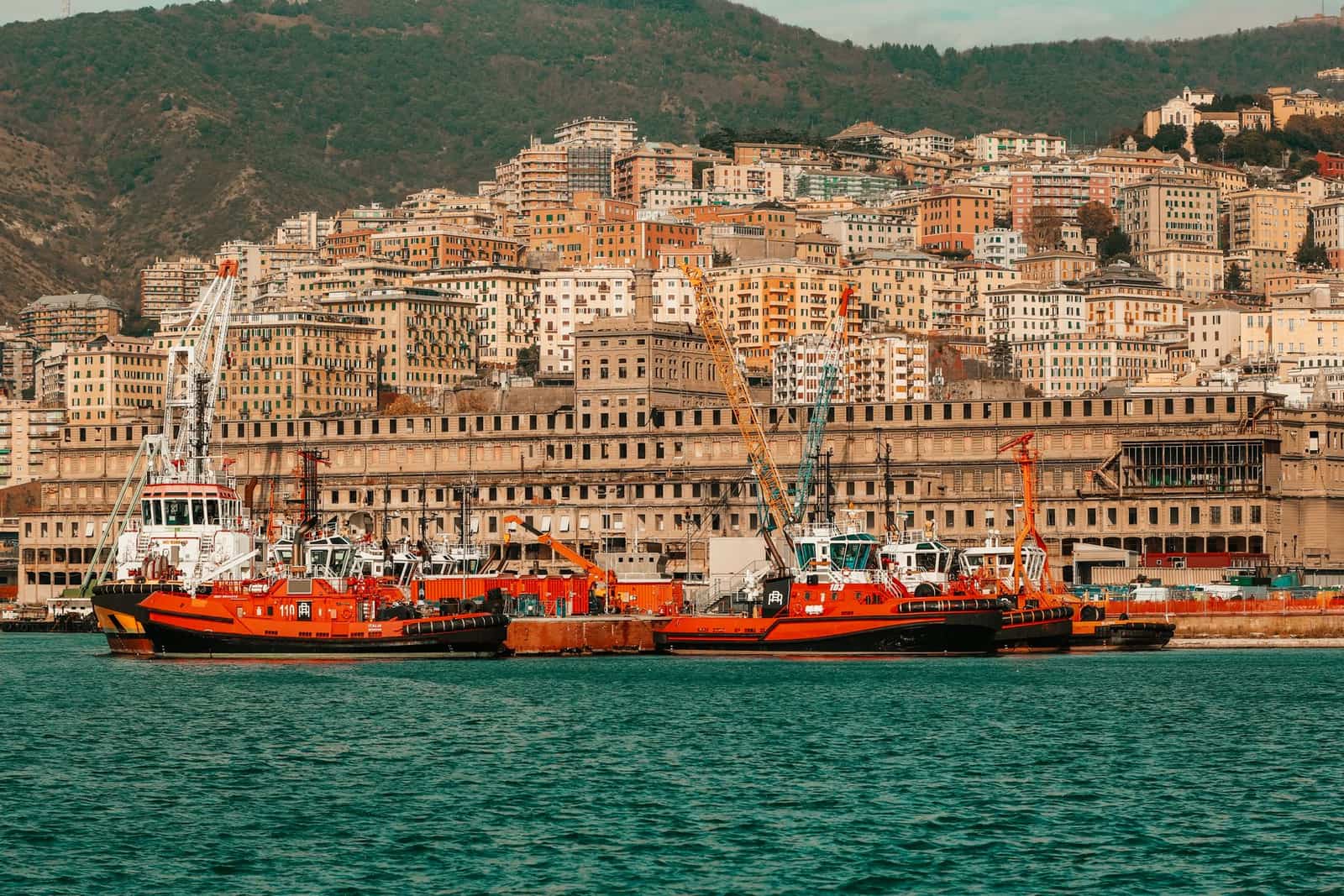 EURRomeItalyManufacturing buyer of Indian leather, yarn, castings, chemicals and seafood. EU rules apply.From India 2025-26US$ 7.79 bn
More in textiles & apparel
All products →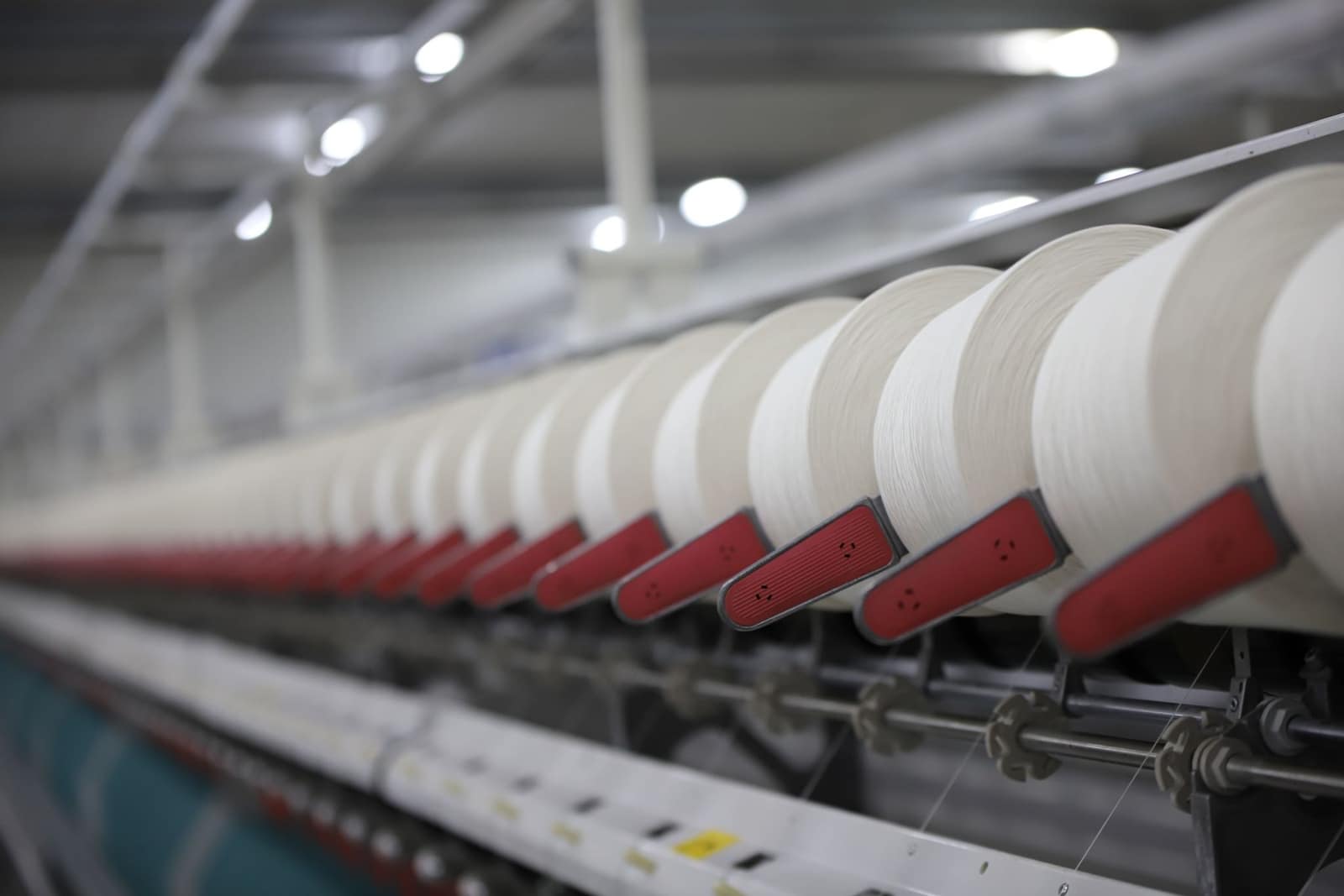 Free to exportTextiles & apparelCotton yarnBulk cotton yarn sold to weaving and knitting mills abroad; Bangladesh is by far the largest buyer.HS5205Exports 2025-26US$ 3.22 bn ↓4.1%
 Free to exportTextiles & apparelReadymade garmentsKnitted and woven clothing for brands and retailers; the USA, UK, UAE and the EU are the big buyers.HS6109.10Exports 2025-26US$ 15.8 bn ↓1.2%
 Free to exportTextiles & apparelHome textiles (bed, bath and kitchen linen)Bedsheets, towels and kitchen linen for retailers; the USA buys more than half of India's exports.HS6302Exports 2025-26US$ 2.01 bn ↓5.7%
 Free to exportTextiles & apparelHandloom productsHand-woven fabrics, stoles and furnishings; buyers pay for craft, story and certified handloom origin.HS6304Exports 2025-26US$ 1.75 bn ↓8.6%