


Other goods
Export salt
Bulk industrial sea salt from Gujarat to China, Korea and Japan; packed edible salt to neighbours.
- HS code
- 2501 Salt, including table salt, iodised salt, industrial salt and pure sodium chloride, and sea water.
- Export policy
- Free to export Free to export under ITC(HS) Schedule 2 (no condition listed). Confirm the current entry on the DGFT ITC(HS) search before you sign a contract.
- Registrations
- 5 IEC, GST and those below
- India’s exports, 2025-26
- US$ 388 mn to 100 countries
What is exported
Most Indian salt is solar sea salt from Gujarat, with Tamil Nadu and Rajasthan next. Exports are mainly bulk industrial salt for chemical plants (chlor-alkali and soda ash) in East Asia, plus packed edible and iodised salt for neighbouring countries and the Gulf. In 2025-26 India exported about US$ 388 million under HS 2501; China led, followed by South Korea, Japan, Indonesia, Vietnam and Qatar.

Varieties, grades and forms
- Industrial (crude) sea saltFor chlor-alkali, soda ash and other chemical plants; sold by NaCl purity and moisture.
- Refined free-flow and iodised saltTable salt in retail packs for food markets.
- Rock and speciality saltsRock salt, black salt (kala namak) and gourmet sea salts for diaspora and gourmet buyers.
- De-icing and water-softener saltCoarse salt for road de-icing and water treatment.
Where it is grown or made
- GujaratKutch (Gandhidham, Kandla, Mundra), Jamnagar, Bhavnagar and the Little Rann — the bulk of Indian salt
- Tamil NaduThoothukudi (Tuticorin) and Vedaranyam
- RajasthanSambhar, Nawa and Didwana — inland lake salt
- Andhra Pradesh and OdishaCoastal salt pans
The quality buyers ask for
- NaCl purity
- Industrial grades commonly 97–99% NaCl on dry basis, as per contract
- Moisture
- Maximum moisture agreed in the contract (crude salt is wetter than refined)
- Impurities
- Limits on calcium, magnesium, sulphate and insoluble matter
- Edible salt
- Codex CXS 150 food-grade salt; iodine content as per the importing country's rule
- Particle size
- Grain size distribution as agreed (fine, medium, coarse)
Certificates
- FSSAI licence (edible salt)RequiredThe manufacturer's food licence; asked by food importers.
- Certificate of analysis and survey reportRequiredIndependent lab analysis and draft survey for every bulk shipment.
- Health certificateOften askedSome food importers ask for a health or free-sale certificate for edible salt.
- Halal / kosherOften askedOptional, for certain food markets.
Shipping, storage and shelf life
A 20-ft container of packed salt typically carries about 25–27 tonnes (weight-limited). Industrial salt moves in bulk vessels of tens of thousands of tonnes.
Bulk from Kandla (Deendayal), Mundra, Navlakhi and Tuticorin; containers from Mundra and Tuticorin; road to Nepal and Bangladesh.
Covered, dry storage; salt corrodes metal and absorbs moisture.
What goes on the pack and carton
- Edible salt: product name, iodised or not, net weight, batch, dates, manufacturer and importer details in the market language.
- Industrial bags: grade, net weight, lot and "Made in India".
- Nutrition panel where the importing country requires it for food salt.
CSIR-CSMCRI, Bhavnagar, is India's salt research institute and tests salt. FSSAI-notified and NABL-accredited food labs test edible salt and iodine; independent surveyors test bulk lots at the port.
Benefits of exporting this product
- RoDTEP: line not listed
Heading 2501 does not appear in the Appendix 4R schedule in force (w.e.f. 10 Oct 2024, continued to 31 Dec 2026), so do not count on a RoDTEP credit in your price. Check the DGFT RoDTEP page in case lines are added.
DGFT — Appendix 4R, RoDTEP schedule for DTA exports w.e.f. 10.10.2024 (Notification 32/2024-25); rates continued to 31.12.2026 by Notification 41/2026-27 ↗ - Duty drawback: 0.15% of FOB
Drawback item 250101 (common salt, including iodised salt, in HDPE, LDPE or PP packs or bags) has an All Industry Rate of 0.15% of FOB, paid into your bank account. It is not available on exports under Advance Authorisation or from EOU/SEZ units. Salt in other forms, including loose bulk salt (250199), gets nil. Check the current schedule on the CBIC drawback page before shipping.
Gazette of India — Notification 77/2023-Customs (N.T.) dated 20.10.2023: All Industry Rates of duty drawback ↗
Where to register
- Salt CommissionerThe Office of the Salt Commissioner (Ministry of Commerce) regulates salt production and keeps data on manufacturers and exports; buy from registered manufacturers.saltcomindia.gov.in ↗
- FSSAIEdible salt is a food: the manufacturer needs an FSSAI licence, and many importers ask for it.fssai.gov.in ↗
- FIEOSalt is not named for a specific council in Appendix 2T; take the RCMC from FIEO.fieo.org ↗
Quality and checks
- Industrial salt: sodium chloride purity, moisture, insoluble matter, calcium and magnesium — tested per lot against the contract.
- Edible salt: the Codex standard for food-grade salt is the common reference; iodine level must meet the importing country's rule.
- Independent survey at loading (weight and quality) is standard for bulk vessels.
Bulk industrial salt needs shiploads and port tie-ups, so a newcomer usually starts with packed edible salt (iodised, rock salt or speciality sea salt) for importers in Nepal, Bangladesh, the Gulf or diaspora grocery chains. Source from an FSSAI-licensed refinery and ship in 20-ft containers.
Where new exporters go wrong
- Salt absorbs moisture and cakes or corrodes — use lined bags and dry containers.
- Iodine level below the importing country's minimum — the shipment is rejected at the border.
- Weight loss claims on bulk cargo — agree an independent surveyor and the moisture allowance in the contract.
Documents this product needs
Schemes that apply
Sources (7)
- Department of Commerce, Export Import Data Bank — India's exports of HS 2501 by country, 2025-26
- DGFT — Appendix 2T: Export Promotion Councils and the products under each
- DGFT — ITC(HS) export policy search (Schedule 2)
- Office of the Salt Commissioner, Government of India
- FSSAI — Food Safety and Standards Authority of India
- FIEO — Federation of Indian Export Organisations (RCMC for products without a specific council)
- Codex Alimentarius — Standard for Food Grade Salt (CXS 150-1985)
Trade data
Indian salt exports in numbers
From the Department of Commerce’s TradeStat, country by country. US$, Indian financial years (April–March).
- Exports in 2025-26
- US$ 388 mn +16.9% a year on average, 2020-21 to 2025-26
- Change from 2024-25
- ↓ -13.5% US$ 449 mn → US$ 388 mn
- Buyer countries
- 100
- Average export price
- US$ 0.02 per kg · 19.23 mn tonnes shipped · US$ 0.02 the year before
The price cycle
India’s average export price per kg each year (total value ÷ total quantity). Highest in 2022-23, lowest in 2020-21 — a 19% swing between them. Keep this swing in mind when you quote.
What next: a projection from the trend
The past trend carried forward — not a forecast by any authority. Sudden changes in policy, prices or demand are not in it.
Likely range US$ 518 mn to US$ 875 mn.
- Trend
- +19.6% a year
- Fit (R²)
- 0.83
- Based on
- 6 years of official figures
Method: a straight line through the logarithm of yearly exports (log-linear regression); range = ±1 standard error.
Biggest buyer countries
By value in 2025-26. Change is against 2024-25.
Where demand is rising and falling
Only countries that buy at least US$ 1 million or 1% of India’s exports of this product. Change from 2024-25 to 2025-26.
↑ High demand
- Sri LankaUS$ 1.7 mn → US$ 10.9 mn↑+538.2%
- VietnamUS$ 10.8 mn → US$ 14.2 mn↑+31.7%
- JapanUS$ 21.4 mn → US$ 28.2 mn↑+31.3%
- BangladeshUS$ 11 mn → US$ 12.4 mn↑+13.2%
↓ Low demand
Which forms sell, and at what price
India’s exports by 8-digit tariff line, 2025-26. Average price = total value ÷ total quantity (TradeStat): the average of every shipment on that line, not the price of any one deal.
| Tariff line | Value 2025-26 | Change | Quantity | Average price |
|---|---|---|---|---|
Salt, pure sodium chloride whether or not in aqueous solution, sea water — other salts2501 00 90 | US$ 338 mn | ↓-15.9% | 18.31 mn tonnes | US$ 0.02 per kgwas US$ 0.02 |
Common salt(including iodised salt)2501 00 10 · Salt, pure sodium chloride whether or not in aqueous solution, sea water | US$ 42.1 mn | ↑+8.2% | 6,86,695 tonnes | US$ 0.06 per kgwas US$ 0.06 |
Salt, pure sodium chloride whether or not in aqueous solution, sea water — rock salt2501 00 20 | US$ 8 mn | ↑+1.7% | 2,36,412 tonnes | US$ 0.03 per kgwas US$ 0.04 |
The world market
Each country’s own recorded exports and imports in UN Comtrade, 2023 (the latest year nearly every country has reported).
- World imports
- US$ 5.05 bn 2023
- India among exporters
- #3 of 149 countries
- India’s share of world exports
- 10.1% US$ 333 mn
- Left for others to win
- US$ 2.98 bn exported by other countries
Top exporters — your competitors
- 1NetherlandsUS$ 408 mn 12.3%
- 2GermanyUS$ 380 mn 11.4%
- 3IndiaUS$ 333 mn 10.1%
- 4USAUS$ 258 mn 7.8%
- 5ChileUS$ 175 mn 5.3%
- 6SpainUS$ 163 mn 4.9%
- 7CanadaUS$ 155 mn 4.7%
- 8ChinaUS$ 130 mn 3.9%
- 9United KingdomUS$ 85.4 mn 2.6%
- 10FranceUS$ 71.9 mn 2.2%
Biggest buyers in the world
- 1USAUS$ 688 mn 13.6%
- 2ChinaUS$ 453 mn 9%
- 3JapanUS$ 316 mn 6.3%
- 4GermanyUS$ 262 mn 5.2%
- 5Rep. of KoreaUS$ 247 mn 4.9%
- 6CanadaUS$ 216 mn 4.3%
- 7BelgiumUS$ 151 mn 3%
- 8Other Asia, nesUS$ 148 mn 2.9%
- 9FranceUS$ 137 mn 2.7%
- 10United KingdomUS$ 136 mn 2.7%
Opportunity: what these countries buy from the world, and from India
Each country’s own recorded imports in UN Comtrade, latest year it has reported. The long light part of each bar is demand other countries are filling today.
TradeStat’s 2023-24 quantities are double-counted, so that year is left out of the price. Sources: TradeStat — Export Import Data Bank, Department of Commerce · UN Comtrade database (United Nations Statistics Division) · Figures taken 29 October 2026.
Step by step
How to export salt
India is one of the world's largest salt producers, and Gujarat alone makes most of the country's salt. Exports are dominated by industrial sea salt for chemical plants in China, South Korea, Japan and South-East Asia, where demand follows chlor-alkali and soda-ash production. Australia, Mexico and Chile are the main competitors in seaborne industrial salt. Edible salt exports are smaller and go mainly to neighbouring countries, the Gulf and diaspora markets. Openings are in steady industrial contracts for large producers and, for smaller exporters, packed iodised, rock and speciality salts.
- 01Pick the segment
Industrial bulk (needs volume and port access) or packed edible salt.
- 02Source
Buy from registered salt works or FSSAI-licensed refineries.
- 03Register
IEC, GST LUT and RCMC (FIEO).
- 04Agree specification
NaCl, moisture, impurities, grain size and survey terms.
- 05Test and survey
Independent lab analysis and weight survey at loading.
- 06Ship and get paid
LC is common for bulk; claim drawback (0.15%) only on packed common salt.
Questions
Questions about exporting salt
Is salt export free?
Does salt get RoDTEP?
Who buys Indian industrial salt?
Do I need FSSAI for edible salt exports?
Who regulates salt in India?
Sources (8)
- Office of the Salt Commissioner, Government of India
- FSSAI — Food Safety and Standards Authority of India
- FIEO — Federation of Indian Export Organisations (RCMC for products without a specific council)
- Codex Alimentarius — Standard for Food Grade Salt (CXS 150-1985)
- CSIR-Central Salt and Marine Chemicals Research Institute (CSMCRI), Bhavnagar
- NABL — search for accredited testing laboratories
- DGFT — ITC(HS) export policy search (Schedule 2)
- Gazette of India — Notification 77/2023-Customs (N.T.) dated 20.10.2023: All Industry Rates of duty drawback
Who buys Indian salt
All countries →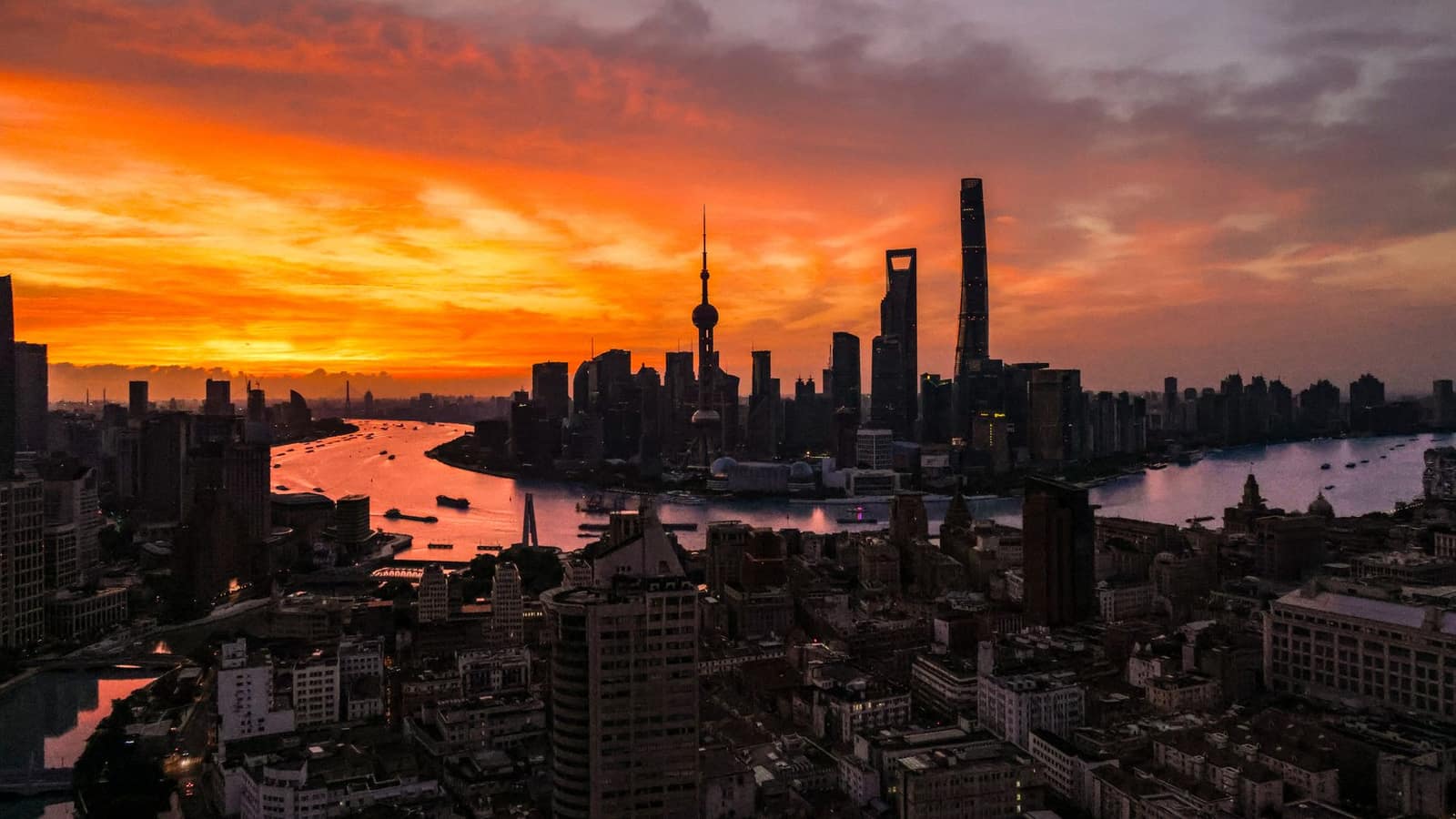 APTACNYBeijingChinaHuge market, but mostly for raw materials. Food plants must be registered with GACC; fresh produce needs a protocol.From India 2025-26US$ 19.5 bn
 CEPAKRWSeoulSouth KoreaIndustrial buyer of Indian naphtha, metals, chemicals and yarn. Food plants must register with MFDS first.From India 2025-26US$ 6.01 bn
 CEPAJPYTokyoJapanHigh-value, quality-obsessed market. Buys shrimp, chemicals, auto parts and garments; strict food-sanitation checks.From India 2025-26US$ 6.04 bn
 AITIGAIDRJakartaIndonesiaWorld's fourth most populous country. Buys Indian vehicles, steel, chemicals, groundnuts and meat; halal and BPOM rules for food.From India 2025-26US$ 4.49 bn
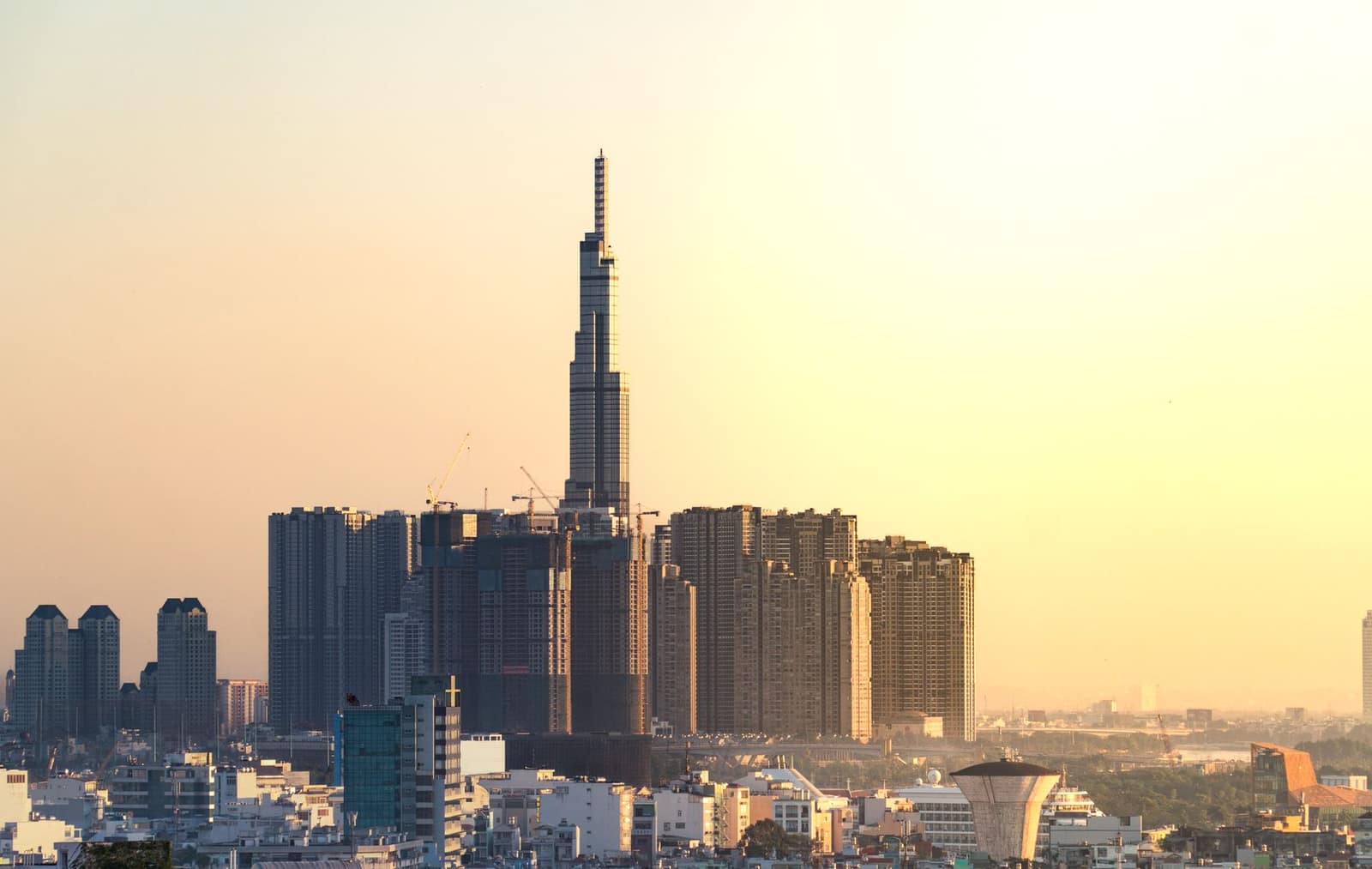 AITIGAVNDHanoiVietnamFast-growing manufacturing economy buying raw materials, yarn, steel, chemicals and feed ingredients from India.From India 2025-26US$ 6.67 bn
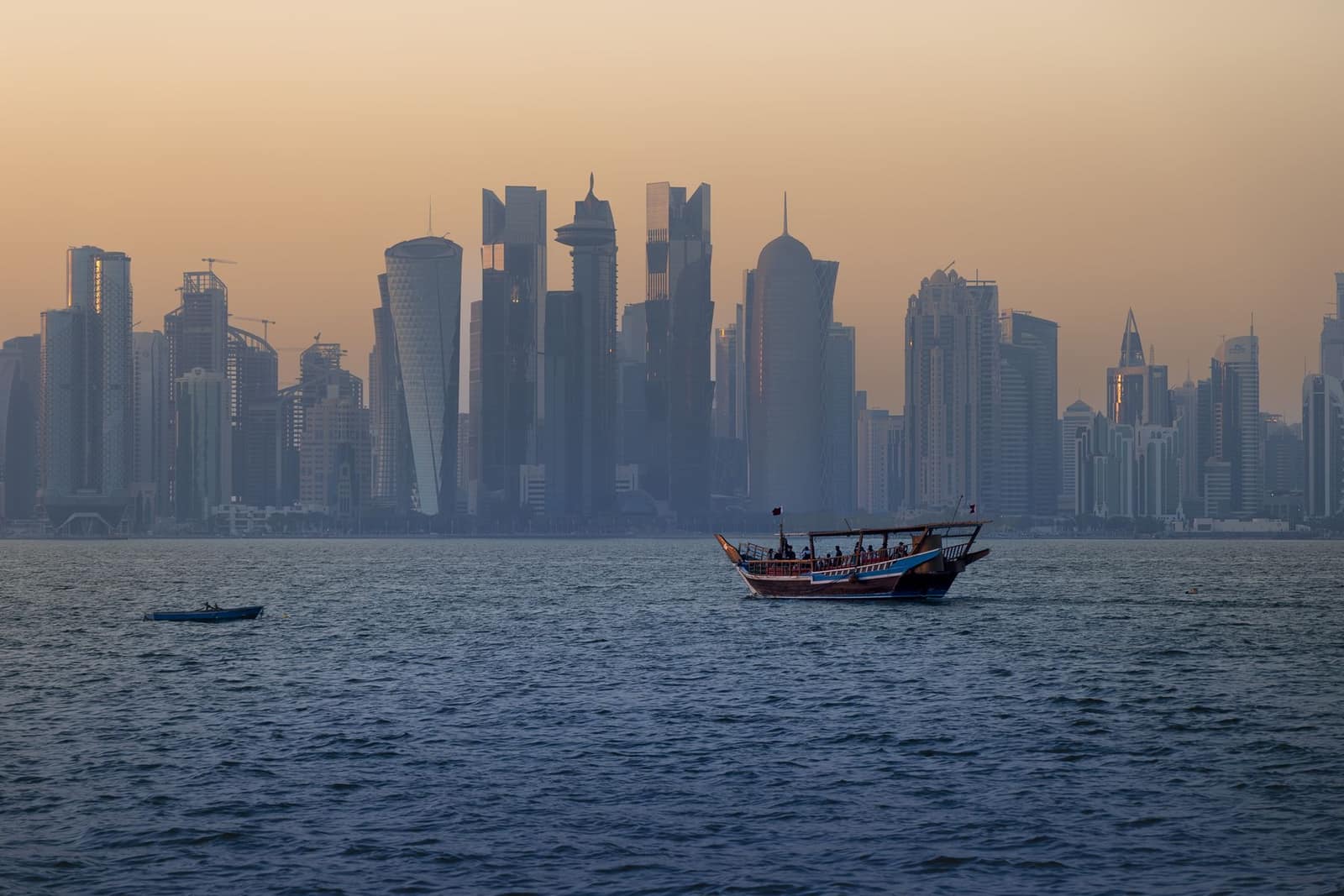 QARDohaQatarSmall, wealthy Gulf market with a huge Indian workforce. Imports nearly all its food.From India 2025-26US$ 1.62 bn
 SAFTABDTDhakaBangladeshBig neighbour market for cotton, yarn, food and machinery. Mostly LC-based; land and sea routes.From India 2025-26US$ 10.6 bn
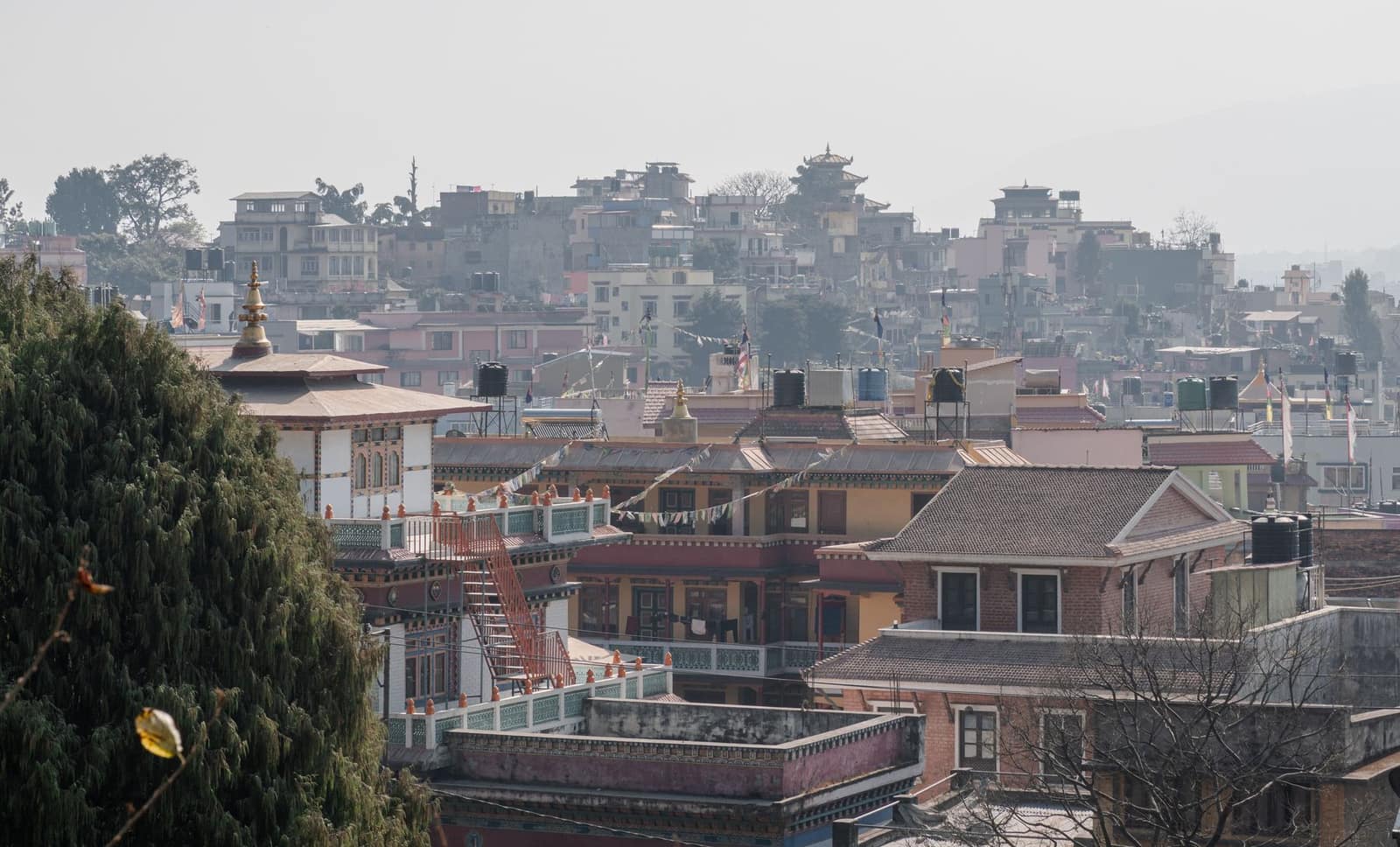 SAFTANPRKathmanduNepalOpen land border, rupee payments and a market that relies on Indian goods — an easy first market by road.From India 2025-26US$ 7.45 bn
More in other goods
All products → Free to exportOther goodsCeramic and vitrified tilesMorbi-made wall, floor and vitrified tiles shipped by container; the UAE, Russia, USA and UK lead.HS6907Exports 2025-26US$ 2.12 bn ↓0.5%
 Free to exportOther goodsGranite and natural stonePolished granite slabs, monuments and sandstone from South India and Rajasthan; the USA leads.HS6802Exports 2025-26US$ 1.17 bn ↑0.7%
 Free to exportOther goodsToysWooden, plastic and board-game toys; child-safety testing decides access to the USA and EU.HS9503Exports 2025-26US$ 201 mn ↑18.5%
 Free to exportOther goodsPaper and paperboard packagingPaper bags, cartons and food packaging as plastic is phased out; the USA leads, then the UK and UAE.HS4819Exports 2025-26US$ 353 mn ↑6.1%