

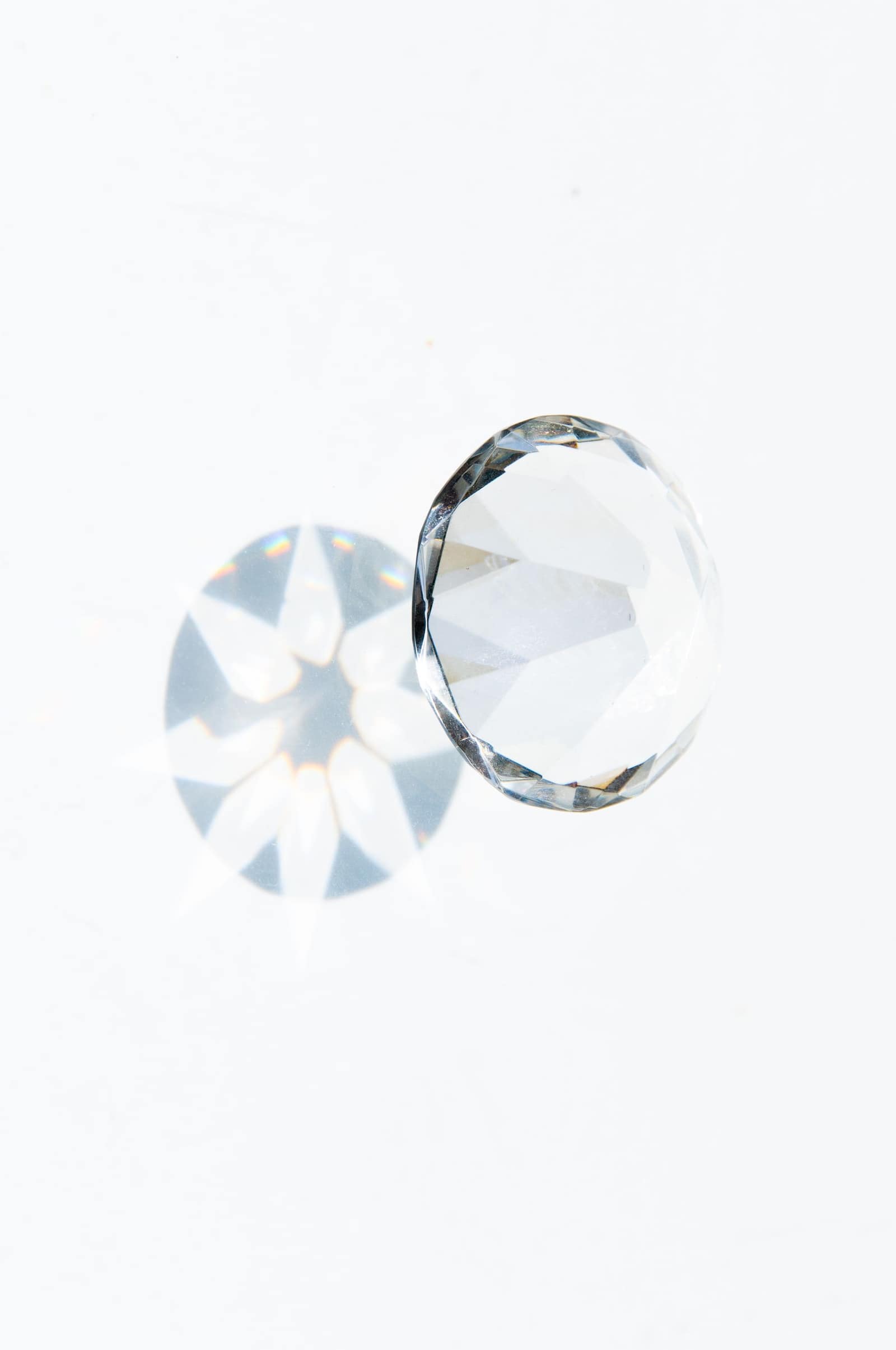
Jewellery
Export cut and polished diamonds
India's largest gem export, polished in Surat; Hong Kong, the UAE, the USA and Belgium are the main buyers.
- HS code
- 7102.39 Non-industrial diamonds, cut or otherwise worked but not mounted or set (HS 7102 39). Rough diamonds are 7102 31; lab-grown diamonds are HS 7104.
- Export policy
- Free to export Cut and polished diamonds are free to export. Rough diamonds can be imported or exported only with a Kimberley Process certificate, which GJEPC issues in India. Confirm the line on DGFT.
- Registrations
- 3 IEC, GST and those below
- India’s exports, 2025-26
- US$ 12.1 bn to 84 countries
What is exported
Surat cuts and polishes imported rough diamonds, and Mumbai's Bharat Diamond Bourse trades them worldwide. In 2025-26 India exported about US$ 12.1 billion of cut and polished diamonds (HS 7102 39); Hong Kong took the largest share, followed by the UAE, the USA, Belgium and Israel (Commerce Department data).
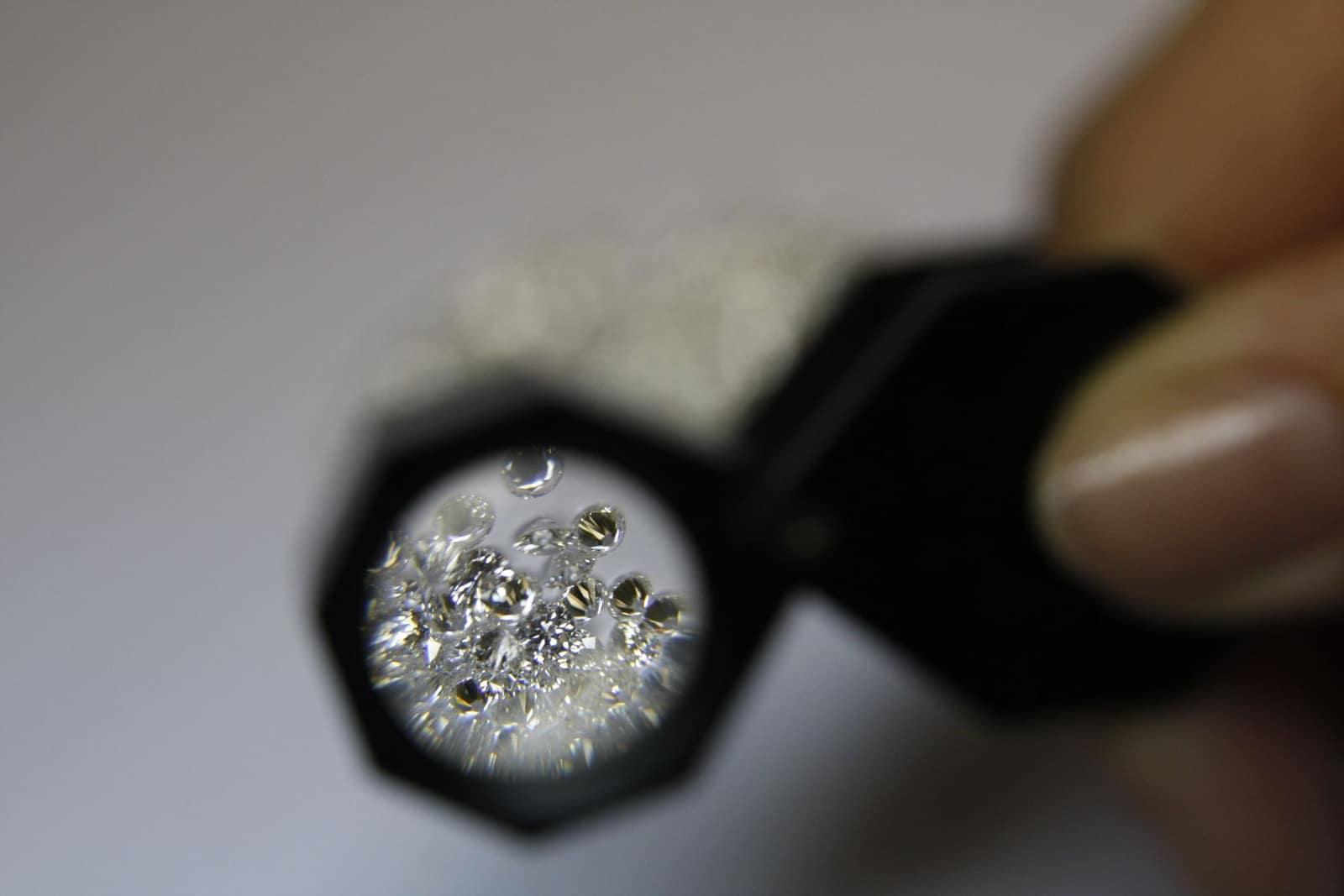
Varieties, grades and forms
- Small and melee diamondsTiny polished stones used in jewellery settings — the base of Surat's volume.
- Certified solitairesLarger stones sold with a grading report on the 4Cs (carat, colour, clarity, cut).
- Fancy shapesOval, pear, princess, cushion, emerald and marquise cuts.
- Fancy-coloured diamondsNatural yellow, brown and other colours — a small, high-value niche.
Where it is grown or made
- GujaratSurat (cutting and polishing; Surat Diamond Bourse), Navsari, Bhavnagar and Ahmedabad
- MaharashtraMumbai — trading and export at the Bharat Diamond Bourse, Bandra-Kurla Complex
- Madhya PradeshPanna — India's diamond mining area (Panna Diamond GI)
The quality buyers ask for
- Carat weight
- Weighed to two decimal places (1 carat = 0.2 g); melee sold by parcel weight
- Colour
- D (colourless) to Z on the GIA scale; fancy colours graded separately
- Clarity
- FL/IF, VVS, VS, SI, I grades by inclusions seen at 10× magnification
- Cut, polish and symmetry
- Excellent to poor; proportions measured on a scanner
- Natural origin
- Screened on approved devices to confirm the stone is natural, not lab-grown or treated
Certificates
- Kimberley Process Certificate (for rough)RequiredEvery import or export of rough diamonds needs a KP certificate; in India GJEPC issues them. Polished stones do not need one, but the rough you bought must have come in under KP.
- World Diamond Council System of Warranties statementRequiredA conflict-free declaration printed on every invoice when diamonds change hands.
- Grading report (GIA, IGI, HRD or similar)Often askedExpected for solitaires; not needed for melee parcels.
- Responsible Jewellery Council (RJC) certificationOften askedAsked for by large retailers and brands.
Shipping, storage and shelf life
Small sealed parcels; no containers. Shipped as valuable cargo.
Air only, through insured valuable-cargo carriers, cleared at the Bharat Diamond Bourse customs, SEEPZ, Surat Diamond Bourse or the airport.
Vaults with insurance cover; no shelf-life limit.
What goes on the pack and carton
- Parcel papers and invoice: carat weight, number of stones, shape, colour and clarity range.
- The word "natural" may be used only for mined diamonds; treated stones must be disclosed (US FTC Jewelry Guides, 16 CFR Part 23).
- System of Warranties statement on every invoice.
GJEPC runs gem-testing laboratories (including in Jaipur) and the India Diamond Institute in Surat trains graders. International labs such as GIA, IGI and HRD have grading labs in Mumbai and Surat. For screening natural versus lab-grown, use devices tested under industry programmes and ask the buyer which reports they accept.
Benefits of exporting this product
- RoDTEP: 0.01% of FOB
Tariff item 7102 39 10 (diamonds, cut or otherwise worked but not mounted or set) earns 0.01% of FOB value, with no rupee cap, as a duty credit scrip on ICEGATE. This is a token rate: it shows the line is covered, but the money is negligible. These rates continue to 31 Dec 2026 (DGFT Notification 41/2026-27). Confirm your exact 8-digit line on the DGFT RoDTEP page before you price an order.
DGFT — Appendix 4R, RoDTEP schedule for DTA exports w.e.f. 10.10.2024 (Notification 32/2024-25); rates continued to 31.12.2026 by Notification 41/2026-27 ↗ - No duty drawback
The All Industry Rate for diamonds (heading 7102) is Nil in the drawback schedule, so do not count on drawback when you price. Duty on imported inputs is usually avoided instead through Advance Authorisation, the gem and jewellery replenishment route in Chapter 4 of the Foreign Trade Policy, or by working from an SEZ such as the Bharat Diamond Bourse SEZ area or SEEPZ.
Gazette of India — Notification 77/2023-Customs (N.T.) dated 20.10.2023: All Industry Rates of duty drawback ↗ - Registered GI tags
Surat Cut Diamond (Gujarat) and Panna Diamond (Madhya Pradesh) are registered Geographical Indications. Only registered producers and authorised users may sell under these names, which helps genuine makers stand out and fetch a better price.
IP India (Geographical Indications Registry) — Registration details of Geographical Indications ↗ - Zero duty into the UK (CETA)
The India-UK CETA came into force on 15 July 2026 and gives zero-duty access to nearly 99% of India's exports; the Commerce Ministry named gems and jewellery among the sectors that gain. Claim it with a CETA certificate of origin and check the line for your code on the UK Trade Tariff.
PIB — India-UK CETA enters into force (15 Jul 2026): textiles, leather, gems and jewellery and engineering goods among the gainers ↗
Where to register
- GJEPC (Gem & Jewellery Export Promotion Council)RCMC for cut and polished diamonds; GJEPC is also the Kimberley Process authority for rough diamonds.gjepc.org ↗
Quality and checks
- Every invoice carries the World Diamond Council System of Warranties statement (conflict-free).
- Parcels must be screened so that no lab-grown or treated stone is mixed in; buyers test on arrival.
- Larger stones are sold with a grading report on the 4Cs.
Most newcomers start as traders at the Bharat Diamond Bourse or Surat Diamond Bourse, buying polished parcels and selling to overseas dealers on approval or consignment. Join GJEPC, learn grading, and screen every parcel.
Where new exporters go wrong
- Undisclosed lab-grown stones in a natural parcel — reputational damage and legal claims.
- Selling on long credit to unknown dealers.
- Buying rough without valid Kimberley Process papers.
Documents this product needs
Schemes that apply
- RoDTEP Remission of Duties and Taxes on Exported Products
- Advance Authorisation Advance Authorisation
- SEZ / EOU Special Economic Zones and Export Oriented Units
- ECGC ECGC export credit insurance for small exporters
- LUT Letter of Undertaking for zero-rated exports under GST
- MAI / MAS Market Access Initiative (now Market Access Support under EPM)
- Status Holder Status Holder certificate (One to Five Star Export House)
Sources (5)
- Department of Commerce, Export Import Data Bank — India's exports of HS 7102 39 by country, 2025-26
- DGFT — Appendix 2T: Export Promotion Councils and the products under each
- DGFT — ITC(HS) export policy search (Schedule 2)
- GJEPC (Gem & Jewellery Export Promotion Council) — official site
- Kimberley Process — official site (rough diamond certification scheme)
Trade data
Indian cut and polished diamonds exports in numbers
From the Department of Commerce’s TradeStat, country by country. US$, Indian financial years (April–March).
- Exports in 2025-26
- US$ 12.1 bn -6.1% a year on average, 2020-21 to 2025-26
- Change from 2024-25
- ↓ -8.7% US$ 13.3 bn → US$ 12.1 bn
- Buyer countries
- 84
- Average export price
- US$ 791.95 per kg · 15,296 tonnes shipped · US$ 811.47 the year before
The price cycle
India’s average export price per kg each year (total value ÷ total quantity). Highest in 2022-23, lowest in 2020-21 — a 14% swing between them. Keep this swing in mind when you quote.
What next: a projection from the trend
The past trend carried forward — not a forecast by any authority. Sudden changes in policy, prices or demand are not in it.
Likely range US$ 7.55 bn to US$ 14.5 bn.
- Trend
- -10.1% a year
- Fit (R²)
- 0.52
- Based on
- 6 years of official figures
Method: a straight line through the logarithm of yearly exports (log-linear regression); range = ±1 standard error.
Biggest buyer countries
By value in 2025-26. Change is against 2024-25.
Where demand is rising and falling
Only countries that buy at least US$ 1 million or 1% of India’s exports of this product. Change from 2024-25 to 2025-26.
↑ High demand
- MexicoUS$ 770k → US$ 129 mn↑+16,681.8%
- CanadaUS$ 35 mn → US$ 146 mn↑+318.5%
- United Arab EmiratesUS$ 1.63 bn → US$ 2.48 bn↑+52%
- Hong KongUS$ 3.22 bn → US$ 4.03 bn↑+25.3%
↓ Low demand
- United States of AmericaUS$ 4.9 bn → US$ 1.86 bn↓-62.1%
- SwitzerlandUS$ 155 mn → US$ 104 mn↓-32.7%
- BotswanaUS$ 129 mn → US$ 95.6 mn↓-26.1%
- United KingdomUS$ 165 mn → US$ 144 mn↓-12.3%
Which forms sell, and at what price
India’s exports by 8-digit tariff line, 2025-26. Average price = total value ÷ total quantity (TradeStat): the average of every shipment on that line, not the price of any one deal.
| Tariff line | Value 2025-26 | Change | Quantity | Average price |
|---|---|---|---|---|
Diamond(other thn indstrl diamond)cut or otherwise worked but not mounted or set7102 39 10 · Diamonds, non-industrial,, but not mounted or set | US$ 12.1 bn | ↓-8.7% | 15.3 mn ctm | US$ 792.86 was US$ 811.86 |
Others-of-others-of-diamonds, whether or not worked, but notmounted or set7102 39 90 · Diamonds, non-industrial,, but not mounted or set | US$ 40k | ↑+33.3% | 18k ctm | US$ 2.27 was US$ 3.80 |
The world market
Each country’s own recorded exports and imports in UN Comtrade, 2023 (the latest year nearly every country has reported).
- World imports
- US$ 73.4 bn 2023
- India among exporters
- #1 of 65 countries
- India’s share of world exports
- 22.8% US$ 17.3 bn
- Left for others to win
- US$ 58.6 bn exported by other countries
Top exporters — your competitors
- 1IndiaUS$ 17.3 bn 22.8%
- 2USAUS$ 16.7 bn 21.9%
- 3China, Hong Kong SARUS$ 13.5 bn 17.8%
- 4United Arab EmiratesUS$ 7.66 bn 10.1%
- 5IsraelUS$ 6.43 bn 8.5%
- 6BelgiumUS$ 4.52 bn 6%
- 7ChinaUS$ 1.73 bn 2.3%
- 8SwitzerlandUS$ 1.42 bn 1.9%
- 9ThailandUS$ 1.32 bn 1.7%
- 10BotswanaUS$ 1.1 bn 1.5%
Biggest buyers in the world
- 1USAUS$ 18.8 bn 25.6%
- 2China, Hong Kong SARUS$ 14.6 bn 19.9%
- 3United Arab EmiratesUS$ 9.23 bn 12.6%
- 4IndiaUS$ 7.65 bn 10.4%
- 5ChinaUS$ 5.57 bn 7.6%
- 6BelgiumUS$ 3.56 bn 4.8%
- 7IsraelUS$ 3.37 bn 4.6%
- 8SwitzerlandUS$ 2.07 bn 2.8%
- 9ThailandUS$ 1.72 bn 2.3%
- 10FranceUS$ 1.17 bn 1.6%
Opportunity: what these countries buy from the world, and from India
Each country’s own recorded imports in UN Comtrade, latest year it has reported. The long light part of each bar is demand other countries are filling today.
TradeStat’s 2023-24 quantities are double-counted, so that year is left out of the price. Sources: TradeStat — Export Import Data Bank, Department of Commerce · UN Comtrade database (United Nations Statistics Division) · Figures taken 29 October 2026.
Step by step
How to export cut and polished diamonds
India cuts and polishes the large majority of the world's diamonds by number of stones, mostly in Surat, and trades them through Mumbai's Bharat Diamond Bourse. Rough diamonds are imported from Belgium, the UAE and mining countries, polished, and re-exported to Hong Kong, the UAE, the USA and Belgium. Competitors are smaller cutting centres in China, Israel and Belgium. Demand depends on US and Chinese jewellery sales and has been hit by the rise of lab-grown diamonds, so buyers increasingly want proof that a stone is natural and traceable. Openings are in certified natural stones with origin information and in fancy shapes and sizes.
- 01Join GJEPC
Take the GJEPC RCMC; it is also the Kimberley Process authority for rough imports.
- 02Buy rough with KP papers
Import rough only with a Kimberley Process certificate, or buy from a registered dealer.
- 03Plan, cut and polish
Use planning scanners to get the best yield; keep job-work records if units outside cut for you.
- 04Screen and grade
Screen every parcel for lab-grown stones; send larger stones for grading reports.
- 05Find buyers
Sell through the bourses, GJEPC fairs and on consignment to established dealers abroad.
- 06Export through customs at the bourse or SEEPZ
File the shipping bill with carat and value details; customs appraisers may check the parcel.
- 07Get paid safely
Use an LC or documents against payment with new buyers, take ECGC cover for open-account sales, and close the export with an e-BRC once the money arrives.
Meet buyers
Trade fairs
- Usually July–August; IIJS Signature in January — check dates on the organiser's siteIIJS Premiere (GJEPC)Mumbai, Indiaiijs.gjepc.org ↗
- Usually late February to March — check datesHong Kong International Jewellery Show (HKTDC)Hong Konghktdc.com ↗
- Usually late May to June — check dates on the organiser's siteJCK Las VegasLas Vegas, USAlasvegas.jckonline.com ↗
Questions
Questions about exporting cut and polished diamonds
Do polished diamonds need a Kimberley Process certificate?
Is there any export incentive?
Can I send diamonds on consignment?
What if a lab-grown stone slips into my parcel?
Where are most diamonds sold?
Sources (6)
- GJEPC (Gem & Jewellery Export Promotion Council) — official site
- Kimberley Process — official site (rough diamond certification scheme)
- eCFR — 16 CFR Part 23, FTC Guides for the jewelry, precious metals and pewter industries
- DGFT — Appendix 4R, RoDTEP schedule for DTA exports w.e.f. 10.10.2024 (Notification 32/2024-25); rates continued to 31.12.2026 by Notification 41/2026-27
- Gazette of India — Notification 77/2023-Customs (N.T.) dated 20.10.2023: All Industry Rates of duty drawback
- Department of Commerce, Export Import Data Bank — India's exports of HS 7102 39 by country, 2025-26
Who buys Indian cut and polished diamonds
All countries →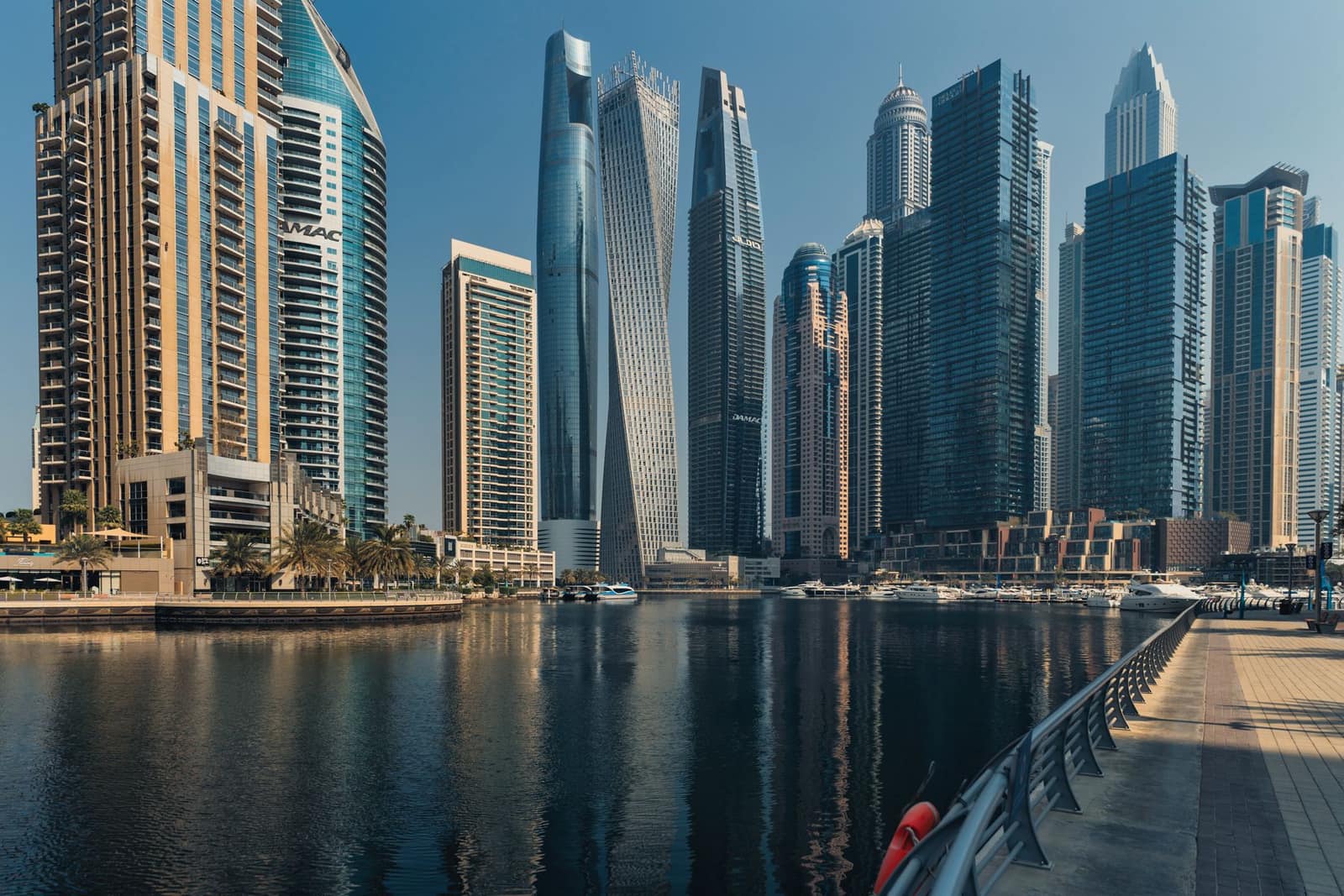 CEPAAEDAbu DhabiUnited Arab EmiratesIndia's biggest Gulf buyer and a re-export hub for the Middle East and Africa. CEPA in force since 2022.From India 2025-26US$ 37.4 bn
 USDWashington, D.C.United States of AmericaIndia's largest single-country export market. Strict FDA rules for food; extra 10% US duty on most goods since July 2026.From India 2025-26US$ 87.3 bn
 CEPAJPYTokyoJapanHigh-value, quality-obsessed market. Buys shrimp, chemicals, auto parts and garments; strict food-sanitation checks.From India 2025-26US$ 6.04 bn
 CADOttawaCanadaLarge Indian diaspora market. Importer needs a CFIA licence for food; labels in English and French.From India 2025-26US$ 4.67 bn
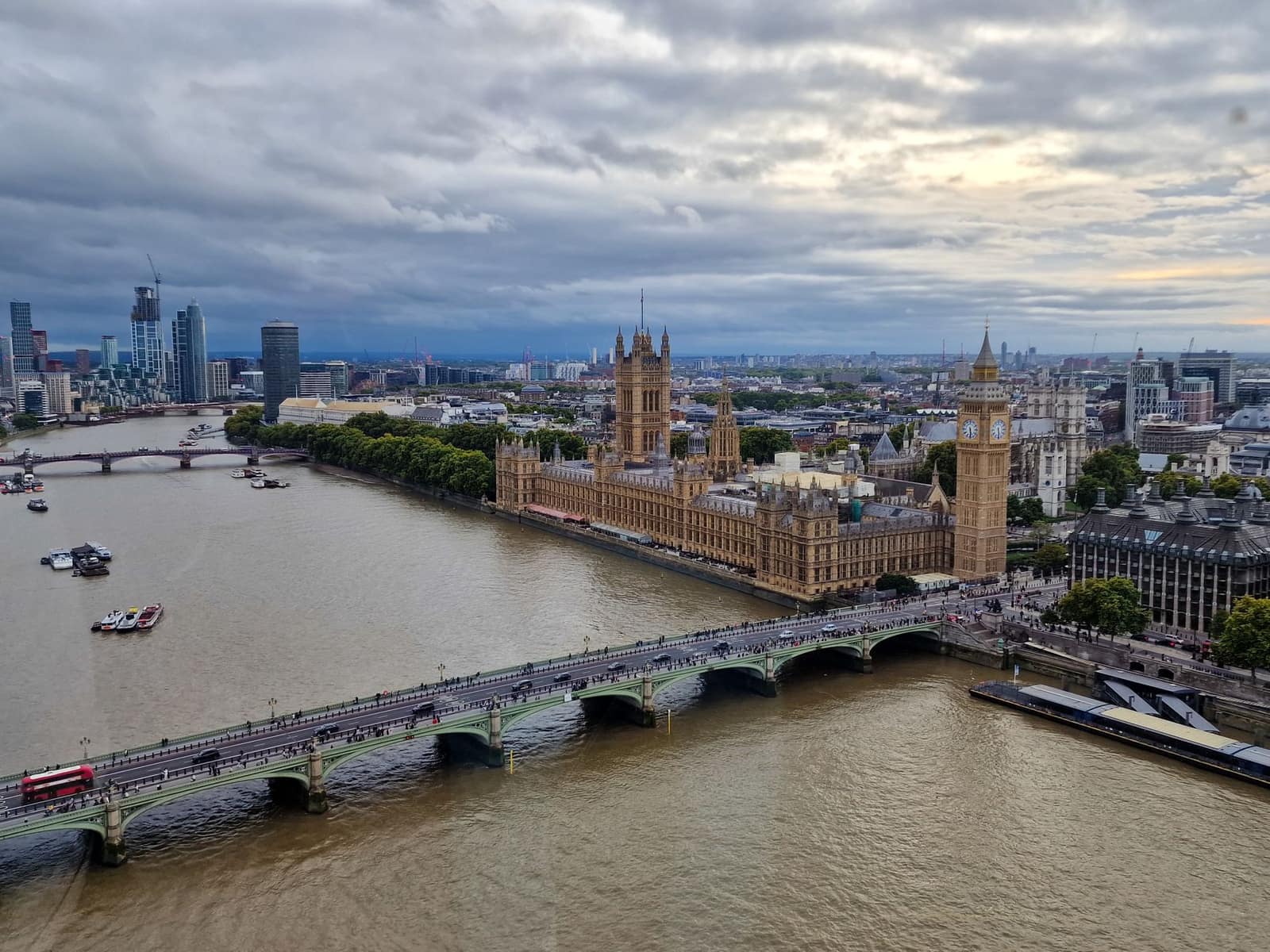 CETAGBPLondonUnited KingdomNew CETA in force since July 2026 — most Indian goods now enter duty-free. Strong market for garments, food and engineering.From India 2025-26US$ 13.4 bn
 EURParisFranceFashion, food and design market. EU rules plus French-language labels; SIAL Paris is a key food fair.From India 2025-26US$ 7.1 bn
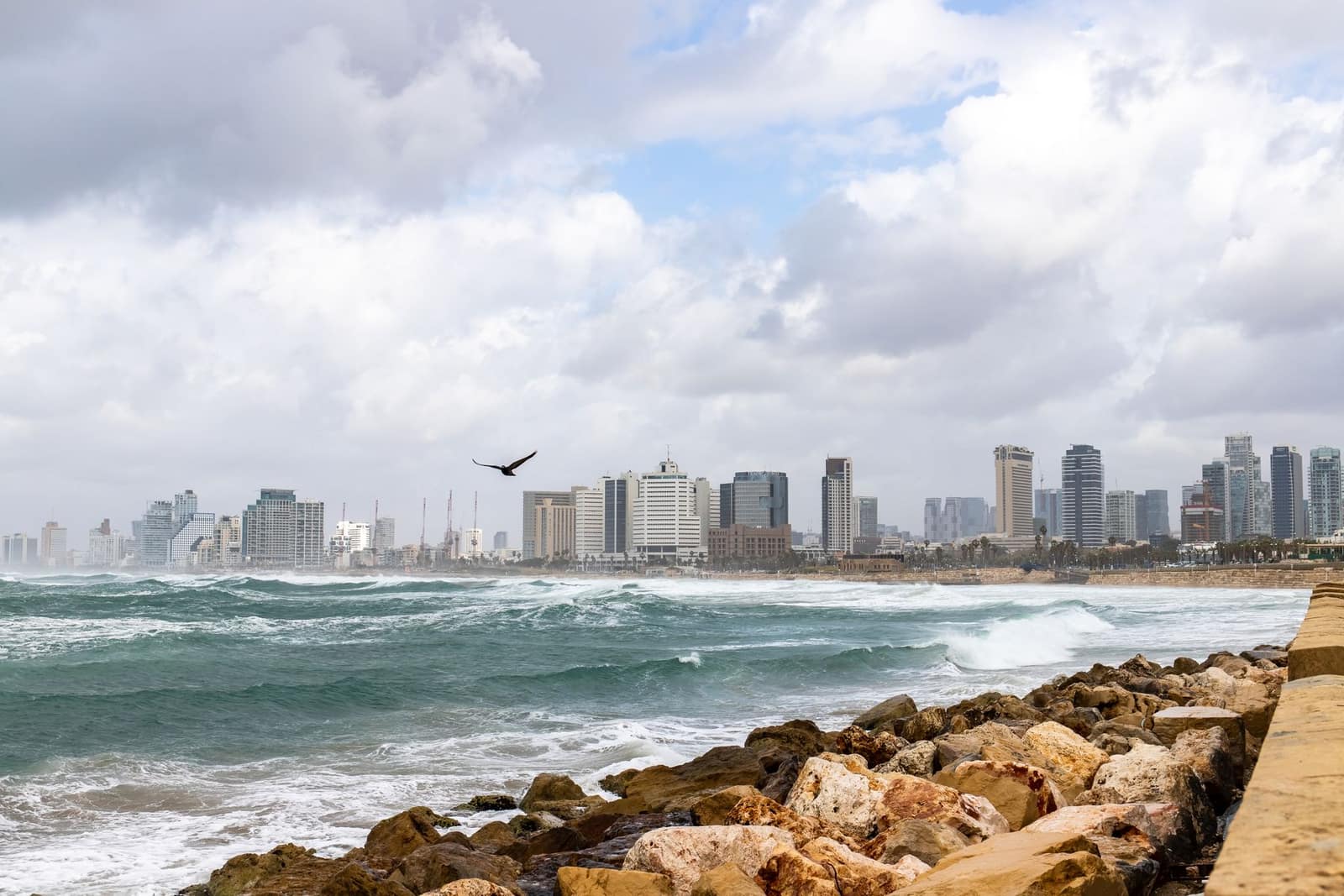 ILSJerusalem (most embassies, including India’s, are in Tel Aviv)IsraelTechnology-driven buyer of Indian diamonds, chemicals, machinery and food. FTA talks under way since 2025.From India 2025-26US$ 2.24 bn
 AITIGATHBBangkokThailandFood-processing and auto hub of South-East Asia. Buys Indian marine products, chemicals, machinery and gems.From India 2025-26US$ 5.06 bn
More in jewellery
All products → Free to exportJewelleryImitation (fashion) jewelleryFashion and costume jewellery for boutiques and online sellers; the USA, UK, France and Spain lead.HS7117Exports 2025-26US$ 132 mn ↓3.5%
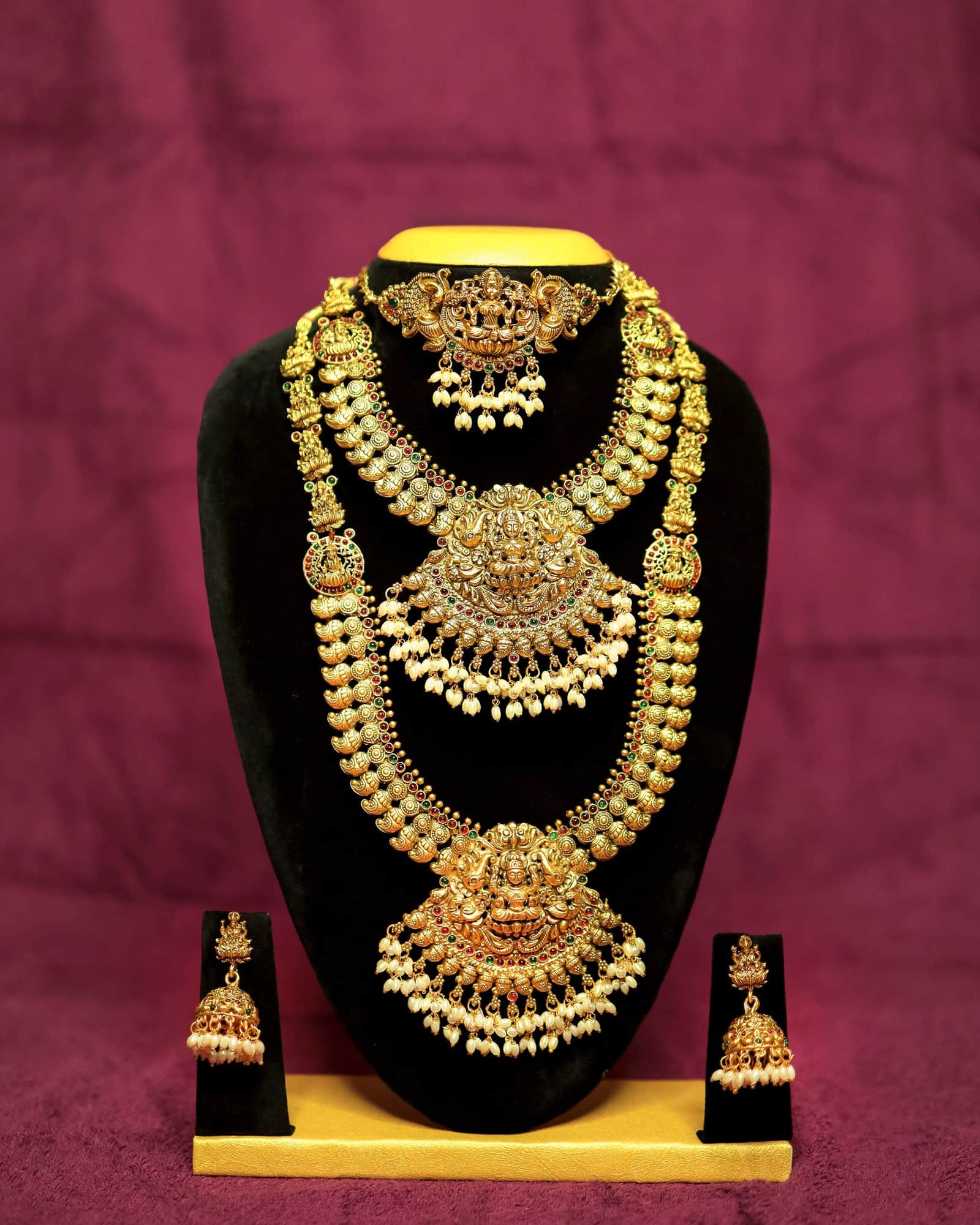 Free, with conditionsJewelleryGold jewelleryPlain and studded gold jewellery; the UAE buys about half, followed by the USA.HS7113.19Exports 2025-26US$ 11.6 bn ↑0.5%
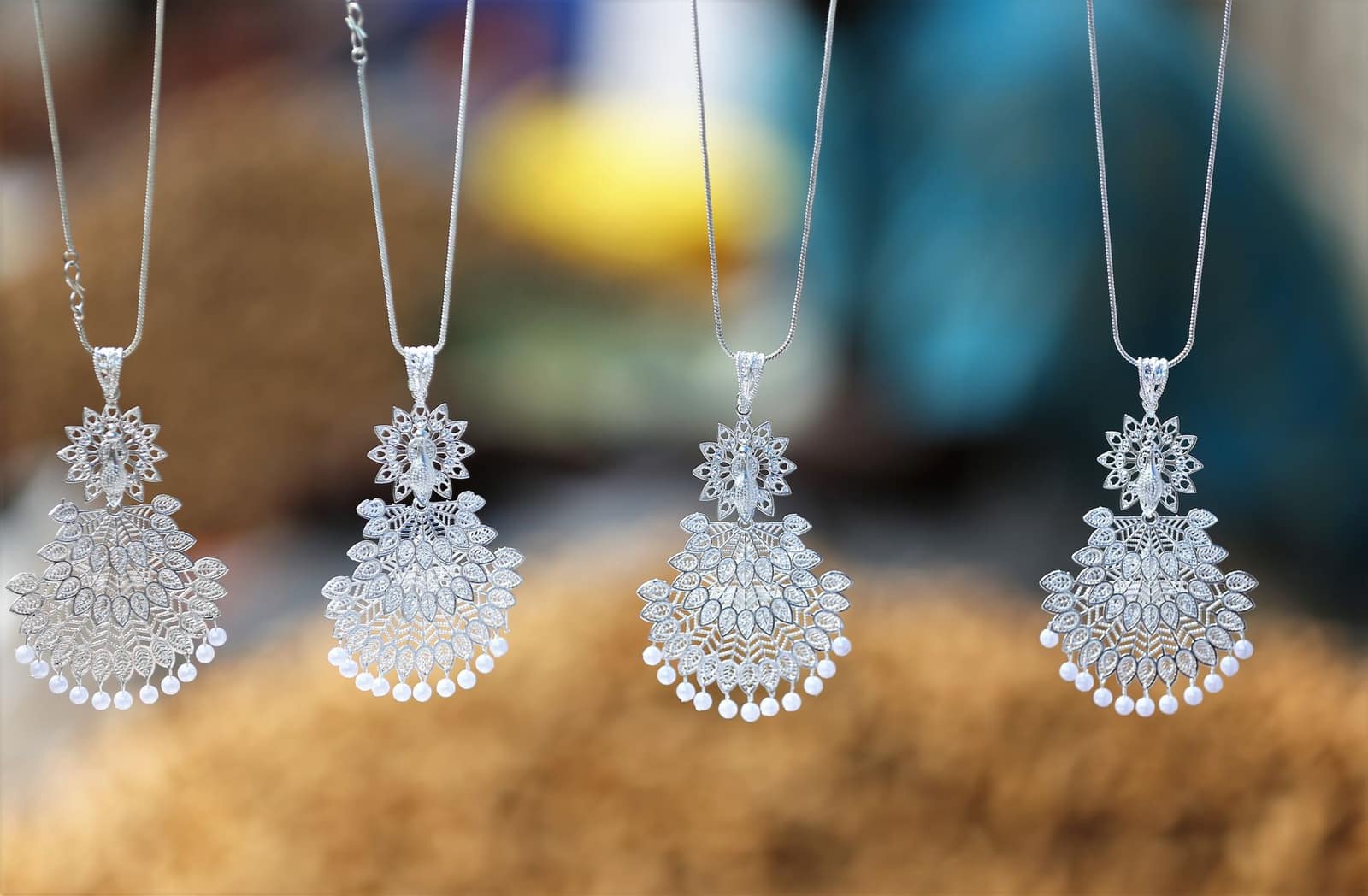 Free to exportJewellerySilver jewellery and articlesSterling silver and gem-set silver jewellery from Jaipur; Hong Kong, the USA and the UK buy most.HS7113.11Exports 2025-26US$ 1.66 bn ↑65.9%
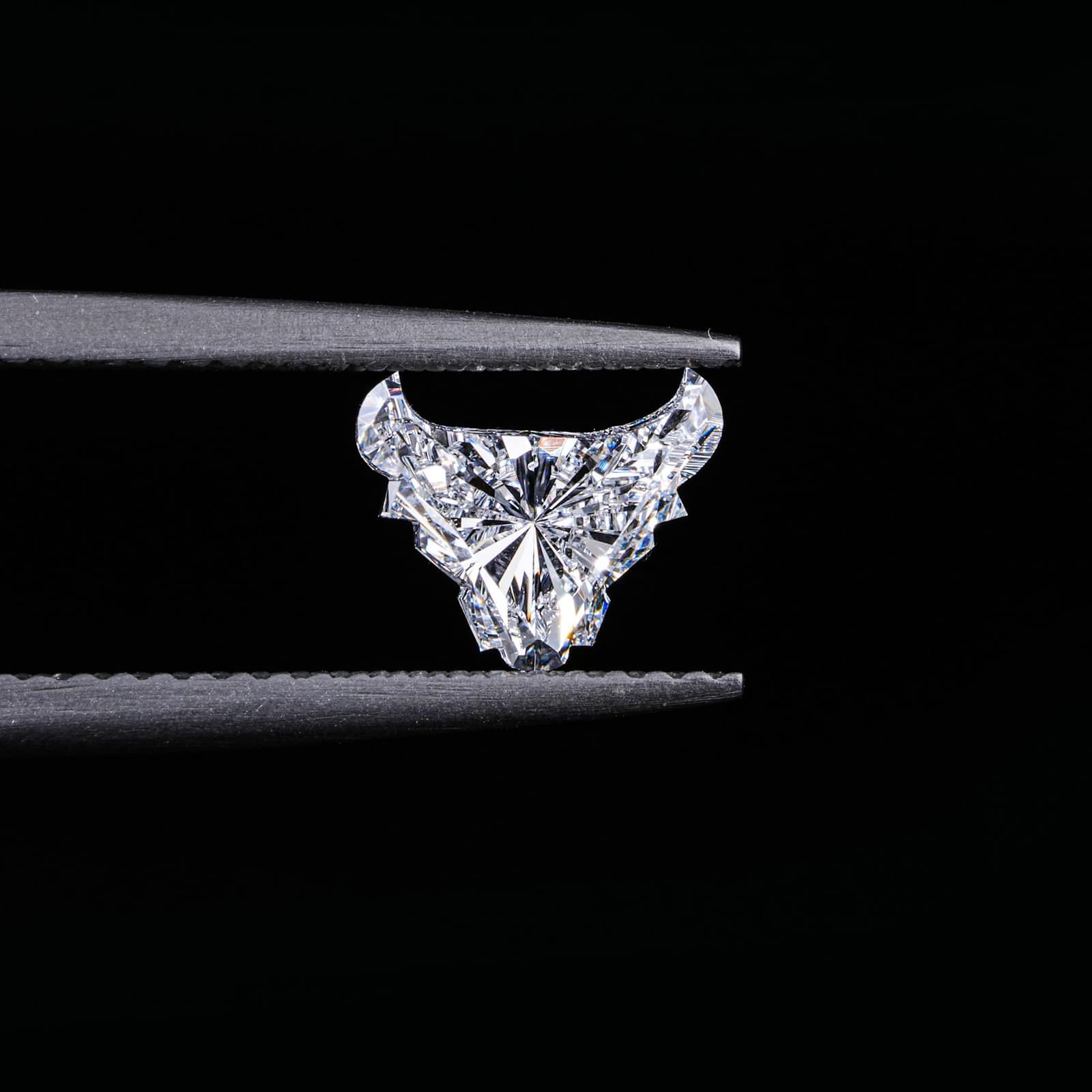 Free to exportJewelleryLab-grown diamondsCVD and HPHT diamonds grown and polished in Surat; Hong Kong, the USA and the UAE buy most.HS7104.91Exports 2025-26US$ 1.17 bn ↓8.6%