

Jewellery
Export imitation (fashion) jewellery
Fashion and costume jewellery for boutiques and online sellers; the USA, UK, France and Spain lead.
- HS code
- 7117 Imitation jewellery of base metal, glass, plastic or other materials — necklaces, earrings, bangles, hair accessories.
- Export policy
- Free to export Free to export under ITC(HS) Schedule 2.
- Registrations
- 4 IEC, GST and those below
- India’s exports, 2025-26
- US$ 132 mn to 112 countries
What is exported
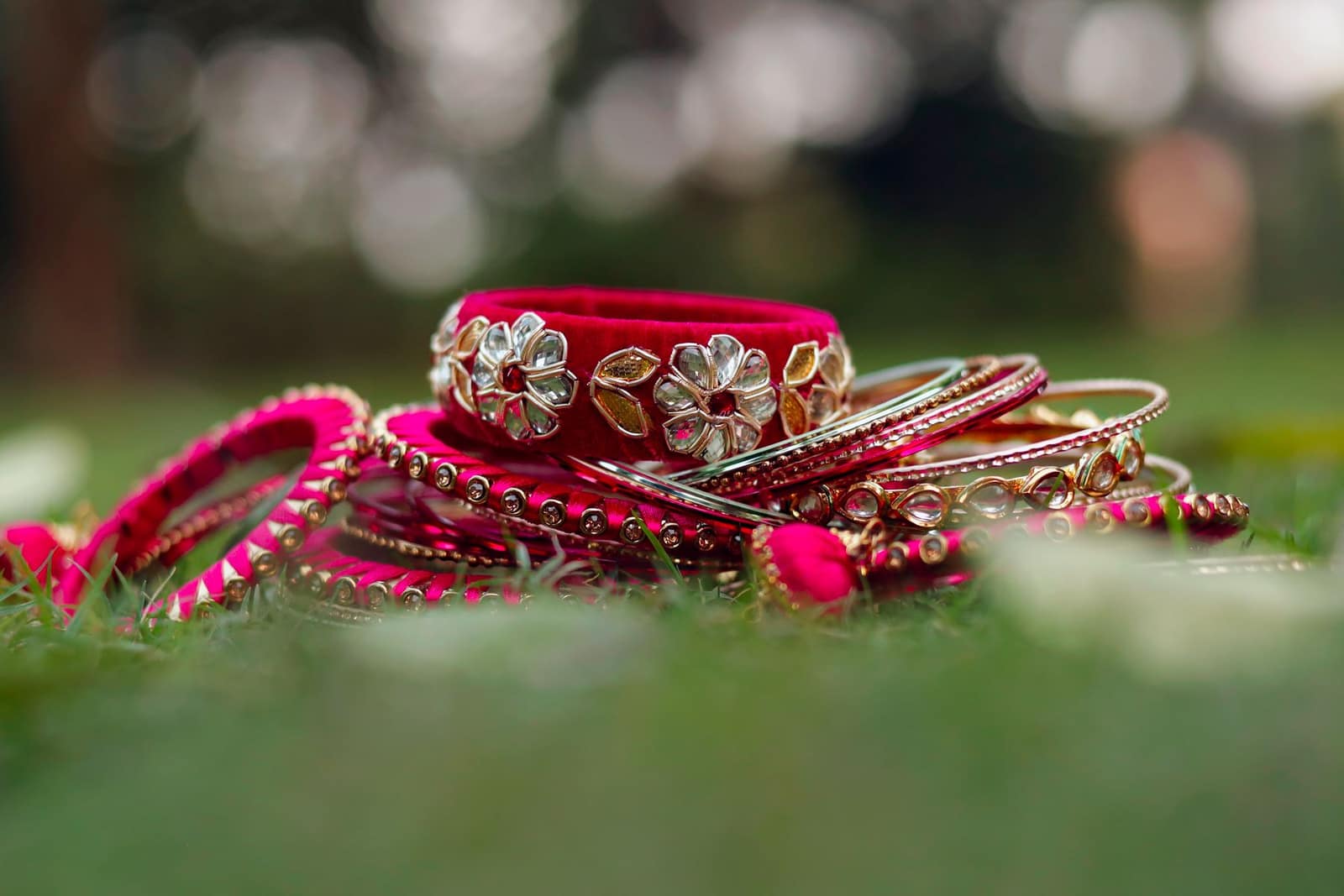
Indian fashion jewellery includes oxidised metal, kundan-style, beaded, glass and resin pieces, made in Jaipur, Delhi, Mumbai, Rajkot and elsewhere. Buyers are fashion brands, boutiques and online sellers, often ordering small quantities of many designs. In 2025-26 India exported about US$ 132 million under HS 7117; the USA led, followed by the UK, France, Spain and the UAE.
Varieties, grades and forms
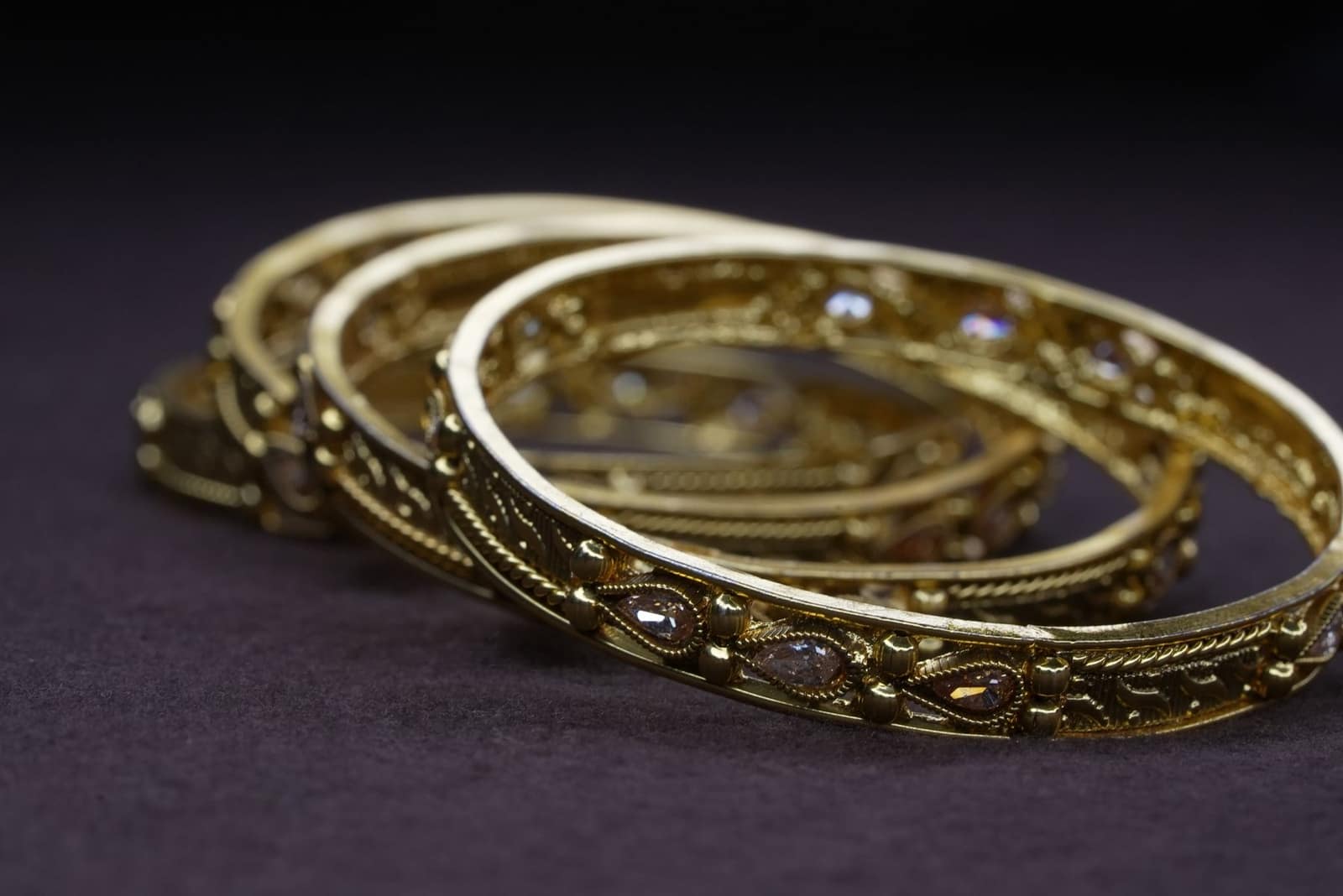
- Brass and copper-alloy jewelleryGold-plated or oxidised necklaces, earrings and bangles — the core of the trade.
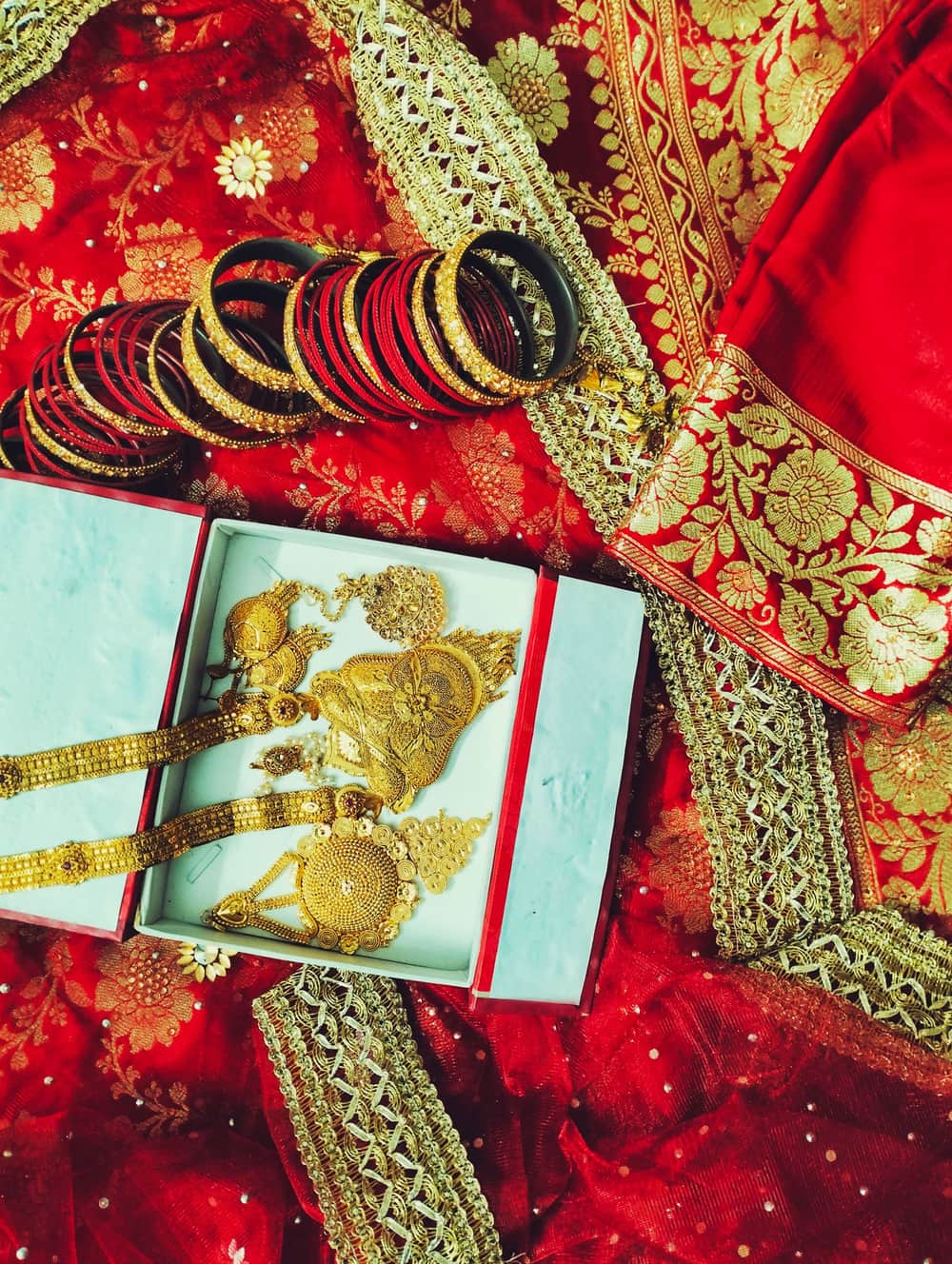
- Kundan, polki-style and temple designsStone-studded bridal and festive sets, mostly for diaspora markets.
- German-silver and oxidised tribal jewelleryBoho-style pieces for fashion retailers.
- Bead, glass and fabric jewelleryHandmade fashion pieces using glass beads, thread and fabric.
- Stainless-steel fashion jewelleryLow-allergy rings and chains, growing with online sellers.
Where it is grown or made
- MaharashtraMumbai — design, plating and export houses
- GujaratRajkot — imitation jewellery manufacturing cluster
- DelhiDelhi — fashion and oxidised jewellery
- RajasthanJaipur — kundan-style and tribal jewellery
The quality buyers ask for
- Nickel release
- EU REACH: 0.5 µg/cm²/week for parts in prolonged skin contact and 0.2 µg/cm²/week for piercing posts (tested by EN 1811)
- Lead
- EU REACH: under 0.05% by weight in jewellery parts; USA: 100 ppm in children's jewellery substrate (CPSIA)
- Cadmium
- EU REACH: under 0.01% by weight in metal parts of jewellery
- US voluntary standards
- ASTM F2923 (children's jewellery) and ASTM F2999 (adult jewellery) used by US retailers
- Plating
- Plating type and thickness in microns; tarnish and sweat resistance (artificial sweat and salt-spray tests)
- Construction
- Stone setting strength, clasp and jump-ring pull tests
Certificates
- Chemical test report (nickel, lead, cadmium)RequiredEU and US buyers will not list jewellery without a recent report from an accredited lab.
- Children's Product Certificate (USA)Often askedRequired for jewellery made for children 12 and under, based on tests at a CPSC-accepted lab.
- Social compliance audit (amfori BSCI or SMETA)Often askedAsked for by chain stores; home-based work must be documented.
- ISO 9001Often askedQuality system for larger units.
- Pollution control consentRequiredPlating units need State Pollution Control Board consent.
Shipping, storage and shelf life
High value, low weight: most orders go by air or courier in small cartons; each piece in a zip bag with anti-tarnish strip.
Air freight and courier (including Postal/courier export routes for small e-commerce lots).
Keep dry and sealed; humidity tarnishes plating.
What goes on the pack and carton
- Country of origin on the card or bag ('Made in India').
- No claims such as 'silver' or 'gold' unless the metal content supports them; say 'gold-plated' or 'silver-tone'.
- Children's jewellery in the USA: tracking label with maker, date and batch.
- Small-parts choking warning where required.
Search the NABL directory for labs accredited for nickel release (EN 1811) and lead/cadmium in metals. For US children's jewellery, the lab must be on the CPSC list of accepted third-party labs; several have branches in Delhi NCR, Mumbai and Jaipur.
Benefits of exporting this product
- RoDTEP: 0.5% of FOB
Tariff item 7117 19 90 (other imitation jewellery of base metal) earns 0.5% of FOB value, capped at ₹2 per kg, as a duty credit scrip on ICEGATE. Bangles (7117 19 10) and pieces studded with imitation stones (7117 90 10) get 0.5% capped at ₹2.5/kg. These rates continue to 31 Dec 2026 (DGFT Notification 41/2026-27). Confirm your exact 8-digit line on the DGFT RoDTEP page before you price an order.
DGFT — Appendix 4R, RoDTEP schedule for DTA exports w.e.f. 10.10.2024 (Notification 32/2024-25); rates continued to 31.12.2026 by Notification 41/2026-27 ↗ - Duty drawback: 1.3% of FOB
Drawback item 711701 (brass jewellery) has an All Industry Rate of 1.3% of FOB, paid into your bank account. It is not available on exports under Advance Authorisation or from EOU/SEZ units. Aluminium, plastic, stainless-steel, iron and glass jewellery (711702–711707) also get 1.3%; "others" (711799) get nil. Check the current schedule on the CBIC drawback page before shipping.
Gazette of India — Notification 77/2023-Customs (N.T.) dated 20.10.2023: All Industry Rates of duty drawback, in force from 30.10.2023 ↗ - Zero duty into the UK (CETA)
The India-UK CETA came into force on 15 July 2026 and gives zero-duty access to nearly 99% of India's exports; the Commerce Ministry named gems and jewellery among the sectors that gain. Claim it with a CETA certificate of origin and check the line for your code on the UK Trade Tariff.
PIB — India-UK CETA enters into force (15 Jul 2026): zero-duty access for nearly 99% of India's exports ↗
Where to register
- GJEPC (Gem & Jewellery Export Promotion Council)Costume and fashion jewellery is listed under GJEPC in DGFT Appendix 2T; take the RCMC there.gjepc.org ↗
- EPCH / Plexconcil (by type)Artistic hand-made jewellery is listed under EPCH, and plastic bangles and plastic imitation jewellery under Plexconcil.epch.in ↗
Quality and checks
- EU REACH limits nickel release from items in contact with skin, and lead and cadmium in jewellery. Get your metal and plating tested.
- USA: children's jewellery must meet CPSC lead limits and testing rules; California Proposition 65 also applies to adult jewellery.
- Plating thickness and tarnish tests if the buyer specifies them.
Light, high-value pieces suit courier and air shipments, so you can start with small online or boutique orders. Build a design range, test the base metal for nickel and lead, register with GJEPC, and use courier export or postal export routes for the first orders.
Where new exporters go wrong
- Nickel or lead failures found by EU or US market checks, leading to recalls and lost buyers.
- Copying designs from known brands — design and trademark claims abroad.
- Plating that tarnishes within weeks; buyers send whole lots back.
Documents this product needs
Schemes that apply
Sources (6)
- Department of Commerce, Export Import Data Bank — India's exports of HS 7117 by country, 2025-26
- DGFT — Appendix 2T: Export Promotion Councils and the products under each
- DGFT — ITC(HS) export policy search (Schedule 2)
- European Chemicals Agency — Understanding REACH
- US Consumer Product Safety Commission — business guidance
- GJEPC — official site
Trade data
Indian imitation (fashion) jewellery exports in numbers
From the Department of Commerce’s TradeStat, country by country. US$, Indian financial years (April–March).
- Exports in 2025-26
- US$ 132 mn -1.2% a year on average, 2020-21 to 2025-26
- Change from 2024-25
- ↓ -3.5% US$ 136 mn → US$ 132 mn
- Buyer countries
- 112
- Average export price
- US$ 19.02 per kg · 6,922 tonnes shipped · US$ 26.38 the year before
The price cycle
India’s average export price per kg each year (total value ÷ total quantity). Highest in 2020-21, lowest in 2025-26 — a 160% swing between them. Keep this swing in mind when you quote.
What next: a projection from the trend
The past trend carried forward — not a forecast by any authority. Sudden changes in policy, prices or demand are not in it.
Likely range US$ 113 mn to US$ 144 mn.
- Trend
- -2.8% a year
- Fit (R²)
- 0.35 — weak, read with care
- Based on
- 6 years of official figures
Method: a straight line through the logarithm of yearly exports (log-linear regression); range = ±1 standard error.
Biggest buyer countries
By value in 2025-26. Change is against 2024-25.
Where demand is rising and falling
Only countries that buy at least US$ 1 million or 1% of India’s exports of this product. Change from 2024-25 to 2025-26.
↑ High demand
- Hong KongUS$ 570k → US$ 1.7 mn↑+201.8%
- BangladeshUS$ 1.7 mn → US$ 3.5 mn↑+113.3%
- MalaysiaUS$ 2 mn → US$ 2.6 mn↑+33%
- PortugalUS$ 2 mn → US$ 2.5 mn↑+26.5%
- PolandUS$ 1.5 mn → US$ 1.8 mn↑+22.8%
- CanadaUS$ 2.7 mn → US$ 3.3 mn↑+20.4%
- BelgiumUS$ 1.4 mn → US$ 1.6 mn↑+13.8%
- AustraliaUS$ 3.4 mn → US$ 3.8 mn↑+11.5%
↓ Low demand
- ThailandUS$ 4.5 mn → US$ 630k↓-86%
- Saudi ArabiaUS$ 4.2 mn → US$ 2.5 mn↓-41%
- GermanyUS$ 5 mn → US$ 3.6 mn↓-28.1%
- ItalyUS$ 6.2 mn → US$ 4.7 mn↓-24.6%
Which forms sell, and at what price
India’s exports by 8-digit tariff line, 2025-26. Average price = total value ÷ total quantity (TradeStat): the average of every shipment on that line, not the price of any one deal.
| Tariff line | Value 2025-26 | Change | Quantity | Average price |
|---|---|---|---|---|
Other imitation jewellery for personal adornment(other than artware)7117 90 90 · Jewellery, imitation, of other than base metal, whether or not plated with precious metal | US$ 89.6 mn | ↓-3.5% | 2,733 tonnes | US$ 32.78 per kgwas US$ 37.36 |
Others-of-other imitation jewellery of base metal whether or not plated with precious metal7117 19 90 · Jewellery, imitation,, of base metal, whether or not plated with precious metal | US$ 26 mn | ↑+10.5% | 2,266 tonnes | US$ 11.48 per kgwas US$ 17.06 |
Jewellery, imitation,, of base metal, whether or not plated with precious metal — bangles7117 19 10 | US$ 8 mn | ↑+0.1% | 1,470 tonnes | US$ 5.42 per kgwas US$ 7.66 |
Jewellery set with imitation pearls or imitation or synthetic stones7117 90 10 · Jewellery, imitation, of other than base metal, whether or not plated with precious metal | US$ 7.8 mn | ↓-33.7% | 436 tonnes | US$ 17.78 per kgwas US$ 45.80 |
Cuff links and studs of base metal whether or not plated with precious metal7117 11 00 · Jewellery, imitation, cuff links and studs, of base metal, whether or not plated with precious metal | US$ 200k | ↓-25.9% | 18 tonnes | US$ 11.23 per kgwas US$ 22.56 |
Jewellery, imitation,, of base metal, whether or not plated with precious metal — german silver jewellery7117 19 20 | US$ 150k | ↑+7.1% | 0.3 tonnes | US$ 510.20 per kgwas US$ 236.49 |
The world market
Each country’s own recorded exports and imports in UN Comtrade, 2023 (the latest year nearly every country has reported).
- World imports
- US$ 7.26 bn 2023
- India among exporters
- #8 of 147 countries
- India’s share of world exports
- 1.5% US$ 145 mn
- Left for others to win
- US$ 9.76 bn exported by other countries
Top exporters — your competitors
- 1ChinaUS$ 4.65 bn 46.9%
- 2FranceUS$ 903 mn 9.1%
- 3China, Hong Kong SARUS$ 878 mn 8.9%
- 4ItalyUS$ 670 mn 6.8%
- 5GermanyUS$ 431 mn 4.4%
- 6ThailandUS$ 305 mn 3.1%
- 7USAUS$ 209 mn 2.1%
- 8IndiaUS$ 145 mn 1.5%
- 9SingaporeUS$ 141 mn 1.4%
- 10SpainUS$ 124 mn 1.3%
Biggest buyers in the world
- 1USAUS$ 1.04 bn 14.3%
- 2FranceUS$ 615 mn 8.5%
- 3GermanyUS$ 479 mn 6.6%
- 4United KingdomUS$ 380 mn 5.2%
- 5China, Hong Kong SARUS$ 346 mn 4.8%
- 6JapanUS$ 336 mn 4.6%
- 7ChinaUS$ 308 mn 4.2%
- 8ItalyUS$ 292 mn 4%
- 9Saudi ArabiaUS$ 242 mn 3.3%
- 10SpainUS$ 230 mn 3.2%
Opportunity: what these countries buy from the world, and from India
Each country’s own recorded imports in UN Comtrade, latest year it has reported. The long light part of each bar is demand other countries are filling today.
TradeStat’s 2023-24 quantities are double-counted, so that year is left out of the price. Sources: TradeStat — Export Import Data Bank, Department of Commerce · UN Comtrade database (United Nations Statistics Division) · Figures taken 29 October 2026.
Step by step
How to export imitation (fashion) jewellery
China dominates the world trade in imitation (fashion) jewellery by volume, with India, Thailand and South Korea among the other suppliers. India's strength is ethnic and handcrafted designs — kundan, oxidised silver-look, beaded and enamel pieces — that sell to the Indian diaspora and to boho and festival fashion buyers. Demand follows fashion cycles and online retail. Openings are in design-led small collections, nickel- and lead-free pieces that clear EU and US chemical rules, and private label for online brands.
- 01Design a range
Build a collection with photos, prices and minimums by design and colour.
- 02Choose safe materials
Use nickel-free, lead-free and cadmium-free alloys and solders; get supplier declarations.
- 03Test samples
Test each metal and plating combination before the buyer does.
- 04Produce and plate
Cast or stamp, set stones, plate and lacquer if needed.
- 05QC and pack
Check finish, stones and clasps; pack in anti-tarnish bags on branded cards.
- 06Ship and collect
Ship by air or courier with invoice and packing list; take advance from new buyers.
Meet buyers
Trade fairs
- Twice a year: spring (next: 15–19 March 2027) and autumn (October)IHGF Delhi Fair (EPCH)Greater Noida, Indiaihgfdelhifair.in ↗
- Usually late February to March — check datesHong Kong International Jewellery Show (HKTDC)Hong Konghktdc.com ↗
- February, every year — check datesAmbienteFrankfurt, Germanyambiente.messefrankfurt.com ↗
- Usually Premiere in July–August and Signature in January — check datesIIJS (GJEPC) — India International Jewellery ShowMumbai, Indiagjepc.org ↗
Questions
Questions about exporting imitation (fashion) jewellery
Is 'nickel-free' a legal term?
Which council covers fashion jewellery?
Why did the buyer's test fail on lead?
Can I sell on Amazon or Etsy abroad?
How do I stop tarnish in transit?
Who buys Indian imitation (fashion) jewellery
All countries → USDWashington, D.C.United States of AmericaIndia's largest single-country export market. Strict FDA rules for food; extra 10% US duty on most goods since July 2026.From India 2025-26US$ 87.3 bn
 CETAGBPLondonUnited KingdomNew CETA in force since July 2026 — most Indian goods now enter duty-free. Strong market for garments, food and engineering.From India 2025-26US$ 13.4 bn
 EURParisFranceFashion, food and design market. EU rules plus French-language labels; SIAL Paris is a key food fair.From India 2025-26US$ 7.1 bn
 EURMadridSpainGrowing EU buyer of Indian garments, seafood, chemicals and auto parts; Valencia and Algeciras are key ports.From India 2025-26US$ 6.96 bn
 CEPAAEDAbu DhabiUnited Arab EmiratesIndia's biggest Gulf buyer and a re-export hub for the Middle East and Africa. CEPA in force since 2022.From India 2025-26US$ 37.4 bn
 EURAmsterdamNetherlandsEurope's main gateway: Rotterdam handles goods for the whole EU. EU food-safety and residue rules apply.From India 2025-26US$ 17.5 bn
 EURRomeItalyManufacturing buyer of Indian leather, yarn, castings, chemicals and seafood. EU rules apply.From India 2025-26US$ 7.79 bn