


Pharma & chemicals
Export shellac, lac and natural gums
India is the main source of lac. Shellac goes to food glazes, pharma and coatings; needs SHEFEXIL registration and a quality certificate.
- HS code
- 1301 Lac (stick lac, seedlac, shellac, button lac, dewaxed and bleached shellac) and natural gums, resins and gum-resins such as gum karaya, gum arabic and frankincense.
- Export policy
- Free, with conditions Free, subject to (i) registration with TRIFED or SHEFEXIL and (ii) a quality certificate from SHEFEXIL for shellac and all forms of lac. Gum karaya also needs registration with TRIFED or SHEFEXIL. Confirm the current conditions on DGFT.
- Registrations
- 4 IEC, GST and those below
- India’s exports, 2025-26
- US$ 105 mn to 91 countries
What is exported
Lac is a resin secreted by an insect on host trees such as kusum, ber and palas, collected mainly by tribal families in Jharkhand, Chhattisgarh, Madhya Pradesh, Maharashtra and Odisha. Processors in Purulia and Balrampur (West Bengal) and in Jharkhand turn it into seedlac and shellac. Shellac is used in food and fruit coatings, tablet coatings, wood finishes, cosmetics and electrical insulation. Gum karaya is another forest gum exported from central India.

Varieties, grades and forms
- SeedlacWashed and dried stick lac; raw material for shellac.
- Hand-made and machine-made shellac flakesGraded by colour (lemon, orange, garnet) and wax content.
- Dewaxed and bleached shellacFor food glazes, pharma coatings and cosmetics.
- Button lac and lac dyeTraditional forms; lac dye is a natural red colourant.
- Gum karaya and other gumsForest gums from central India for food and pharma.
Where it is grown or made
- JharkhandKhunti, Ranchi, Gumla and Latehar — the largest lac-producing state.
- West BengalPurulia (Balrampur, Jhalda) — the traditional processing centre.
- Chhattisgarh and Madhya PradeshKorba, Kanker and Balaghat; Seoni and Mandla.
- Maharashtra and OdishaGondia and Bhandara; Odisha forest districts.
The quality buyers ask for
- Colour
- Graded from lemon (lightest) to orange and garnet; colour index measured
- Wax content
- Regular shellac contains natural wax (a few per cent); dewaxed grades have very little
- Insolubles and acid value
- Hot-alcohol insolubles kept low; acid value and life under heat to standard
- Food and pharma grade
- Meets food additive E904 specifications or the USP/NF and European Pharmacopoeia monographs
Certificates
- SHEFEXIL quality certificateRequiredConsignment quality certificate for shellac and lac required by Schedule 2.
- Registration with SHEFEXIL or TRIFEDRequiredExporter registration required by Schedule 2 for lac and gum karaya.
- FSSAIRequiredCentral food licence for the processing and packing premises (FoSCoS).
- KosherOften askedAsked for by many US ingredient buyers.
- HalalOften askedAsked for by Gulf, Malaysian and Indonesian buyers.
- ISO 9001Often askedQuality management system; often asked for by industrial buyers.
Shipping, storage and shelf life
Cartons or bags in 20-ft dry containers; ventilated and kept cool to avoid blocking.
Sea freight from Kolkata and Haldia; samples by air.
Cool, dry storage below about 25 °C; bleached shellac deteriorates in heat and should be used quickly.
Typically 2–3 years for regular shellac flakes in cool storage; much less for bleached shellac.
What goes on the pack and carton
- Cartons: grade (for example lemon, dewaxed, bleached), lot, net weight, manufacturer, date of manufacture, SHEFEXIL certificate reference and “Product of India”.
- Every carton or bag: product, grade, lot or batch number, net and gross weight, exporter name and “Made in India” / “Product of India”, matching the invoice and packing list.
SHEFEXIL arranges the quality certificate; ICAR-National Institute of Secondary Agriculture (Ranchi), the former Indian Lac Research Institute, tests lac and advises on grades. NABL-accredited labs test food-grade shellac (nabl-india.org).
Benefits of exporting this product
- Registered GI tags
Lac of Purulia (West Bengal) are registered Geographical Indications. Only registered producers and authorised users may sell under these names, which helps genuine makers stand out and earn a better price.
IP India (Geographical Indications Registry) — Registration details of Geographical Indications ↗ - RoDTEP: 0.5% of FOB
Tariff item 1301 20 00 and 1301 90 11 to 1301 90 99 (gum arabic and other natural gums, resins and gum-resins) earns 0.5% of FOB value, with no rupee cap, as a duty credit scrip on ICEGATE (Appendix 4R). We could not find a separate lac or shellac line in Appendix 4R; check which line your lac falls under before claiming. Shellac wax (1521 90 20) earns 0.5% and lac dye (3203 00 30) 0.7%. Rates continue to 31 Dec 2026 (DGFT Notification 41/2026-27). Confirm your exact 8-digit line on DGFT before pricing an order.
DGFT — Appendix 4R, RoDTEP schedule for DTA exports w.e.f. 10 Oct 2024 (Notification 32/2024-25) ↗
Where to register
- SHEFEXILRegistration (RCMC) and the consignment quality certificate for shellac and lac that Schedule 2 requires.shellacepc.com ↗
- TRIFEDAlternative registration for lac and gum karaya under Schedule 2; TRIFED also links exporters to tribal collectors.trifed.tribal.gov.in ↗
Quality and checks
- Grade parameters: colour index, wax content, hot-alcohol insolubles, flow and life under heat, and acid value.
- Food and pharma grades must meet the buyer’s food additive (E904) or pharmacopoeia specification, including heavy metals and arsenic.
Register with SHEFEXIL, buy graded shellac from a processor in Purulia or Balrampur, and get the SHEFEXIL quality certificate for the first lot. Start with a few tonnes in cartons to a coatings or confectionery-glaze distributor. Since 15 September 2026, a consignment worth up to ₹3 lakh FOB does not need an RCMC (DGFT Notification 36/2026-27). Registrations that a law requires for the product still apply.
Where new exporters go wrong
- Shipping without the SHEFEXIL quality certificate that Schedule 2 requires.
- Shellac blocking (sticking together) in hot containers; pack in lined cartons and avoid summer delays at port.
- Mixing rosin or other resins into shellac — buyers test and reject adulterated lots.
Documents this product needs
Schemes that apply
Sources (5)
- DGFT — ITC(HS) export policy search (Schedule 2)
- SHEFEXIL — Shellac & Forest Products Export Promotion Council
- TRIFED — Tribal Cooperative Marketing Development Federation of India
- DGFT — Appendix 4R, RoDTEP schedule for DTA exports w.e.f. 10 Oct 2024 (Notification 32/2024-25)
- IP India (Geographical Indications Registry) — Registration details of Geographical Indications
Trade data
Indian shellac, lac and natural gums exports in numbers
From the Department of Commerce’s TradeStat, country by country. US$, Indian financial years (April–March).
- Exports in 2025-26
- US$ 105 mn -1.3% a year on average, 2020-21 to 2025-26
- Change from 2024-25
- ↑ +6.9% US$ 97.9 mn → US$ 105 mn
- Buyer countries
- 91
- Average export price
- US$ 7.91 per kg · 13,223 tonnes shipped · US$ 8.04 the year before
The price cycle
India’s average export price per kg each year (total value ÷ total quantity). Highest in 2022-23, lowest in 2025-26 — a 39% swing between them. Keep this swing in mind when you quote.
What next: a projection from the trend
The past trend carried forward — not a forecast by any authority. Sudden changes in policy, prices or demand are not in it.
Likely range US$ 70.6 mn to US$ 111 mn.
- Trend
- -4.5% a year
- Fit (R²)
- 0.3 — weak, read with care
- Based on
- 6 years of official figures
Method: a straight line through the logarithm of yearly exports (log-linear regression); range = ±1 standard error.
Biggest buyer countries
By value in 2025-26. Change is against 2024-25.
Where demand is rising and falling
Only countries that buy at least US$ 1 million or 1% of India’s exports of this product. Change from 2024-25 to 2025-26.
↑ High demand
↓ Low demand
- ChinaUS$ 5.7 mn → US$ 2.9 mn↓-48.8%
- United States of AmericaUS$ 25.5 mn → US$ 18.7 mn↓-26.6%
- ThailandUS$ 2.3 mn → US$ 1.7 mn↓-25.7%
- FranceUS$ 4.4 mn → US$ 3.3 mn↓-24%
- BoliviaUS$ 1.8 mn → US$ 1.5 mn↓-15.4%
Which forms sell, and at what price
India’s exports by 8-digit tariff line, 2025-26. Average price = total value ÷ total quantity (TradeStat): the average of every shipment on that line, not the price of any one deal.
| Tariff line | Value 2025-26 | Change | Quantity | Average price |
|---|---|---|---|---|
Natural gums, resins, gum-resins and oleoresins in heading no. 1301 — other oleoresins1301 90 99 | US$ 65.6 mn | ↓-0.9% | 4,429 tonnes | US$ 14.82 per kgwas US$ 13.21 |
Gum Arabic — gum arabic1301 20 00 | US$ 12.9 mn | ↑+37.1% | 4,032 tonnes | US$ 3.20 per kgwas US$ 3.25 |
Natural gums, resins, gum-resins and oleoresins in heading no. 1301 — asafoetida1301 90 13 | US$ 12.5 mn | ↓-0.7% | 1,354 tonnes | US$ 9.26 per kgwas US$ 9.27 |
Natural gums, resins, gum-resins and oleoresins in heading no. 1301 — asian gum1301 90 11 | US$ 3.9 mn | ↑+41.2% | 807 tonnes | US$ 4.84 per kgwas US$ 4.77 |
Karaya gum(indian tragacanth) hastab1301 90 16 · Natural gums, resins, gum-resins and oleoresins in heading no. 1301 | US$ 2.9 mn | ↑+43.8% | 1,194 tonnes | US$ 2.45 per kgwas US$ 1.83 |
Natural gums, resins, gum-resins and oleoresins in heading no. 1301 — oleoresins of flowers1301 90 45 | US$ 2.7 mn | ↑+44.4% | 182 tonnes | US$ 14.83 per kgwas US$ 18.05 |
Natural gums, resins, gum-resins and oleoresins in heading no. 1301 — other natural gums1301 90 19 | US$ 1.1 mn | ↑+32.6% | 338 tonnes | US$ 3.38 per kgwas US$ 3.14 |
Natural gums, resins, gum-resins and oleoresins in heading no. 1301 — oilbanum or frankincense1301 90 32 | US$ 1.1 mn | ↑+43.6% | 496 tonnes | US$ 2.26 per kgwas US$ 1.90 |
Natural gums, resins, gum-resins and oleoresins in heading no. 1301 — oleoresins of fruits1301 90 42 | US$ 770k | ↑+140.6% | 45 tonnes | US$ 17.30 per kgwas US$ 17.90 |
Natural gums, resins, gum-resins and oleoresins in heading no. 1301 — other oleoresins1301 90 49 | US$ 230k | ↓-11.5% | 18 tonnes | US$ 12.91 per kgwas US$ 14.14 |
Natural gums, resins, gum-resins and oleoresins in heading no. 1301 — dammar batu1301 90 22 | US$ 190k | ↓-9.5% | 201 tonnes | US$ 0.95 per kgwas US$ 0.97 |
Natural gums, resins, gum-resins and oleoresins in heading no. 1301 — other gum resins1301 90 39 | US$ 140k | ↑+100% | 24 tonnes | US$ 5.90 per kgwas US$ 3.77 |
Natural gums, resins, gum-resins and oleoresins in heading no. 1301 — other resins1301 90 29 | US$ 120k | ↓-14.3% | 49 tonnes | US$ 2.44 per kgwas US$ 4.87 |
Natural gums, resins, gum-resins and oleoresins in heading no. 1301 — copal1301 90 21 | US$ 70k | — | 13 tonnes | US$ 5.19 per kg |
The world market
Each country’s own recorded exports and imports in UN Comtrade, 2023 (the latest year nearly every country has reported).
- World imports
- US$ 1.11 bn 2023
- India among exporters
- #2 of 113 countries
- India’s share of world exports
- 14% US$ 97.4 mn
- Left for others to win
- US$ 597 mn exported by other countries
Top exporters — your competitors
- 1FranceUS$ 222 mn 32%
- 2IndiaUS$ 97.4 mn 14%
- 3IndonesiaUS$ 53.9 mn 7.8%
- 4GermanyUS$ 43.3 mn 6.2%
- 5ThailandUS$ 33.5 mn 4.8%
- 6BrazilUS$ 28.8 mn 4.1%
- 7USAUS$ 28.1 mn 4.1%
- 8GreeceUS$ 21.4 mn 3.1%
- 9United Arab EmiratesUS$ 14 mn 2%
- 10UzbekistanUS$ 12.1 mn 1.7%
Biggest buyers in the world
- 1IndiaUS$ 277 mn 24.9%
- 2FranceUS$ 123 mn 11.1%
- 3USAUS$ 109 mn 9.9%
- 4GermanyUS$ 62.5 mn 5.6%
- 5ChinaUS$ 58.2 mn 5.2%
- 6PortugalUS$ 35.3 mn 3.2%
- 7United KingdomUS$ 29.4 mn 2.6%
- 8Saudi ArabiaUS$ 27.6 mn 2.5%
- 9ItalyUS$ 22.9 mn 2.1%
- 10SpainUS$ 21.1 mn 1.9%
Opportunity: what these countries buy from the world, and from India
Each country’s own recorded imports in UN Comtrade, latest year it has reported. The long light part of each bar is demand other countries are filling today.
TradeStat’s 2023-24 quantities are double-counted, so that year is left out of the price. Sources: TradeStat — Export Import Data Bank, Department of Commerce · UN Comtrade database (United Nations Statistics Division) · Figures taken 29 October 2026.
Step by step
How to export shellac, lac and natural gums
India is the world’s largest producer and exporter of lac, with Thailand and Indonesia the other main sources. Shellac is valued as a natural, food-safe resin for fruit and confectionery coatings, pharmaceutical tablets, cosmetics and fine wood finishes. Demand is steady but sensitive to price swings caused by crop failures. Openings lie in dewaxed, bleached and food-grade shellac, and in traceable, tribal-sourced supply chains.
- 01Register
Register with SHEFEXIL (or TRIFED) as Schedule 2 requires.
- 02Agree the grade
Fix colour, wax, form and food or pharma grade with the buyer.
- 03Source and process
Buy stick lac or seedlac from collectors or traders and process it into the ordered grade.
- 04Get the quality certificate
Have the lot sampled and obtain the SHEFEXIL quality certificate.
- 05Book, stuff and file the shipping bill
Book the container, stuff it at the factory or a CFS, file the shipping bill on ICEGATE with the correct 8-digit code and the RoDTEP/RoSCTL declaration, and get the bill of lading.
- 06Get paid and close the file
Send the original documents through your bank (or to the buyer if paid in advance). Once the money arrives, get the e-BRC and claim RoDTEP, RoSCTL or drawback where they apply.
Questions
Questions about exporting shellac, lac and natural gums
Is shellac export free?
What is the difference between seedlac and shellac?
Why does shellac stick together?
Is there a GI tag for lac?
What RoDTEP applies?
Sources (5)
- DGFT — ITC(HS) export policy search (Schedule 2)
- SHEFEXIL — Shellac & Forest Products Export Promotion Council
- TRIFED — Tribal Cooperative Marketing Development Federation of India
- DGFT — Appendix 4R, RoDTEP schedule for DTA exports w.e.f. 10 Oct 2024 (Notification 32/2024-25)
- IP India (Geographical Indications Registry) — Registration details of Geographical Indications
Who buys Indian shellac, lac and natural gums
All countries → USDWashington, D.C.United States of AmericaIndia's largest single-country export market. Strict FDA rules for food; extra 10% US duty on most goods since July 2026.From India 2025-26US$ 87.3 bn
 EURBerlinGermanyEurope's largest economy and India's biggest EU partner. Values quality, certificates and supply-chain transparency.From India 2025-26US$ 11.5 bn
 AITIGAIDRJakartaIndonesiaWorld's fourth most populous country. Buys Indian vehicles, steel, chemicals, groundnuts and meat; halal and BPOM rules for food.From India 2025-26US$ 4.49 bn
 EGPCairoEgyptLarge North African market. Every shipment must be pre-registered on Egypt's ACI system before loading.From India 2025-26US$ 3.87 bn
 SAFTABDTDhakaBangladeshBig neighbour market for cotton, yarn, food and machinery. Mostly LC-based; land and sea routes.From India 2025-26US$ 10.6 bn
More in pharma & chemicals
All products →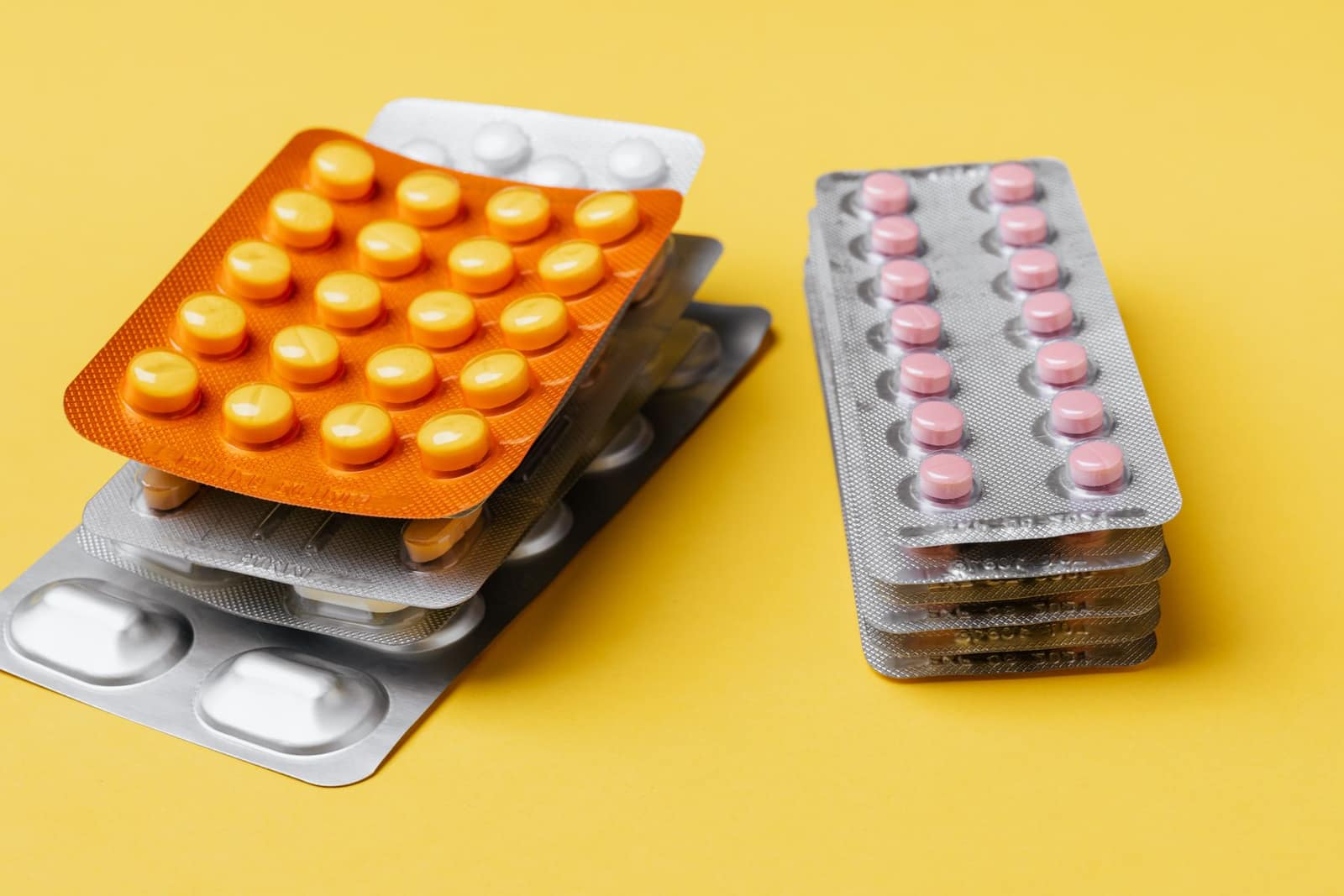 Free to exportPharma & chemicalsGeneric medicines (formulations)Tablets, capsules and injectables; every market needs product registration. The USA buys the most.HS3004Exports 2025-26US$ 21.9 bn ↓0.7%
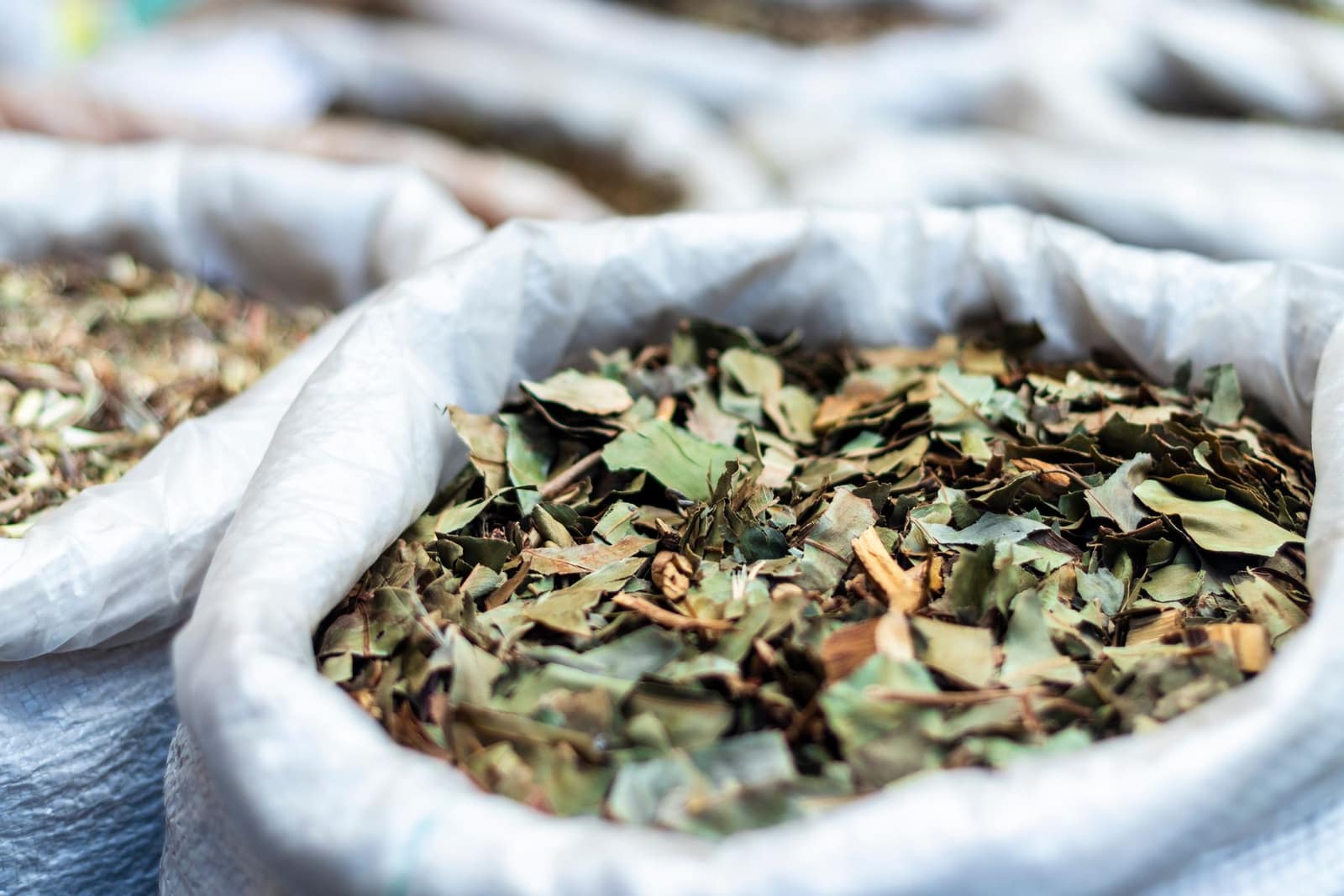 Free, with conditionsPharma & chemicalsAyurvedic and herbal productsAyurvedic medicines, supplements and herbal cosmetics; register with AYUSHEXCIL and the buyer's regulator.HS3004.90Exports 2025-26US$ 176 mn ↑7.1%
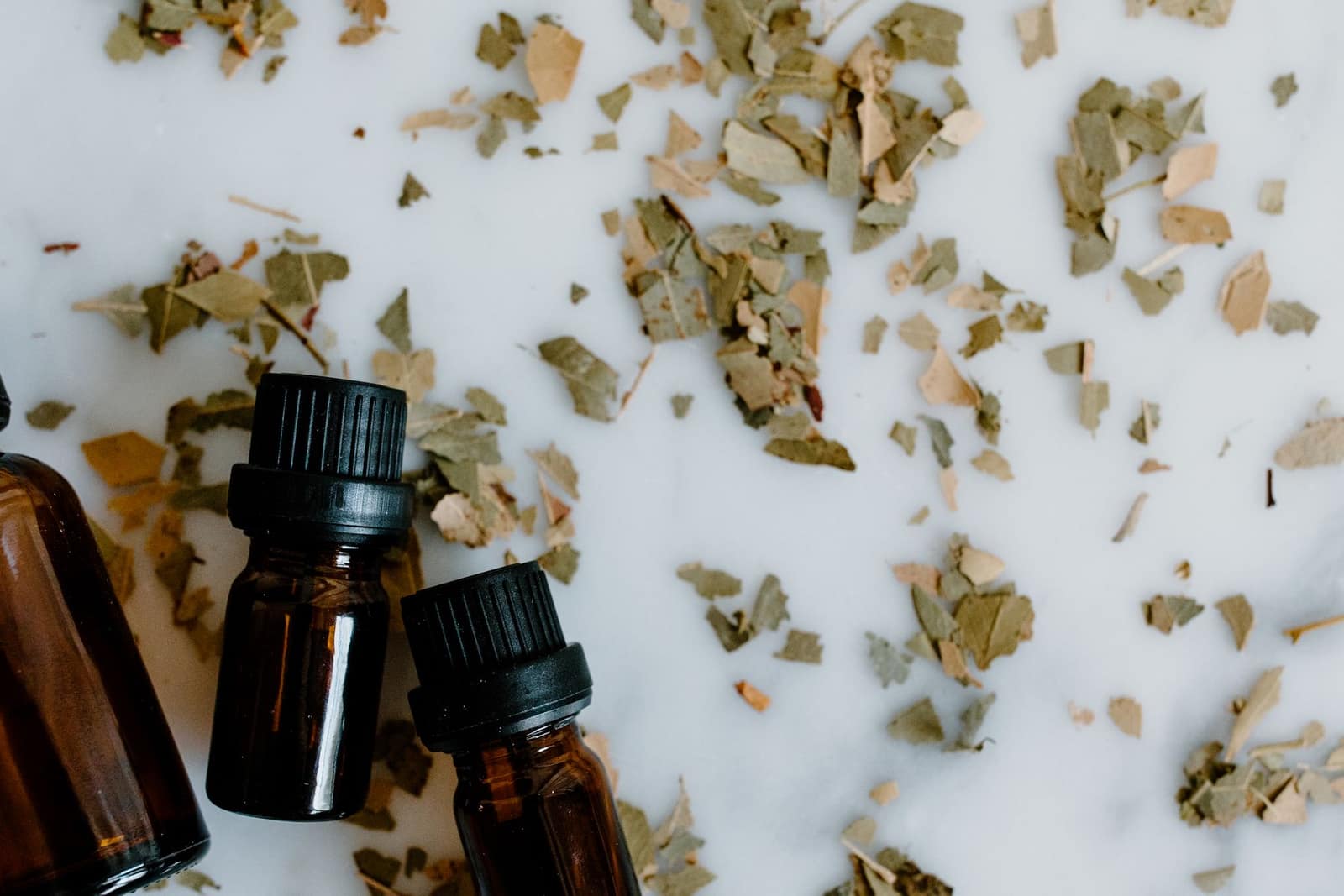 Free, with conditionsPharma & chemicalsEssential oilsMint, lemongrass, vetiver and other oils for flavour, fragrance and aromatherapy buyers; the USA leads.HS3301Exports 2025-26US$ 899 mn ↓3.3%
 Free to exportPharma & chemicalsSpice oils and oleoresinsConcentrated flavour and colour extracts for food, nutraceutical and pharma makers. India is the world leader; the USA is the biggest buyer.HS3301.90Exports 2025-26US$ 543 mn ↓1.4%