

011. Order, booking and documents
Once the order and payment terms are fixed, you (or the buyer, under FOB/FCA) book space with a shipping line or freight forwarder. You prepare the commercial invoice and packing list, and arrange any certificates the product needs, such as phytosanitary or health certificates.
022. Customs broker (CHA) files the shipping bill
A licensed customs broker files the shipping bill electronically on ICEGATE using your IEC, GSTIN, bank AD code, HS code and invoice data. This is also where you claim drawback or RoDTEP and state whether IGST is paid or covered by LUT.
033. Stuffing and the CFS or ICD
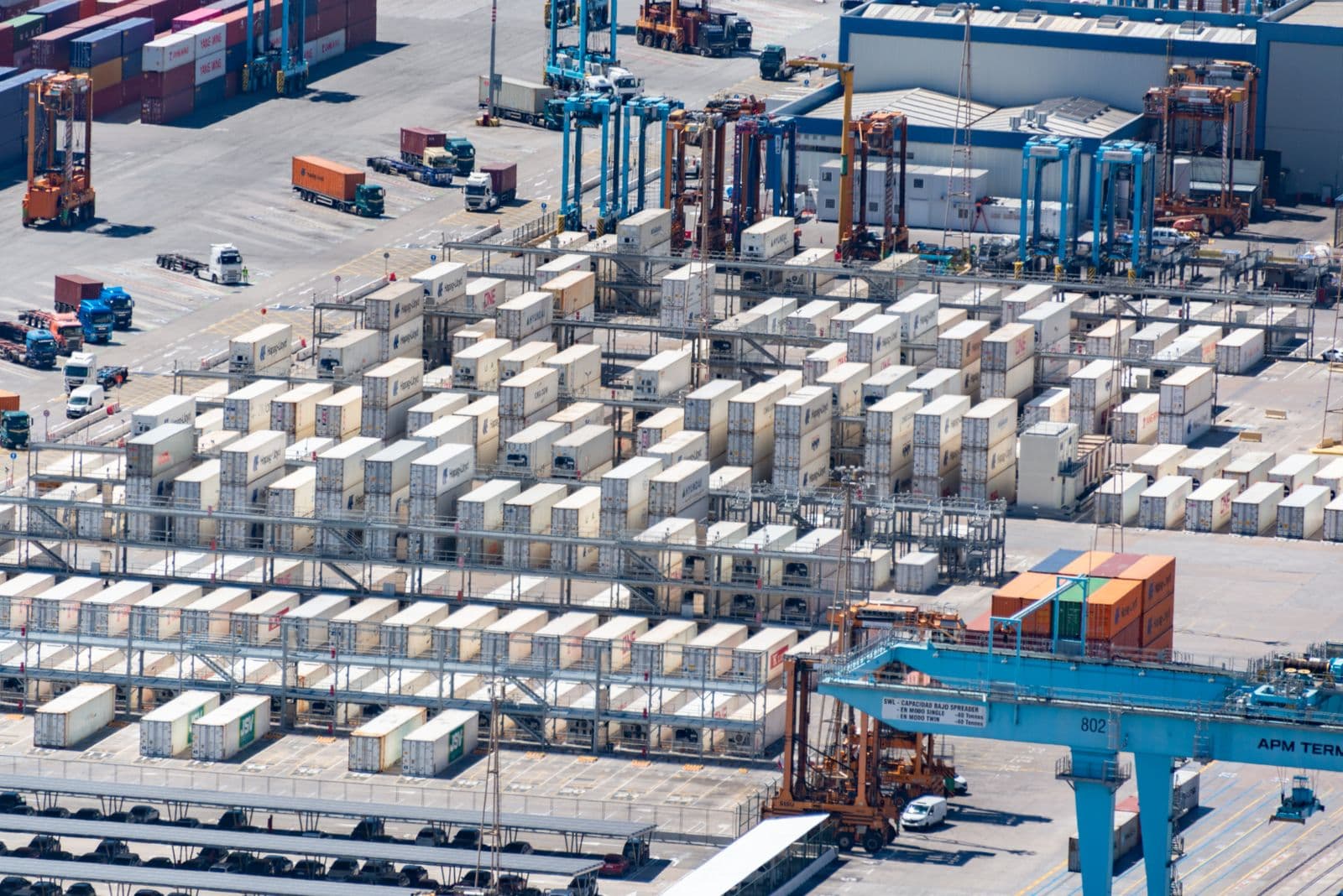
Goods are packed into a container either at your factory (factory stuffing, with customs permission) or at a container freight station (CFS) near the port, or at an inland container depot (ICD) near you. The container is sealed and moved to the port terminal.
044. Examination and Let Export Order (LEO)
Customs checks the documents and, if the risk system selects it, examines the goods. When satisfied, the officer gives Let Export Order. Only after LEO can the container be loaded.
055. Loading, bill of lading and sending documents
The container is loaded on the vessel. The shipping line issues the bill of lading. You then send documents to the buyer or through your bank as agreed, and the bank records the export against the shipping bill.
- Common delays: AD code not registered at the port, HS code or weight mismatch, missing certificate, cut-off missed.
- Ask your forwarder for the gate-in cut-off and documentation cut-off for each vessel.